

 Ver en contexto
 Enviar
 Compartir
 Detalles

 Descargar
 Similares
 Radiografía
 Presentación de diapositivas
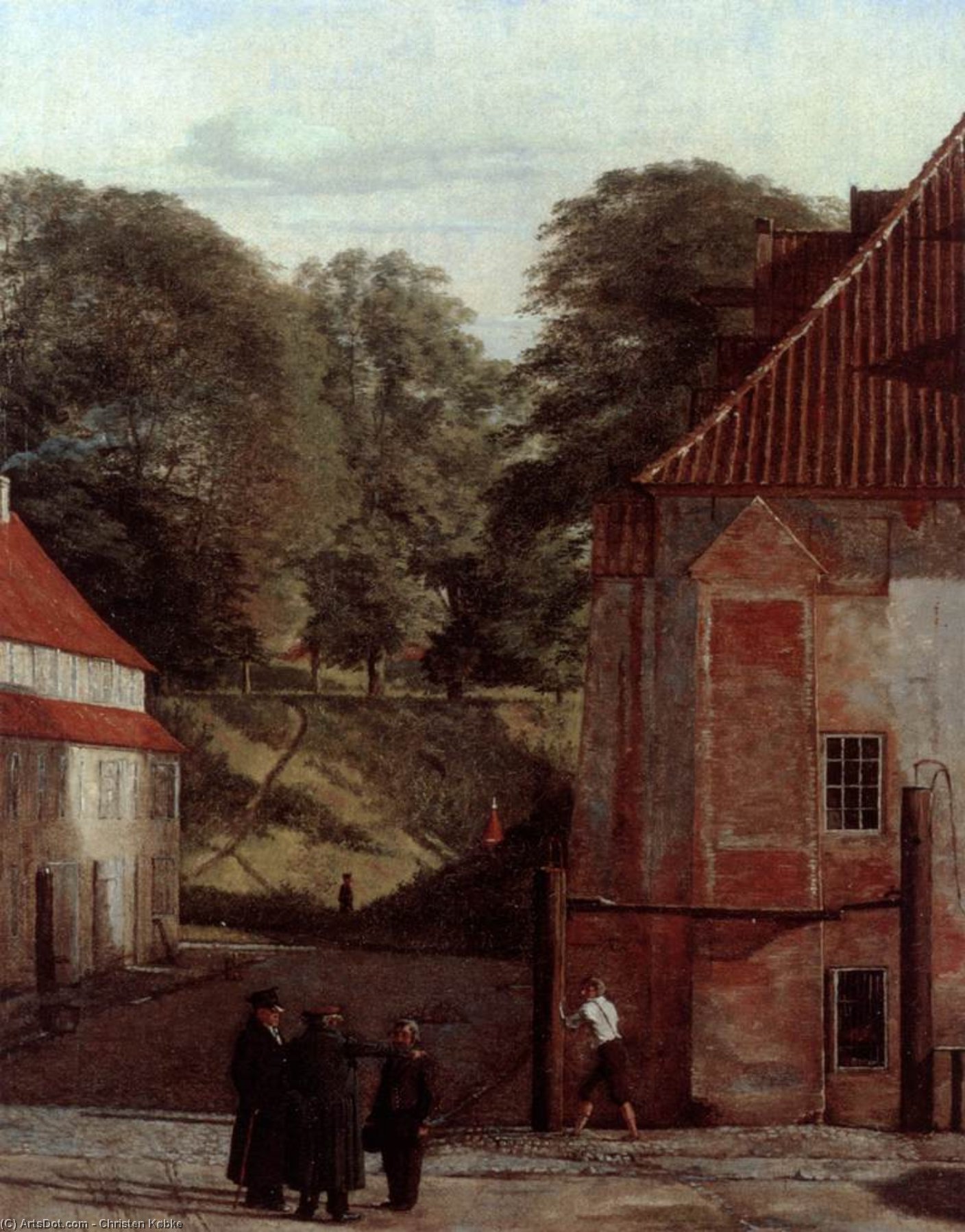
A View of the Square in the Kastel Looking Towards the Ramparts
 Oil On Canvas
- WallArt
- National Romanticism
 1830
1830 30.0 x 23.0 cm
 Galería Nacional de Escocia
 Ver más
Reproducción al óleo hecha a mano
Óleo sobre lienzo pintado a mano en el tamaño y marco de su elección, realizado por encargo por nuestros artistas. ( Comprar impresión Comprar imagen)




P118B $10

P118H $10

P118W $10

P438Z $10

P508JH $12

P508YH $12

P805H $10

P805Z $10

P919BZ $10

P919G $10

P919XJ $10

P959ZH $10

P968JZ $12

W106C $8

W218G $10

W218JH $8

W218Y $10

W307PJ $10

W316G $10

W316PJ $8

W316Y $10

W398PJ $8

W4111J $10

W500HY $15

W500JH $15

W692G $12

W849H $8

W940BG $15

W953PJ $8




Elija entre nuestros tamaños predefinidos que respetan las proporciones originales de la obra.

Puede ingresar sus propias dimensiones para adaptarse a un marco o espacio específico. Si el tamaño seleccionado no coincide con las proporciones de la imagen original, recortaremos la obra o extenderemos la pintura con elementos adicionales pintados a mano. Se le enviará una maqueta digital para su aprobación antes de comenzar la producción.
Tenga en cuenta que la vista previa en pantalla no refleja el recorte o la extensión reales. Solo la maqueta mostrará con precisión la composición final.
Si bien existen tamaños personalizados, recomendamos seleccionar una dimensión de la lista predefinida para preservar las proporciones originales.
Tras realizar el pedido, el equipo de ArtsDot.com enviará un correo electrónico al cliente para solicitar instrucciones y proporcionarle una vista previa del boceto.
Envío a todo el mundo () en 3-4 semanas en lugar de las 5 semanas estándar. (31 agosto). Sin comprometer la calidad.

Envío exprés gratuito a todo el mundo

Lienzo de lino de alta calidad

Seguro de envío total

Garantía de reembolso de impuestos aduaneros

Garantía de fidelidad cromática exacta

Política de devolución de 60 días (solo por defectos)

Garantía de devolución del 100% del dinero

Descuento por cantidad
 La opción de vidrio solo está disponible en tamaños inferiores a 110 cm.

A View of the Square in the Kastel Looking Towards the Ramparts
Técnica de reproducción
Dimensiones de la reproducción
-


Precio total final
$ 263
The Painter’s Gaze: Christen Købke and the Everyday Made Extraordinary
Christen Købke's “A View of the Square in the Kastel Looking Towards the Ramparts” isn’t merely a depiction of a Copenhagen scene; it’s a carefully constructed window into a specific moment, a fleeting tableau of life within the fortified heart of the city. Painted around 1830, this work exemplifies Købke's signature style – a masterful blend of meticulous observation and subtle emotional resonance. It captures not just what was *seen*, but also the atmosphere, the quiet dignity of ordinary people engaged in their daily routines, all framed against the imposing backdrop of the Kastel, a medieval fortress that once served as a formidable prison.
The scene unfolds with a remarkable clarity. Five figures dominate the foreground – a baker, identified as Købke’s father, stands proudly beside his establishment; a gentleman in formal attire gestures towards the building; and two others, likely servants or visitors, observe the activity. A striking detail is the presence of a horse near the center, adding an element of rustic charm to the urban setting. The composition isn't overly dramatic; Købke eschews grand gestures for a balanced arrangement that invites the viewer into this intimate slice of Copenhagen life. The red-roofed building, a prominent feature, anchors the scene and provides a visual counterpoint to the muted tones of the figures and the surrounding architecture.
A Master of Light and Atmosphere: Købke’s Technique
Købke's skill lies not just in his ability to render detail with precision but also in his manipulation of light and atmosphere. He employs a delicate layering of paint, creating subtle gradations of color that evoke the soft glow of late afternoon sunlight. Notice how he captures the play of light on the buildings’ surfaces, imbuing them with a sense of warmth and solidity. The artist's use of *sfumato*, a technique borrowed from Renaissance masters, softens edges and blurs details, contributing to the painting’s overall feeling of realism while simultaneously conveying an impressionistic quality. The brushstrokes are generally small and controlled, reflecting Købke’s commitment to accuracy and his desire to capture the nuances of everyday life.
The choice of medium – oil on canvas – further enhances the work's richness and luminosity. The slow drying time of oil paint allowed Købke to build up layers of color gradually, achieving a remarkable level of depth and texture. He was known for his ability to capture the fleeting effects of light and shadow, transforming ordinary scenes into moments of captivating beauty.
Echoes of History: Contextualizing the Scene
To fully appreciate “A View of the Square in the Kastel Looking Towards the Ramparts,” it’s essential to understand its historical context. The Kastel itself was a significant landmark in Copenhagen's history, serving as both a military fortification and a prison. Købke lived within the castle walls from 1817 to 1834, providing him with intimate knowledge of the area and its inhabitants. The painting reflects this personal connection, capturing not just a physical space but also a sense of place – a feeling of belonging rooted in the city’s long and complex past.
Furthermore, Købke's work aligns with the burgeoning nationalistic movement in Denmark during the 19th century. Artists were increasingly interested in depicting scenes from everyday life that celebrated Danish culture and identity. Købke’s focus on a familiar urban landscape—a bakery within the historic walls of the Kastel—resonates with this broader artistic trend.
A Window into the Soul: Emotional Resonance
Beyond its technical brilliance, “A View of the Square in the Kastel Looking Towards the Ramparts” possesses a quiet emotional depth. The painting doesn’t offer grand pronouncements or dramatic narratives; instead, it invites us to contemplate the simple pleasures and everyday interactions that constitute human life. The figures seem absorbed in their activities, yet there's an underlying sense of dignity and contentment. Købke masterfully captures a moment of stillness—a pause in the flow of time—that allows us to connect with the scene on a deeply personal level.
Reproductions of this work offer a remarkable opportunity to bring this evocative image into your home or office, serving as a reminder of the beauty and richness that can be found in the most ordinary of moments. It’s a testament to Christen Købke's extraordinary talent—a painter who transformed the everyday into something truly unforgettable.
Obras relacionadas

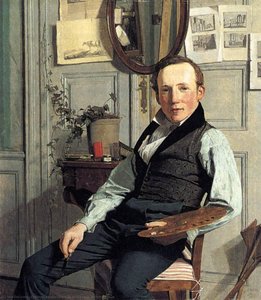
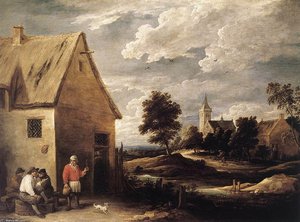
Biografía del artista
Primeros años y formación
- Nacimiento: 26 de mayo de 1810, Puerto de Copenhague, Dinamarca
- Fallecimiento: 7 de febrero de 1848
- Christen Købke nació en el seno de una familia de medios modestos; su padre trabajaba como panadero.
- Sus talentos artísticos fueron alentados desde una edad temprana.
- Comenzó su formación académica en la Real Academia Danesa de Bellas Artes en Copenhague.
- Estudió bajo la tutela de Christoffer Wilhelm Eckersberg, un artista de gran renombre, lo que sentó las bases para su éxito futuro.
Carrera artística y estilo
- La obra de Købcribe se centró en capturar la vida cotidiana y los paisajes de Dinamarca.
- Sus pinturas a menudo presentaban paisajes, retratos y escenas arquitectónicas.
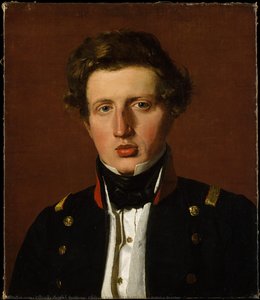
- Entre sus obras notables se incluye "Valdemar Hjartvar Købke (1813–1893), el hermano del artista" en el Metropolitan Museum of Art.
- Es conocido por un enfoque nacionalista del arte, enfatizando la cultura y los paisajes daneses. Ejemplo: “Frederiksborg Slot ved Aften”.
- Su estilo se caracteriza por un tratamiento preciso de la luz y la atmósfera, composiciones equilibradas y representaciones detalladas de los elementos naturales.
Influencias y desarrollo
- Fuertemente influenciado por el énfasis de Christoffer Wilhelm Eckersberg en la observación de la naturaleza.
- La promoción del arte nacionalista por parte de Niels Lauritz Høyen alentó a Købke a representar la cultura y los paisajes daneses.
- Sus primeras obras mostraron la influencia de la pintura de paisaje clásica, particularmente de Dresde e Italia.
- Sus viajes a Alemania e Italia (1838-1840) lo expusieron a nuevas perspectivas artísticas, pero sus obras posteriores de estudio basadas en estos bocetos no fueron bien recibidas.
Grandes logros y trascendencia histórica
- Considerado uno de los artistas más talentosos de la Edad de Oro danesa.
- Su enfoque en la vida cotidiana y los paisajes influyó en una generación de artistas daneses, incluyendo a Wilhelm Marstrand.
- Sus pinturas se encuentran ahora en diversos museos y colecciones de todo el mundo, incluyendo la Galería Nacional de Dinamarca, el Museo J. Paul Getty, el Museo del Louvre y el Metropolitan Museum of Art.
- El legado de Købke reside en su capacidad para capturar la esencia de la cultura e identidad danesa a través de representaciones realistas de paisajes y escenas cotidianas.
Últimos años y legado
- En 1846, la solicitud de Købke para su admisión en la Academia fue rechazada.
- Falleció de neumonía en 1848 a la edad de 37 años.
- Aunque inicialmente fue pasado por alto tras su muerte, la obra de Købke ganó reconocimiento y aprecio hacia finales del siglo XIX.
- Hoy en día, es celebrado por su belleza, sencillez y capacidad para capturar la esencia de la vida cotidiana en la Dinamarca del siglo XIX.
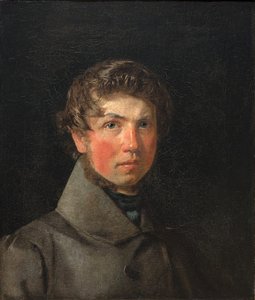
Christen Købke
1810 - 1848 , Dinamarca
Datos clave
- Artistic Movement Or Style: Edad de Oro de la Pintura Danesa
- Artists Or Movements Influenced By This Artist: ['Wilhelm Marstrand']
- Artists Who Influenced This Artist: ['Christoffer Wilhelm Eckersberg']
- Date Of Birth: 26 de mayo de 1810
- Date Of Death: 7 de febrero de 1848
- Full Name: Christen Schiellerup Købke
- Nationality: Danés
- Notable Artworks:
- Valdemar Hjartvar Købke
- Frederiksborg Slot ved aften
- Retrato de Frederik Sødring
- Place Of Birth: Copenhague, Dinamarca
Artículos relacionados
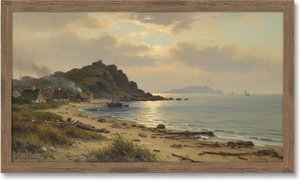
Peder Mørk Mønsted: Capturing the Danish Golden Age Landscape – A Study in Atmospheric Realism
Explore the captivating landscapes of Peder Mørk Mønsted, a master of Danish Golden Age realism. Discover his atmospheric techniques, influences, and enduring legacy in our expert analysis.
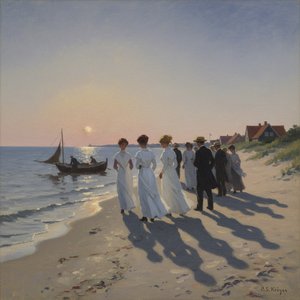
Peder Severin Krøyer: Capturing the Ephemeral Light of Danish Modern Life
Explore the luminous world of Peder Severin Krøyer, a master of Danish Impressionism. Discover his iconic Skagen paintings, artistic evolution, and lasting legacy. Learn about collecting Krøyer's works & find museum-quality reproductions.
Søren Emil Carlsen: A Study in Danish Luminism & Atmospheric Realism
Explore the captivating world of Søren Emil Carlsen, a master of Danish Luminism and American Impressionism. Discover his exquisite still lifes & landscapes – a study in realism, atmosphere, and enduring artistic beauty.
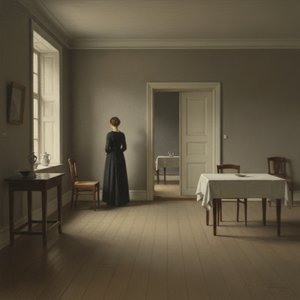
Vilhelm Hammershøi: Exploring Interiority, Light & Absence – A Danish Master for the Elite Collector
Discover the captivating world of Vilhelm Hammershøi with ArtsDot. Explore his serene interiors, masterful use of light & symbolism. Expert insights for discerning collectors and art enthusiasts.
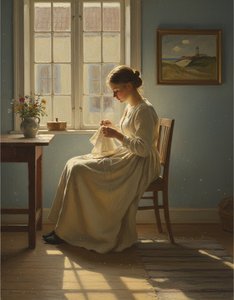
Anna Ancher: Capturing Light & Domesticity in the Skagen Tradition
Discover Anna Ancher (1859-1935), a leading figure of the Skagen Painters. Explore her captivating depictions of domestic life, masterful use of light, and lasting legacy in Danish Impressionism. Learn more at ArtsDot.

