

 Enviar
 Compartir
 Detalles

 Descargar
 Similares
 Presentación de diapositivas
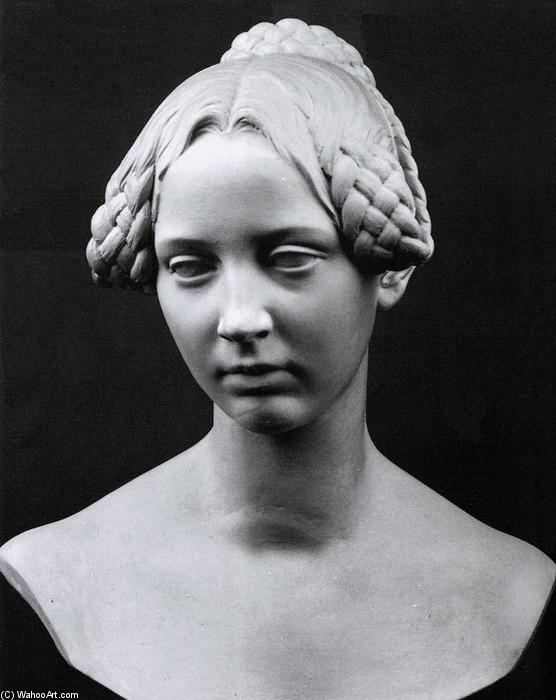
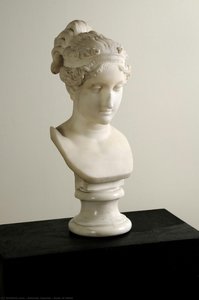
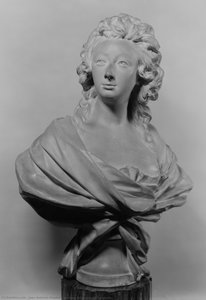
Princess Léontine von Radziwill


 Ver más
Adquiera una imagen digital de alta resolución y optimizada, muy superior a la vista previa en línea.
Cada archivo es preparado meticulosamente por nuestros especialistas internos mediante el uso de herramientas avanzadas y un experto retoque manual. Nos aseguramos de que cada imagen posea una claridad excepcional, una precisión cromática impecable y un detalle minucioso.
El archivo final se entrega por correo electrónico en un plazo de 72 horas, optimizado para su uso inmediato en entornos profesionales, editoriales y de impresión. Esta es la misma calidad en la que confían los estudios de diseño, las editoriales y las galerías de primer nivel.
Imagen Digital
Descarga un archivo de alta resolución para exhibición personal, impresión y proyectos creativos. ( Comprar impresión Comprar pintura hecha a mano)
Incluido en cada pedido de imágenes digitales
Entrega digital experta, garantizada.
Al elegir ArtsDot.com, no solo está adquiriendo una imagen; está recibiendo una obra de arte digital mejorada profesionalmente, elaborada con precisión y respaldada por una garantía de satisfacción. Esto es todo lo que incluye su pedido, automáticamente:

Entrega rápida por email
Recibirá su archivo de imagen digital en alta resolución por correo electrónico en un plazo de 72 horas tras realizar su pedido, listo para su uso inmediato.

Archivo digital optimizado por IA
Su obra de arte se optimiza profesionalmente mediante herramientas avanzadas de IA y edición manual, garantizando el máximo detalle, claridad y precisión cromática.

Reenvío gratuito de por vida
¿Has borrado o perdido tu archivo por error? No te preocupes: te lo volveremos a enviar en cualquier momento, sin coste adicional.

Sin gastos de importación, siempre
Disfrute de su obra de arte al instante sin aduanas, aranceles ni gastos de envío; las descargas digitales siempre están libres de impuestos.

Garantía de fidelidad de color
Garantizamos que su imagen digital refleje los colores originales con la mayor fidelidad posible, mediante el uso de herramientas profesionales y gestión del color.

Garantía de satisfacción de 60 días
Si no está satisfecho con su imagen digital, la revisaremos o le reembolsaremos el 100% en un plazo de 60 días, sin preguntas.

100% Garantía de devolución de dinero
¿No está satisfecho? Obtenga un reembolso completo dentro de los 60 días posteriores a la recepción de su archivo digital, sin necesidad de explicaciones.

Descuentos por pedidos grandes
Compra 3 imágenes, ahorra 10% - Compra 5, ahorra 15% - Compra 10+, ahorra 20%. Ideal para proyectos creativos, galerías y agencias.
Descripción del coleccionable
Princess Léontine von Radziwill: A Portrait of Quiet Majesty
The photograph before us presents not merely an image, but a carefully constructed echo of a bygone era – a bust sculpture titled “Princess Léontine von Radziwill” by the esteemed Christian Daniel Rauch. Completed in 1836, this work transcends its material form, offering a glimpse into the personality and bearing of a woman who navigated the complexities of European aristocracy with grace and dignity. Rauch’s masterful execution captures more than just physical likeness; he has imbued the sculpture with an atmosphere of contemplative serenity, inviting us to contemplate the life and character of Princess Léontine herself. The piece stands as a testament to Rauch's skill in translating three-dimensional form into a compelling two-dimensional representation, utilizing the subtle nuances of light and shadow to create a remarkably lifelike effect.The Sculptor’s Vision: Christian Daniel Rauch and Neoclassical Portraiture
Christian Daniel Rauch (1777-1857) stands as a towering figure in 19th-century German sculpture, widely considered the founder of the Berlin school of sculpture. His work is deeply rooted in the neoclassical tradition, drawing inspiration from the idealized forms and balanced compositions of ancient Greece and Rome. Rauch’s approach was characterized by an emphasis on historical accuracy combined with a profound understanding of human anatomy and expression. He wasn't simply replicating appearances; he sought to capture the essence of his subjects – their character, their bearing, and their place within the grand narrative of history. The “Princess Léontine” bust exemplifies this philosophy perfectly, showcasing Rauch’s ability to imbue a static form with a sense of dynamic presence. Notably, Rauch's work was heavily influenced by Queen Louise of Prussia, whose portrait he created in marble, establishing him as a leading sculptor for the Prussian court and solidifying his reputation.A Study in Form and Texture: Technical Details
Rauch’s technique is immediately apparent in the meticulous detail of the sculpture's surface. The smooth, polished finish suggests the use of marble or perhaps even a high-quality plaster, carefully sculpted to mimic the texture of skin, hair, and fabric. The intricate braiding that frames Princess Léontine’s head is rendered with astonishing precision, each strand meticulously shaped to create a sense of movement and volume. Subtle lines delineate the contours of her face – the delicate curve of her cheekbones, the subtle indentation of her brow, the gentle slope of her lips. These details are not merely decorative; they contribute significantly to the sculpture’s overall realism and emotional impact. The lighting in the photograph itself subtly emphasizes these textures, highlighting the artist's commitment to capturing every nuance of the material.Symbolism and Emotional Resonance: A Portrait of Dignified Reflection
Beyond its technical brilliance, “Princess Léontine von Radziwill” is rich in symbolic meaning. The princess’s slightly downward gaze conveys a sense of quiet contemplation, suggesting an inner life filled with thought and reflection. Her expression is serene, almost melancholic, hinting at the burdens and responsibilities inherent in her position as a member of European royalty. The choice to depict her in profile – a common convention in portraiture – further emphasizes her dignified bearing and reinforces her status as a figure of authority and grace. It’s important to note that Princess Léontine was known for her patronage of the arts, and her image embodies a certain elegance and sophistication associated with the era. The sculpture speaks not just of a woman's appearance but also of her character—a quiet strength and an appreciation for beauty.A Legacy in Reproduction: Bringing Rauch’s Masterpiece to Life
Today, “Princess Léontine von Radziwill” is meticulously reproduced through hand-painted techniques, preserving the artist's original vision while offering a stunning addition to any collection or interior space. The careful attention to detail—the nuanced rendering of texture, the subtle play of light and shadow—ensures that these reproductions capture the essence of Rauch’s masterpiece, allowing viewers to experience its beauty and emotional resonance firsthand. The work stands as a reminder of the enduring power of sculpture to transport us across time and connect us with the lives and legacies of those who came before.Obras relacionadas
Biografía del artista
Vida Temprana y Educación
- Nacimiento: Christian Daniel Rauch nació el 2 de enero de 1777 en Arolsen, Principado de Waldeck, dentro del Sacro Imperio Romano Germánico.
- Antecedentes Familiares: Su padre ocupaba un cargo en la corte del Príncipe Federico II de Hesse. Las modestas circunstancias de la familia limitaron inicialmente su formación artística formal.
- Primer Aprendizaje: En 1790, Rauch comenzó un aprendizaje con Friedrich Valentin, el escultor de la corte de Arolsen. Esto le proporcionó una comprensión fundamental de las técnicas escultóricas.
- Formación Adicional en Kassel: Continuó su formación como asistente de Johann Christian Ruhl, el escultor de la corte de Kassel, en 1795.
- Traslado a Berlín y Primeros Desafíos: Tras las pérdidas familiares en 1796 y 1797, Rauch se trasladó a Berlín. Inicialmente trabajó como mozo de cuadra en la casa real para mantenerse mientras perseguía sus ambiciones artísticas en su tiempo libre.
- Influencia de Schadow: Estuvo bajo la influencia de Johann Gottfried Schadow, un destacado escultor alemán, quien guio su desarrollo.
Período Italiano y Desarrollo Artístico
- Reconocimiento y Estudios en Roma (1804-1810): La Reina Luisa de Prusia reconoció el talento de Rauch y facilitó sus estudios en la Academia Prusiana de Arte. El Conde Sandrecky luego le proporcionó apoyo financiero para estudiar en Roma a partir de 1804.
- Influencias en Roma: En Roma, se hizo amigo de figuras influyentes como Wilhelm von Humboldt, Antonio Canova y Bertel Thorvaldsen, absorbiendo sus ideales neoclásicos.
- Primeras Obras en Roma: Durante su tiempo en Roma, Rauch creó varias obras notables, incluidos relieves que representan escenas mitológicas como "Hipólito y Fedra", "Marte y Venus heridos por Diómedes" y una representación de un "Niño Orando". También ejecutó bustos de mármol de personas prominentes como el poeta Zacharias Werner y el pintor Raphael Mengs.
- Desarrollo del Estilo Neoclásico: Su exposición al arte renacentista italiano y neoclásico moldeó significativamente su estilo, enfatizando la claridad, el equilibrio y las formas idealizadas.
Encargos Importantes y Ascenso a la Prominencia
- Monumento a la Reina Luisa (1811-1814): El gran avance de Rauch llegó con el encargo de crear un monumento para la Reina Luisa de Prusia. La estatua, que representa a la reina en una pose dormida, se colocó inicialmente en Charlottenburg y luego se replicó en el Parque Sanssouci en Potsdam, estableciendo su reputación en toda Europa.
- Escultor Dominante de Monumentos Prusianos: Se convirtió en el escultor principal encargado de crear monumentos públicos para Prusia. Los encargos notables incluyeron estatuas de Bülow, Yorck y Scharnhorst en Berlín; Blücher en Breslau; Maximiliano en Múnich; Francke en Halle; Dürer en Núremberg; Lutero en Wittenberg; y el Gran Duque Paul Frederick en Schwerin.
- Producción Prolífica: Para 1824, Rauch había completado setenta bustos de mármol, incluidos veinte de tamaño colosal. También contribuyó significativamente al Monumento Nacional para las Guerras de Liberación en el Kreuzberg cerca de Berlín con doce estatuas de hierro.
- "Fe, Esperanza y Caridad" (Década de 1830): Creó el grupo "Fe, Esperanza y Caridad", que regaló a su ciudad natal, Arolsen.
El Monumento Ecuestre a Federico el Grande y Legado
- Obra Culminante: El logro más celebrado de Rauch fue el monumental monumento ecuestre al Rey Federico II de Prusia (Federico el Grande) en Berlín, un proyecto que comenzó en 1830 con Karl Friedrich Schinkel como arquitecto.
- Inauguración y Reconocimiento (1851): Inaugurado en mayo de 1851, el monumento se considera una obra maestra de la escultura moderna y consolidó la posición de Rauch como el escultor más importante de Alemania.
- Obras Posteriores: Durante sus últimos años, continuó recibiendo encargos para obras importantes, incluidas estatuas de Immanuel Kant para Königsberg y Albrecht Thaer para Berlín.
- Honores y Afiliaciones: Rauch recibió numerosos honores de príncipes y fue elegido miembro de academias en toda Europa. Se convirtió en miembro asociado del Real Instituto de los Países Bajos en 1837.
- Fallecimiento (1857): Christian Daniel Rauch murió en Dresde el 3 de diciembre de 1857.
- Significado Histórico: Rauch fundó la escuela berlinesa de escultura y desempeñó un papel fundamental en el establecimiento de la escultura neoclásica como el estilo dominante en Alemania durante el siglo XIX. Sus obras siguen siendo admiradas por su habilidad técnica, profundidad emocional e importancia histórica.
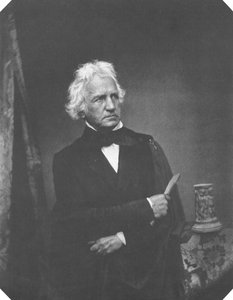
Christian Daniel Rauch
1777 - 1857 , Alemania
Breves datos
- Artistas Influenciados: ['Escuela de Berlín']
- Artistas Que Influyeron:
- Schadow
- Canova
- Humboldt
- Fecha De Fallecimiento: 3 de diciembre de 1857
- Fecha De Nacimiento: 2 de enero de 1777
- Lugar De Nacimiento: Arolsen, Alemania
- Movimiento Artístico: Neoclasicismo
- Nacionalidad: Alemana
- Nombre Completo: Christian Daniel Rauch
- Obras Notables:
- Estatua Reina Luisa
- Monumento Federico II

