

 Ver en contexto
 Enviar
 Compartir
 Detalles

 Descargar
 Similares
 Radiografía
 Presentación de diapositivas
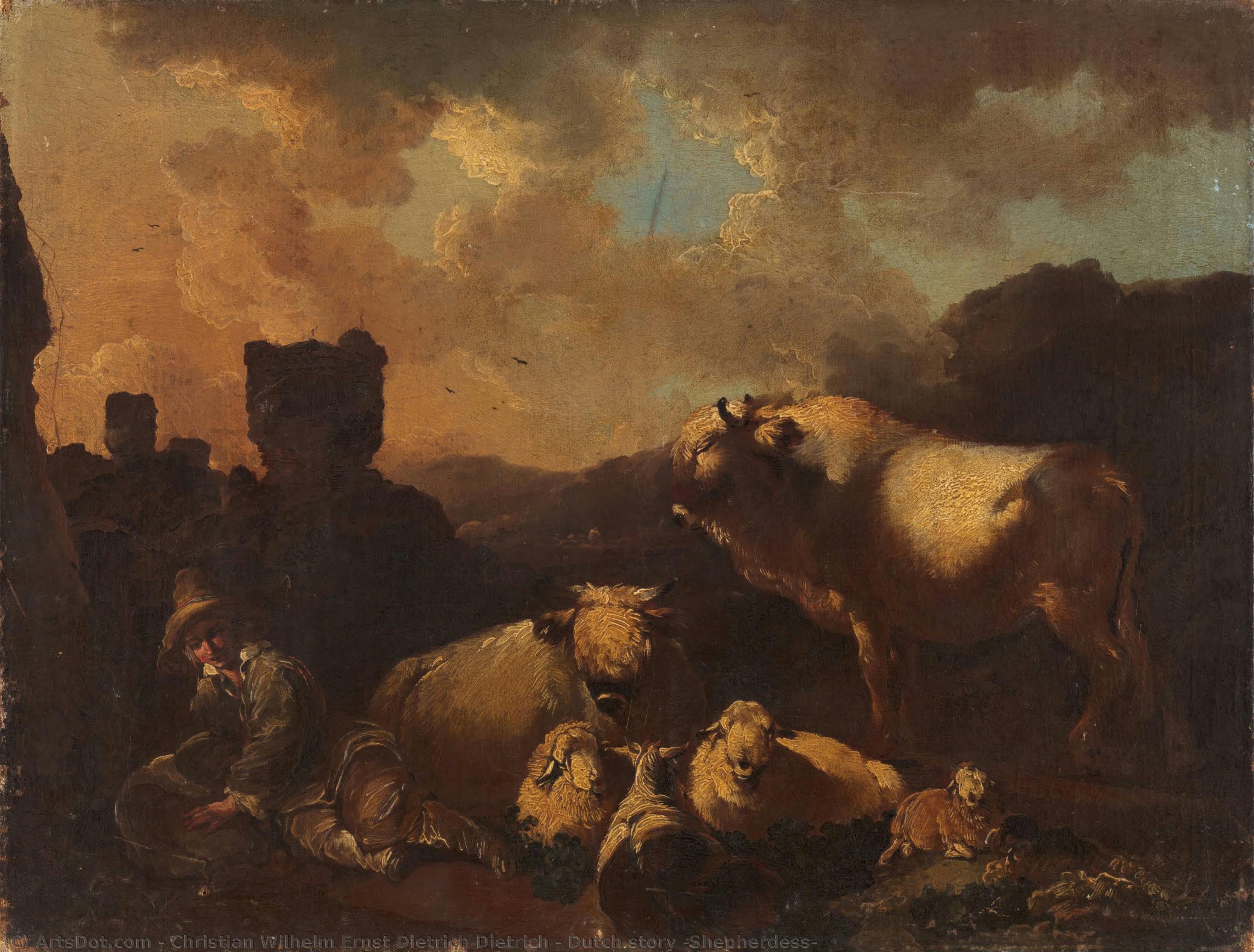
Dutch story (Shepherdess)


 Ver más
Adquiera una imagen digital de alta resolución y optimizada, muy superior a la vista previa en línea.
Cada archivo es preparado meticulosamente por nuestros especialistas internos mediante el uso de herramientas avanzadas y un experto retoque manual. Nos aseguramos de que cada imagen posea una claridad excepcional, una precisión cromática impecable y un detalle minucioso.
El archivo final se entrega por correo electrónico en un plazo de 72 horas, optimizado para su uso inmediato en entornos profesionales, editoriales y de impresión. Esta es la misma calidad en la que confían los estudios de diseño, las editoriales y las galerías de primer nivel.
Imagen Digital
Descarga un archivo de alta resolución para exhibición personal, impresión y proyectos creativos. ( Comprar impresión Comprar pintura hecha a mano)
Incluido en cada pedido de imágenes digitales
Entrega digital experta, garantizada.
Al elegir ArtsDot.com, no solo está adquiriendo una imagen; está recibiendo una obra de arte digital mejorada profesionalmente, elaborada con precisión y respaldada por una garantía de satisfacción. Esto es todo lo que incluye su pedido, automáticamente:

Entrega rápida por email
Recibirá su archivo de imagen digital en alta resolución por correo electrónico en un plazo de 72 horas tras realizar su pedido, listo para su uso inmediato.

Archivo digital optimizado por IA
Su obra de arte se optimiza profesionalmente mediante herramientas avanzadas de IA y edición manual, garantizando el máximo detalle, claridad y precisión cromática.

Reenvío gratuito de por vida
¿Has borrado o perdido tu archivo por error? No te preocupes: te lo volveremos a enviar en cualquier momento, sin coste adicional.

Sin gastos de importación, siempre
Disfrute de su obra de arte al instante sin aduanas, aranceles ni gastos de envío; las descargas digitales siempre están libres de impuestos.

Garantía de fidelidad de color
Garantizamos que su imagen digital refleje los colores originales con la mayor fidelidad posible, mediante el uso de herramientas profesionales y gestión del color.

Garantía de satisfacción de 60 días
Si no está satisfecho con su imagen digital, la revisaremos o le reembolsaremos el 100% en un plazo de 60 días, sin preguntas.

100% Garantía de devolución de dinero
¿No está satisfecho? Obtenga un reembolso completo dentro de los 60 días posteriores a la recepción de su archivo digital, sin necesidad de explicaciones.

Descuentos por pedidos grandes
Compra 3 imágenes, ahorra 10% - Compra 5, ahorra 15% - Compra 10+, ahorra 20%. Ideal para proyectos creativos, galerías y agencias.
Obras relacionadas









Biografía del artista
Christian Wilhelm Ernst Dietrich (1712-1774): The Imitator of Masters
Christian Wilhelm Ernst Dietrich, born in Weimar in 1712, stands as a singular figure in German art history—not for pioneering innovation but for achieving extraordinary mastery in replicating the styles of celebrated artists from centuries past. His artistic philosophy revolved around meticulous imitation—a practice that secured him the moniker “the Raphael of Landscape,” according to Johann Joachim Winckelmann, a pivotal voice in Neoclassical art theory. Dietrich’s oeuvre consisted predominantly of landscapes and genre scenes alongside biblical depictions, mirroring the aesthetic preferences prevalent during his era and demonstrating an astonishing comprehension of artistic conventions established by predecessors.Early Life and Artistic Training
Dietrich's upbringing was profoundly shaped by the traditions of German art patronage. His father, Johann Georg, served as a miniature painter to the Duke of Saxe-Weimar-Eisenach—a role that instilled in Dietrich from infancy an unwavering dedication to artistic craftsmanship and painstaking detail. Recognizing his son’s innate talent, Johann Georg dispatched Dietrich to Dresden where he received instruction under the watchful eye of Johann Alexander Thiele—a respected artist and pedagogue who championed classical ideals. Remarkably, Dietrich completed a portrait at just eighteen years old—a feat that immediately captivated Augustus II, King of Saxe-Weimar-Eisenach, who generously bestowed upon him financial support for extended scholarly pursuits abroad. This early exposure to artistic excellence cemented his commitment to mastering the techniques and sensibilities of the masters.Italian Journey and Artistic Influences
This formative experience propelled Dietrich into Italy and the Netherlands—environments brimming with artistic fervor during the Enlightenment. He immersed himself in the works of Rembrandt, Ostade, and Salvator Rosa—absorbing their compositional strategies, lighting effects, and tonal gradations with remarkable speed. These masters exerted a profound influence on his artistic vision, shaping his approach to portraying human emotion and capturing the beauty of natural landscapes. Specifically, Dietrich’s meticulous study of Rembrandt's chiaroscuro technique—the dramatic interplay between light and shadow—became a hallmark of his style, evident in numerous paintings where figures emerge from darkness against luminous backgrounds.Dresden Court Paintership and Artistic Legacy
In 1741, Dietrich ascended to the role of court painter to Augustus III at Dresden—a position that afforded him considerable prestige and financial stability. He continued to produce artwork under royal patronage for the remainder of his life, diligently fulfilling the requirement of creating four cabinet paintings annually. His reputation soared further when he skillfully imitated Rembrandt’s style, producing works that circulated widely throughout Europe's artistic circles – including St Petersburg, Vienna and Dresden. Dietrich’s dedication to upholding artistic traditions—particularly the stylistic legacy of Rembrandt—served as a testament to his unwavering belief in the transformative power of emulation. Beyond mere replication, Dietrich infused his paintings with an understanding of humanist ideals and aesthetic principles rooted in classical antiquity—a contribution that solidified his place as one of Germany's foremost artists of the eighteenth century. His landscapes, characterized by serene vistas bathed in soft light and imbued with a palpable sense of atmosphere, exemplify the Romantic sensibility gaining momentum during his lifetime. ### Notable Achievements: Dietrich’s artistic accomplishments extended beyond stylistic imitation; he achieved considerable renown for his meticulous rendering of biblical narratives and genre scenes—capturing the subtleties of human emotion and portraying everyday life with astute observation. His landscapes were frequently based on the works of Salvator Rosa and Allaert van Everdingen, demonstrating a masterful grasp of topographical accuracy and atmospheric perspective. Furthermore, Dietrich’s engravings—inspired by Rembrandt and Ostade—became celebrated prints that disseminated artistic ideas across Europe. He was recognized as “the Raphael of Landscape” due to his unparalleled ability to convey the grandeur and beauty of nature with unwavering fidelity to classical conventions. His legacy resides not in groundbreaking originality but in his unsurpassed skill at honoring the traditions of past masters—a distinction that secures him a prominent position within German art history.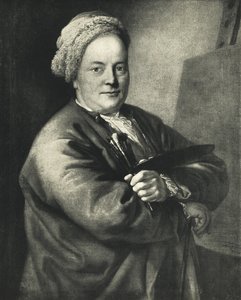
Cristian Wilhelm Ernst Dietrich
1712 - 1774 , Alemania
Breves datos
- Artistic Movement Or Style: Imitation of Dutch & Italian masters
- Artists Who Influenced This Artist:
- Johann Georg
- Johannes Alexander Thiele
- Giovanni Battista Piranesi
- Date Of Birth: 1712
- Date Of Death: April 23, 1774
- Full Name: Christian Wilhelm Ernst Dietrich
- Nationality: German
- Notable Artworks:
- Baptism of the Chamberlain of Queen Candace of Ethiopia
- Surprised, or Infidelity Found Out
- Place Of Birth: Weimar, Germany

