 Ver en contexto
 Enviar
 Compartir
 Detalles

 Descargar
 Similares
 Radiografía
 Presentación de diapositivas
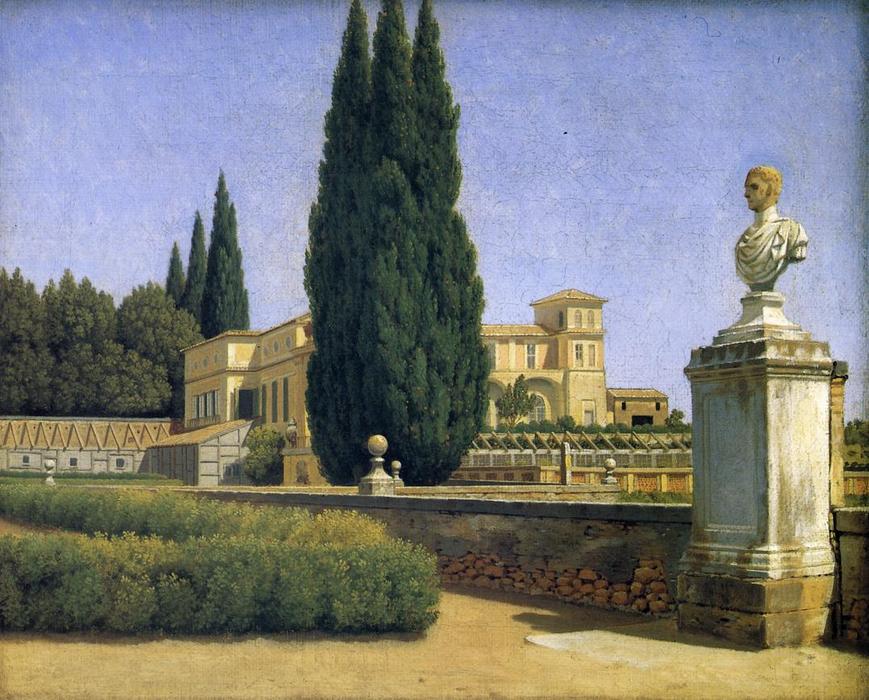
In the Gardens of the Villa Albani


 Ver más
Reproducción al óleo hecha a mano
Óleo sobre lienzo pintado a mano en el tamaño y marco de su elección, realizado por encargo por nuestros artistas. ( Comprar impresión Comprar imagen)




P118B $10

P118H $10

P118W $10

P438Z $10

P508JH $12

P508YH $12

P805H $10

P805Z $10

P919BZ $10

P919G $10

P919XJ $10

P959ZH $10

P968JZ $12

W106C $8

W218G $10

W218JH $8

W218Y $10

W307PJ $10

W316G $10

W316PJ $8

W316Y $10

W398PJ $8

W4111J $10

W500HY $15

W500JH $15

W692G $12

W849H $8

W940BG $15

W953PJ $8




Elija entre nuestros tamaños predefinidos que respetan las proporciones originales de la obra.

Puede ingresar sus propias dimensiones para adaptarse a un marco o espacio específico. Si el tamaño seleccionado no coincide con las proporciones de la imagen original, recortaremos la obra o extenderemos la pintura con elementos adicionales pintados a mano. Se le enviará una maqueta digital para su aprobación antes de comenzar la producción.
Tenga en cuenta que la vista previa en pantalla no refleja el recorte o la extensión reales. Solo la maqueta mostrará con precisión la composición final.
Si bien existen tamaños personalizados, recomendamos seleccionar una dimensión de la lista predefinida para preservar las proporciones originales.
Tras realizar el pedido, el equipo de ArtsDot.com enviará un correo electrónico al cliente para solicitar instrucciones y proporcionarle una vista previa del boceto.
Envío a todo el mundo () en 3-4 semanas en lugar de las 5 semanas estándar. (31 agosto). Sin comprometer la calidad.

Envío exprés gratuito a todo el mundo

Lienzo de lino de alta calidad

Seguro de envío total

Garantía de reembolso de impuestos aduaneros

Garantía de fidelidad cromática exacta

Política de devolución de 60 días (solo por defectos)

Garantía de devolución del 100% del dinero

Descuento por cantidad
 La opción de vidrio solo está disponible en tamaños inferiores a 110 cm.

In the Gardens of the Villa Albani
Técnica de reproducción
Dimensiones de la reproducción
-


Precio total final
$ 263
A Serene Vision of Roman Grandeur: Christoffer Wilhelm Eckersberg’s “In the Gardens of the Villa Albani”
Christoffer Wilhelm Eckersberg's 1813 painting, "In the Gardens of the Villa Albani," offers a captivating glimpse into the refined aesthetic sensibilities of early 19th-century Denmark and its engagement with classical ideals. More than simply a landscape depiction, it’s a carefully constructed tableau that speaks to notions of order, leisure, and the harmonious relationship between humanity and nature – themes deeply rooted in Roman civilization and meticulously rendered through Eckersberg's masterful command of light, composition, and detail.
The scene unfolds within the expansive gardens of the Villa Albani in Rome, a residence commissioned by Cardinal Alessandro Albani. The villa itself, a testament to architectural grandeur, anchors the view with its imposing façade – a clear reference to the classical Roman villas that inspired generations of European artists and architects. Eckersberg doesn’t merely portray the building; he imbues it with an aura of dignified permanence, suggesting a connection to the enduring legacy of antiquity. The carefully arranged pathways, geometric patterns, and symmetrical elements within the garden reflect a deliberate pursuit of order and balance, mirroring the principles espoused by Renaissance humanists and artists.
Neoclassical Precision: Technique and Style
Eckersberg’s style firmly aligns with the Neoclassicism that dominated European art during this period. He eschews the dramatic flourishes and emotional intensity of the preceding Romantic movement, opting instead for a restrained elegance and an emphasis on clarity and precision. The brushwork is notably controlled – visible yet not overly assertive, creating a sense of polished refinement. Eckersberg skillfully employs atmospheric perspective, subtly diminishing the details and colors in the background to create a convincing illusion of depth. This technique draws the viewer’s eye towards the central elements of the composition: the villa itself and the figures engaged in leisurely pursuits within the garden.
The painting is executed primarily in oil on canvas, utilizing layering and glazing techniques to build up color and texture with remarkable subtlety. Notice how light gently caresses the foliage, casting soft shadows that define form and volume. The palette is predominantly muted – a harmonious blend of greens, browns, and blues – contributing to the overall sense of tranquility and serenity. The use of cool tones in the background contrasts effectively with the warmer hues employed for the foreground elements, further enhancing the depth and spatial relationships within the scene.
Symbolism and Context: Echoes of Rome
“In the Gardens of the Villa Albani” is deeply intertwined with the historical context of its creation. The Villa Albani itself was a deliberate homage to Roman antiquity, reflecting Cardinal Albani’s passion for classical art and architecture. Eckersberg's painting serves as a visual embodiment of this fascination, capturing the idealized vision of Roman life – a world of refined leisure, intellectual pursuits, and harmonious relationships with nature.
The inclusion of figures engaged in conversation and contemplation within the garden subtly alludes to the philosophical and social ideals associated with classical Rome. These individuals represent a cultivated elite, enjoying the fruits of their intellect and wealth amidst the beauty of the natural world. The bust, prominently positioned within the composition, further reinforces this connection to antiquity, suggesting a dialogue between the present and the past.
A Legacy of Serenity: Reproductions and Inspiration
Eckersberg’s “In the Gardens of the Villa Albani” remains a powerfully evocative work of art, offering a timeless vision of beauty, order, and harmony. Reproductions of this painting capture not only its visual splendor but also the underlying sense of tranquility and intellectual engagement that defines it. Whether adorning a formal living room or a contemplative study, a high-quality reproduction can transport viewers to the serene gardens of the Villa Albani – a testament to Eckersberg’s artistic genius and the enduring appeal of classical ideals.
Obras relacionadas


Biografía del artista
Christoffer Wilhelm Eckersberg: El Padre de la Pintura Danesa
- Nacido: Kolding, Dinamarca (1783)
- Fallecido: 1853
Primeros Años y Formación
- Eckersberg nació en Blåkrog, Schleswig (ahora parte del municipio de Aabenraa), hijo de un carpintero y pintor.
- Sus primeros años los pasó en Blans cerca de Alssund, donde desarrolló una apreciación por el campo circundante a través del dibujo y la navegación.
- La formación formal comenzó bajo Jes Jessen en Aabenraa (1797–1800) seguida por Josiah Jacob Jessen en Flensburg.
- En 1803, llegó a Copenhague y fue aceptado en la Real Academia de Arte Danesa, estudiando con Nikolaj Abraham Abildgaard.
- Los primeros trabajos incluyeron pinturas históricas, retratos y paisajes, aunque la fricción con Abildgaard inicialmente obstaculizó su progreso.
Desarrollo e Influencias
- El desarrollo artístico de Eckersberg fue moldeado significativamente por los viajes y el estudio en el extranjero.
- Un período crucial involucró estudiar bajo Jacques-Louis David en París (1811–1812), donde abrazó los principios neoclásicos de observación, claridad y forma.
- Su tiempo en Roma (1813–1816) demostró ser formativo, fomentando una profunda apreciación por la luz y el paisaje italianos, y una estrecha amistad con Bertel Thorvaldsen.
- Thorvaldsen sirvió como mentor y amigo, influyendo en la visión artística de Eckersberg y brindando valiosos consejos.
- El divorcio de su primera esposa, Christine Rebekka Hyssing, durante su estancia en el extranjero fue un evento personal difícil que impactó su vida.
Logros Principales y Estilo Artístico
- Al regresar a Dinamarca, Eckersberg se convirtió en profesor en la Real Academia de Arte Danesa en 1818, impactando profundamente a generaciones de artistas daneses.
- Reformó el plan de estudios de la academia, enfatizando el dibujo desde la vida y la pintura al aire libre (plein air) – un enfoque revolucionario para la época.
- Su estilo artístico se caracteriza por el realismo, el detalle meticuloso y un enfoque en capturar la luz y la atmósfera.
- Obras notables incluyen retratos de la familia real danesa, escenas marítimas como El Buque de Línea Ruso “Asow” y una Fragata Anclada en las Aguas del Elsinor (1828), y representaciones de la vida cotidiana en Copenhague.
- Pintó más de 500 obras a lo largo de su carrera, mostrando su versatilidad y dedicación a la observación.
Significado Histórico
- Eckersberg es ampliamente considerado como el "Padre de la Pintura Danesa" debido a su papel fundamental en el establecimiento de una identidad artística danesa distintiva durante la Edad de Oro.
- Su énfasis en el realismo y la observación directa influyó en una generación de artistas, incluyendo Christen Købke, Wilhelm Marstrand y Martinus Rørbye.
- Desvió el enfoque del arte danés de la grandiosidad histórica hacia representaciones de la vida contemporánea y los paisajes.
- El legado de Eckersberg reside no solo en sus propios logros artísticos sino también en su impacto transformador en el desarrollo de la pintura danesa como un todo, sentando las bases para su posterior florecimiento.
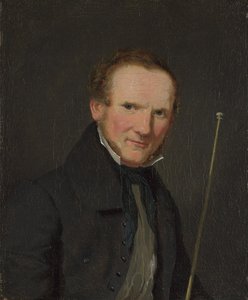
Padre de la Pintura Danesa
1783 - 1853 , Dinamarca
Datos clave
- Artistas Influyentes:
- Nikolaj Abildgaard
- Jacques-Louis David
- Fecha De Fallecimiento: 22 de julio de 1853
- Fecha De Nacimiento: 2 de enero de 1783
- Influenciado A Artistas:
- Christen Købke
- Wilhelm Marstrand
- Martinus Rørbye
- Lugar De Nacimiento: Kolding, Dinamarca
- Movimiento Artístico: Neoclasicismo
- Nacionalidad: Danés
- Nombre Completo: Christoffer Wilhelm Eckersberg
- Obras Notables:
- El Asow en Elsinore
- Retrato de Anna Maria Magnani
Artículos relacionados

Paisajes Románticos: 10 Obras Maestras que Definieron un Movimiento Artístico
Descubre los 10 paisajes románticos más influyentes de artistas como Caspar David Friedrich y Turner. Explora la belleza, el simbolismo y las técnicas del movimiento romántico. Reproducciones de arte exclusivas en ArtsDot.com.

Evocations of Place: A Historical Journey Through Landscape Art
Explore the rich history of landscape art with ArtsDot. Discover renowned artists, movements like Impressionism & Romanticism, and expert guidance for collecting timeless pieces. Find your perfect serene escape today!

John Constable: Las 25 Obras Maestras del Paisaje Inglés | ArtsDot
Descubre las 25 obras maestras de John Constable, el pintor romántico inglés que capturó la belleza del paisaje. Explora su técnica, historia y significado en ArtsDot.com. Reproducciones de arte de alta calidad para tu hogar.

Evocations of Place: A Historical Journey Through Landscape Art
Explore the rich history of landscape art with ArtsDot. Discover renowned artists, movements like Impressionism & tonalism, and expert guidance for collecting timeless pieces. Find your perfect serene escape today!

Evoking Atmosphere & Identity: A Journey Through Landscape Painting's History
Explore the rich history of landscape painting! Discover renowned artists, movements like Romanticism, & techniques such as atmospheric perspective. Find inspiration and quality reproductions at ArtsDot.