

 Ver en contexto
 Enviar
 Compartir
 Detalles

 Descargar
 Similares
 Radiografía
 Presentación de diapositivas
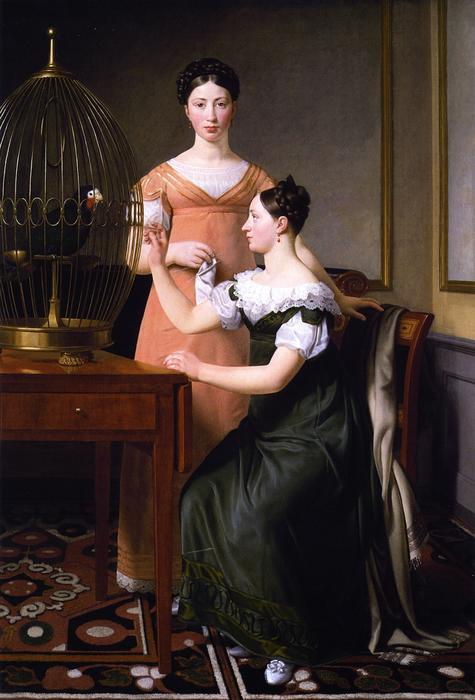
Mendel Levin Nathanson's Elder Daughters, Bella and Hanna


 Ver más
Reproducción al óleo hecha a mano
Óleo sobre lienzo pintado a mano en el tamaño y marco de su elección, realizado por encargo por nuestros artistas. ( Comprar impresión Comprar imagen)




P118B $10

P118H $10

P118W $10

P438Z $10

P508JH $12

P508YH $12

P805H $10

P805Z $10

P919BZ $10

P919G $10

P919XJ $10

P959ZH $10

P968JZ $12

W106C $8

W218G $10

W218JH $8

W218Y $10

W307PJ $10

W316G $10

W316PJ $8

W316Y $10

W398PJ $8

W4111J $10

W500HY $15

W500JH $15

W692G $12

W849H $8

W940BG $15

W953PJ $8




Elija entre nuestros tamaños predefinidos que respetan las proporciones originales de la obra.

Puede ingresar sus propias dimensiones para adaptarse a un marco o espacio específico. Si el tamaño seleccionado no coincide con las proporciones de la imagen original, recortaremos la obra o extenderemos la pintura con elementos adicionales pintados a mano. Se le enviará una maqueta digital para su aprobación antes de comenzar la producción.
Tenga en cuenta que la vista previa en pantalla no refleja el recorte o la extensión reales. Solo la maqueta mostrará con precisión la composición final.
Si bien existen tamaños personalizados, recomendamos seleccionar una dimensión de la lista predefinida para preservar las proporciones originales.
Tras realizar el pedido, el equipo de ArtsDot.com enviará un correo electrónico al cliente para solicitar instrucciones y proporcionarle una vista previa del boceto.
Envío a todo el mundo () en 3-4 semanas en lugar de las 5 semanas estándar. (23 agosto). Sin comprometer la calidad.

Envío exprés gratuito a todo el mundo

Lienzo de lino de alta calidad

Seguro de envío total

Garantía de reembolso de impuestos aduaneros

Garantía de fidelidad cromática exacta

Política de devolución de 60 días (solo por defectos)

Garantía de devolución del 100% del dinero

Descuento por cantidad
 La opción de vidrio solo está disponible en tamaños inferiores a 110 cm.

Mendel Levin Nathanson's Elder Daughters, Bella and Hanna
Técnica de reproducción
Dimensiones de la reproducción
-


Precio total final
$ 263
Descripción de la obra
A Glimpse into Danish Aristocracy: Eckersberg’s “Mendel Levin Nathanson’s Elder Daughters”
Christoffer Wilhelm Eckersberg's 1820 painting, "Mendel Levin Nathanson’s Elder Daughters, Bella and Hanna," offers a remarkably intimate portrait of two young women from Copenhagen’s affluent merchant class. More than just a likeness, the work is a carefully constructed tableau, brimming with subtle symbolism and reflecting the social dynamics of early 19th-century Denmark. Eckersberg, considered the “Father of Danish Painting,” masterfully employed his signature style – characterized by luminous light, delicate brushwork, and an acute awareness of atmospheric perspective – to capture not just their physical appearance but also a sense of poised elegance and quiet contemplation.
The scene unfolds within a modestly furnished room, its muted palette dominated by soft greens, pinks, and creams. The girls are seated at a simple dining table, bathed in the diffused light filtering through an unseen window. Eckersberg’s meticulous attention to detail is immediately apparent; from the intricate folds of their dresses to the delicate arrangement of flowers on the table, every element contributes to a sense of realism and quiet sophistication. The choice of colors—particularly the blush tones of Bella's gown—evokes a feeling of youthful innocence and refinement, while Hanna’s green dress subtly suggests a connection to nature, perhaps hinting at aspirations beyond the confines of their domestic life.
Eckersberg’s Neoclassical Approach and the Influence of Rome
Eckersberg's artistic journey profoundly shaped this painting. Following his extended sojourn in Rome between 1813 and 1816, he embraced the principles of neoclassical art – a movement that emphasized clarity, order, and a return to classical ideals. This influence is evident in the balanced composition, the idealized portrayal of the figures, and the careful rendering of light and shadow. His time amongst fellow artists like Bertel Thorvaldsen further honed his skills, particularly in capturing the human form with remarkable accuracy and sensitivity. The painting’s overall effect is one of restrained elegance, a hallmark of Eckersberg's mature style.
The composition itself is deliberately controlled. Both girls face the viewer directly, engaging them with their gaze – a technique that was considered particularly important in portraiture during this period. Their postures are formal yet relaxed, conveying an air of self-possession and quiet dignity. The inclusion of the birdcage, a prominent feature in the background, is laden with symbolic weight. Birds, especially parrots, were often associated with intelligence, beauty, and even good breeding – qualities highly valued within Danish society at the time. The cage itself subtly suggests a contained existence, hinting at the constraints placed upon women of their social standing.
Symbolism and Social Commentary
Beyond its aesthetic merits, “Mendel Levin Nathanson’s Elder Daughters” offers a subtle commentary on the social realities of 19th-century Denmark. The painting reflects the burgeoning prosperity of the merchant class – exemplified by Nathanson's wealth and patronage – but also hints at the limited opportunities available to women within that sphere. The girls’ elegant attire and refined demeanor suggest a life of privilege, yet their confinement within the domestic setting underscores the societal expectations placed upon them.
Eckersberg’s masterful use of light further enhances the painting's emotional impact. The soft, diffused illumination creates a sense of intimacy and warmth, drawing the viewer into the scene. The subtle gradations of tone contribute to a feeling of depth and realism, while also conveying a sense of melancholy – perhaps reflecting the quiet longing for freedom and fulfillment that may have characterized the lives of women like Bella and Hanna. This painting is not merely a portrait; it’s a poignant glimpse into a specific moment in time, offering a window onto the social and cultural landscape of Denmark during its Golden Age.
A Timeless Masterpiece – Reproduction Possibilities
Eckersberg's "Mendel Levin Nathanson’s Elder Daughters" remains a captivating work of art, appreciated for its technical brilliance, evocative atmosphere, and subtle social commentary. High-quality reproductions capture the painting’s luminous quality and intricate details, making it an ideal choice for interior design projects seeking to evoke a sense of refined elegance and historical charm. Whether adorning a formal salon or a sophisticated study, this iconic image continues to resonate with viewers today, offering a timeless reflection on beauty, social status, and the complexities of human experience.
Obras relacionadas
Biografía del artista
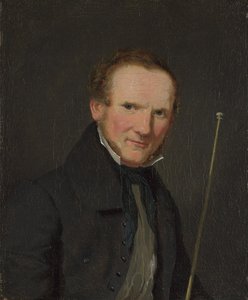
Christoffer Wilhelm Eckersberg: El Padre de la Pintura Danesa
- Nacido: Kolding, Dinamarca (1783)
- Fallecido: 1853
Primeros Años y Formación
- Eckersberg nació en Blåkrog, Schleswig (ahora parte del municipio de Aabenraa), hijo de un carpintero y pintor.
- Sus primeros años los pasó en Blans cerca de Alssund, donde desarrolló una apreciación por el campo circundante a través del dibujo y la navegación.
- La formación formal comenzó bajo Jes Jessen en Aabenraa (1797–1800) seguida por Josiah Jacob Jessen en Flensburg.
- En 1803, llegó a Copenhague y fue aceptado en la Real Academia de Arte Danesa, estudiando con Nikolaj Abraham Abildgaard.
- Los primeros trabajos incluyeron pinturas históricas, retratos y paisajes, aunque la fricción con Abildgaard inicialmente obstaculizó su progreso.
Desarrollo e Influencias
- El desarrollo artístico de Eckersberg fue moldeado significativamente por los viajes y el estudio en el extranjero.
- Un período crucial involucró estudiar bajo Jacques-Louis David en París (1811–1812), donde abrazó los principios neoclásicos de observación, claridad y forma.
- Su tiempo en Roma (1813–1816) demostró ser formativo, fomentando una profunda apreciación por la luz y el paisaje italianos, y una estrecha amistad con Bertel Thorvaldsen.
- Thorvaldsen sirvió como mentor y amigo, influyendo en la visión artística de Eckersberg y brindando valiosos consejos.
- El divorcio de su primera esposa, Christine Rebekka Hyssing, durante su estancia en el extranjero fue un evento personal difícil que impactó su vida.
Logros Principales y Estilo Artístico
- Al regresar a Dinamarca, Eckersberg se convirtió en profesor en la Real Academia de Arte Danesa en 1818, impactando profundamente a generaciones de artistas daneses.
- Reformó el plan de estudios de la academia, enfatizando el dibujo desde la vida y la pintura al aire libre (plein air) – un enfoque revolucionario para la época.
- Su estilo artístico se caracteriza por el realismo, el detalle meticuloso y un enfoque en capturar la luz y la atmósfera.
- Obras notables incluyen retratos de la familia real danesa, escenas marítimas como El Buque de Línea Ruso “Asow” y una Fragata Anclada en las Aguas del Elsinor (1828), y representaciones de la vida cotidiana en Copenhague.
- Pintó más de 500 obras a lo largo de su carrera, mostrando su versatilidad y dedicación a la observación.
Significado Histórico
- Eckersberg es ampliamente considerado como el "Padre de la Pintura Danesa" debido a su papel fundamental en el establecimiento de una identidad artística danesa distintiva durante la Edad de Oro.
- Su énfasis en el realismo y la observación directa influyó en una generación de artistas, incluyendo Christen Købke, Wilhelm Marstrand y Martinus Rørbye.
- Desvió el enfoque del arte danés de la grandiosidad histórica hacia representaciones de la vida contemporánea y los paisajes.
- El legado de Eckersberg reside no solo en sus propios logros artísticos sino también en su impacto transformador en el desarrollo de la pintura danesa como un todo, sentando las bases para su posterior florecimiento.
Padre de la Pintura Danesa
1783 - 1853 , Dinamarca
Datos clave
- Artistas Influyentes:
- Nikolaj Abildgaard
- Jacques-Louis David
- Fecha De Fallecimiento: 22 de julio de 1853
- Fecha De Nacimiento: 2 de enero de 1783
- Influenciado A Artistas:
- Christen Købke
- Wilhelm Marstrand
- Martinus Rørbye
- Lugar De Nacimiento: Kolding, Dinamarca
- Movimiento Artístico: Neoclasicismo
- Nacionalidad: Danés
- Nombre Completo: Christoffer Wilhelm Eckersberg
- Obras Notables:
- El Asow en Elsinore
- Retrato de Anna Maria Magnani
Artículos relacionados
The Enduring Legacy of Family Portraiture: A Historical & Artistic Exploration
Explore the rich history of family portraiture with ArtsDot. Discover artistic styles, symbolism & collecting insights. Commission a custom oil painting or appraise your existing artwork today!

Evolución de los Retratos: El Arte Personalizado como Crónica de la Vida Familiar a Través de las Generaciones
Descubre la evolución del retrato familiar y cómo convertir tus recuerdos en obras de arte atemporales. Pinturas al óleo personalizadas por artistas expertos. ¡Preserva tu legado con ArtsDot!
Ecos de la Ancestralidad: Retratos Familiares a Través de la Historia
Descubra la historia y el simbolismo del retrato familiar a través de los siglos. En , revive tu legado con reproducciones y comisiones personalizadas.
The Enduring Legacy of Formal Portraiture: Power, Identity & Artistic Exploration
Explore the rich history of formal portraiture & its enduring power to capture identity and shape perception. Discover investment-worthy artworks, expert appraisals, and custom reproduction services at ArtsDot.
De Instantánea a Legado: Reinterpretando Retratos Familiares a Través de las Técnicas de los Maestros Antiguos
Transforme sus fotos familiares en obras de arte atemporales con ArtsDot.com. Retratos personalizados pintados a mano por artistas expertos, utilizando técnicas ancestrales y materiales de calidad museo. ¡Legado familiar garantizado!

