 Ver en contexto
 Enviar
 Compartir
 Detalles

 Descargar
 Similares
 Radiografía
 Presentación de diapositivas
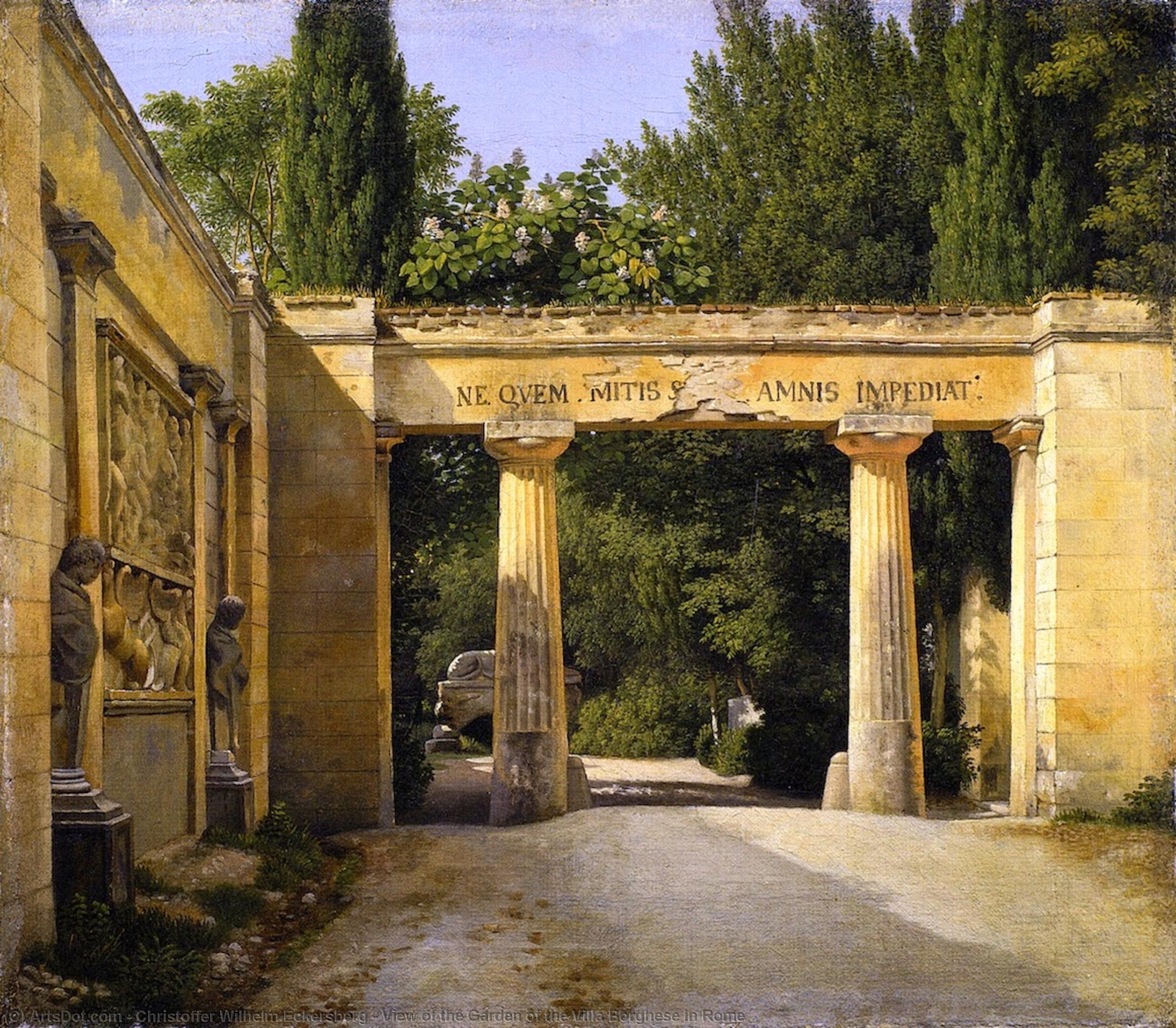
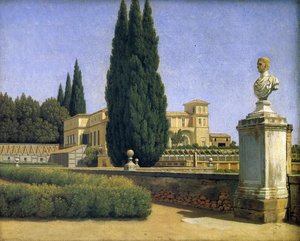
View of the Garden of the Villa Borghese in Rome


 Ver más
Giclée / Impresión de arte
Impresiones giclée o en lienzo de calidad de museo con producción rápida y opciones de acabado flexibles. ( Comprar pintura hecha a mano Comprar imagen)




P118B $10

P118H $10

P118W $10

P438Z $10

P508JH $12

P508YH $12

P805H $10

P805Z $10

P919BZ $10

P919G $10

P919XJ $10

P959ZH $10

P968JZ $12

W106C $8

W218G $10

W218JH $8

W218Y $10

W307PJ $10

W316G $10

W316PJ $8

W316Y $10

W398PJ $8

W4111J $10

W500HY $15

W500JH $15

W692G $12

W849H $8

W940BG $15

W953PJ $8




Elija entre nuestros tamaños predefinidos que respetan las proporciones originales de la obra.

Puede introducir sus propias dimensiones para adaptarse a un marco o espacio específico. Si el tamaño seleccionado no coincide con las proporciones de la imagen original, recortaremos la obra de arte o extenderemos la imagen con un borde con efecto espejo o de color sólido. Se enviará una maqueta digital para su aprobación antes de que comience la producción.
Tenga en cuenta que la vista previa en pantalla no refleja el recorte o la extensión real. Solo la maqueta mostrará con precisión la composición final.
Aunque existen tamaños personalizados, recomendamos seleccionar una dimensión de la lista predefinida para preservar las proporciones originales.
Envío a todo el mundo () en 2 semanas en lugar de las 4/5 semanas estándar. (6 septiembre)

Envío exprés gratuito a todo el mundo

Lienzo de lino de alta calidad

Seguro de envío total

Garantía de reembolso de impuestos aduaneros

Garantía de fidelidad cromática exacta

Política de devolución de 100 días (solo por defectos)

Garantía de devolución del 100% del dinero

Descuento por cantidad
 La opción de vidrio solo está disponible en tamaños inferiores a 110 cm.

View of the Garden of the Villa Borghese in Rome
Giclée / Impresión de arte
Dimensiones de la reproducción
-


Precio total final
$ 62
A Window Into Roman Grandeur: Eckersberg’s Villa Borghese Landscape
The View of the Garden of the Villa Borghese in Rome is more than just a painting; it's a meticulously crafted distillation of Baroque splendor, capturing a pivotal moment in artistic history and offering an enduring glimpse into the idealized vision of 18th-century Roman life. Created by Christoffer Wilhelm Eckersberg in 1814, this monumental canvas resides within the Statens Museum for Kunst in Copenhagen, Denmark—a testament to its significance as a cornerstone of Danish art heritage.- Subject Matter: Eckersberg’s gaze rests upon the Villa Borghese gardens – a sprawling expanse designed by Francesco Bartolomeo Rastrelli and embodying the grandeur of imperial Rome. The artist skillfully portrays the formal Italian garden, replete with sculpted hedges, fountains, and meticulously arranged flowerbeds, reflecting the aristocratic tastes of the era.
- Style: Embracing Neoclassical principles tempered with Romantic sensibilities, Eckersberg’s style prioritizes clarity and precision while simultaneously conveying a palpable sense of atmosphere. The composition adheres to classical ideals of balance and harmony—a deliberate contrast to the exuberant ornamentation characteristic of earlier Baroque art.
Technique & Composition: Mastering Light and Perspective
Eckersberg’s mastery is evident in his masterful manipulation of light and perspective, techniques honed through extensive observation and rigorous artistic training. He employs a pyramidal composition—a hallmark of Neoclassical painting—to draw the viewer's eye upwards towards the central archway, emphasizing its monumental scale and architectural grandeur. The artist utilizes chiaroscuro – dramatic contrasts between light and shadow – to sculpt the forms of the hedges and fountains, creating an illusion of depth that transports the observer into the garden’s serene environment. Careful attention is paid to detail—from the textures of the stone columns to the subtle gradations of color—demonstrating Eckersberg's unwavering commitment to realism.- Historical Context: Painted during Denmark’s Golden Age, Eckersberg’s Villa Borghese exemplifies the artistic fervor that gripped Europe following the Enlightenment. The painting reflects a fascination with classical ideals of beauty and order—a reaction against the excesses of Mannerism—and celebrates the revitalized interest in landscape painting as a genre.
- Symbolism: Beyond its aesthetic appeal, the garden itself carries symbolic weight. Representing paradise regained – a concept central to Christian theology – it embodies notions of tranquility, contemplation, and harmonious coexistence with nature. The archway serves as a visual metaphor for aspiration—a gateway to elevated thought and artistic excellence.
Emotional Impact & Legacy
The painting’s enduring power lies in its ability to evoke feelings of serenity and admiration for the beauty of the natural world. Eckersberg succeeds in capturing not merely what he sees but also what he feels—a profound appreciation for the grandeur of Roman architecture and the elegance of aristocratic leisure. Villa Borghese, as depicted by Eckersberg, continues to inspire artists and designers alike, serving as a timeless exemplar of Neoclassical landscape painting and cementing Eckersberg’s place among Denmark's artistic luminaries. Its influence can be seen in subsequent generations of painters who sought to emulate his masterful use of light and composition.For those seeking a stunning reproduction of this iconic artwork, ArtsDot offers exceptional quality prints that faithfully capture the essence of Eckersberg’s vision—allowing you to bring the beauty of Villa Borghese into your home.
Obras relacionadas

Biografía del artista
Christoffer Wilhelm Eckersberg: El Padre de la Pintura Danesa
- Nacido: Kolding, Dinamarca (1783)
- Fallecido: 1853
Primeros Años y Formación
- Eckersberg nació en Blåkrog, Schleswig (ahora parte del municipio de Aabenraa), hijo de un carpintero y pintor.
- Sus primeros años los pasó en Blans cerca de Alssund, donde desarrolló una apreciación por el campo circundante a través del dibujo y la navegación.
- La formación formal comenzó bajo Jes Jessen en Aabenraa (1797–1800) seguida por Josiah Jacob Jessen en Flensburg.
- En 1803, llegó a Copenhague y fue aceptado en la Real Academia de Arte Danesa, estudiando con Nikolaj Abraham Abildgaard.
- Los primeros trabajos incluyeron pinturas históricas, retratos y paisajes, aunque la fricción con Abildgaard inicialmente obstaculizó su progreso.
Desarrollo e Influencias
- El desarrollo artístico de Eckersberg fue moldeado significativamente por los viajes y el estudio en el extranjero.
- Un período crucial involucró estudiar bajo Jacques-Louis David en París (1811–1812), donde abrazó los principios neoclásicos de observación, claridad y forma.
- Su tiempo en Roma (1813–1816) demostró ser formativo, fomentando una profunda apreciación por la luz y el paisaje italianos, y una estrecha amistad con Bertel Thorvaldsen.
- Thorvaldsen sirvió como mentor y amigo, influyendo en la visión artística de Eckersberg y brindando valiosos consejos.
- El divorcio de su primera esposa, Christine Rebekka Hyssing, durante su estancia en el extranjero fue un evento personal difícil que impactó su vida.
Logros Principales y Estilo Artístico
- Al regresar a Dinamarca, Eckersberg se convirtió en profesor en la Real Academia de Arte Danesa en 1818, impactando profundamente a generaciones de artistas daneses.
- Reformó el plan de estudios de la academia, enfatizando el dibujo desde la vida y la pintura al aire libre (plein air) – un enfoque revolucionario para la época.
- Su estilo artístico se caracteriza por el realismo, el detalle meticuloso y un enfoque en capturar la luz y la atmósfera.
- Obras notables incluyen retratos de la familia real danesa, escenas marítimas como El Buque de Línea Ruso “Asow” y una Fragata Anclada en las Aguas del Elsinor (1828), y representaciones de la vida cotidiana en Copenhague.
- Pintó más de 500 obras a lo largo de su carrera, mostrando su versatilidad y dedicación a la observación.
Significado Histórico
- Eckersberg es ampliamente considerado como el "Padre de la Pintura Danesa" debido a su papel fundamental en el establecimiento de una identidad artística danesa distintiva durante la Edad de Oro.
- Su énfasis en el realismo y la observación directa influyó en una generación de artistas, incluyendo Christen Købke, Wilhelm Marstrand y Martinus Rørbye.
- Desvió el enfoque del arte danés de la grandiosidad histórica hacia representaciones de la vida contemporánea y los paisajes.
- El legado de Eckersberg reside no solo en sus propios logros artísticos sino también en su impacto transformador en el desarrollo de la pintura danesa como un todo, sentando las bases para su posterior florecimiento.
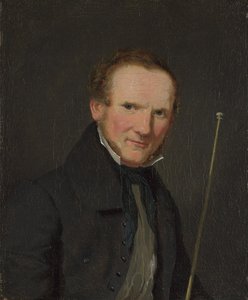
Padre de la Pintura Danesa
1783 - 1853 , Dinamarca
Datos clave
- Artistas Influyentes:
- Nikolaj Abildgaard
- Jacques-Louis David
- Fecha De Fallecimiento: 22 de julio de 1853
- Fecha De Nacimiento: 2 de enero de 1783
- Influenciado A Artistas:
- Christen Købke
- Wilhelm Marstrand
- Martinus Rørbye
- Lugar De Nacimiento: Kolding, Dinamarca
- Movimiento Artístico: Neoclasicismo
- Nacionalidad: Danés
- Nombre Completo: Christoffer Wilhelm Eckersberg
- Obras Notables:
- El Asow en Elsinore
- Retrato de Anna Maria Magnani
Artículos relacionados
Cultivating Paradise: A Historical & Artistic Exploration of Gardens in Painting
Explore the rich history of gardens in painting! Discover masterpieces from Renaissance to Impressionism & beyond. Learn about symbolism, artists like Monet & Klimt, and find your perfect artwork at ArtsDot.

Evocations of Place: A Historical Journey Through Landscape Art
Explore the rich history of landscape art with ArtsDot. Discover renowned artists, movements like Impressionism & Romanticism, and expert guidance for collecting timeless pieces. Find your perfect serene escape today!

Paisajes Románticos: 10 Obras Maestras que Definieron un Movimiento Artístico
Descubre los 10 paisajes románticos más influyentes de artistas como Caspar David Friedrich y Turner. Explora la belleza, el simbolismo y las técnicas del movimiento romántico. Reproducciones de arte exclusivas en ArtsDot.com.

John Constable: Las 25 Obras Maestras del Paisaje Inglés | ArtsDot
Descubre las 25 obras maestras de John Constable, el pintor romántico inglés que capturó la belleza del paisaje. Explora su técnica, historia y significado en ArtsDot.com. Reproducciones de arte de alta calidad para tu hogar.
Claude Lorrain: Master of Light & Landscape in the Golden Age
Explore the luminous landscapes of Claude Lorrain, a Baroque master renowned for his masterful use of light & atmosphere. Discover his life, techniques, key works & enduring influence on art history.