

 Ver en contexto
 Enviar
 Compartir
 Detalles

 Descargar
 Similares
 Radiografía
 Presentación de diapositivas
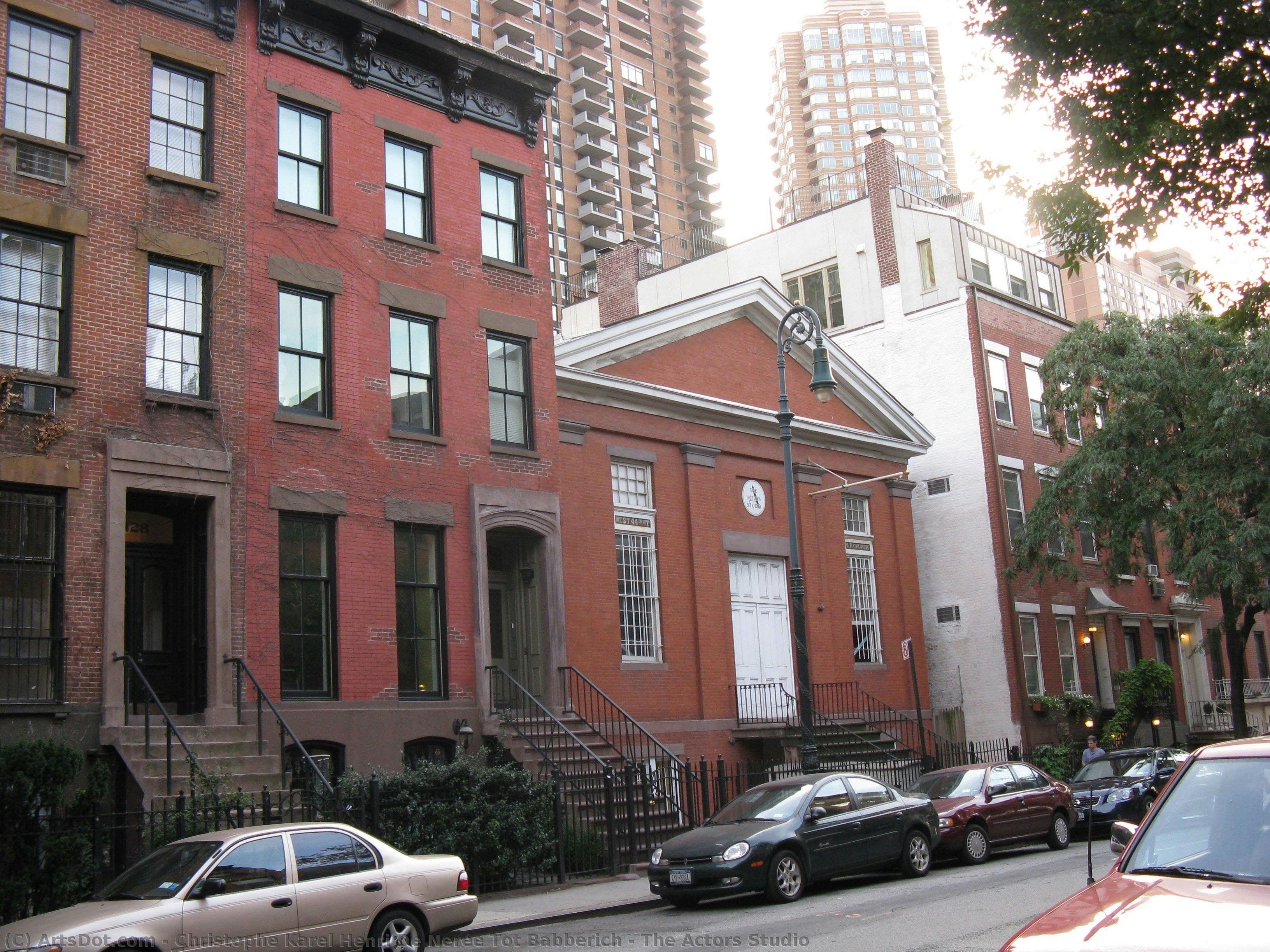
The Actors Studio


 Ver más
Reproducción al óleo hecha a mano
Óleo sobre lienzo pintado a mano en el tamaño y marco de su elección, realizado por encargo por nuestros artistas. ( Comprar impresión Comprar imagen)




































Elija entre nuestros tamaños predefinidos que respetan las proporciones originales de la obra.

Puede ingresar sus propias dimensiones para adaptarse a un marco o espacio específico. Si el tamaño seleccionado no coincide con las proporciones de la imagen original, recortaremos la obra o extenderemos la pintura con elementos adicionales pintados a mano. Se le enviará una maqueta digital para su aprobación antes de comenzar la producción.
Tenga en cuenta que la vista previa en pantalla no refleja el recorte o la extensión reales. Solo la maqueta mostrará con precisión la composición final.
Si bien existen tamaños personalizados, recomendamos seleccionar una dimensión de la lista predefinida para preservar las proporciones originales.
Tras realizar el pedido, el equipo de ArtsDot.com enviará un correo electrónico al cliente para solicitar instrucciones y proporcionarle una vista previa del boceto.
Envío a todo el mundo () en 3-4 semanas en lugar de las 5 semanas estándar. (30 agosto). Sin comprometer la calidad.

Envío exprés gratuito a todo el mundo

Lienzo de lino de alta calidad

Seguro de envío total

Garantía de reembolso de impuestos aduaneros

Garantía de fidelidad cromática exacta

Política de devolución de 60 días (solo por defectos)

Garantía de devolución del 100% del dinero

Descuento por cantidad
 La opción de vidrio solo está disponible en tamaños inferiores a 110 cm.

The Actors Studio
Técnica de reproducción
Dimensiones de la reproducción
-


Precio total final
$ 263
Obras relacionadas








Biografía del artista
Early Life and Artistic Influences
Christophe Karel Henri de Nerée tot Babberich (18 March 1880 – 19 October 1909) emerged from Zevenaar, Netherlands, as the son of Frederick de Nerée tot Babberich, a prominent figure in Dutch society and art. Growing up on Huize Babberich instilled within him an early appreciation for aesthetics and literature—a foundation that would profoundly shape his artistic trajectory. From a young age, he demonstrated a fascination with symbolism and decadent art movements, notably influenced by Aubrey Beardsley’s distinctive style and Jan Toorop's expressive approach. This influence is palpable in his formative drawings and writings, reflecting the intellectual currents of his time.Literary Writings and Symbolist Inspiration
De Nerée’s literary pursuits mirrored his artistic sensibilities. He was deeply immersed in the works of Baudelaire, Verlaine, and D’Annunzio—authors who championed themes of beauty, decay, and psychological complexity—artists like de Feure, Goya, Thorn Prikker, and Toorop. His poems “Witte Nachten” (White Nights) and “Tropenwee” (“Tropical Agony”), penned in 1901 and inspired by Henri van Booven’s biographical account of Louis Couperus, offer a poignant glimpse into his personal experiences and artistic vision. Notably, Van Booven's novel served as inspiration for De Nerée's own exploration of trauma and exotic landscapes—a testament to the interconnectedness of literature and art within the Symbolist movement.Artistic Style and Technique
De Nerée’s artistic style was characterized by a masterful use of gold nuances, mirroring Beardsley’s penchant for opulent color palettes and symbolic imagery. He skillfully employed techniques that conveyed mood and emotion through carefully considered compositions—a hallmark of Toorop's expressive realism. Recurring motifs included femmes fatales and clownesque figures, reflecting the Symbolist preoccupation with duality and psychological exploration. His distinctive style was further honed by his encounter with Beardsley’s artwork, cementing his commitment to a visual language steeped in symbolism and decadent aesthetics. He is one of the few ‘decadent’ Dutch representatives of the European symbolist movement.The Congo Experience and Artistic Development
A pivotal moment in De Nerée's life occurred in 1901 when he accepted a position at Foreign Affairs in Madrid—a move that coincided with the onset of tuberculosis. This debilitating illness profoundly impacted his artistic endeavors, restricting his ability to draw and paint effectively after 1906-1907. Despite these challenges, De Nerée persevered, developing a more mature style marked by bolder colors and modernist compositions. His exploration of exotic landscapes—particularly his harrowing journey to the Belgian Congo documented in “Tropenwee”—fueled his artistic imagination and deepened his understanding of human psychology.Legacy and Recognition
Christophe Karel Henri de Nerée tot Babberich’s oeuvre remains relatively obscure, yet it holds a significant place within European Symbolism—a movement that sought to transcend realism in favor of exploring the subconscious mind and conveying emotional intensity. His work was exhibited sporadically throughout his lifetime, garnering recognition from collectors and fellow artists alike. Today, De Nerée's drawings are appreciated for their evocative symbolism and masterful execution—a testament to his enduring contribution to the artistic landscape of the early twentieth century. He died young in Todtmoos on October 19, 1909, leaving behind a legacy as one of the most distinctive voices of Symbolist art.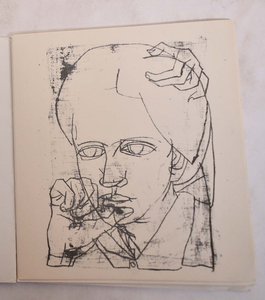
Karel de Nerée tot Babberich
1880 - 1909 , Países Bajos
Datos clave
- Artistic Movement Or Style: Symbolism
- Artists Or Movements Influenced By This Artist:
- Charles Baudelaire
- Paul Verlaine
- Artists Who Influenced This Artist:
- Aubrey Beardsley
- Jan Toorop
- Date Of Birth: 18 March 1880
- Date Of Death: 19 October 1909
- Full Name: Karel de Nerée tot Babberich
- Nationality: Dutch
- Notable Artworks: ['The Actors Studio']
- Place Of Birth: Zevenaar, Netherlands

