 Ver en contexto
 Enviar
 Compartir
 Detalles

 Descargar
 Similares
 Radiografía
 Presentación de diapositivas
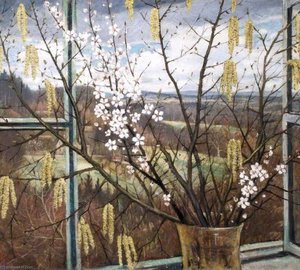
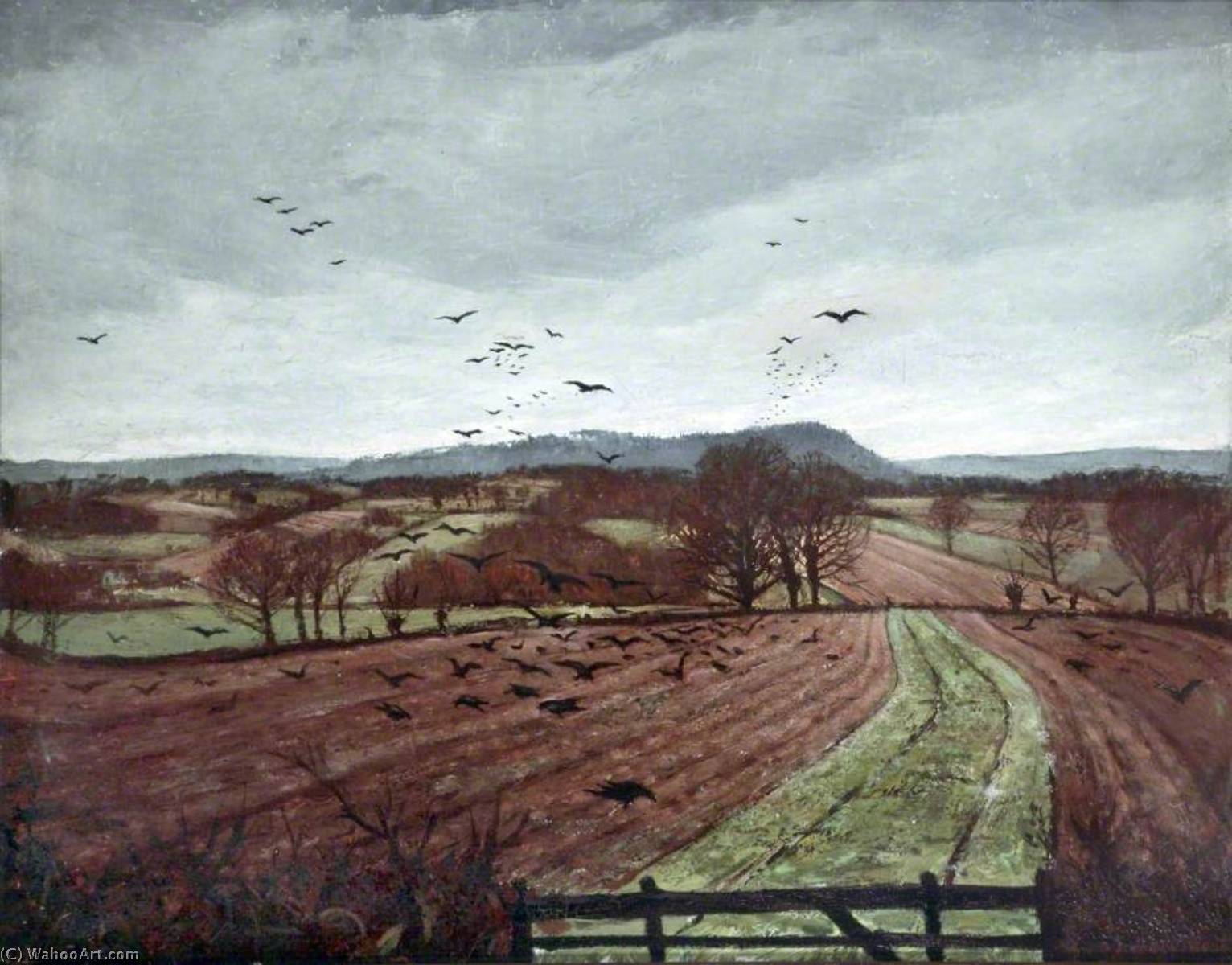
A Winter Landscape
 Acrylic On Canvas
- WallArt
- Impressionistic Landscape
 1926
1926 61.0 x 76.0 cm
 Galería de Arte Walker
 Ver más
Giclée / Impresión de arte
Impresiones giclée o en lienzo de calidad de museo con producción rápida y opciones de acabado flexibles. ( Comprar pintura hecha a mano Comprar imagen)




P118B $10

P118H $10

P118W $10

P438Z $10

P508JH $12

P508YH $12

P805H $10

P805Z $10

P919BZ $10

P919G $10

P919XJ $10

P959ZH $10

P968JZ $12

W106C $8

W218G $10

W218JH $8

W218Y $10

W307PJ $10

W316G $10

W316PJ $8

W316Y $10

W398PJ $8

W4111J $10

W500HY $15

W500JH $15

W692G $12

W849H $8

W940BG $15

W953PJ $8




Elija entre nuestros tamaños predefinidos que respetan las proporciones originales de la obra.

Puede introducir sus propias dimensiones para adaptarse a un marco o espacio específico. Si el tamaño seleccionado no coincide con las proporciones de la imagen original, recortaremos la obra de arte o extenderemos la imagen con un borde con efecto espejo o de color sólido. Se enviará una maqueta digital para su aprobación antes de que comience la producción.
Tenga en cuenta que la vista previa en pantalla no refleja el recorte o la extensión real. Solo la maqueta mostrará con precisión la composición final.
Aunque existen tamaños personalizados, recomendamos seleccionar una dimensión de la lista predefinida para preservar las proporciones originales.
Envío a todo el mundo () en 2 semanas en lugar de las 4/5 semanas estándar. (31 agosto)

Envío exprés gratuito a todo el mundo

Lienzo de lino de alta calidad

Seguro de envío total

Garantía de reembolso de impuestos aduaneros

Garantía de fidelidad cromática exacta

Política de devolución de 60 días (solo por defectos)

Garantía de devolución del 100% del dinero

Descuento por cantidad
 La opción de vidrio solo está disponible en tamaños inferiores a 110 cm.

A Winter Landscape
Giclée / Impresión de arte
Dimensiones de la reproducción
-


Precio total final
$ 62
A Winter Landscape by Christopher Richard Wynne Nevinson
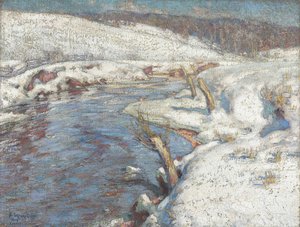
“A Winter Landscape,” painted in 1926 by Christopher Richard Wynne Nevinson, stands as a poignant testament to the anxieties and aspirations of its era – the turbulent years following World War I. More than just a depiction of a snowy hillside, this artwork embodies a broader exploration of human resilience amidst hardship and seeks to capture the quiet beauty found within moments of solitude.
Nevinson’s stylistic approach leans heavily into Impressionism, albeit infused with a distinctly expressive brushwork that transcends mere replication. He eschewed meticulous realism in favor of capturing the atmosphere—the biting chill of winter—through loose, gestural strokes applied to canvas using oil paints. The artist prioritized conveying emotion over precise detail, prioritizing texture and color harmony to evoke a feeling of contemplative melancholy.
- Composition: The painting’s central focus is a dirt road winding through the landscape, drawing the viewer's eye upwards towards distant hills and trees. This diagonal line creates dynamism within the stillness of the winter scene.
- Color Palette: Dominated by muted shades of gray, white, and brown—the colors of snow and frozen earth—the palette is deliberately restrained. However, subtle hints of green emerge from the foliage of scattered trees, symbolizing enduring life and offering a glimmer of hope against the prevailing bleakness.
- Technique: Nevinson’s technique involved layering thin glazes of color over textured underpainting, resulting in a luminous surface that captures the diffused light characteristic of winter days. The visible brushstrokes contribute to the painting's expressive quality, conveying a sense of immediacy and spontaneity.
The historical context surrounding “A Winter Landscape” is inextricably linked to the disillusionment felt by many artists and intellectuals after the horrors of the Great War. Nevinson’s work reflects this mood of introspection and questioning—a desire to find beauty and meaning in a world scarred by conflict. The painting's quiet grandeur serves as a counterpoint to the pervasive trauma of the time, inviting contemplation on themes of loss, remembrance, and the enduring spirit of humanity.
Beyond its aesthetic merits, “A Winter Landscape” possesses symbolic resonance. The barren trees represent vulnerability and mortality, yet their upward reach signifies aspiration and resilience. Similarly, the flock of birds traversing the sky symbolizes freedom and movement—a yearning for escape from confinement and despair. Taken together, these elements coalesce into a powerful meditation on the human condition.
Ultimately, Nevinson’s masterpiece transcends its time period, resonating with viewers today who appreciate its masterful execution and profound emotional depth. It remains an enduring symbol of beauty found amidst adversity—a reminder that even in the darkest winters, glimpses of light and hope persist.
Obras relacionadas
Biografía del artista
Vida Temprana y Educación
- Nacido: Hampstead, Reino Unido (1889)
- Fallecido: 1946
- Padres: Henry Nevinson (corresponsal de guerra/periodista), Margaret Nevinson (activista del sufragio/escritora)
- Educación: Shrewsbury School, Uppingham School, Slade School of Art
- Estudió bajo la tutela de Henry Tonks en la Slade School of Art junto con Stanley Spencer y Mark Gertler.
- Asistió brevemente a la Académie Julian en París (1912-1913).
Influencias Artísticas y Carrera Temprana
- Las primeras influencias incluyeron a Augustus John.
- Se hizo amigo de Marinetti, líder de los futuristas italianos, y Wyndham Lewis.
- Estuvo brevemente involucrado con el Rebel Art Centre y posteriormente fue excluido del movimiento Vorticista de Wyndham Lewis.
- Co-fundó el London Group en 1914.
- Publicó un manifiesto para el Futurismo inglés junto a Marinetti.
- Sus primeras obras mostraron influencias del Neo-Primitivismo, con amistad a Mark Gertler y Dora Carrington.
Primera Guerra Mundial y Artista de Guerra Oficial
- Se unió a la Friends' Ambulance Unit al estallar la Primera Guerra Mundial.
- Sirvió brevemente como conductor de ambulancias antes de que una enfermedad lo obligara a regresar a Gran Bretaña.
- Se ofreció voluntario con el Royal Army Medical Corps.
- Creó pinturas poderosas que representaban las realidades de la guerra, utilizando estéticas futuristas y cubistas.
- Obra notable: La Mitrailleuse (considerada una representación significativa de la Primera Guerra Mundial).
- Fue nombrado artista de guerra oficial en 1917.
- Las pinturas posteriores de la guerra se desplazaron hacia un estilo más realista.
Viajes Posteriores a la Guerra y Desarrollo Artístico
- Viajó a los Estados Unidos en 1920, produciendo obras inspiradas en la ciudad de Nueva York.
- Experimentó períodos de depresión y tuvo una personalidad temperamental que condujo a relaciones tensas con sus contemporáneos.
- Escribió la memoria *Paint and Prejudice* (1937), notable por imprecisiones e inconsistencias.
- Su carrera posterior a la guerra fue menos distinguida que su trabajo anterior.
Legado y Significado Histórico
- Reconocido como un artista de guerra británico significativo, particularmente por sus primeras representaciones de la Primera Guerra Mundial.
- Su uso de técnicas futuristas y cubistas para representar los horrores de la guerra moderna fue innovador.
- Contribuyó al desarrollo del arte vanguardista en Gran Bretaña.
- Su obra sigue siendo relevante por su poderosa representación del conflicto y su exploración de la modernidad.
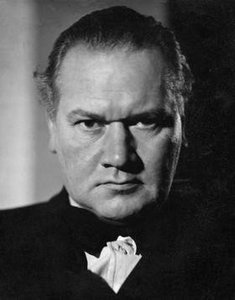
Christopher Richard Wynne Nevinson
1889 - 1946 , Reino Unido
Datos clave
- Artistas Que Influyeron:
- Augustus John
- Marinetti
- Wyndham Lewis
- Fecha De Fallecimiento: 1946-10-07
- Fecha De Nacimiento: 1889-08-13
- Lugar De Nacimiento: Hampstead, Reino Unido
- Movimiento Artístico:
- Futurismo
- Cubismo
- Expresionismo
- Nacionalidad: Británico
- Nombre Completo: Christopher Richard Wynne Nevinson
- Obras Notables:
- Le vieux port
- The Unending Cult...
- Loading Timber at...
- Notre Dame de Paris...
- Summer in the Downs
- The Arrival
- Oxford, on the Cherwell
Artículos relacionados

John Constable: Las 25 Obras Maestras del Paisaje Inglés | ArtsDot
Descubre las 25 obras maestras de John Constable, el pintor romántico inglés que capturó la belleza del paisaje. Explora su técnica, historia y significado en ArtsDot.com. Reproducciones de arte de alta calidad para tu hogar.

Paul Cézanne: Las 25 Obras Maestras que Definieron el Arte Moderno | ArtsDot
Descubre las 25 obras maestras de Paul Cézanne que revolucionaron el arte moderno. Explora su técnica, inspiración y significado en paisajes, bodegones y retratos. Reproducciones de alta calidad para decorar tu hogar con arte inolvidable. ¡Explora la colección completa en ArtsDot.com!
Cultivating Visions: A Historical Journey Through Rural Landscapes in Art
Explore the rich history of rural landscape painting with ArtsDot. Discover Impressionist masterpieces, key artists & movements. Find your perfect serene artwork and bring nature's beauty home.

Evocations of Place: A Historical Journey Through Landscape Art
Explore the rich history of landscape art with ArtsDot. Discover renowned artists, movements like Impressionism & Romanticism, and expert guidance for collecting timeless pieces. Find your perfect serene escape today!

Evocations of Place: A Historical Journey Through Landscape Art
Explore the rich history of landscape art with ArtsDot. Discover renowned artists, movements like Impressionism & tonalism, and expert guidance for collecting timeless pieces. Find your perfect serene escape today!