

 Ver en contexto
 Enviar
 Compartir
 Detalles

 Descargar
 Similares
 Radiografía
 Presentación de diapositivas
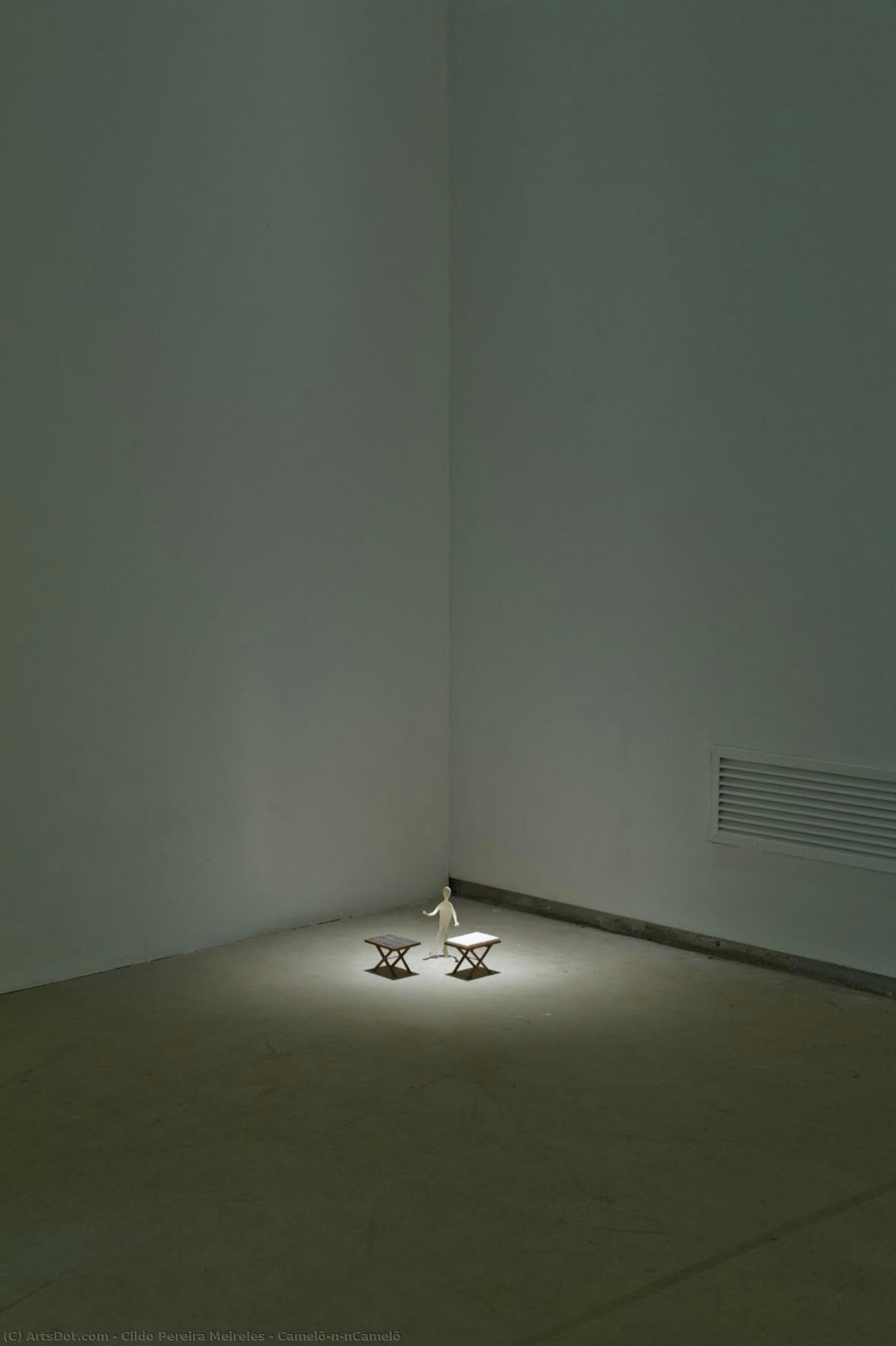
Camelô Camelô
 Acrílico sobre lienzo
- Arte de pared
- Contemporary Realism
 1998
1998 39.0 x 30.0 cm
 Instituto Inhotim
 Ver más
Adquiera una imagen digital de alta resolución y optimizada, muy superior a la vista previa en línea.
Cada archivo es preparado meticulosamente por nuestros especialistas internos mediante el uso de herramientas avanzadas y un experto retoque manual. Nos aseguramos de que cada imagen posea una claridad excepcional, una precisión cromática impecable y un detalle minucioso.
El archivo final se entrega por correo electrónico en un plazo de 72 horas, optimizado para su uso inmediato en entornos profesionales, editoriales y de impresión. Esta es la misma calidad en la que confían los estudios de diseño, las editoriales y las galerías de primer nivel.
Imagen Digital
Descarga un archivo de alta resolución para exhibición personal, impresión y proyectos creativos. ( Comprar impresión Comprar pintura hecha a mano)
Incluido en cada pedido de imágenes digitales
Entrega digital experta, garantizada.
Al elegir ArtsDot.com, no solo está adquiriendo una imagen; está recibiendo una obra de arte digital mejorada profesionalmente, elaborada con precisión y respaldada por una garantía de satisfacción. Esto es todo lo que incluye su pedido, automáticamente:

Entrega rápida por email
Recibirá su archivo de imagen digital en alta resolución por correo electrónico en un plazo de 72 horas tras realizar su pedido, listo para su uso inmediato.

Archivo digital optimizado por IA
Su obra de arte se optimiza profesionalmente mediante herramientas avanzadas de IA y edición manual, garantizando el máximo detalle, claridad y precisión cromática.

Reenvío gratuito de por vida
¿Has borrado o perdido tu archivo por error? No te preocupes: te lo volveremos a enviar en cualquier momento, sin coste adicional.

Sin gastos de importación, siempre
Disfrute de su obra de arte al instante sin aduanas, aranceles ni gastos de envío; las descargas digitales siempre están libres de impuestos.

Garantía de fidelidad de color
Garantizamos que su imagen digital refleje los colores originales con la mayor fidelidad posible, mediante el uso de herramientas profesionales y gestión del color.

Garantía de satisfacción de 100 días
Si no está satisfecho con su imagen digital, la revisaremos o le reembolsaremos el 100% en un plazo de 100 días, sin preguntas.

100% Garantía de devolución de dinero
¿No está satisfecho? Obtenga un reembolso completo dentro de los 100 días posteriores a la recepción de su archivo digital, sin preguntas.

Descuentos por pedidos grandes
Compra 3 imágenes, ahorra 10% - Compra 5, ahorra 15% - Compra 10+, ahorra 20%. Ideal para proyectos creativos, galerías y agencias.
Camelô: A Childhood Memory Embodied in Minimalism
Cildo Pereira Meireles’s “Camelô Camelô” isn't merely a painting; it’s an invitation to revisit the formative landscapes of artistic thought. Created in 1998, this piece transcends stylistic conventions, prioritizing instead a profound engagement with phenomenological experience—a core principle of Meireles’s oeuvre.
The artwork itself is strikingly simple: two figures seated on a wooden bench against an expanse of muted gray. This deliberate austerity isn't accidental; it echoes the artist’s recollections of Rio de Janeiro’s Araújo Porto Alegre Street, where he witnessed countless street vendors—particularly those selling humble objects like safety pins and string puppets—captivating his young imagination.
"Camelô Camelô" speaks to a fascination with the everyday, dissecting the seemingly insignificant yet powerfully evocative details of urban life. Meireles’s meticulous use of string as medium underscores this preoccupation, mirroring the tactile experience of observing these vendors and their wares. The artist's intention was to capture not just what he saw but how it felt—a sensation of wonder at the sheer tenacity of human endeavor.
Technique and Material Considerations
Executed in oil on canvas, “Camelô Camelô” exemplifies Meireles’s commitment to exploring unconventional materials. The muted gray background serves as a counterpoint to the vibrant energy suggested by the string puppet—a symbol of childlike curiosity and imaginative play. This juxtaposition highlights the artist's desire to confront viewers with the beauty found in simplicity.
The subtle tonal variations within the canvas contribute to an overall atmosphere of contemplative stillness. Meireles’s technique prioritizes layering thin washes of paint, allowing for a nuanced depiction of texture and light—elements crucial to conveying the emotional resonance of his childhood memory.
Historical Context and Conceptual Depth
Born in Rio de Janeiro in 1948, Cildo Pereira Meireles emerged as a key figure in Brazilian conceptual art during the early 1990s. Influenced by Pop Art’s repetition and mass production aesthetic, he swiftly moved beyond imitation to forge his own distinctive path—one rooted in questioning societal norms and exploring the relationship between art and perception.
"Camelô Camelô" embodies this intellectual spirit, inviting contemplation on themes of childhood experience, memory, and the transformative power of observation. It’s a testament to Meireles's ability to distill complex ideas into deceptively understated visual forms—a hallmark of his artistic legacy.
Symbolism: The Puppet and Persistence
The inclusion of the string puppet is particularly significant. Representing childlike wonder and imaginative play, it symbolizes Meireles’s desire to recapture the uninhibited joy of childhood—a state characterized by boundless curiosity and an openness to experience. Furthermore, the puppet's movement on the pavement mirrors the artist’s fascination with how seemingly trivial actions can hold profound meaning.
Ultimately, “Camelô Camelô” transcends mere representation; it functions as a conduit for conveying Meireles’s emotional response to his memories—a celebration of simplicity and an acknowledgement of the enduring influence of formative experiences on artistic vision. It stands as a poignant reminder that beauty can be found in the most unassuming corners of our world.
Obras relacionadas





Biografía del artista
Cildo Pereira Meireles: Exploring Resistance Through Sculpture and Conceptual Installations
Cildo Pereira Meireles (born Rio de Janeiro, Brazil, 1948) stands as a pivotal figure in Brazilian conceptual art, recognized for his uncompromising engagement with political themes and his masterful manipulation of materials to provoke profound phenomenological experiences within the viewer. His work continues to resonate powerfully today, embodying the spirit of Brazilian neo-conceptualism—a movement that emerged in the wake of Augusto Cesar Cruz Silva's death in 1973, marking a decisive break from traditional artistic practices.Early Life and Artistic Beginnings
Born into a family steeped in artistic tradition—his father was a sculptor—Meireles’s formative years instilled an early appreciation for visual art. He pursued formal studies at Universidade Estadual Paulista, São Paulo, honing his skills in sculpture and experimenting with diverse mediums before embarking on his groundbreaking conceptual explorations. This initial exposure to sculptural techniques would profoundly shape his subsequent artistic endeavors.- He initially engaged with Pop Art influences, particularly Warhol's silkscreen prints, absorbing the aesthetic principles of repetition and mass production.
- However, Meireles swiftly moved beyond stylistic imitation, prioritizing intellectual rigor and challenging conventional artistic conventions. He sought to transcend mere visual representation, aiming instead for a deeper engagement with viewers’ perceptions and emotions.
Conceptual Installations: Challenging Perception
Meireles’s artistic reputation rests primarily on his monumental installations—large-scale projects designed to disrupt viewers' expectations and stimulate critical reflection. These works frequently utilize unconventional materials like steel mesh, spheres of varying sizes, and even banknotes, transforming them into immersive environments that invite sensory engagement. His approach was deeply influenced by thinkers such as Georges Bataille, Walter Benjamin, and Theodor Adorno—reflecting a preoccupation with concepts of alienation, critique of rationality, and the role of art in confronting social injustices.- A seminal piece is ‘Glove Trotter’ (1991), which employs a complex geometric structure to symbolize global interconnectedness and the dissemination of ideas. The meticulously crafted mesh creates an illusion of movement, mirroring the flow of information across borders.
- ‘Inserções em circuitos ideológicos,’ created in 1976, is equally significant. This project confronts viewers with Brazilian banknotes—a symbol of national identity—arranged in a deliberate pattern that disrupts established visual hierarchies and prompts contemplation on ideological forces shaping society.
Influences and Artistic Philosophy
Meireles’s artistic vision draws inspiration from Walter Benjamin's concept of aura—the intangible quality of presence associated with artworks—and Theodor Adorno’s critique of instrumental rationality. He championed a phenomenological approach—emphasizing subjective experience—believing that art should transcend mere representation to elicit visceral responses from its audience. As he eloquently stated, “I could never restrict myself almost religiously to certain subjects or procedures. Nor could I give up the freedom to experiment with new materials, procedures, or questions.” He cites Orson Welles’ 1938 radio broadcast *The War of the Worlds* as one of the greatest works of art of the 20th century because it “seamlessly dissolved the border between art and life, fiction and reality.”Major Achievements and Recognition
Meireles’s installations have garnered international acclaim, notably showcased at the Instituto Inhotim Art Museum in Minas Gerais, Brazil. His work has been exhibited extensively throughout Europe and North America, cementing his position as one of Brazil's most influential contemporary artists. He received the Ordway Prize in 1999 for his artistic contributions—a testament to his unwavering commitment to artistic experimentation and social commentary. His enduring legacy resides in his ability to provoke dialogue about pressing societal issues through innovative sculptural forms and immersive conceptual experiences.
Cildo Meireles
1948 - , Brasil
Breves datos
- Artistic Movement Or Style: Conceptual Art
- Artists Who Influenced This Artist:
- Hélio Oiticica
- Lygia Clark
- Date Of Birth: 1948
- Full Name: Cildo Pereira Meireles
- Nationality: Brazilian
- Notable Artworks:
- Glove Trotter
- Inserções em circuitos ideológicos
- Place Of Birth: Rio de Janeiro, Brazil