 Ver en contexto
 Enviar
 Compartir
 Detalles

 Descargar
 Similares
 Radiografía
 Presentación de diapositivas
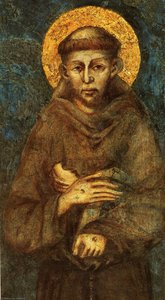
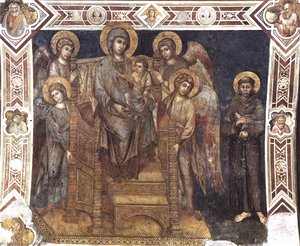
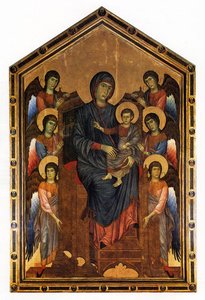
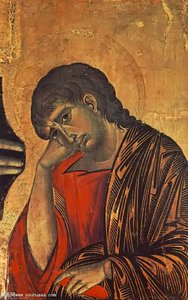
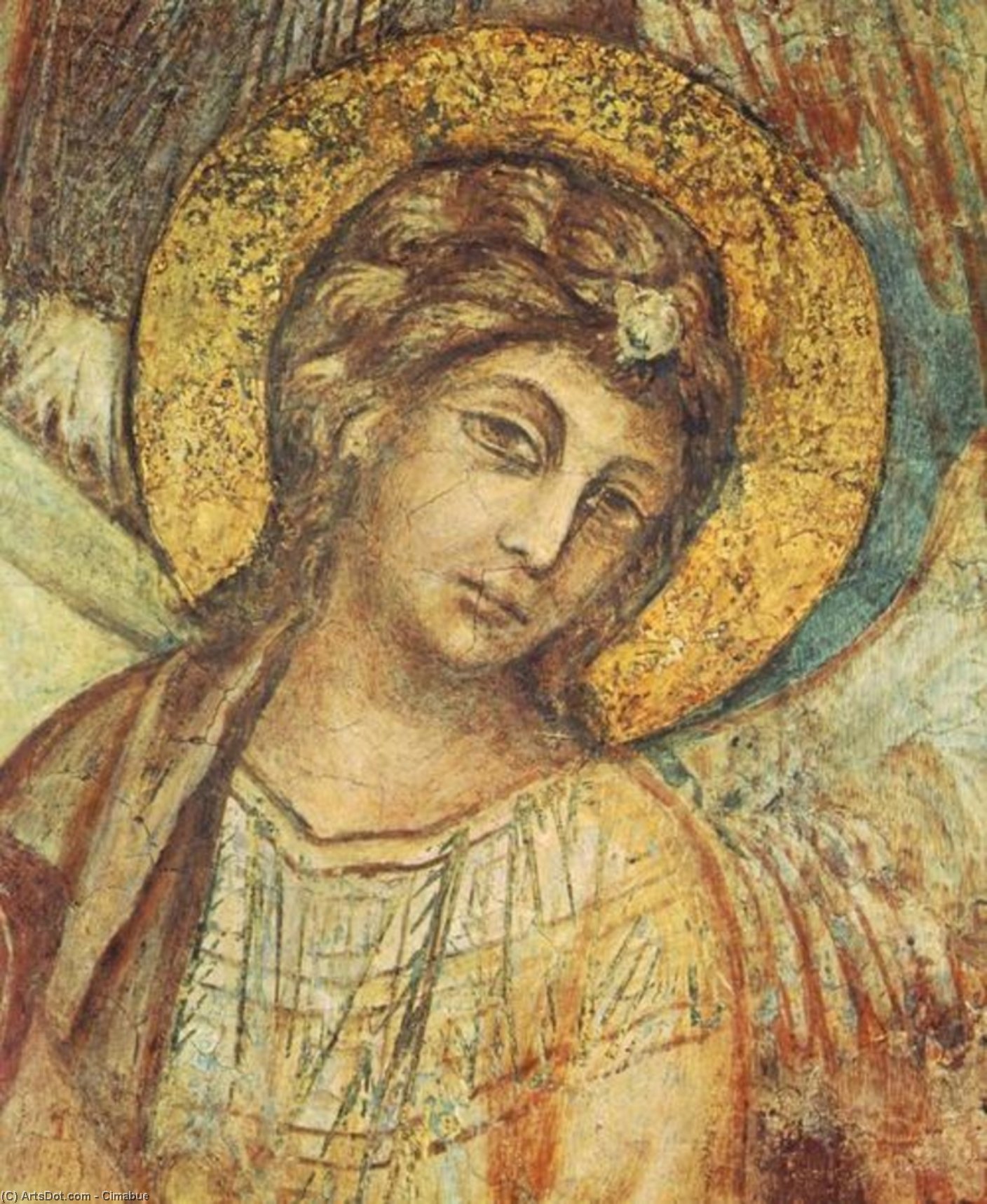
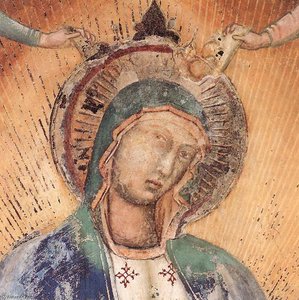
Madonna Enthroned with the Child, St Francis and four Angels (detail)


 Ver más
Reproducción al óleo hecha a mano
Óleo sobre lienzo pintado a mano en el tamaño y marco de su elección, realizado por encargo por nuestros artistas. ( Comprar impresión Comprar imagen)




P118B $10

P118H $10

P118W $10

P438Z $10

P508JH $12

P508YH $12

P805H $10

P805Z $10

P919BZ $10

P919G $10

P919XJ $10

P959ZH $10

P968JZ $12

W106C $8

W218G $10

W218JH $8

W218Y $10

W307PJ $10

W316G $10

W316PJ $8

W316Y $10

W398PJ $8

W4111J $10

W500HY $15

W500JH $15

W692G $12

W849H $8

W940BG $15

W953PJ $8




Elija entre nuestros tamaños predefinidos que respetan las proporciones originales de la obra.

Puede ingresar sus propias dimensiones para adaptarse a un marco o espacio específico. Si el tamaño seleccionado no coincide con las proporciones de la imagen original, recortaremos la obra o extenderemos la pintura con elementos adicionales pintados a mano. Se le enviará una maqueta digital para su aprobación antes de comenzar la producción.
Tenga en cuenta que la vista previa en pantalla no refleja el recorte o la extensión reales. Solo la maqueta mostrará con precisión la composición final.
Si bien existen tamaños personalizados, recomendamos seleccionar una dimensión de la lista predefinida para preservar las proporciones originales.
Tras realizar el pedido, el equipo de ArtsDot.com enviará un correo electrónico al cliente para solicitar instrucciones y proporcionarle una vista previa del boceto.
Envío a todo el mundo () en 3-4 semanas en lugar de las 5 semanas estándar. (25 agosto). Sin comprometer la calidad.

Envío exprés gratuito a todo el mundo

Lienzo de lino de alta calidad

Seguro de envío total

Garantía de reembolso de impuestos aduaneros

Garantía de fidelidad cromática exacta

Política de devolución de 60 días (solo por defectos)

Garantía de devolución del 100% del dinero

Descuento por cantidad
 La opción de vidrio solo está disponible en tamaños inferiores a 110 cm.

Madonna Enthroned with the Child, St Francis and four Angels (detail)
Técnica de reproducción
Dimensiones de la reproducción
-


Precio total final
$ 263
Descripción de la obra
A Window into Florentine Dawn: Cimabue’s Revolutionary Madonna
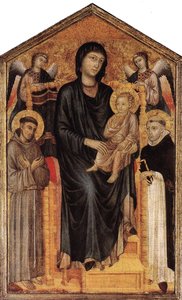
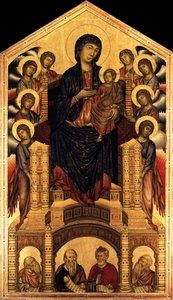
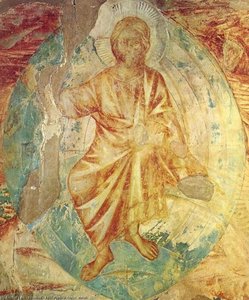
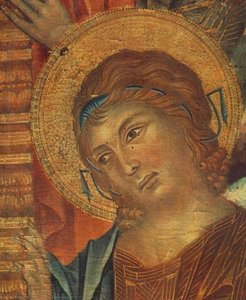
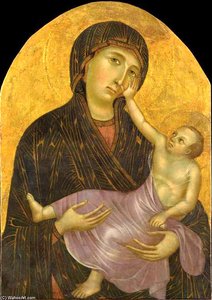
Giovanni Cimabue's “Madonna Enthroned with the Child, St Francis and four Angels (detail)” – a captivating work from 1278 – isn’t merely a depiction of biblical figures; it’s a pivotal moment in the evolution of Western art. Born Cenni di Pepo in Florence, Cimabue was a courageous innovator who dared to subtly challenge the rigid conventions inherited from Byzantine iconography, laying the groundwork for the vibrant artistic revolution that would soon transform Italy. His nickname, “bull-headed,” perhaps hinted at his unwavering determination and willingness to experiment – qualities undeniably present in his deliberate departure from established norms.
This particular detail offers a glimpse into Cimabue’s masterful approach. The central figure, likely Mary holding the infant Jesus, possesses an arresting directness. Her gaze meets the viewer with an almost palpable awareness, inviting contemplation and establishing a profound connection across time. Notice the elongated proportions of her face and hands – a characteristic move away from the stylized Byzantine tradition, suggesting a nascent desire to capture human likeness with greater realism. The rich fabrics of her robes, rendered in deep blues and reds, are meticulously detailed, showcasing Cimabue’s skill in layering pigments to achieve luminous depth. The delicate rendering of the necklace around her neck adds a subtle layer of ornamentation, hinting at both piety and earthly beauty.
Byzantine Roots, Italian Blossoms
Cimabue's artistic journey began firmly rooted in Byzantine art – the dominant visual language of Europe at the time. His early works, heavily influenced by the mosaics and frescoes of Constantinople, are characterized by a serene spirituality, flattened perspective, and an emphasis on symbolic representation. However, Cimabue wasn’t content to simply replicate these traditions; he began to subtly introduce elements that would pave the way for the Renaissance. The use of more naturalistic colors, a greater attention to detail in drapery, and a slightly more dynamic composition mark his growing independence.
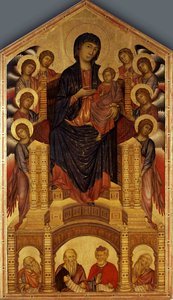
The presence of St. Francis and the four angels surrounding the central figures is significant. St. Francis, a relatively new saint at this time, represented emerging themes of humility and charity within the Christian narrative. The angels, rendered with delicate wings and serene expressions, further enhance the sense of divine grace and protection. The inclusion of the bird in the upper right corner – a detail often overlooked – adds an element of unexpected beauty and perhaps symbolizes hope or spiritual aspiration. Cimabue’s careful orchestration of these elements creates a harmonious composition that is both deeply devotional and visually engaging.
A Bridge to the Renaissance
Cimabue's legacy extends far beyond his individual works. He is widely considered one of the first great Italian painters to break from the Italo-Byzantine style, and he played a crucial role in shaping the artistic landscape that would eventually give rise to the Renaissance. His student, Giotto, built upon Cimabue’s innovations, further developing naturalistic representation and introducing new techniques into painting. Vasari, though perhaps romanticizing his account, famously described Cimabue as taking young Giotto under his wing, a pivotal moment in art history. The “Madonna Enthroned” exemplifies this transition – a testament to the enduring power of tradition while simultaneously hinting at the exciting possibilities of a new artistic era.
ArtsDot is proud to offer meticulously crafted hand-painted reproductions of Cimabue’s “Madonna Enthroned with the Child, St Francis and four Angels (detail).” Each reproduction captures the essence of this remarkable artwork, allowing you to bring its beauty and spiritual depth into your home or office. Explore our collection today and experience a piece of art history firsthand.
Obras relacionadas
Biografía del artista
rompiendo el estilo italo-bizantino
Cimabue, nacido alrededor de 1240 y fallecido en 1302, fue un influyente pintor y diseñador de mosaicos italiano de Florencia, también conocido como cenni di pepo. Pionero en romper con el estilo italo-bizantino, Cimabue es celebrado por introducir proporciones y sombreado más realistas en su obra, marcando un significativo cambio hacia el realismo en el arte medieval.vida temprana y formación
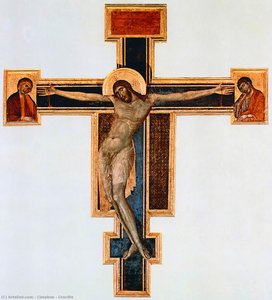
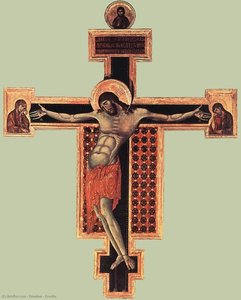
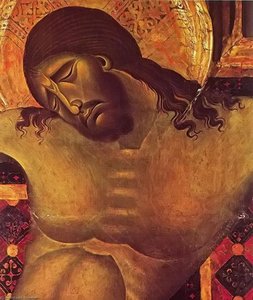
Se sabe poco sobre la vida temprana de Cimabue. Una fuente que relata su carrera es la Vida de los más excelentes pintores, escultores y arquitectos de Giorgio Vasari, pero su exactitud es incierta. Nació en Florencia y murió en Pisa. Según el historiador del arte Pietro Tosca, la obra más temprana atribuida a Cimabue, la crucifixión en la iglesia de San Domenico en Arezzo, data alrededor de 1270 y muestra una desviación del estilo bizantino.obras notables
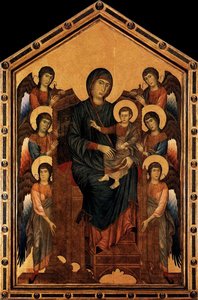
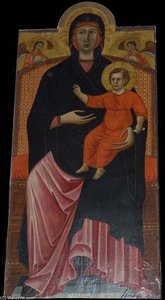
* Maestà (originalmente expuesta en la iglesia de San Francesco en Pisa, ahora en el Louvre): Esta obra estableció un estilo que fue seguido posteriormente por numerosos artistas, incluyendo Duccio di Buoninsegna en su Rucellai Madonna (erróneamente atribuida a Cimabue en el pasado). * Flagelación (Colección Frick): Una pintura de taller que quizás sea atribuible a un período ligeramente posterior. * Mosaicos para el Baptisterio de Florencia (ahora en gran parte restaurado): Actualmente en mal estado debido a la oxidación de los colores más brillantes.influencia y legado
El arte de Cimabue jugó un papel crucial en la transición del estilo bizantino a representaciones más realistas en la pintura italiana, y su influencia en artistas posteriores fue profunda. Sus obras, caracterizadas por una combinación de técnicas tradicionales e innovadoras, marcan un importante capítulo en la historia del arte, conectando el período medieval con los estilos renacentistas.- Visite las obras de Cimabue en https://ArtsDot.com/@/cimabue
- Explore más sobre el movimiento del Trecento en https://ArtsDot.com/@@/a@d3cpph
- Lea la biografía de Cimabue en Wikipedia en https://en.wikipedia.org/wiki/cimabue
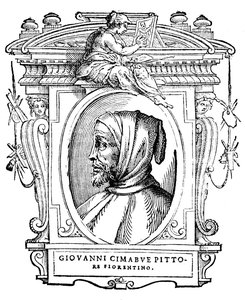
Cimabue
1240 - 1302 , Italia
Datos clave
- Artistas Que Influyeron:
- Arte bizantino
- Dietisalvi di Speme
- Estilo Artístico: Italo-Bizantino, Proto-Renacimiento
- Fecha De Muerte: 1302
- Fecha De Nacimiento: c. 1240
- Influenciado A Artistas: ['Giotto di Bondone']
- Lugar De Nacimiento: Florencia, Italia
- Nacionalidad: Italiana
- Nombre Completo: Giovanni Cimabue
- Obras Notables:
- Maestà
- Crucifijo (Arezzo)
- Flagelación de Cristo
Artículos relacionados
Rafael: Las 25 Obras Maestras que Definen al Genio del Renacimiento | ArtsDot
Descubre las 25 obras maestras de Rafael Sanzio, el genio del Renacimiento. Explora su historia, técnica y significado en pinturas icónicas como 'La Escuela de Atenas'. Reproducciones de arte de alta calidad para decorar tu hogar con elegancia. ¡Explora la colección completa en ArtsDot.com!
Giotto di Bondone: Las 25 Obras Maestras que Definieron el Renacimiento | ArtsDot
Descubre las 25 obras maestras de Giotto di Bondone, el pionero del Renacimiento. Explora la historia, técnica y simbolismo de sus frescos italianos más icónicos. Encuentra reproducciones de arte exclusivas para decorar tu hogar en ArtsDot.com.
Proto-Renacimiento: 10 Obras Maestras que Cambiaron la Historia del Arte | ArtsDot
Descubre las 10 obras maestras del Proto Renacimiento que revolucionaron el arte italiano. Explora la historia de Giotto, Duccio y Cimabue. Reproducciones de arte en ArtsDot.com para decorar tu hogar con belleza atemporal.

Los 25 Tesoros del Uffizi: Arte Renacentista para tu Hogar | ArtsDot
Descubre los 25 tesoros del Uffizi en Florencia: Botticelli, Leonardo da Vinci y más. Explora la historia, el arte renacentista y encuentra reproducciones de alta calidad para tu hogar. ¡Inspírate con ArtsDot.com!
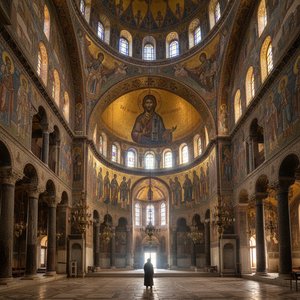
Iluminando la Eternidad: Una Exploración Exhaustiva del Legado del Arte Bizantino
Descubre el fascinante mundo del arte bizantino con nuestra guía experta. Explora su historia, arquitectura, mosaicos y legado cultural. Un viaje a través de la belleza y el simbolismo de un imperio inolvidable.