

 Ver en contexto
 Enviar
 Compartir
 Detalles

 Descargar
 Similares
 Radiografía
 Presentación de diapositivas
 Estadísticas
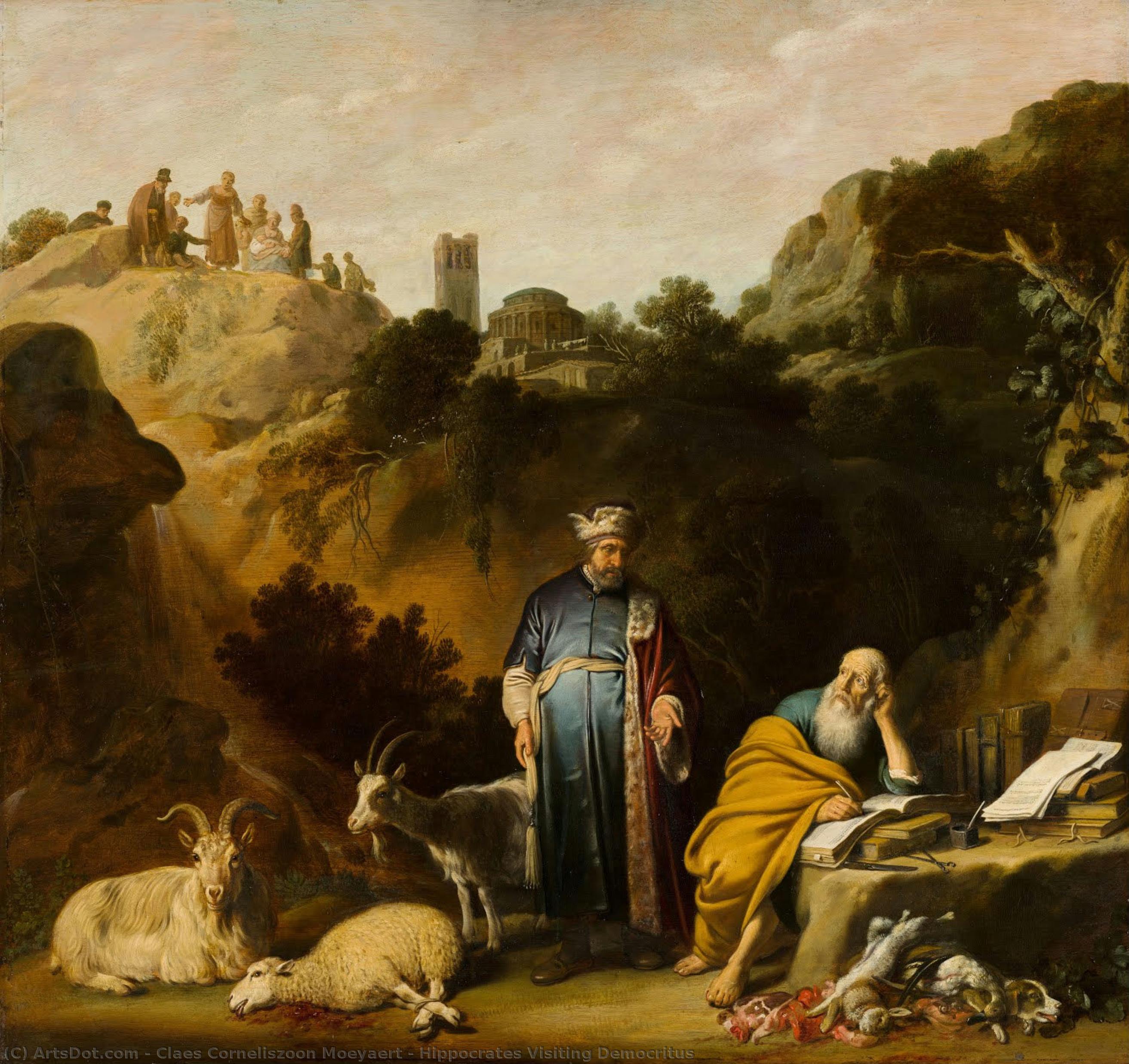
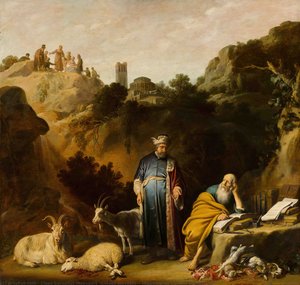
Hippocrates Visiting Democritus
 Oil
Oil- WallArt
- Baroque
 1636
1636- Early Modern
 80.0 x 85.0 cm
 Mauritshuis
 Ver más
Reproducción al óleo hecha a mano
Óleo sobre lienzo pintado a mano en el tamaño y marco de su elección, realizado por encargo por nuestros artistas. ( Cambiar a Impresión Cambiar a imagen digital)




P118B $10

P118H $10

P118W $10

P438Z $10

P508JH $12

P508YH $12

P805H $10

P805Z $10

P919BZ $10

P919G $10

P919XJ $10

P959ZH $10

P968JZ $12

W106C $8

W218G $10

W218JH $8

W218Y $10

W307PJ $10

W316G $10

W316PJ $8

W316Y $10

W398PJ $8

W4111J $10

W500HY $15

W500JH $15

W692G $12

W849H $8

W940BG $15

W953PJ $8




Elija entre nuestros tamaños predefinidos que respetan las proporciones originales de la obra.

Puede ingresar sus propias dimensiones para adaptarse a un marco o espacio específico. Si el tamaño seleccionado no coincide con las proporciones de la imagen original, recortaremos la obra o extenderemos la pintura con elementos adicionales pintados a mano. Se le enviará una maqueta digital para su aprobación antes de comenzar la producción.
Tenga en cuenta que la vista previa en pantalla no refleja el recorte o la extensión reales. Solo la maqueta mostrará con precisión la composición final.
Si bien existen tamaños personalizados, recomendamos seleccionar una dimensión de la lista predefinida para preservar las proporciones originales.
Tras realizar el pedido, el equipo de ArtsDot.com enviará un correo electrónico al cliente para solicitar instrucciones y proporcionarle una vista previa del boceto.
Envío a todo el mundo () en 3-4 semanas en lugar de las 5 semanas estándar. (13 septiembre). Sin comprometer la calidad.

Envío exprés gratuito a todo el mundo

Lienzo de lino de alta calidad

Seguro de envío total

Garantía de reembolso de impuestos aduaneros

Garantía de fidelidad cromática exacta

Política de devolución de 100 días (solo por defectos)

Garantía de devolución del 100% del dinero

Descuento por cantidad
 La opción de vidrio solo está disponible en tamaños inferiores a 110 cm.

Hippocrates Visiting Democritus
Técnica de reproducción
Dimensiones de la reproducción
-


Precio total final
$ 263
A Meeting of Minds: The Intellectual Grandeur of Moeyaert
In the quiet, sun-dappled atmosphere of Claes Corneliszoon Moeyaert’s 1636 masterpiece, Hippocrates Visiting Democritus, we are invited to witness a profound moment of historical and philosophical convergence. The painting transcends a mere depiction of two figures; it serves as a window into the classical world, reimagined through the sophisticated lens of the Dutch Golden Age. Moeyaert, a master who drew inspiration from his formative travels in Italy, imbues this scene with a sense of theatrical dignity. As the physician Hippocrates approaches the seated philosopher Democritus, the composition captures more than just a physical encounter; it captures the weight of wisdom passing between generations and disciplines.
The brushwork reflects Moeyaert’s exceptional command over light and texture, characteristic of his era. The standing figure, draped in heavy, flowing robes and crowned with a distinctive hat, exerts a gentle yet commanding presence, his hand resting upon the shoulder of the seated scholar in a gesture of profound respect and connection. This tactile intimacy is balanced by the sprawling, lively landscape that surrounds them. The inclusion of wandering goats and a solitary bird fluttering in the upper reaches of the frame adds a layer of pastoral tranquility, grounding the high-minded intellectual exchange within the humble, breathing reality of the natural world.
Symbolism and the Pastoral Aesthetic
Beyond the central figures, Moeyaert utilizes the surrounding environment to weave a complex tapestry of symbolism. The presence of the goats—scattered across the foreground and midground—serves as a classic trope of the pastoral tradition, representing a state of innocence and the simplicity of nature that stands in contrast to the rigorous intellectual pursuits of the men. This juxtaposition invites the viewer to contemplate the harmony between human reason and the untamed earth. The soft, diffused light that bathes the gathering suggests an era of enlightenment, casting a warm, nostalgic glow over the assembly of onlookers who populate the periphery of the scene.
For the discerning collector or interior designer, this painting offers much more than visual beauty; it provides a narrative anchor for a room. The earthy tones and rich textures of the garments create a sense of timelessness that complements both classical and contemporary decor. Whether placed in a study filled with leather-bound books or as a focal point in a grand salon, the artwork evokes an atmosphere of contemplation and prestige. It is a piece that does not merely decorate a wall but enriches the very soul of a space, inviting guests to linger and lose themselves in its storied depths.
A Legacy of Mastery for the Modern Collector
Owning a reproduction of such historical significance allows one to bring the spirit of the 17th-century Dutch masters into the modern home. Moeyaert’s ability to blend the monumental with the mundane—the epic scale of philosophical history with the quiet movement of a bird or a goat—makes this work an enduring triumph of art history. As a high-quality hand-painted reproduction, this piece captures the delicate nuances of his technique, from the subtle shadows in the folds of the robes to the luminous quality of the outdoor light.
To possess this artwork is to hold a fragment of the Golden Age, a period defined by an unprecedented explosion of creativity and scientific inquiry. It serves as a constant reminder of the enduring power of human connection and the timeless pursuit of knowledge. For those seeking to inspire awe and intellectual curiosity within their living environments, Hippocrates Visiting Democritus stands as an incomparable choice, offering a sophisticated blend of historical depth, emotional resonance, and aesthetic splendor.
Obras relacionadas




Biografía del artista
Claes Corneliszoon Moeyaert: Maestro del Red Chalk y la Luz de los Países Bajos
Claes Corneliszoon Moeyaert, conocido también como Nicolaes Moyaert o Mooyaert (Durgerdam, c. 1592 – Ámsterdam, octubre de 1669), fue un pintor, dibujante y grabador holandés del Siglo de Oro neerlandés. Su vida y obra se entrelazan con los momentos más brillantes de la historia artística de su país, marcados por el Renacimiento tardío y el desarrollo de una rica tradición pictórica. Desde sus inicios como paisajista influenciado por Adam Elsheimer, Moeyaert evolucionó hasta convertirse en un maestro de la narrativa religiosa y mitológica, caracterizado por un profundo conocimiento de la luz, el color y la psicología humana.Los Primeros Años y la Influencia Italiana
Nacido en Durgerdam, una pequeña localidad cercana a Ámsterdam, Claes Corneliszoon Moeyaert comenzó su formación artística como paisajista, imitando el estilo de Adam Elsheimer, un pintor alemán conocido por sus paisajes melancólicos y atmosféricos. Se rumorea que, alrededor de los 25 años, viajó a Italia, una experiencia crucial para su desarrollo artístico. Allí, se sumergió en la vibrante escena artística florentina y romana, estudiando las obras de los grandes maestros del Renacimiento italiano como Rafael y Tiziano. Esta inmersión le permitió adquirir un dominio técnico excepcional y desarrollar un estilo propio que combinaba elementos del clasicismo renacentista con la sensibilidad barroca. El viaje a Italia se refleja en sus paisajes, que conservan una atmósfera serena y contemplativa, evocando la belleza de los campos italianos.Colaboraciones y el Auge en Ámsterdam
De regreso a Ámsterdam, Moeyaert rápidamente ascendió en el mundo artístico local. Trabajó como dibujante y grabador para Pieter Lastman, un pintor histórico conocido por sus composiciones dramáticas y su uso expresivo del color. Su talento fue reconocido por la Compañía de San Lucas, donde se convirtió en miembro en 1630. En 1638, recibió el prestigioso encargo de diseñar el arco triunfal que celebró la llegada a Ámsterdam de María de Médici, reina consorte de los Países Bajos. Este evento marcó un punto culminante en su carrera y le aseguró un lugar destacado entre los artistas más importantes de la ciudad. Durante este período, Moeyaert también colaboró con Hendrick van Uylenburgh, un influyente comerciante de arte relacionado con Rembrandt van Rijn, lo que le permitió acceder a círculos sociales de alto nivel y obtener importantes encargos.Estilo e Influencias: El Red Chalk como Herramienta Mágica
El estilo de Moeyaert se caracteriza por su dominio técnico excepcional, su uso magistral del color y su profundo conocimiento de la composición. Empleaba el *red chalk* (lápiz rojo), una técnica que también utilizaba Rembrandt, para crear dibujos preliminares detallados y precisos que servían como base para sus pinturas. El *red chalk* le permitía capturar con precisión los detalles de las figuras, las texturas de los materiales y la luz natural, creando obras de gran realismo y expresividad. Además, Moeyaert se inspiró en el arte italiano, incorporando elementos de la mitología clásica y la iconografía religiosa en sus pinturas. Su obra refleja una profunda comprensión de la psicología humana, capturando las emociones y los estados de ánimo de sus personajes con gran sutileza y maestría.Obras Emblemáticas y Legado
Entre las obras más destacadas de Moeyaert se encuentran "Los hombres de Emaús", un cuadro que evoca la escena bíblica del encuentro de Jesús resucitado con sus discípulos, y "La parábola del trabajador de la undécima hora", una representación conmovedora de la misericordia divina. Sus pinturas de escenas religiosas, como "Jacob y Raquel" o "La resurrección de Lázaro", son conocidas por su belleza estética y su profundo significado espiritual. Moeyaert también fue un prolífico grabador, creando numerosas imágenes basadas en obras de arte clásicas y bíblicas. Su legado artístico perdura hasta nuestros días, siendo considerado uno de los pintores más importantes del Siglo de Oro neerlandés. Su habilidad para combinar la técnica renacentista con la sensibilidad barroca, su dominio de la luz y el color, y su profundo conocimiento de la psicología humana lo convierten en un artista único e inigualable.Vida Personal y Finales
Moeyaert fue un hombre próspero que disfrutó de una vida familiar feliz. Se casó con Grietje Claes van Zijl en 1617, y juntos tuvieron tres hijos, dos de los cuales presentaban discapacidades mentales y fueron cuidados por el propio Moeyaert. Además de su carrera artística, Moeyaert también se involucró en los negocios, participando en la gestión del Teatro de Van Campen junto con Jan Vos. Murió en Ámsterdam en 1655, dejando un legado artístico que continúa inspirando a artistas y amantes del arte de todo el mundo.
Claes Corneliszoon Moeyaert
1592 - 1655 , Países Bajos
Datos clave
- Artistic Movement Or Style: Red chalk
- Artists Or Movements Influenced By This Artist: ['Nicolaes Berchem']
- Artists Who Influenced This Artist: ['Rembrandt van Rijn']
- Date Of Birth: 1592
- Date Of Death: 1655
- Full Name: Claes Corneliszoon Moeyaert
- Nationality: Holandés
- Notable Artworks:
- Ruth y Boaz
- Jeroboam
- José encuentra plata
- Place Of Birth: Durgerdam, Países Bajos
Artículos relacionados

Los 10 Maestros del Siglo de Oro Holandés: Arte, Historia y Decoración Exclusiva
Descubre los 10 imprescindibles del Siglo de Oro Holandés: Rembrandt, Vermeer y más. Explora la historia, técnica y belleza de estos lienzos clásicos. Encuentra reproducciones de arte exclusivas para decorar tu hogar en .

Illuminating Realism: Exploring the Dutch Golden Age of Painting (1600-1700)
Explore the Dutch Golden Age of painting (1600-1700) with ArtsDot. Discover Rembrandt, Vermeer & other masters. Learn about techniques, history & find museum-quality reproductions.
Charles Leickert: Capturing the Dutch Golden Age Light – A Comprehensive Study of Technique, Context, and Legacy
Explore the captivating winter landscapes of Charles Leickert, a master of Dutch Golden Age light & atmosphere. Discover his techniques, symbolism, and lasting legacy – a comprehensive study for art enthusiasts and collectors.

La Luz y la República: Innovación Artística en el Siglo de Oro Neerlandés
Descubra la innovación artística del Siglo de Oro Neerlandés. Explore las obras maestras de Rembrandt y Vermeer, técnicas revolucionarias y el legado perdurable de este florecimiento cultural. ¡Sumérjase en la luz y la belleza!

Reflejos de una Época Dorada: La Pintura Barroca Holandesa y la Innovación Cultural
Descubra la riqueza y el detalle de la pintura barroca holandesa del Siglo de Oro. Explore las obras maestras de Rembrandt, Vermeer y otros artistas clave. Análisis experto e historia cultural.