 Ver en contexto
 Enviar
 Compartir
 Detalles

 Descargar
 Similares
 Radiografía
 Presentación de diapositivas
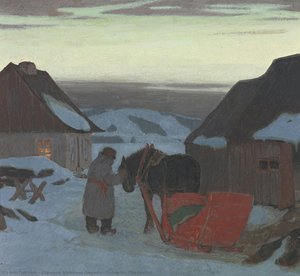
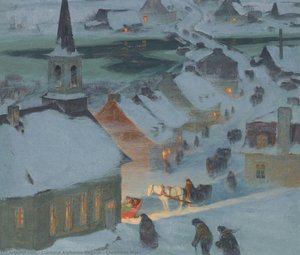
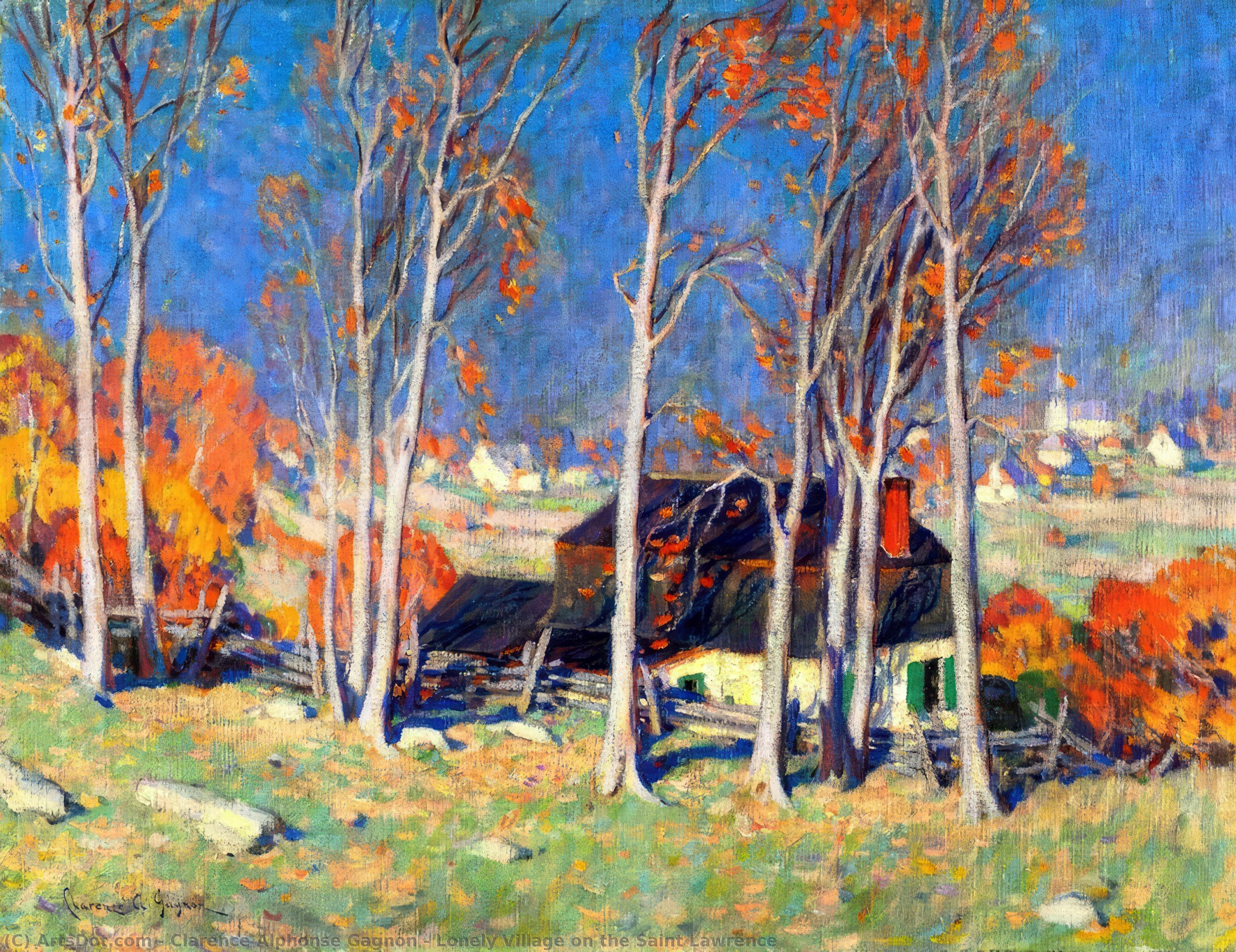
Lonely Village on the Saint Lawrence


 Ver más
Reproducción al óleo hecha a mano
Óleo sobre lienzo pintado a mano en el tamaño y marco de su elección, realizado por encargo por nuestros artistas. ( Comprar impresión Comprar imagen)




P118B $10

P118H $10

P118W $10

P438Z $10

P508JH $12

P508YH $12

P805H $10

P805Z $10

P919BZ $10

P919G $10

P919XJ $10

P959ZH $10

P968JZ $12

W106C $8

W218G $10

W218JH $8

W218Y $10

W307PJ $10

W316G $10

W316PJ $8

W316Y $10

W398PJ $8

W4111J $10

W500HY $15

W500JH $15

W692G $12

W849H $8

W940BG $15

W953PJ $8




Elija entre nuestros tamaños predefinidos que respetan las proporciones originales de la obra.

Puede ingresar sus propias dimensiones para adaptarse a un marco o espacio específico. Si el tamaño seleccionado no coincide con las proporciones de la imagen original, recortaremos la obra o extenderemos la pintura con elementos adicionales pintados a mano. Se le enviará una maqueta digital para su aprobación antes de comenzar la producción.
Tenga en cuenta que la vista previa en pantalla no refleja el recorte o la extensión reales. Solo la maqueta mostrará con precisión la composición final.
Si bien existen tamaños personalizados, recomendamos seleccionar una dimensión de la lista predefinida para preservar las proporciones originales.
Tras realizar el pedido, el equipo de ArtsDot.com enviará un correo electrónico al cliente para solicitar instrucciones y proporcionarle una vista previa del boceto.
Envío a todo el mundo () en 3-4 semanas en lugar de las 5 semanas estándar. (25 agosto). Sin comprometer la calidad.

Envío exprés gratuito a todo el mundo

Lienzo de lino de alta calidad

Seguro de envío total

Garantía de reembolso de impuestos aduaneros

Garantía de fidelidad cromática exacta

Política de devolución de 60 días (solo por defectos)

Garantía de devolución del 100% del dinero

Descuento por cantidad
 La opción de vidrio solo está disponible en tamaños inferiores a 110 cm.

Lonely Village on the Saint Lawrence
Técnica de reproducción
Dimensiones de la reproducción
-


Precio total final
$ 263
Descripción de la obra
A Serene Encounter with the Quebecois Landscape
In the quietude of 1922, Clarence Alphonse Gagnon captured a moment of profound stillness in Lonely Village on the Saint Lawrence. This evocative masterpiece invites the viewer into a secluded corner of the Canadian wilderness, where the architecture of human habitation meets the untamed majesty of nature. The focal point of the composition is a stately house, its dark roof anchoring the scene with a sense of permanence and shelter. Surrounded by a lush tapestry of verdant trees, this central structure serves as a silent witness to the passage of time along the Saint Lawrence riverbanks. As one gazes upon the painting, there is an immediate sense of being transported to a bygone era, where the rhythm of life was dictated by the seasons and the gentle flow of the water.
The composition masterfully balances the intimacy of a small community with the vastness of the surrounding landscape. While the primary house commands attention, the subtle presence of other dwellings in the background suggests a shared existence—a quiet, interconnected way of life nestled within the folds of the earth. The artist uses the dense foliage not merely as a backdrop, but as a protective embrace, creating a sanctuary of tranquility. This interplay between the man-made and the organic evokes a deep sense of nostalgia, making it an ideal piece for those looking to introduce a feeling of peace and historical depth into a contemporary living space.
Mastery of Light and Impressionist Spirit
Gagnon’s technique in this work reflects his sophisticated training at the Académie Julian, blending a disciplined approach to form with the luminous qualities of the Impressionist movement. The sky, rendered in a clear, brilliant blue, provides a striking contrast to the deep greens and earthy tones of the village. This use of color is not merely descriptive but emotional; it breathes life into the canvas, suggesting a crisp, bright day where every leaf and roofline is kissed by light. The brushwork, while precise enough to define the structural integrity of the houses, possesses a soft, painterly quality that allows the atmosphere to feel palpable.
For the discerning collector or interior designer, this painting offers more than just visual beauty; it offers an atmospheric experience. The way the light interacts with the textures of the trees and the dark surfaces of the rooftops creates a dynamic visual interest that changes depending on the lighting of the room in which it is displayed. A high-quality reproduction of this work allows the subtle nuances of Gagnon’s palette to shine, bringing a sophisticated touch of Canadian heritage and a calming, pastoral elegance to any gallery wall or study.
A Legacy of Quiet Resilience
Beyond its aesthetic merits, Lonely Village on the Saint Lawrence carries the weight of historical significance. As a pivotal figure in Canadian art history, Gagnon had a unique ability to romanticize the rugged spirit of the Laurentians and Charlevoix regions without sacrificing their raw, honest character. This painting stands as a testament to the resilience of rural life in Quebec, portraying a world that is both solitary and deeply rooted. The "loneliness" suggested by the title is not one of sadness, but of a dignified, peaceful solitude—a retreat from the chaos of the modern world.
Investing in a reproduction of this work means bringing home a piece of the Canadian soul. It serves as a conversation starter, an anchor for room decor, and a window into a landscape that remains as captivating today as it was in 1922. Whether placed in a sunlit breakfast nook or a formal library, Gagnon’s vision of a tranquil village continues to inspire awe and a longing for the quiet beauty of the natural world.
Obras relacionadas
Biografía del artista
Clarence Alphonse Gagnon: Una Vida en el Paisaje
- Nacimiento: 8 de noviembre de 1881, Montreal, Canadá
- Fallecimiento: 5 de enero de 1942, Montreal, Canadá
Clarence Alphonse Gagnon fue una figura significativa en la historia del arte canadiense, reconocido por sus evocadoras pinturas de paisajes que capturaron la esencia de la belleza natural de Quebec. Su obra, caracterizada por una mezcla única de técnicas tradicionales y modernas, lo estableció como uno de los artistas más importantes de su tiempo.
Primeros Años y Formación Artística
- Antecedentes Familiares: Gagnon nació en una familia con herencia franco-canadiense e inglesa. Su padre, Alphonse E. Gagnon, administraba una operación de molinos, mientras que su madre fomentó sus primeras inclinaciones artísticas.
- Primeros Estudios: Comenzó su formación formal en la Asociación de Arte de Montreal bajo William Bremner en 1897.
- Influencia Parisina: Un período crucial en el desarrollo de Gagnon ocurrió cuando estudió en la Académie Julian en París desde 1904 hasta 1905, aprendiendo de Jean-Paul Laurens. Esta exposición a las tradiciones artísticas europeas moldeó significativamente su estilo.
- Exploración Europea: Antes de regresar a Canadá en 1909, Gagnon pasó un tiempo considerable pintando en Francia e Italia, absorbiendo los matices de luz y color que más tarde definirían su obra.
Estilo Artístico y Obras Clave
- Enfoque en el Paisaje: La carrera artística de Gagnon se centró en la pintura de paisajes, particularmente representando las regiones de Laurentians y Charlevoix de Quebec.
- Técnicas Impresionistas: Si bien estaba arraigado en técnicas tradicionales, la obra de Gagnon demostró una sensibilidad impresionista, utilizando la luz y el color para crear efectos atmosféricos.
- Paisajes Invernales: Es especialmente celebrado por sus paisajes invernales, que mostraban contrastes marcados, colores vivos y líneas sinuosas que capturaban la belleza áspera del invierno canadiense.
- Obras Notables: Algunas de las pinturas más reconocidas de Gagnon incluyen:
- Mont Saint Michel, Mañana (1907) – Demuestra su estilo impresionista temprano y captura una sensación de tranquilidad.
- Lac de Charlevoix – Un ejemplo quintessential de su trabajo paisajístico, mostrando la belleza del entorno natural de Quebec.
- Otoño Dorado, Laurentians – Captura los colores vibrantes del otoño en las montañas Laurentianas.
- Otras Obras Notables:
- Eutrope Gagnon Visita
- Día (1933)
- Tarde, Siena
- Jardines de Luxemburgo. París
- Finca, Baie Saint Paul
- Granja, Francia
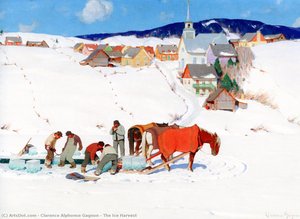
- La Cosecha del Hielo
Legado e Influencia
- Contribuciones Modernistas: Gagnon jugó un papel crucial en el avance de la pintura modernista dentro de Canadá.
- Carrera Docente: Fue un maestro influyente, mentor de artistas como René Richard, quien continuó su legado artístico.
- Real Academia Canadiense del Arte: Su reconocimiento como miembro de la Real Academia Canadiense del Arte solidificó aún más su posición dentro de la comunidad artística canadiense.
- Presencia en Museos: Las obras de Gagnon se encuentran en colecciones destacadas en todo Canadá e internacionalmente, incluyendo la Colección McMichael de Arte Canadiense y La Pulperie de Chicoutimi.
Significado Histórico
La obra de Clarence Alphonse Gagnon proporciona una valiosa ventana a la vida y el paisaje de principios del siglo XX en Quebec. Su capacidad para capturar tanto la belleza como la dureza del mundo natural, combinada con su innovador uso del color y la luz, lo estableció como una figura clave en la historia del arte canadiense. Sigue siendo celebrado por sus contribuciones al Impresionismo dentro de un contexto canadiense distintivo.
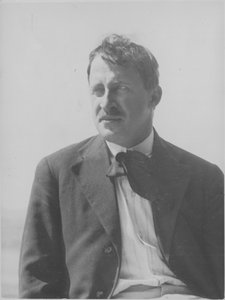
Clarence Alphonse Gagnon
1881 - 1942 , Canadá
Datos clave
- Artistas Influenciados: ['René Richard']
- Artistas Que Influyeron: ['Jean-Paul Laurens']
- Fecha De Fallecimiento: 5 de enero de 1942
- Fecha De Nacimiento: 8 de noviembre de 1881
- Lugar De Nacimiento: Montreal, Canadá
- Movimiento Artístico: Impresionismo
- Nacionalidad: Canadiense
- Nombre Completo: Clarence Alphonse Gagnon
- Obras Notables:
- Mont Saint Michel, Morning
- Lac de Charlevoix
- Golden Autumn, Laurentians
- Eutrope Gagnon Visits
- Day
- Evening, Siena
- Luxembourg Gardens. Paris
- Farmstead, Baie Saint Paul
- Farmyard, France
- The Ice Harvest
Artículos relacionados
Las 10 Obras Maestras del Azul Pizarra: Arte, Historia y Decoración
Descubre las 10 pinturas más famosas dominadas por el azul pizarra. Explora la historia, técnica y belleza de Monet, Van Gogh y otros maestros. Encuentra reproducciones de arte exclusivas para decorar tu hogar en .
Claude Monet: Las 25 Obras Maestras del Impresionismo para Decorar tu Hogar con Arte
Descubre las 25 obras maestras de Claude Monet, el padre del impresionismo. Explora la historia, técnica y belleza de sus paisajes, nenúfares y 'Impresión, sole levant'. Encuentra reproducciones de arte exclusivas en ArtsDot.com.
The Allure of Azure: Exploring the Symbolic & Aesthetic Depths of Blue in Art History
Explore the rich history of blue in art! Discover its symbolism, from ancient pigments to modern masterpieces by Kandinsky & Seurat. Uncover the psychological impact and cultural meanings behind this captivating hue.
10 Obras Maestras que Evocan la Serenidad: Arte para un Hogar Tranquilo
Descubre 10 obras maestras de Monet, Van Gogh y más que evocan la serenidad. Explora el arte impresionista, paisajes zen y lienzos relajantes para un hogar tranquilo. Reproducciones de museo en ArtsDot.com.
Las 10 Obras de Arte Más Tranquilizadoras para un Hogar Sereno |
Descubre las 10 obras de arte más tranquilas de Monet, Van Gogh y Turner. Explora su historia, técnica y el poder del color para crear serenidad en tu hogar. Reproducciones de museo en .