 Ver en contexto
 Enviar
 Compartir
 Detalles

 Descargar
 Similares
 Radiografía
 Presentación de diapositivas
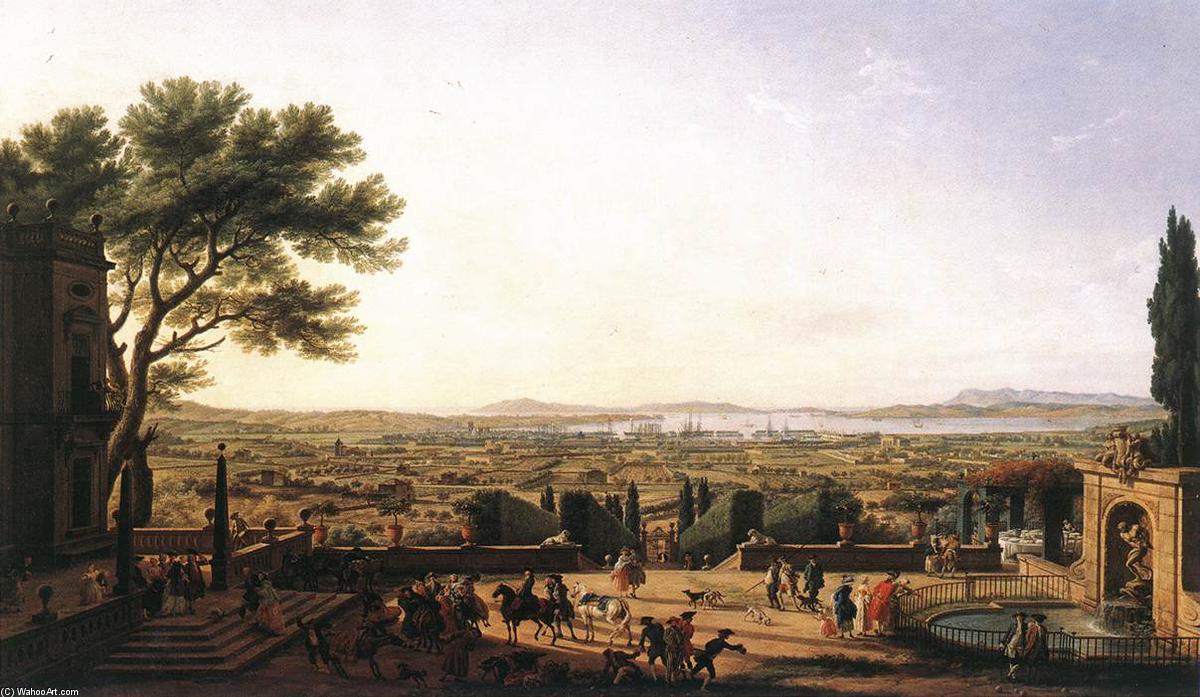
The Town and Harbour of Toulon
 Oil On Canvas
- WallArt
- Rococo
 1756
1756 165.0 x 263.0 cm
 Museo del Louvre
 Ver más
Reproducción al óleo hecha a mano
Óleo sobre lienzo pintado a mano en el tamaño y marco de su elección, realizado por encargo por nuestros artistas. ( Comprar impresión Comprar imagen)




P118B $10

P118H $10

P118W $10

P438Z $10

P508JH $12

P508YH $12

P805H $10

P805Z $10

P919BZ $10

P919G $10

P919XJ $10

P959ZH $10

P968JZ $12

W106C $8

W218G $10

W218JH $8

W218Y $10

W307PJ $10

W316G $10

W316PJ $8

W316Y $10

W398PJ $8

W4111J $10

W500HY $15

W500JH $15

W692G $12

W849H $8

W940BG $15

W953PJ $8




Elija entre nuestros tamaños predefinidos que respetan las proporciones originales de la obra.

Puede ingresar sus propias dimensiones para adaptarse a un marco o espacio específico. Si el tamaño seleccionado no coincide con las proporciones de la imagen original, recortaremos la obra o extenderemos la pintura con elementos adicionales pintados a mano. Se le enviará una maqueta digital para su aprobación antes de comenzar la producción.
Tenga en cuenta que la vista previa en pantalla no refleja el recorte o la extensión reales. Solo la maqueta mostrará con precisión la composición final.
Si bien existen tamaños personalizados, recomendamos seleccionar una dimensión de la lista predefinida para preservar las proporciones originales.
Tras realizar el pedido, el equipo de ArtsDot.com enviará un correo electrónico al cliente para solicitar instrucciones y proporcionarle una vista previa del boceto.
Envío a todo el mundo () en 3-4 semanas en lugar de las 5 semanas estándar. (31 agosto). Sin comprometer la calidad.

Envío exprés gratuito a todo el mundo

Lienzo de lino de alta calidad

Seguro de envío total

Garantía de reembolso de impuestos aduaneros

Garantía de fidelidad cromática exacta

Política de devolución de 60 días (solo por defectos)

Garantía de devolución del 100% del dinero

Descuento por cantidad
 La opción de vidrio solo está disponible en tamaños inferiores a 110 cm.

The Town and Harbour of Toulon
Técnica de reproducción
Dimensiones de la reproducción
-


Precio total final
$ 263
A Vision of Maritime Life: Claude Joseph Vernet’s “The Town and Harbour of Toulon”
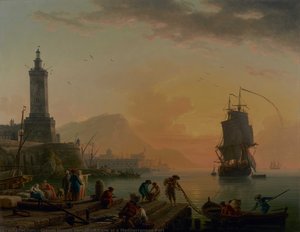
Claude-Joseph Vernet's "The Town and Harbour of Toulon," painted in 1756, isn’t merely a depiction of a coastal town; it’s a vibrant snapshot of an era – the Rococo period in France – brimming with life, commerce, and the ever-present drama of the sea. More than just a landscape, this oil on canvas offers a captivating glimpse into the heart of Toulon, a strategically vital port city during the mid-18th century, and a testament to Vernet’s masterful ability to capture both the grandeur and the everyday realities of his subject.
The painting immediately draws the eye with its dynamic composition. A bustling foreground explodes with activity: fishermen hauling their nets, merchants engaged in lively trade, children playing amidst the chaos, and horses – a recurring motif in Vernet’s work – adding to the sense of movement and vitality. These figures aren't simply background elements; they are integral to the scene, embodying the energy and spirit of Toulon’s harbor life. The artist skillfully uses light and shadow to create depth and volume, lending a remarkable three-dimensionality to the composition. The warm glow illuminating the buildings contrasts sharply with the darker recesses of the harbor, guiding the viewer's eye through the intricate details of the scene.
Rococo Realism: Style and Technique
Vernet’s style is a compelling blend of realism and Rococo aesthetics. While firmly rooted in the naturalistic traditions of his time, he departs from strict academic formality, injecting a sense of spontaneity and immediacy into his work. The brushstrokes are loose and expressive, conveying a feeling of movement and capturing the fleeting moments of daily life. He masterfully employs atmospheric perspective – softening distant elements to create a sense of depth – and utilizes a rich, vibrant color palette dominated by earthy tones punctuated by brilliant blues and greens reflecting the sea. This careful attention to detail, combined with his loose brushwork, creates an image that is both meticulously observed and emotionally resonant.
The painting’s technique reveals Vernet's deep understanding of light and its effects on color and form. He expertly renders the textures of the buildings, the wetness of the water, and the movement of the figures, demonstrating a remarkable command of his medium. The use of chiaroscuro – dramatic contrasts between light and dark – further enhances the sense of depth and drama, drawing the viewer into the heart of the scene.
A Harbour of Commerce and History
“The Town and Harbour of Toulon” is more than just a picturesque view; it’s a historical document. Toulon itself held immense strategic importance for France during the 18th century, serving as a major naval base and a vital center for trade and shipbuilding. The presence of numerous ships in the harbor – including merchant vessels laden with goods and warships patrolling the waters – underscores this significance. The bustling activity depicted in the painting reflects Toulon’s role as a key player in France's maritime ambitions.
Furthermore, the painting offers insights into the social and economic life of the time. The diverse array of figures engaged in various trades—fishing, shipbuilding, commerce—highlights the multifaceted nature of Toulon’s economy. The inclusion of horses – essential for transportation and trade – reinforces the importance of animal power in this era. The scene is a microcosm of 18th-century French society, capturing both its prosperity and its inherent dynamism.
Symbolism and Emotional Resonance
Beyond its historical context, “The Town and Harbour of Toulon” resonates with viewers on an emotional level. The painting evokes a sense of energy, excitement, and the sheer joy of life in a thriving port city. Vernet’s masterful use of light and color creates a warm, inviting atmosphere, drawing the viewer into the scene and allowing them to experience the vibrancy of Toulon firsthand. The depiction of everyday activities—fishing, trading, socializing—suggests a sense of community and shared purpose.
Ultimately, “The Town and Harbour of Toulon” is a timeless masterpiece that continues to captivate audiences with its beauty, detail, and evocative portrayal of 18th-century life. It stands as a testament to Claude Joseph Vernet’s artistic genius and his ability to capture the essence of a bygone era.
Obras relacionadas
Biografía del artista
Primeros años y formación
Claude-Joseph Vernet, un renombrado pintor francés, nació el 14 de agosto de 1714 en Burdeos, Francia. Desde la tierna edad de cinco años, exhibió una pasión extraordinaria por dibujar caballos, lo que más tarde se convertiría en una característica distintiva de su carrera artística. Vernet recibió la formación académica tradicional como alumno de su padre y Nicolas-Bernard Lépicié, perfeccionando aún más sus habilidades.Logros destacados
- En 1782, Vernet ganó el prestigioso Prix de Rome, un testimonio de su destreza artística.
- Su hijo, Antoine Charles Horace Vernet, también siguió los pasos de su padre como pintor.
Obras icónicas
- Intérieur du port de Marseille (1754) - Una obra maestra que muestra la habilidad de Vernet para capturar la esencia de las escenas marítimas.
- Una vista del puerto de Nápoles con el monte Vesubio en el fondo (1774) - Un ejemplo impresionante de su capacidad para equilibrar paisaje y arquitectura.
Evolución artística e influencias
Claude-Joseph Vernet desarrolló un estilo distintivo caracterizado por la elegancia equina, una profunda comprensión de los caballos y una representación realista de paisajes marítimos. Su formación académica le proporcionó una base sólida en técnicas tradicionales, pero su interés particular por el movimiento y la vitalidad de los animales lo llevó a explorar nuevas formas de representar la figura equina en sus obras. Vernet se inspiró en artistas como Claude Lorrain y Gaspard Dughet, maestros del paisaje clásico francés, quienes influyeron en su enfoque de la composición y el uso de la luz. Su trabajo temprano muestra influencias rococó, pero con el tiempo evolucionó hacia un estilo más sobrio y realista, reflejando las tendencias artísticas de su época.Legado e importancia histórica
El legado de Vernet reside en su capacidad para combinar la precisión técnica con una sensibilidad artística que captura la belleza y el dinamismo del mundo natural. Sus representaciones de puertos, barcos y caballos son ejemplos notables de su maestría en la pintura paisajística y marítima. Su obra contribuyó significativamente al desarrollo del arte francés del siglo XVIII, influyendo en generaciones posteriores de artistas. Vernet es recordado como un maestro del paisaje y un retratista excepcional de caballos, dejando una huella imborrable en la historia del arte.- Explore más obras de Claude-Joseph Vernet en ArtsDot
- Descubra el Musée des Beaux-Arts de Burdeos, donde se encuentran algunas de las obras notables de Vernet, y aprenda sobre su rica historia en la página del Musée Thomas-Henry
- Lea acerca del Prix de Rome y su importancia en el mundo del arte en Wikipedia
Conclusión
El viaje artístico de Claude-Joseph Vernet, marcado por su pasión por el arte equino, ha dejado una huella indeleble en el mundo de la pintura francesa. A través de sus obras, disponibles en ArtsDot, y su legado, Vernet continúa inspirando a generaciones de entusiastas del arte y profesionales por igual. Lecturas recomendadas: * Claude-Joseph Vernet's a Landscape at Sunset - Una inmersión más profunda en una de sus obras notables en ArtsDot * El puerto de Burdeos de Edouard Manet - Explore la obra de otro artista francés en ArtsDot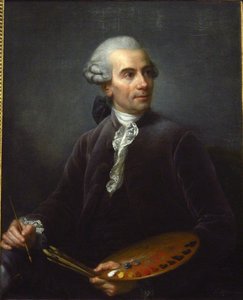
Claude-Joseph Vernet
1714 - 1789 , Francia
Datos clave
- Artistas Que Influyeron En Este Artista: ['Nicolas-Bernard Lépicié']
- Fecha De Nacimiento: 14 de agosto de 1714
- Lugar De Nacimiento: Burdeos, Francia
- Nacionalidad: Francés
- Nombre Completo: Claude-Joseph Vernet
- Notable Obras:
- intérieur du port de marseille
- a view of the port of naples
Artículos relacionados
Claude Monet: Las 25 Obras Maestras del Impresionismo para Decorar tu Hogar con Arte
Descubre las 25 obras maestras de Claude Monet, el padre del impresionismo. Explora la historia, técnica y belleza de sus paisajes, nenúfares y 'Impresión, sole levant'. Encuentra reproducciones de arte exclusivas en ArtsDot.com.
Émile Jean Horace Vernet: Romantic Realism & Depicting 19th-Century Life
Explore the life & art of Émile Jean Horace Vernet, a master of Romantic Realism. Discover his captivating battle scenes, portraits, and Orientalist works – a window into 19th-century France. Learn about his techniques & enduring legacy.

Henri-Joseph Harpignies: Capturing the Poetic Essence of the French Landscape
Explore the serene landscapes of Henri-Joseph Harpignies, a master of the Barbizon School. Discover his atmospheric paintings, recurring themes & enduring legacy in 19th-century French art. Learn more at ArtsDot.
Robert W. Salmon: Navigating the Currents of Maritime Painting & American Realism
Explore the captivating maritime paintings of Robert W. Salmon, a pioneer of American Luminism. Discover his Boston Harbor scenes, legacy, and collecting guide at ArtsDot.
Barcos en el Arte: 10 Obras Maestras para Inspirar tu Decoración
Descubre 10 obras maestras que capturan la belleza y el simbolismo de los barcos. Desde Monet hasta Van Gogh, explora la historia del arte marítimo e inspira tu decoración con reproducciones de museo en ArtsDot.com.