

 Ver en contexto
 Enviar
 Compartir
 Detalles

 Descargar
 Similares
 Radiografía
 Presentación de diapositivas
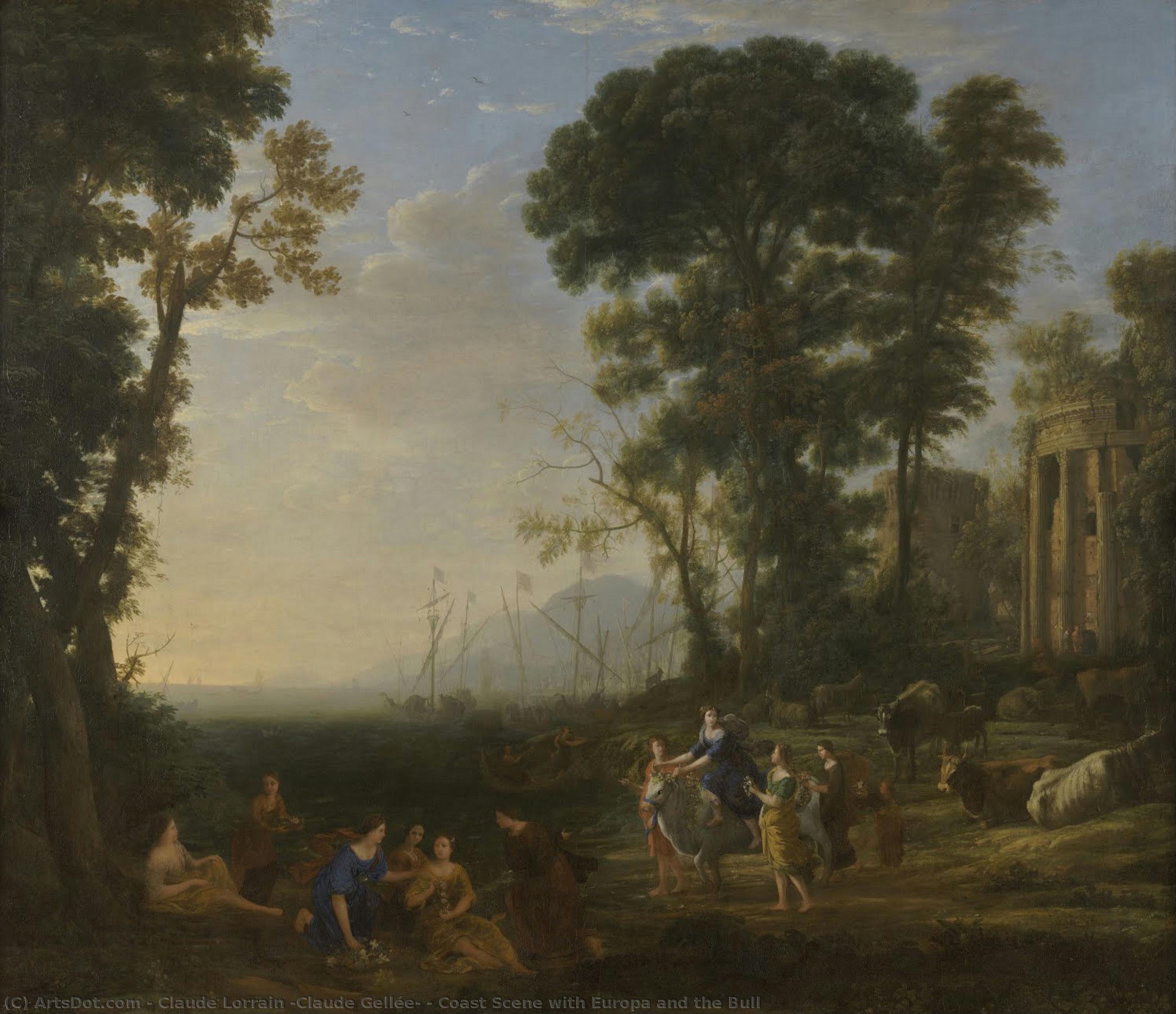
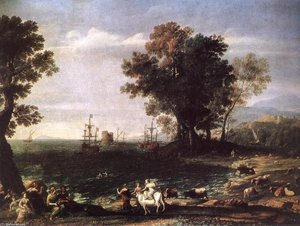
Coast Scene with Europa and the Bull
 Acrylic On Canvas
- WallArt
- Baroque Landscape
 1634
1634 170.0 x 199.0 cm
 Museo de Arte Kimbell
 Ver más
Adquiera una imagen digital de alta resolución y optimizada, muy superior a la vista previa en línea.
Cada archivo es preparado meticulosamente por nuestros especialistas internos mediante el uso de herramientas avanzadas y un experto retoque manual. Nos aseguramos de que cada imagen posea una claridad excepcional, una precisión cromática impecable y un detalle minucioso.
El archivo final se entrega por correo electrónico en un plazo de 72 horas, optimizado para su uso inmediato en entornos profesionales, editoriales y de impresión. Esta es la misma calidad en la que confían los estudios de diseño, las editoriales y las galerías de primer nivel.
Imagen Digital
Descarga un archivo de alta resolución para exhibición personal, impresión y proyectos creativos. ( Comprar impresión Comprar pintura hecha a mano)
Incluido en cada pedido de imágenes digitales
Entrega digital experta, garantizada.
Al elegir ArtsDot.com, no solo está adquiriendo una imagen; está recibiendo una obra de arte digital mejorada profesionalmente, elaborada con precisión y respaldada por una garantía de satisfacción. Esto es todo lo que incluye su pedido, automáticamente:

Entrega rápida por email
Recibirá su archivo de imagen digital en alta resolución por correo electrónico en un plazo de 72 horas tras realizar su pedido, listo para su uso inmediato.

Archivo digital optimizado por IA
Su obra de arte se optimiza profesionalmente mediante herramientas avanzadas de IA y edición manual, garantizando el máximo detalle, claridad y precisión cromática.

Reenvío gratuito de por vida
¿Has borrado o perdido tu archivo por error? No te preocupes: te lo volveremos a enviar en cualquier momento, sin coste adicional.

Sin gastos de importación, siempre
Disfrute de su obra de arte al instante sin aduanas, aranceles ni gastos de envío; las descargas digitales siempre están libres de impuestos.

Garantía de fidelidad de color
Garantizamos que su imagen digital refleje los colores originales con la mayor fidelidad posible, mediante el uso de herramientas profesionales y gestión del color.

Garantía de satisfacción de 60 días
Si no está satisfecho con su imagen digital, la revisaremos o le reembolsaremos el 100% en un plazo de 60 días, sin preguntas.

100% Garantía de devolución de dinero
¿No está satisfecho? Obtenga un reembolso completo dentro de los 60 días posteriores a la recepción de su archivo digital, sin necesidad de explicaciones.

Descuentos por pedidos grandes
Compra 3 imágenes, ahorra 10% - Compra 5, ahorra 15% - Compra 10+, ahorra 20%. Ideal para proyectos creativos, galerías y agencias.
Claude Lorrain’s “Coast Scene with Europa and the Bull”: A Symphony of Light and Myth
Claude Lorrain's "Coast Scene with Europa and the Bull," painted around 1634, isn’t merely a landscape; it’s an immersive experience—a carefully constructed tableau where classical mythology intertwines with the serene beauty of the Italian countryside. This masterpiece, now residing in the Kimbell Art Museum in Fort Worth, exemplifies Lorrain's mastery of atmospheric perspective and his ability to elevate the humble genre of landscape painting into a realm of poetic grandeur. The scene unfolds along a gently curving coastline, dominated by a shimmering expanse of turquoise water and framed by rolling hills bathed in the golden light of late afternoon. A dramatic, snow-white bull, rendered with an almost ethereal quality, emerges from the waves, carrying the terrified Princess Europa upon his back – a direct reference to Ovid’s *Metamorphoses*, where Zeus assumes this form to abduct her and bring her to Crete. Yet, it's not simply a retelling of a myth; Lorrain transforms the narrative into an exploration of beauty, power, and the sublime.A Masterclass in Atmospheric Perspective and Light
Lorrain’s genius lies not just in his subject matter but in his technical execution. He meticulously employed techniques honed during his extensive studies of Roman ruins and the landscapes surrounding Rome. The painting is a testament to his understanding of *chiaroscuro* – the dramatic interplay of light and shadow – which he masterfully utilizes to create depth and volume. Distant hills are rendered in hazy blues and purples, gradually softening as they recede into the background, while the foreground elements—the rocks, the bull, and Europa—are sharply defined with vibrant colors and meticulous detail. The light itself seems to emanate from an unseen source, bathing the scene in a warm, diffused glow that evokes a sense of tranquility and timelessness. Lorrain’s use of color is particularly noteworthy; he avoids harsh contrasts, opting instead for subtle gradations and harmonious blends that create a visually stunning and emotionally resonant effect.Symbolism and Classical Allusion
Beyond the immediate depiction of Europa's abduction, the painting is rich in symbolic meaning. The bull itself represents power, both divine and primal – a direct allusion to Zeus’s godlike authority. Europa, on the other hand, embodies innocence and beauty, her terror juxtaposed against the majestic strength of the animal. The inclusion of ruins—a classical temple subtly integrated into the landscape—serves as a reminder of the enduring legacy of antiquity and the connection between nature and human civilization. Lorrain frequently employed such elements in his work, elevating the pastoral to a realm of historical significance. The composition also echoes earlier works by Flemish masters like Paul and Matthew Bril, who similarly depicted idyllic landscapes with figures placed strategically within the scene—a deliberate nod to established artistic conventions.Evoking Emotion: Beauty, Terror, and the Sublime
“Coast Scene with Europa and the Bull” is more than just a visually pleasing composition; it’s designed to evoke a profound emotional response. The juxtaposition of beauty and terror—the serene landscape contrasted with Europa's fear—creates a sense of unease and wonder. The painting captures the essence of the sublime, that feeling of awe and astonishment experienced when confronted with something vast and overwhelming – in this case, the power of nature and the mysteries of mythology. Lorrain’s skillful manipulation of light and color contributes significantly to this emotional impact, drawing the viewer into the scene and inviting them to contemplate the timeless themes of love, loss, and the eternal struggle between order and chaos. It's a painting that lingers in the memory long after it has been viewed, prompting reflection on its complex layers of meaning and artistic brilliance.A Legacy of Pastoral Idealism
Claude Lorrain’s “Coast Scene with Europa and the Bull” stands as a pivotal work in the history of landscape painting. It solidified his reputation as the foremost landscapist of his time, influencing generations of artists who followed. His ability to seamlessly blend classical mythology with idealized landscapes established a new standard for genre painting, elevating it from mere decoration to a vehicle for profound artistic expression. Today, this remarkable artwork continues to captivate audiences with its breathtaking beauty, intricate detail, and enduring symbolic power—a testament to the genius of Claude Lorrain and his mastery of light, color, and composition.Obras relacionadas

Biografía del artista
Claude Lorrain (Claude Gellée): Una Vida en Luz y Paisaje
Primeros Años y Formación
Nacido alrededor de 1600 en Chamagne, un pequeño pueblo en el Ducado de Lorena (actual Francia), Claude Lorrain – originalmente Claude Gellée – se ha convertido en uno de los pintores de paisajes más celebrados del período barroco. Su vida temprana está envuelta en cierta medida en el misterio, con relatos contradictorios sobre su aprendizaje. Un relato, de Joachim von Sandrart, sugiere un comienzo humilde como aprendiz de panadero antes de encontrar empleo entre artistas en Roma. Otro, de Filippo Baldinucci, detalla una formación anterior en Nápoles con Goffredo Wals y posteriormente en Roma bajo Agostino Tassi.
Ascenso a la Prominencia
Para la década de 1630, Claude Lorrain se había establecido firmemente como el principal paisajista en Italia. Sus pinturas rápidamente ganaron reconocimiento por sus cualidades atmosféricas y alcanzaban precios elevados. Combinaba hábilmente paisajes italianos con temas clásicos y bíblicos, creando escenas que eran tanto visualmente impresionantes como intelectualmente estimulantes.
Estilo Artístico y Características Clave
- Luz Radiante: Una característica definitoria del trabajo de Claude es su maestrosa representación de la luz. Fue uno de los primeros artistas en representar consistentemente el sol brillando a través de paisajes, creando una sensación de atmósfera y realismo previamente sin precedentes.
- Influencias Clásicas: Sus composiciones a menudo se inspiran en la antigüedad clásica, incorporando ruinas romanas, figuras mitológicas y elementos arquitectónicos.
- Paisajes Idealizados: Claude no tenía como objetivo la precisión topográfica estricta; en cambio, creaba paisajes idealizados que evocaban una sensación de armonía y tranquilidad.
- Dibujos Detallados: Era un dibujante prolífico, creando numerosos bocetos y estudios en lápiz, lavado a acuarela y carboncillo – muchos de los cuales se conservan en su Liber Veritatis.
Influencias y Desarrollo
Las primeras influencias de Claude incluían las tradiciones del paisaje de Europa del Norte, particularmente las de los pintores flamencos. También estudió las obras de maestros italianos del Renacimiento como Tiziano y Rafael. Con el tiempo, su estilo evolucionó desde composiciones más oscuras y dramáticas hacia escenas más claras y aireadas caracterizadas por un brillo dorado.
Obras Notables
- Paisaje con Campesinos Regresando con sus Rebaños
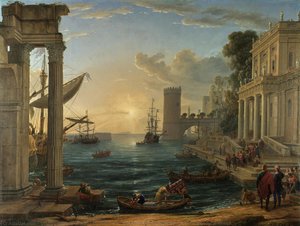
- Puerto con el Embarque de la Reina de Saba
- Amanecer
- Paisaje Pastoral: La Campagna Romana
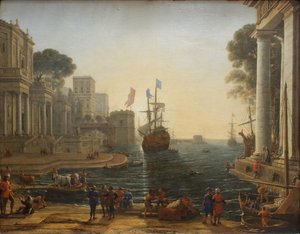
- El Desembarco de Cleopatra en Tarsis
Significado Histórico y Legado
Claude Lorrain’s impacto en la pintura del paisaje es inmensurable. Elevaría el género a un nivel de prestigio previamente reservado para los temas históricos y religiosos. Sus obras influyeron en generaciones de artistas, incluyendo a J.M.W. Turner y pintores impresionistas que buscaban capturar los efectos fugaces de la luz y la atmósfera. Hoy en día, sus pinturas se valoran mucho y se pueden encontrar en importantes museos de todo el mundo, particularmente la Galería Nacional (Londres) y la Galería de Arte del Sur Australia.
Vida Tardía y Muerte
Claude Lorrain falleció el 23 de noviembre de 1682 en Roma. Su lápida en la iglesia de San Luigi dei Francesi lleva una inscripción sencilla: “Claude / pintor de / roma / muerto / el 23 de noviembre de 1682”. Dejó atrás un legado como uno de los pintores de paisajes más importantes e influyentes de la historia del arte occidental.
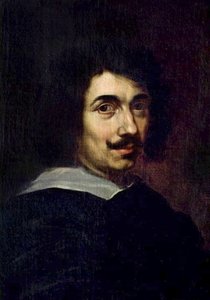
Claude Lorrain (Claude Gellée)
1600 - 1682 , Lorraine
Breves datos
- Artistic Movement Or Style: Barroco
- Artists Who Influenced This Artist:
- Goffredo Wals
- Agostino Tassi
- Date Of Birth: c. 1600
- Date Of Death: November 23, 1682
- Full Name: Claude Lorrain (Claude Gellée)
- Nationality: Francés (Lorraine)
- Notable Artworks:
- Paisaje con campesinos regresando con sus ganado
- Puerto marítimo con el desembarcamiento de la Reina de Saba
- Place Of Birth: Chamagne, Vosges, Duchy of Lorraine

