 Ver en contexto
 Enviar
 Compartir
 Detalles

 Descargar
 Similares
 Radiografía
 Presentación de diapositivas
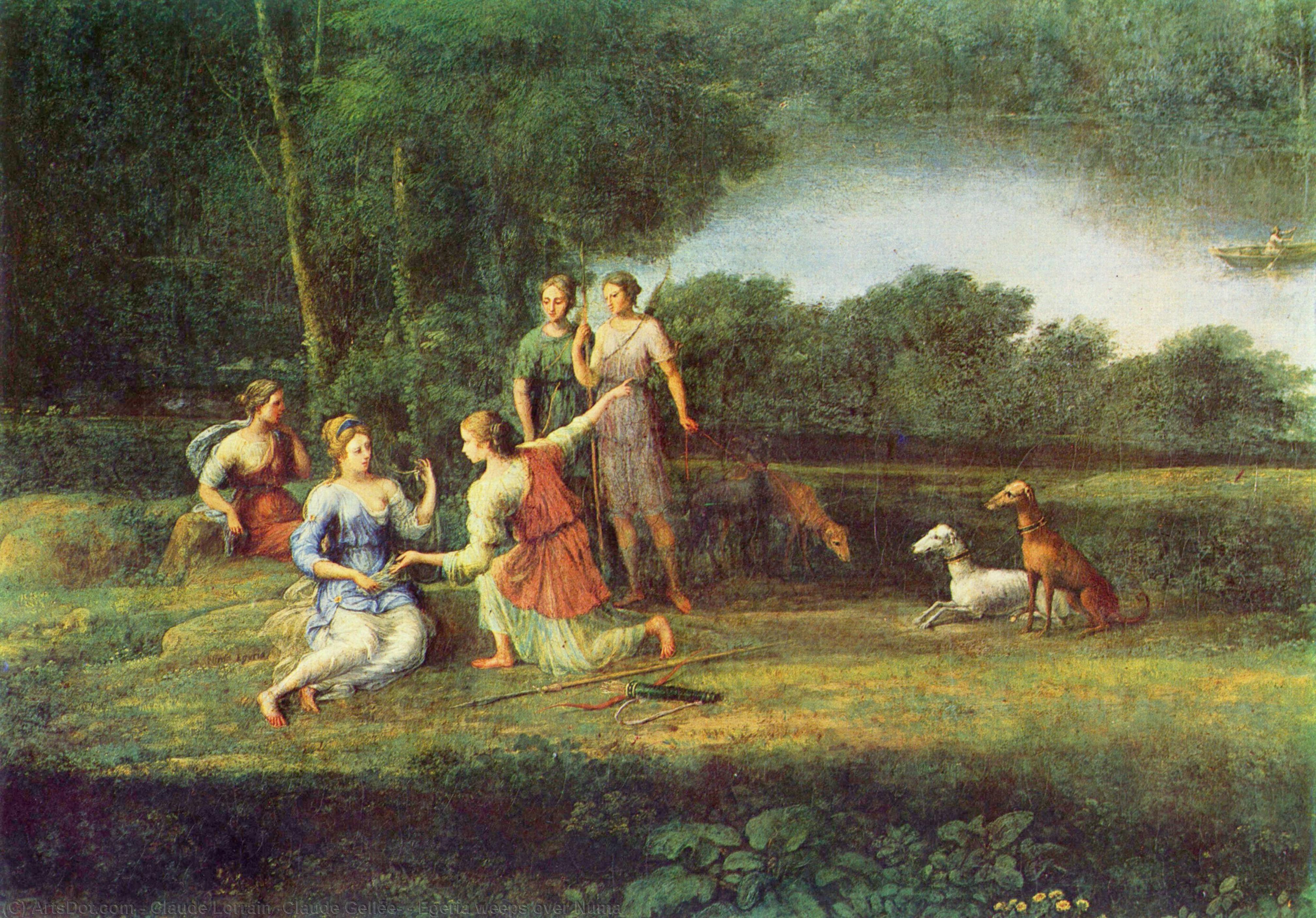
Egeria weeps over Numa
 Oil On Canvas
- WallArt
- Baroque
 1669
1669- Early Modern
 155.0 x 200.0 cm
 Ver más
Reproducción al óleo hecha a mano
Óleo sobre lienzo pintado a mano en el tamaño y marco de su elección, realizado por encargo por nuestros artistas. ( Comprar impresión Comprar imagen)




P118B $10

P118H $10

P118W $10

P438Z $10

P508JH $12

P508YH $12

P805H $10

P805Z $10

P919BZ $10

P919G $10

P919XJ $10

P959ZH $10

P968JZ $12

W106C $8

W218G $10

W218JH $8

W218Y $10

W307PJ $10

W316G $10

W316PJ $8

W316Y $10

W398PJ $8

W4111J $10

W500HY $15

W500JH $15

W692G $12

W849H $8

W940BG $15

W953PJ $8




Elija entre nuestros tamaños predefinidos que respetan las proporciones originales de la obra.

Puede ingresar sus propias dimensiones para adaptarse a un marco o espacio específico. Si el tamaño seleccionado no coincide con las proporciones de la imagen original, recortaremos la obra o extenderemos la pintura con elementos adicionales pintados a mano. Se le enviará una maqueta digital para su aprobación antes de comenzar la producción.
Tenga en cuenta que la vista previa en pantalla no refleja el recorte o la extensión reales. Solo la maqueta mostrará con precisión la composición final.
Si bien existen tamaños personalizados, recomendamos seleccionar una dimensión de la lista predefinida para preservar las proporciones originales.
Tras realizar el pedido, el equipo de ArtsDot.com enviará un correo electrónico al cliente para solicitar instrucciones y proporcionarle una vista previa del boceto.
Envío a todo el mundo () en 3-4 semanas en lugar de las 5 semanas estándar. (22 agosto). Sin comprometer la calidad.

Envío exprés gratuito a todo el mundo

Lienzo de lino de alta calidad

Seguro de envío total

Garantía de reembolso de impuestos aduaneros

Garantía de fidelidad cromática exacta

Política de devolución de 60 días (solo por defectos)

Garantía de devolución del 100% del dinero

Descuento por cantidad
 La opción de vidrio solo está disponible en tamaños inferiores a 110 cm.

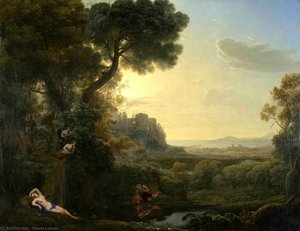
Egeria weeps over Numa
Técnica de reproducción
Dimensiones de la reproducción
-


Precio total final
$ 363
Descripción de la obra
A Symphony of Light and Sorrow: Claude Lorrain’s Egeria weeps over Numa
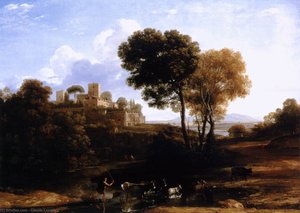
In the grand tapestry of the Baroque era, few artists possessed the ability to weave light into the very fabric of nature as masterfully as Claude Lorrain. His 1669 masterpiece, Egeria weeps over Numa, stands as a profound testament to this skill, offering a window into a world where the boundaries between the human soul and the natural landscape dissolve. The painting invites us into a moment of quiet, mythological intimacy, capturing a scene of profound tenderness and sorrow. As we gaze upon the canvas, we are not merely observers of a historical narrative, but participants in a serene, idyllic dreamscape that feels both ancient and eternally present.
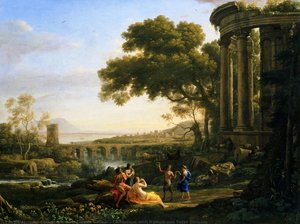
The composition is a triumph of classical balance, guiding the eye through a meticulously layered environment. At the heart of this pastoral drama, figures are arranged with a grace that mirrors the organic contours of the surrounding woods. The foreground serves as an emotional anchor, where the weight of the narrative resides, while the middle ground unfolds into a lush, verdant expanse of trees and foliage. In the far distance, a solitary boat drifts upon calm waters, adding a sense of infinite depth and quietude to the scene. This careful layering creates a shallow yet immersive perspective, pulling the viewer into a space that feels as vast as it is intimate.
The Mastery of Chiaroscuro and Texture
Technically, the work is a marvel of chiaroscuro, the dramatic interplay of light and shadow that defines the Baroque spirit. Lorrain utilizes soft, diffused lighting—reminiscent of an overcast afternoon or sunlight filtered through a dense canopy—to sculpt the forms of the figures and the rugged textures of the earth. This technique lends a remarkable sense of volume to the characters, making their presence feel tangible and heavy with emotion. The brushwork, though precise, retains a visible vitality that contributes to the rich tapestry of textures found throughout the piece: from the smooth, luminous skin of the mythological figures to the rough, weathered bark of the ancient trees and the soft, undulating carpet of the grassy ground.
The color palette is intentionally muted, favoring a naturalistic harmony of deep greens, earthy browns, and tranquil blues. This restraint allows for moments of breathtaking brilliance; subtle highlights of red and gold in the figures' attire act as focal points, drawing attention to the emotional core of the painting. For the discerning collector or interior designer, this sophisticated palette offers an unparalleled versatility, providing a sense of classical grandeur that can anchor a room with quiet authority and timeless elegance.
Mythological Resonance and Emotional Depth
Beyond its technical brilliance, Egeria weeps over Numa is steeped in the symbolic language of antiquity. The painting references the poignant myth of the nymph Egeria and King Numa Pompilius, a narrative that explores themes of divine inspiration, love, and loss. The presence of elements such as the hunting dog and the pastoral setting evokes the classical tradition of the arcadian landscape—a lost paradise where man and nature exist in perfect, albeit melancholic, harmony. Every element, from the way a branch bends to the stillness of the distant water, serves to amplify the underlying tension between the beauty of the world and the inevitability of grief.
To possess a reproduction of this work is to bring more than just decoration into a space; it is to invite a sense of contemplative peace and historical depth. The painting does not shout for attention but rather commands it through its atmospheric subtlety and emotional resonance. It is an ideal centerpiece for those seeking to cultivate an environment of sophistication, storytelling, and profound beauty, offering a lasting connection to the luminous legacy of Claude Lorrain.
Obras relacionadas

Biografía del artista
Claude Lorrain (Claude Gellée): Una Vida en Luz y Paisaje
Primeros Años y Formación
Nacido alrededor de 1600 en Chamagne, un pequeño pueblo en el Ducado de Lorena (actual Francia), Claude Lorrain – originalmente Claude Gellée – se ha convertido en uno de los pintores de paisajes más celebrados del período barroco. Su vida temprana está envuelta en cierta medida en el misterio, con relatos contradictorios sobre su aprendizaje. Un relato, de Joachim von Sandrart, sugiere un comienzo humilde como aprendiz de panadero antes de encontrar empleo entre artistas en Roma. Otro, de Filippo Baldinucci, detalla una formación anterior en Nápoles con Goffredo Wals y posteriormente en Roma bajo Agostino Tassi.
Ascenso a la Prominencia
Para la década de 1630, Claude Lorrain se había establecido firmemente como el principal paisajista en Italia. Sus pinturas rápidamente ganaron reconocimiento por sus cualidades atmosféricas y alcanzaban precios elevados. Combinaba hábilmente paisajes italianos con temas clásicos y bíblicos, creando escenas que eran tanto visualmente impresionantes como intelectualmente estimulantes.
Estilo Artístico y Características Clave
- Luz Radiante: Una característica definitoria del trabajo de Claude es su maestrosa representación de la luz. Fue uno de los primeros artistas en representar consistentemente el sol brillando a través de paisajes, creando una sensación de atmósfera y realismo previamente sin precedentes.
- Influencias Clásicas: Sus composiciones a menudo se inspiran en la antigüedad clásica, incorporando ruinas romanas, figuras mitológicas y elementos arquitectónicos.
- Paisajes Idealizados: Claude no tenía como objetivo la precisión topográfica estricta; en cambio, creaba paisajes idealizados que evocaban una sensación de armonía y tranquilidad.
- Dibujos Detallados: Era un dibujante prolífico, creando numerosos bocetos y estudios en lápiz, lavado a acuarela y carboncillo – muchos de los cuales se conservan en su Liber Veritatis.
Influencias y Desarrollo
Las primeras influencias de Claude incluían las tradiciones del paisaje de Europa del Norte, particularmente las de los pintores flamencos. También estudió las obras de maestros italianos del Renacimiento como Tiziano y Rafael. Con el tiempo, su estilo evolucionó desde composiciones más oscuras y dramáticas hacia escenas más claras y aireadas caracterizadas por un brillo dorado.
Obras Notables
- Paisaje con Campesinos Regresando con sus Rebaños
- Puerto con el Embarque de la Reina de Saba
- Amanecer
- Paisaje Pastoral: La Campagna Romana
- El Desembarco de Cleopatra en Tarsis
Significado Histórico y Legado
Claude Lorrain’s impacto en la pintura del paisaje es inmensurable. Elevaría el género a un nivel de prestigio previamente reservado para los temas históricos y religiosos. Sus obras influyeron en generaciones de artistas, incluyendo a J.M.W. Turner y pintores impresionistas que buscaban capturar los efectos fugaces de la luz y la atmósfera. Hoy en día, sus pinturas se valoran mucho y se pueden encontrar en importantes museos de todo el mundo, particularmente la Galería Nacional (Londres) y la Galería de Arte del Sur Australia.
Vida Tardía y Muerte
Claude Lorrain falleció el 23 de noviembre de 1682 en Roma. Su lápida en la iglesia de San Luigi dei Francesi lleva una inscripción sencilla: “Claude / pintor de / roma / muerto / el 23 de noviembre de 1682”. Dejó atrás un legado como uno de los pintores de paisajes más importantes e influyentes de la historia del arte occidental.
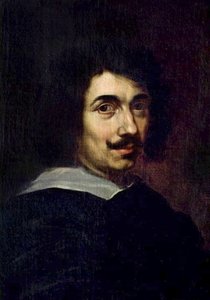
Claude Lorrain (Claude Gellée)
1600 - 1682 , Lorraine
Datos clave
- Artistic Movement Or Style: Barroco
- Artists Who Influenced This Artist:
- Goffredo Wals
- Agostino Tassi
- Date Of Birth: c. 1600
- Date Of Death: November 23, 1682
- Full Name: Claude Lorrain (Claude Gellée)
- Nationality: Francés (Lorraine)
- Notable Artworks:
- Paisaje con campesinos regresando con sus ganado
- Puerto marítimo con el desembarcamiento de la Reina de Saba
- Place Of Birth: Chamagne, Vosges, Duchy of Lorraine
Artículos relacionados
Claude Lorrain: Master of Light & Landscape in the Golden Age
Explore the luminous landscapes of Claude Lorrain, a Baroque master renowned for his masterful use of light & atmosphere. Discover his life, techniques, key works & enduring influence on art history.
Claude Monet: Las 25 Obras Maestras del Impresionismo para Decorar tu Hogar con Arte
Descubre las 25 obras maestras de Claude Monet, el padre del impresionismo. Explora la historia, técnica y belleza de sus paisajes, nenúfares y 'Impresión, sole levant'. Encuentra reproducciones de arte exclusivas en ArtsDot.com.

John Constable: Las 25 Obras Maestras del Paisaje Inglés | ArtsDot
Descubre las 25 obras maestras de John Constable, el pintor romántico inglés que capturó la belleza del paisaje. Explora su técnica, historia y significado en ArtsDot.com. Reproducciones de arte de alta calidad para tu hogar.

Evocations of Place: A Historical Journey Through Landscape Art
Explore the rich history of landscape art with ArtsDot. Discover renowned artists, movements like Impressionism & Romanticism, and expert guidance for collecting timeless pieces. Find your perfect serene escape today!

Los 10 Maestros del Paisaje Impresionista: Obras que Cambiaron la Historia del Arte
Descubre los 10 lienzos impresionistas que revolucionaron el arte. Monet, Renoir y más… Explora la historia, técnica y belleza de cada obra maestra. Encuentra reproducciones de alta calidad para tu hogar en ArtsDot.com.