

 Ver en contexto
 Enviar
 Compartir
 Detalles

 Descargar
 Similares
 Radiografía
 Presentación de diapositivas
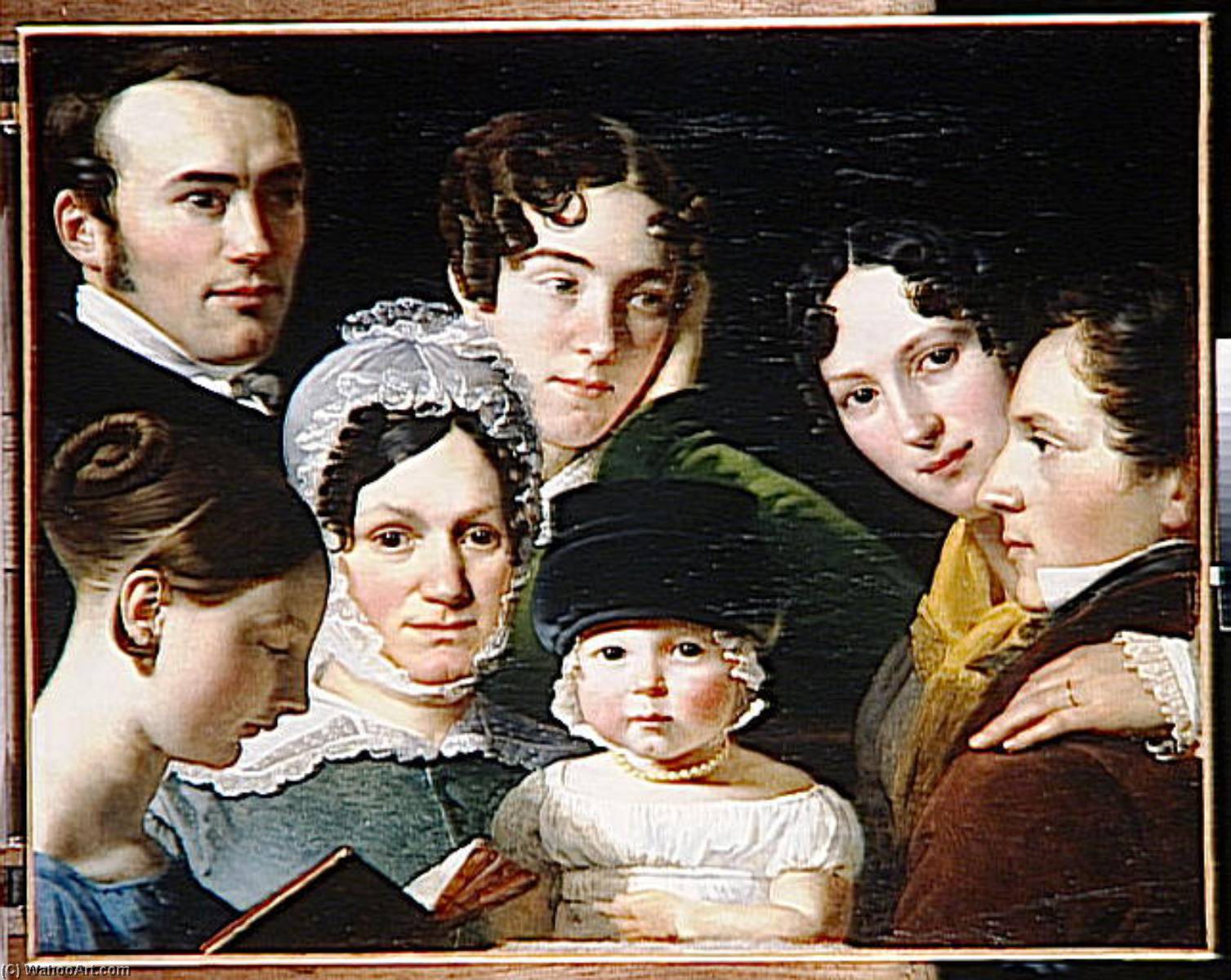
LA FAMILLE DUBUFE EN 1820


 Ver más
Reproducción al óleo hecha a mano
Óleo sobre lienzo pintado a mano en el tamaño y marco de su elección, realizado por encargo por nuestros artistas. ( Comprar impresión Comprar imagen)




P118B $10

P118H $10

P118W $10

P438Z $10

P508JH $12

P508YH $12

P805H $10

P805Z $10

P919BZ $10

P919G $10

P919XJ $10

P959ZH $10

P968JZ $12

W106C $8

W218G $10

W218JH $8

W218Y $10

W307PJ $10

W316G $10

W316PJ $8

W316Y $10

W398PJ $8

W4111J $10

W500HY $15

W500JH $15

W692G $12

W849H $8

W940BG $15

W953PJ $8




Elija entre nuestros tamaños predefinidos que respetan las proporciones originales de la obra.

Puede ingresar sus propias dimensiones para adaptarse a un marco o espacio específico. Si el tamaño seleccionado no coincide con las proporciones de la imagen original, recortaremos la obra o extenderemos la pintura con elementos adicionales pintados a mano. Se le enviará una maqueta digital para su aprobación antes de comenzar la producción.
Tenga en cuenta que la vista previa en pantalla no refleja el recorte o la extensión reales. Solo la maqueta mostrará con precisión la composición final.
Si bien existen tamaños personalizados, recomendamos seleccionar una dimensión de la lista predefinida para preservar las proporciones originales.
Tras realizar el pedido, el equipo de ArtsDot.com enviará un correo electrónico al cliente para solicitar instrucciones y proporcionarle una vista previa del boceto.
Envío a todo el mundo () en 3-4 semanas en lugar de las 5 semanas estándar. (25 agosto). Sin comprometer la calidad.

Envío exprés gratuito a todo el mundo

Lienzo de lino de alta calidad

Seguro de envío total

Garantía de reembolso de impuestos aduaneros

Garantía de fidelidad cromática exacta

Política de devolución de 60 días (solo por defectos)

Garantía de devolución del 100% del dinero

Descuento por cantidad
 La opción de vidrio solo está disponible en tamaños inferiores a 110 cm.

LA FAMILLE DUBUFE EN 1820
Técnica de reproducción
Dimensiones de la reproducción
-


Precio total final
$ 413
Descripción de la obra
The Dubufe Family in 1820 – A Portrait of Neo-Classical Dignity
“The Dubufe Family in 1820” by Claude Marie Paul Dubufe stands as a quintessential emblem of the waning years of Neoclassicism, capturing not merely an image of familial life but also the spirit of its time—a period defined by restrained elegance and moral seriousness. Painted in 1820, this monumental oil on canvas resides within the Louvre Museum’s collections, offering viewers a glimpse into the opulent yet subtly melancholic world of French aristocratic society. The artwork's composition is strikingly deliberate: Dubufe employs a pyramidal structure, meticulously arranging the figures to convey a profound sense of unity and familial connection. Overlapping poses create intimacy while simultaneously emphasizing the importance of each individual within the family unit. The artist’s masterful use of light—softly diffused—illuminates the faces evenly, minimizing harsh shadows and fostering an atmosphere of quiet contemplation. This technique underscores the solemn dignity inherent in portraiture during this era, reflecting a desire to portray subjects with respect and admiration. The color palette leans towards muted earth tones – ochre yellows, browns, and creams – accented by delicate washes of paler hues that lend warmth and luminosity to the scene. These restrained colors mirror the aesthetic sensibilities of Neoclassicism, prioritizing clarity and balance over flamboyant ornamentation. The background is dark, providing a dramatic contrast that highlights the faces and clothing of the Dubufe family members, drawing attention to their presence and reinforcing the portrait’s formal grandeur. Dubufe's artistic approach demonstrates an unwavering commitment to realism combined with idealized representation—a hallmark of David’s legacy. Detailed brushstrokes meticulously render skin tones and fabric folds, capturing subtle nuances that convey a sense of texture and depth. Lines delineate facial features and clothing details with precision, contributing to the overall impression of meticulous craftsmanship. Geometric elements subtly permeate the patterns of some garments, grounding the composition in classical principles while maintaining visual interest.- Artist: Claude Marie Paul Dubufe (1790–1864)
- Style: Neoclassical Portraiture
- Medium: Oil on Canvas
- Location: Louvre Museum, Paris
Symbolism and Context – Echoes of David’s Influence
Dubufe's work is deeply rooted in the artistic traditions established by Jacques-Louis David, whose monumental canvases had revolutionized painting with their austere grandeur and moral seriousness. Like David, Dubufe sought to honor classical ideals—particularly those of rationality and order—while simultaneously injecting subtle emotional nuance into his compositions. The pyramidal structure itself symbolizes stability and harmony, reflecting a belief in the importance of social hierarchy and familial responsibility. The solemn expressions on the faces of the Dubufe family members convey a sense of restrained emotion characteristic of portraits from this period. They embody dignity and composure, mirroring the values upheld by the French aristocracy during the Restoration—a time marked by political upheaval but also by an enduring fascination with classical art and culture. The painting serves as a testament to the artistic legacy of David, demonstrating how his influence continued to shape artistic expression even in its twilight years.Technique – Mastering Light and Texture
Dubufe’s masterful technique—characterized by meticulous brushstrokes and careful blending of colors—exemplifies the precision demanded by Neoclassical painting. The artist skillfully utilizes light diffusion to create a flattering effect, minimizing harsh shadows and enhancing the luminosity of the faces. Subtle variations in shading define facial features and clothing textures, conveying a remarkable level of realism. The smooth texture achieved through oil paint application contributes to the overall impression of elegance and refinement. Close examination reveals delicate brushstrokes that capture the nuances of fabric folds and skin tones—a testament to Dubufe’s dedication to capturing the essence of his subjects with unwavering accuracy. This meticulous attention to detail underscores the artistic standards upheld during David's time, cementing Dubufe’s place as a pivotal figure in French art history.Further Exploration – Viewing “The Dubufe Family” at the Louvre
A visit to the Louvre Museum offers an unparalleled opportunity to experience "The Dubufe Family" firsthand. Located in Salle XVIII, this monumental artwork commands attention with its impressive scale and masterful execution. Admire the artist’s skillful use of light and color, reflecting the aesthetic sensibilities of Neoclassicism—a style that continues to inspire artists and collectors alike.Obras relacionadas
Biografía del artista
Claude-Marie Paul Dubufe: The Last Echo of David’s Legacy
Claude-Marie Paul Dubufe (1790–1864) stands as a poignant figure in French art history—the final bastion of Jacques-Louis David's artistic lineage, marking the twilight years of Neoclassicism and ushering in a new era of Romanticism. Born in Paris amidst the burgeoning intellectual fervor of his time, Dubufe’s formative years were steeped in the ideals championed by David himself, whose monumental canvases had redefined artistic expression with their austere grandeur and moral seriousness. This early influence profoundly shaped Dubufe's stylistic trajectory, initially favoring classical subjects—mythological narratives and biblical scenes—reflecting a desire to honor tradition while simultaneously injecting subtle emotional nuance into his compositions. Early Training & Influences: Dubufe’s formal education commenced under David’s tutelage at the École Royale Supérieure des Beaux-Arts, where he absorbed not only technical mastery but also a deep appreciation for artistic idealism. The emphasis on anatomical precision and dramatic storytelling—hallmarks of David's oeuvre—became indelible components of Dubufe’s artistic vocabulary. He internalized David’s unwavering commitment to portraying virtue and heroism with unflinching realism, shaping his approach to composition and color alike. This formative period cemented Dubufe’s dedication to upholding the highest standards of artistic excellence – a legacy that would endure throughout his prolific career. Dubufe's artistic journey began within the crucible of Davidian influence, where he honed his skills under one of France’s most celebrated painters. Recognizing David’s profound impact on artistic thought and technique, Dubufe embraced classical principles as a guiding force—a conscious decision to honor the past while simultaneously forging his own distinctive path. This intellectual engagement fueled his creative endeavors, resulting in works that resonate with both formal elegance and psychological depth.- Genre Painting & Portraiture: While firmly rooted in classical ideals, Dubufe swiftly transitioned to genre painting and portraiture, capturing the vibrancy of Parisian life and portraying individuals with remarkable sensitivity. Unlike David’s monumental canvases focused on heroic narratives, Dubufe's subjects were often ordinary people—aristocrats, artists, musicians—presented with an intimacy that belied their social status. He skillfully rendered scenes from daily existence – bustling marketplaces, elegant salons – conveying the atmosphere of his time with meticulous detail and capturing fleeting expressions of emotion.
- Notable Achievements: Dubufe’s legacy rests primarily on his portraits, which are celebrated for their psychological insight and artistic finesse. He was recognized as a master of capturing the essence of his subjects—their character, temperament, and inner life—transforming mere likenesses into evocative representations of human experience. His unwavering commitment to portraying virtue and heroism with unflinching realism – mirroring David’s own artistic ethos – solidified his place in art history.
- David's Influence: Dubufe’s stylistic choices – particularly his restrained palette and emphasis on anatomical correctness – served as a direct continuation of David’s artistic vision. He remained steadfast in upholding the principles of Neoclassicism, ensuring that David’s legacy endured into the Victorian era.
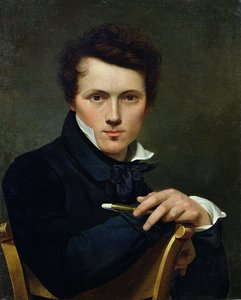
Claude Marie Paul Dubufe
1790 - 1864 , Francia
Datos clave
- Artistic Movement Or Style: Escuela David
- Artists Or Movements Influenced By This Artist: ['Romanticismo']
- Artists Who Influenced This Artist: ['Jacques Louis David']
- Date Of Birth: 1790
- Date Of Death: 1864
- Full Name: Claude Marie Paul Dubufe
- Nationality: Francés
- Notable Artworks: ['Carta de Wagram']
- Place Of Birth: Paris, Francia
Artículos relacionados
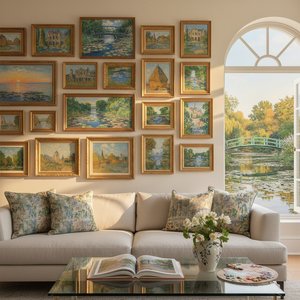
Claude Monet: Las 25 Obras Maestras del Impresionismo para Decorar tu Hogar con Arte
Descubre las 25 obras maestras de Claude Monet, el padre del impresionismo. Explora la historia, técnica y belleza de sus paisajes, nenúfares y 'Impresión, sole levant'. Encuentra reproducciones de arte exclusivas en ArtsDot.com.
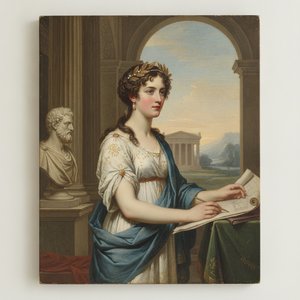
The Revival of Antiquity: Exploring Ideals of Beauty & Power in Neoclassical Portraiture
Explore the captivating world of Neoclassical portraiture! Discover the power & ideals behind masterpieces by David, Girodet & more. Expert analysis, custom reproductions & art appraisal at ArtsDot.
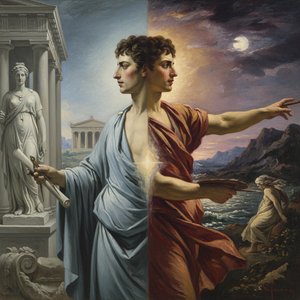
Anne-Louis Girodet: Bridging Neoclassicism & Romanticism with Emotional Truth
Explore the captivating world of Anne-Louis Girodet, a pivotal figure bridging Neoclassicism & Romanticism. Discover his masterpieces and unique artistic vision with ArtsDot.
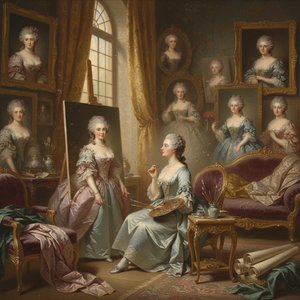
Vigée Le Brun: Portraiture, Patronage & Feminine Identity in 18th-Century France
Explore the life & art of Louise Élisabeth Vigée Le Brun, Marie Antoinette’s renowned portraitist. Discover her Rococo style, self-portraits, and influence on 18th-century French painting. A deep dive into patronage & feminine identity.
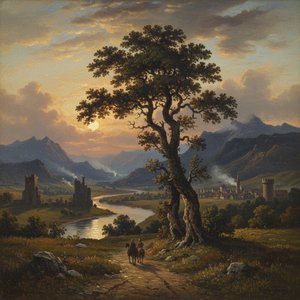
Paul Huet: Capturing the Essence of French Romanticism Through Light and Landscape
Explore the captivating world of Paul Huet (1803-1869), a master of French Romantic landscape painting. Discover his influence on Barbizon & Impressionism, and browse high-quality reproductions at ArtsDot.

