 Vista previa
 Compartir
 Compartir
 Ver detalles

 Descargar
 Ver similares
 Radiografía
 Presentación de diapositivas
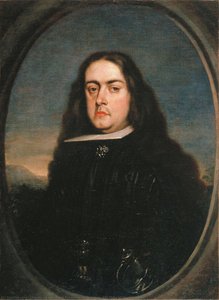
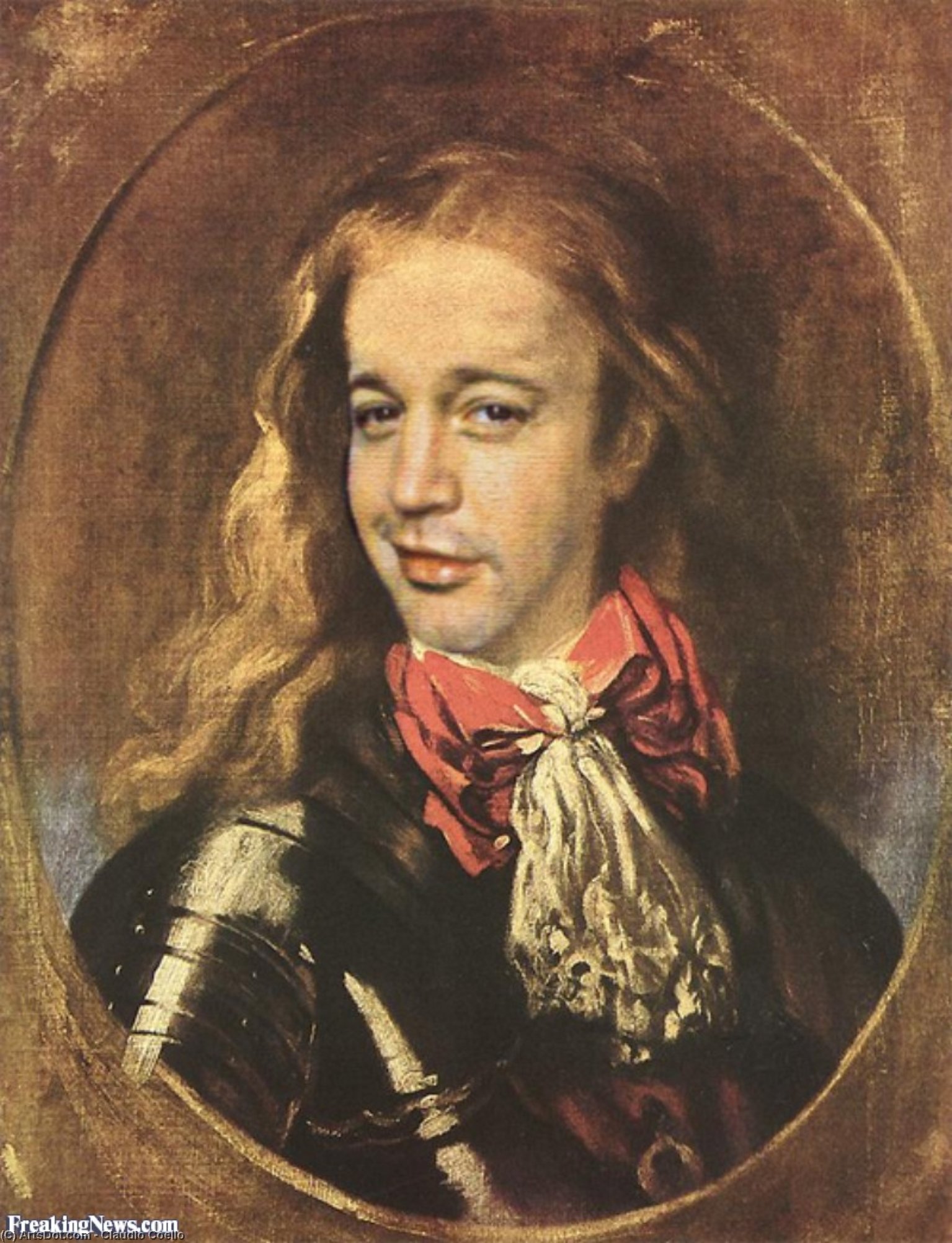
King Charles II
 Óleo sobre lienzo
- Arte de pared
- Baroque
 1675
1675- Renacimiento
 66.0 x 56.0 cm
 Museo del Prado
 Leer más
Reproducción al óleo hecha a mano
Óleo sobre lienzo pintado a mano en el tamaño y marco de su elección, realizado por encargo por nuestros artistas. ( Pedir impresión Comprar descarga)




P118B $10

P118H $10

P118W $10

P438Z $10

P508JH $12

P508YH $12

P805H $10

P805Z $10

P919BZ $10

P919G $10

P919XJ $10

P959ZH $10

P968JZ $12

W106C $8

W218G $10

W218JH $8

W218Y $10

W307PJ $10

W316G $10

W316PJ $8

W316Y $10

W398PJ $8

W4111J $10

W500HY $15

W500JH $15

W692G $12

W849H $8

W940BG $15

W953PJ $8




Elija entre nuestros tamaños predefinidos que respetan las proporciones originales de la obra.

Puede ingresar sus propias dimensiones para adaptarse a un marco o espacio específico. Si el tamaño seleccionado no coincide con las proporciones de la imagen original, recortaremos la obra o extenderemos la pintura con elementos adicionales pintados a mano. Se le enviará una maqueta digital para su aprobación antes de comenzar la producción.
Tenga en cuenta que la vista previa en pantalla no refleja el recorte o la extensión reales. Solo la maqueta mostrará con precisión la composición final.
Si bien existen tamaños personalizados, recomendamos seleccionar una dimensión de la lista predefinida para preservar las proporciones originales.
Tras realizar el pedido, el equipo de ArtsDot.com enviará un correo electrónico al cliente para solicitar instrucciones y proporcionarle una vista previa del boceto.
Envío a todo el mundo () en 3-4 semanas en lugar de las 5 semanas estándar. (19 agosto). Sin comprometer la calidad.

Envío exprés gratuito a todo el mundo

Lienzo de lino de alta calidad

Seguro de envío completo

Garantía de reembolso de aranceles aduaneros

Garantía de fidelidad cromática exacta

Política de devolución de 60 días (solo por defectos)

Garantía de devolución del 100% del dinero

Oferta por volumen
 La opción de vidrio solo está disponible en tamaños inferiores a 110 cm.

King Charles II
Técnica de reproducción
Tamaño de la reproducción
-


Precio total
$ 263
Descripción de la obra
King Charles II – A Portrait of Majesty Amidst Uncertainty
Claudio Coello’s “King Charles II,” completed in 1675, stands as a cornerstone of Baroque portraiture and a poignant reflection of Spain's precarious position at the cusp of its decline. More than just a likeness of the young monarch—Charles II (1661-1700)—the painting embodies the anxieties surrounding succession and the looming shadow of Louis XIV’s dominance, capturing a moment frozen in time.
- Subject Matter: The portrait depicts Charles II seated formally, dressed in opulent crimson robes adorned with intricate embroidery—a deliberate statement of royal authority. His gaze is direct, conveying seriousness and introspection, yet subtly hinting at vulnerability beneath the veneer of regal composure.
- Style & Technique: Coello’s masterful use of chiaroscuro – dramatic contrasts between light and dark – dominates the composition. Light illuminates Charles' face and attire, highlighting textures and creating a palpable sense of depth. The artist employs loose brushstrokes, characteristic of Baroque style, conveying movement and dynamism despite the static pose.
- Historical Context: Painted during Charles II’s reign, the portrait reflects the turbulent political landscape of Spain. Philip IV’s death left the throne vacant, triggering a succession crisis that pitted Charles against his cousin Louis XIV—a confrontation that would ultimately culminate in the War of Succession and reshape European power dynamics. The painting serves as a visual chronicle of this era.
- Symbolism: The red bow tie – a symbol of royal dignity – underscores Charles’s status as heir to the Habsburg throne. Furthermore, Coello's meticulous depiction of Charles’s facial features—his long hair and mustache—reflects prevailing artistic conventions of the time, emphasizing idealized beauty and conveying an aura of nobility.
- Emotional Impact: Despite its grandeur, “King Charles II” possesses a subtle melancholic quality. The artist’s gaze captures a moment of quiet contemplation, hinting at the burdens of leadership and the anxieties surrounding the future of Spain. It invites viewers to ponder not only Charles's appearance but also his inner state—a testament to Coello’s ability to convey profound emotion through visual artistry.
This magnificent oil on canvas masterpiece resides in the Museo Nacional del Prado, Madrid, offering visitors a captivating glimpse into the artistic sensibilities and political realities of 17th-century Spain.
Further Exploration & Reproduction Options
For those seeking to delve deeper into Claudio Coello’s oeuvre and the broader context of Baroque art, we encourage you to visit The Museo Nacional del Prado and explore its extensive collection.
High-quality reproductions of “King Charles II” are available at Claudio Coello – King Charles II. Enhance your home décor with a stunning piece of art history!
About Claudio Coello
Claudio Coello (1642–1693) was a prominent Spanish Baroque painter born in Madrid, Spain. He is considered the last great Spanish painter of the 17th century.
ArtsDot.com offers exceptional reproductions of Coello’s masterpieces.
Obras relacionadas
Biografía del artista
A Legacy in Light: The Life and Art of Claudio Coello
Claudio Coello, born in Madrid in 1642, stands as a pivotal figure bridging the High Baroque and the nascent Rococo styles in Spanish painting. Often hailed as the last great master of the 17th-century Spanish school, his career unfolded against a backdrop of shifting artistic tastes and political complexities. While many artists before him enjoyed widespread international renown, Coello’s significance lies not only in his technical prowess but also in his ability to capture the essence of a fading era—an age of courtly splendor and deeply held religious conviction.
Coello's lineage itself speaks volumes about the artistic currents that shaped his vision. His father, Faustino Coello, was a celebrated Portuguese sculptor, instilling within his son an early appreciation for form and craftsmanship. This foundation led him to the studio of Francisco Rizi, where he received formal training in drawing and painting. However, it was through a fortunate connection with Juan Carreño de Miranda that young Claudio gained access to the royal collections—a treasure trove of masterpieces by Titian, Rubens, and Van Dyck. These works proved transformative, igniting within him a passion for rich color palettes, dynamic compositions, and the nuanced portrayal of human character.
The Court Painter and Religious Devotion
Coello’s ascent was marked by a series of increasingly prestigious commissions. He initially garnered attention with altarpieces like that for San Plácido in Madrid, demonstrating an early mastery of Flemish and Venetian influences. His talent soon caught the eye of the Archbishop of Saragossa, leading to significant religious works within that region. Yet, it was his appointment as court painter to King Charles II in 1683 that truly cemented his reputation. This position afforded him unparalleled opportunities to depict the Spanish aristocracy, culminating in one of his most ambitious projects: the immense altarpiece for the sacristy of El Escorial.
The *Adoration of the Miraculous Host* at El Escorial is a testament to Coello’s skill and ambition. Spanning seven years of meticulous work, this monumental composition features over fifty portraits—a veritable who's who of Spanish royalty and prominent courtiers. More than just a display of portraiture, it’s a carefully constructed narrative imbued with religious fervor and symbolic weight. The painting seamlessly blends the sacred and the secular, reflecting the deeply intertwined nature of faith and power in 17th-century Spain. Coello's ability to capture not only likeness but also personality—the subtle nuances of expression and posture—elevates this work beyond mere representation.
Influences and Artistic Development
Coello’s style wasn’t born in isolation; it was a synthesis of diverse influences, skillfully adapted to his own unique vision. The dramatic chiaroscuro of Caravaggio resonated within his compositions, lending them a sense of theatrical intensity. However, he tempered this with the vibrant colorism and fluid brushwork characteristic of Venetian masters like Titian and Veronese. The elegance and refined portraiture of Anthony van Dyck also left an indelible mark on his work, particularly evident in his depictions of Charles II.
While deeply indebted to these predecessors, Coello wasn’t merely a copyist. He developed a distinctive approach characterized by bold compositions, meticulous detail, and a masterful use of light to create atmosphere and emotional impact. His frescoes, though many were tragically lost, reveal a penchant for *trompe l'oeil* effects—illusionistic architectural elements that expanded the perceived space of his paintings. He also possessed a remarkable ability to convey texture and materiality, bringing a tangible realism to fabrics, jewels, and skin tones.
A Disheartening Finale and Enduring Legacy
Despite his considerable talent and royal patronage, Coello’s later years were tinged with disappointment. The arrival of Luca Giordano in Spain in 1692 marked a turning point—the Italian painter's more flamboyant style quickly gained favor at court, overshadowing Coello’s refined approach. The commission for the grand staircase at El Escorial was awarded to Giordano, a decision that deeply mortified Coello and is often cited as a contributing factor to his untimely death in 1693.
However, Coello's legacy endures. He remains celebrated as one of the last great Spanish painters of the 17th century, bridging the gap between the Baroque grandeur of Velázquez and the emerging Rococo sensibilities. His works—found in museums like the Museo del Prado and Pembroke College Oxford—continue to captivate viewers with their technical brilliance, emotional depth, and evocative portrayal of a bygone era. His influence can be traced in the work of later Spanish artists, solidifying his place as a pivotal figure in the history of Spanish art.
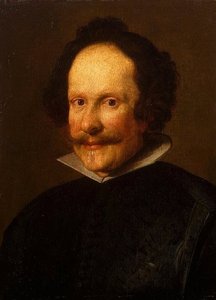
Claudio Coello
1642 - 1693 , España
Datos clave
- Artistas Influenciados: ['Pintores españoles tardíos']
- Artistas Que Influyeron:
- Diego Velázquez
- Rubens
- Tiziano
- Fecha De Fallecimiento: 20 de abril de 1693
- Fecha De Nacimiento: 2 de marzo de 1642
- Lugar De Nacimiento: Madrid, España
- Movimiento Artístico: Barroco español
- Nacionalidad: Hispano-portugués
- Nombre Completo: Claudio Coello
- Obras Notables:
- Adoración del Host
- Retrato de Carlos II
Artículos relacionados
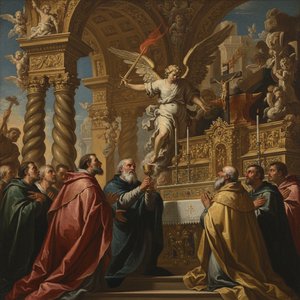
The Golden Age Reforged: Dramatic Realism & Religious Zeal in Spanish Baroque Art
Explore the dramatic world of Spanish Baroque art! Discover masters like Zurbarán & the powerful influence of religious zeal on painting techniques – a guide for collectors and enthusiasts.

The Dramatic Flourish: Exploring the Baroque Movement's Enduring Legacy in Art History
Explore the dramatic world of Baroque art! Discover iconic artists like Caravaggio & Rubens, defining techniques, and its lasting impact on art history. Expert insights for collectors & enthusiasts at ArtsDot.

Barroco Sublime: 10 Obras Maestras que Definieron una Época |
Descubre las 10 obras maestras del Barroco que marcaron una época. Caravaggio, Bernini y Velázquez cobran vida en . Reproducciones de arte de calidad museo para decorar tu hogar con elegancia. ¡Explora la colección online!

Drama Barroca: Llevando la Grandeza y la Emoción a los Interiores Contemporáneos
Descubre cómo el drama y la grandeza del arte barroco pueden transformar tus interiores. Guía experta, inspiración y reproducciones de alta calidad en .

Theatricality & Triumph: Baroque Drama in Painting & Sculpture
Explore the dramatic world of Baroque art! Discover its history, defining characteristics, & lasting influence on painting & sculpture. Expert insights into Caravaggio, Zurbarán, and Bernini – plus high-quality reproductions at ArtsDot.