 Ver en contexto
 Enviar
 Compartir
 Detalles

 Descargar
 Similares
 Radiografía
 Presentación de diapositivas
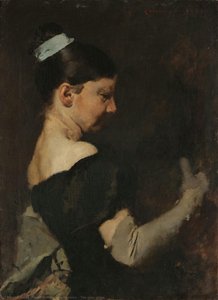
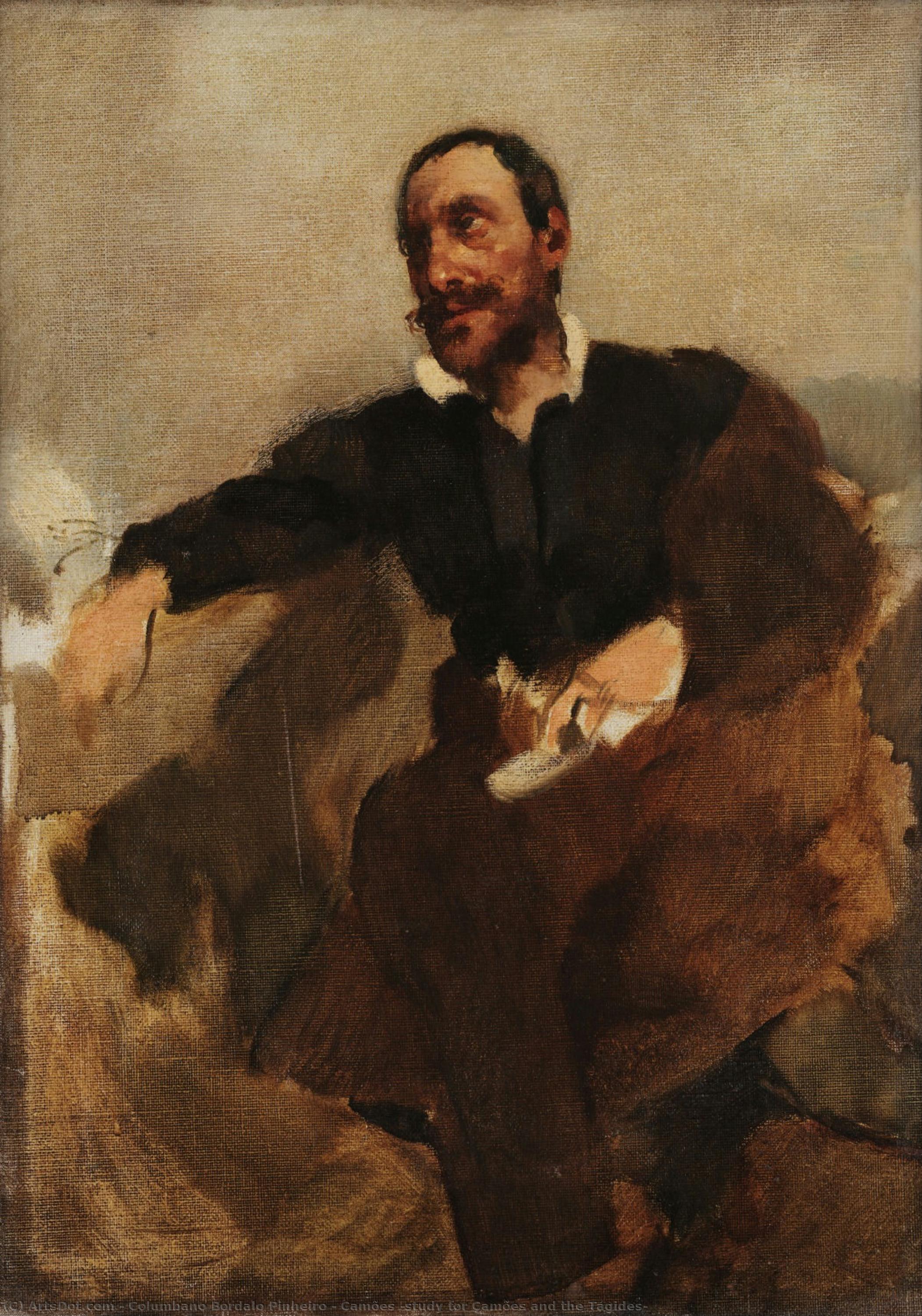
Camões (study for Camões and the Tágides)
 Oil
Oil- WallArt
- Realism
 1894
1894- 19th Century
 38.0 x 27.0 cm
 Casa-Museu Dr. Anastácio Gonçalves
 Ver más
Giclée / Impresión de arte
Impresiones giclée o en lienzo de calidad de museo con producción rápida y opciones de acabado flexibles. ( Comprar pintura hecha a mano Comprar imagen)




P118B $10

P118H $10

P118W $10

P438Z $10

P508JH $12

P508YH $12

P805H $10

P805Z $10

P919BZ $10

P919G $10

P919XJ $10

P959ZH $10

P968JZ $12

W106C $8

W218G $10

W218JH $8

W218Y $10

W307PJ $10

W316G $10

W316PJ $8

W316Y $10

W398PJ $8

W4111J $10

W500HY $15

W500JH $15

W692G $12

W849H $8

W940BG $15

W953PJ $8




Elija entre nuestros tamaños predefinidos que respetan las proporciones originales de la obra.

Puede introducir sus propias dimensiones para adaptarse a un marco o espacio específico. Si el tamaño seleccionado no coincide con las proporciones de la imagen original, recortaremos la obra de arte o extenderemos la imagen con un borde con efecto espejo o de color sólido. Se enviará una maqueta digital para su aprobación antes de que comience la producción.
Tenga en cuenta que la vista previa en pantalla no refleja el recorte o la extensión real. Solo la maqueta mostrará con precisión la composición final.
Aunque existen tamaños personalizados, recomendamos seleccionar una dimensión de la lista predefinida para preservar las proporciones originales.
Envío a todo el mundo () en 2 semanas en lugar de las 4/5 semanas estándar. (1 septiembre)

Envío exprés gratuito a todo el mundo

Lienzo de lino de alta calidad

Seguro de envío total

Garantía de reembolso de impuestos aduaneros

Garantía de fidelidad cromática exacta

Política de devolución de 60 días (solo por defectos)

Garantía de devolución del 100% del dinero

Descuento por cantidad
 La opción de vidrio solo está disponible en tamaños inferiores a 110 cm.

Camões (study for Camões and the Tágides)
Giclée / Impresión de arte
Dimensiones de la reproducción
-


Precio total final
$ 62
A Soul in Contemplation: The Introspective World of Columbano Bordalo Pinheiro
In the quiet, shadowed corners of late nineteenth-century Portuguese realism, few works capture the weight of intellectual solitude as profoundly as Camões (study for Camões and the Tágides). Painted in 1894 by the master Columbano Bordalo Pinheiro, this evocative study serves as a window into a moment of profound psychological depth. The painting presents a man—the legendary Portuguese poet Luís de Camões—lost in a sea of thought, his bearded face etched with the gravity of his literary pursuits. Clad in a somber black shirt and earthy brown tones, the subject sits amidst a landscape of literature, clutching a book as if it were both an anchor and a gateway to another realm. The presence of additional volumes near the center of the composition reinforces this atmosphere of scholarly devotion, suggesting a life lived through the written word.
The technique employed by Bordalo Pinheiro is nothing short of masterful, showcasing the influence of French Naturalism that he absorbed during his formative years in France. Rather than relying on bright, distracting palettes, the artist utilizes a sophisticated range of muted tones and chiaroscuro to sculpt form out of shadow. The brushwork is deliberate yet fluid, creating textures that allow the viewer to feel the weight of the fabric and the weathered skin of the poet. This controlled use of light does more than just illuminate the subject; it directs the eye toward the emotional epicenter of the piece—the contemplative gaze of the man. For the discerning collector or interior designer, this painting offers a sense of grounded elegance, providing a focal point that commands respect through its subtlety rather than through loudness.
Beyond its technical brilliance, the artwork carries a heavy symbolic resonance. As a study for a larger work involving the Tágides, this piece captures the raw, unadorned essence of the creative spirit before it is expanded into epic myth. It represents the solitary struggle of the artist, the quiet hours of research and reflection that precede greatness. The partially visible figure in the background adds a layer of narrative mystery, hinting at a world that exists just beyond the poet's immediate focus, yet remains secondary to his internal odyssey. This tension between the external world and the internal landscape makes the piece an extraordinary choice for spaces dedicated to study, libraries, or sophisticated living areas where one seeks to evoke a sense of timeless wisdom and intellectual heritage.
Owning a high-quality reproduction of this masterpiece allows one to bring the melancholic beauty of Portuguese Realism into a contemporary setting. It is a piece that does not merely decorate a wall; it invites conversation and fosters an environment of introspection. Whether placed in a sunlit gallery or a moody, dimly lit study, Camões (study for Camões and the Tágides) acts as a silent companion to the thinker, reminding all who behold it of the enduring power of the human intellect and the profound beauty found in moments of stillness.
Obras relacionadas
Biografía del artista
Primeros Años y Formación
- Nacimiento: 21 de noviembre de 1857, Faro, Portugal
- Fallecimiento: 6 de noviembre de 1929
- Antecedentes Familiares: Hijo de Manuel Maria Bordalo Pinheiro, un pintor romántico, y hermano de Rafael Bordalo Pinheiro, un reconocido caricaturista.
- Educación Temprana: Recibió orientación artística inicial de su padre y estudió bajo Miguel Ângelo Lupi y el escultor Simões de Almeida.
- Estudios en Francia (1881-1883): Apoyado por la Condesa de Edla, viajó a Francia donde fue influenciado por pintores naturalistas, realistas e impresionistas franceses como Courbet, Manet y Degas.
Trayectoria Artística y Estilo
- Realismo y Naturalismo: Se convirtió en una figura destacada del realismo portugués, caracterizado por un estilo sombrío e intimista.
- Grupo do Leão: Co-fundó este grupo de artistas, escritores e intelectuales que abogaban por el naturalismo contra el arte académico.
- Enfoque en el Retrato: Se especializó en retratos, capturando la profundidad psicológica y las personalidades de figuras prominentes como José Maria de Eça de Queiroz, Teófilo Braga, Raul Brandão y Antero de Quental.
- Retrato Notable - Antero de Quental (1889): Considerada su obra más famosa, se cree que presagia el suicidio del poeta.
- Características Clave: Su estilo a menudo presentaba parches gruesos de pintura y contornos indefinidos, mezclando la modernidad con influencias clásicas.
Compromiso Político y Vida Posterior
- Republicanismo: Un republicano conocido, fue invitado a diseñar la bandera para el nuevo régimen después de la proclamación de la República en 1910.
- Dirección de Museo (1914-1927): Sirvió como director del Museo Nacional de Arte Contemporáneo (ahora el Museo Chiado) en Lisboa.
- Comentario Social: Utilizó su arte para abordar temas sociales, evidente en obras como “La Hambruna” y “La Reliquia”.
Legado e Influencia
- Considerado un Maestro: Ampliamente considerado como el mayor pintor portugués del siglo XIX.
- Comparaciones: A menudo comparado con Wilhelm Leibl y John Singer Sargent.
- Obras Clave y Colecciones: Obras notables incluyen "Retrato de Cunha Vasco" (Casa-Museu Dr. Anastácio Gonçalves) y un retrato de José Viana da Mota.
- Presencia en Museos: Su obra se presenta en el Museo Chiado, Casa-museu Dr. Anastácio Gonçalves y otras colecciones.
- Influencias: Naturalismo francés, Realismo e Impresionismo (Courbet, Manet, Degas).
Mayor Exploración
- Wikipedia: Columbano Bordalo Pinheiro - https://en.wikipedia.org/wiki/Columbano_Bordalo_Pinheiro
- Museo Chiado: Explore el Museo Chiado en Lisboa, que alberga una colección significativa de sus pinturas.
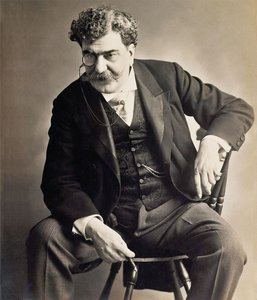
Columbano Bordalo Pinheiro
1857 - 1929 , Portugal
Datos clave
- Artistas Que Influyeron:
- Courbet
- Manet
- Degas
- Fecha De Fallecimiento: 6 de noviembre de 1929
- Fecha De Nacimiento: 21 de noviembre de 1857
- Lugar De Nacimiento: Faro, Portugal
- Movimiento Artístico: Realismo, Naturalismo
- Nacionalidad: Portuguesa
- Nombre Completo: Columbano Bordalo Pinheiro
- Obras Notables:
- Retrato de Antero de Quental
- Retrato de Cunha Vasco
Artículos relacionados
Romantic Realism's Finest: 10 Masterpieces for Your Home | ArtsDot
Explore 10 defining masterpieces of Romantic Realism! Discover Courbet, Millet & Daumier's powerful paintings—capturing emotion and social realities. Find museum-quality reproductions for your home at ArtsDot.com.
Leonardo da Vinci: Las 25 Obras Maestras que Definieron un Genio | ArtsDot
Descubre las 25 obras maestras de Leonardo da Vinci, desde la Mona Lisa hasta La Última Cena. Explora su arte renacentista, técnicas innovadoras y el legado del genio italiano. Reproducciones de alta calidad para decorar tu hogar con belleza y historia en ArtsDot.com.

Ecos de la Sociedad: El Legado Duradero del Realismo Social en el Arte
Descubre el fascinante mundo del Realismo Social. Explora sus orígenes, artistas clave y su impacto duradero en la historia del arte. ¡Encuentra reproducciones de alta calidad en ArtsDot!
The Evocative Embrace of Reality: Exploring Romantic Realism in 19th-Century Painting
Explore the captivating world of Romantic Realism! Discover key artists like Courbet & Millet, masterpieces, and the social context behind this influential art movement. Expert insights for collectors at ArtsDot.
Realismo en el Arte: 10 Obras Maestras para Decorar con Autenticidad
Descubre 10 obras maestras del realismo, desde Courbet a Vermeer. Explora la historia, técnica y significado de estos icónicos cuadros. Encuentra reproducciones de arte de museo en ArtsDot.com y decora con autenticidad.