

 Ver en contexto
 Enviar
 Compartir
 Detalles

 Descargar
 Similares
 Radiografía
 Presentación de diapositivas
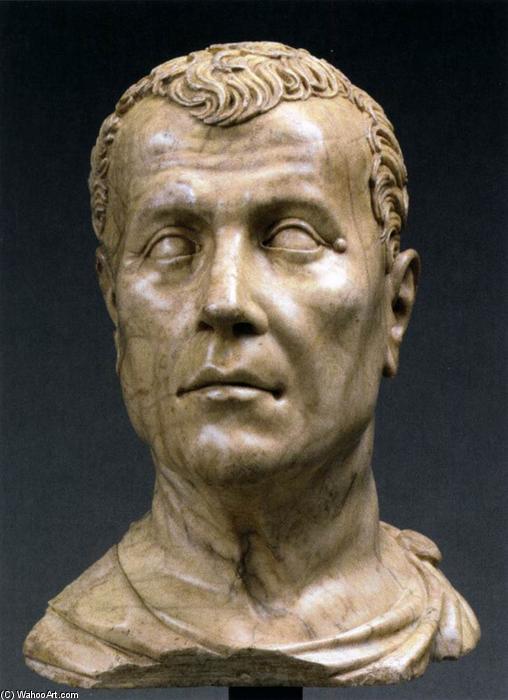
Head of a Man in the Antique Manner


 Ver más
Reproducción al óleo hecha a mano
Óleo sobre lienzo pintado a mano en el tamaño y marco de su elección, realizado por encargo por nuestros artistas. ( Comprar impresión Comprar imagen)




P118B $10

P118H $10

P118W $10

P438Z $10

P508JH $12

P508YH $12

P805H $10

P805Z $10

P919BZ $10

P919G $10

P919XJ $10

P959ZH $10

P968JZ $12

W106C $8

W218G $10

W218JH $8

W218Y $10

W307PJ $10

W316G $10

W316PJ $8

W316Y $10

W398PJ $8

W4111J $10

W500HY $15

W500JH $15

W692G $12

W849H $8

W940BG $15

W953PJ $8




Elija entre nuestros tamaños predefinidos que respetan las proporciones originales de la obra.

Puede ingresar sus propias dimensiones para adaptarse a un marco o espacio específico. Si el tamaño seleccionado no coincide con las proporciones de la imagen original, recortaremos la obra o extenderemos la pintura con elementos adicionales pintados a mano. Se le enviará una maqueta digital para su aprobación antes de comenzar la producción.
Tenga en cuenta que la vista previa en pantalla no refleja el recorte o la extensión reales. Solo la maqueta mostrará con precisión la composición final.
Si bien existen tamaños personalizados, recomendamos seleccionar una dimensión de la lista predefinida para preservar las proporciones originales.
Tras realizar el pedido, el equipo de ArtsDot.com enviará un correo electrónico al cliente para solicitar instrucciones y proporcionarle una vista previa del boceto.
Envío a todo el mundo () en 3-4 semanas en lugar de las 5 semanas estándar. (25 agosto). Sin comprometer la calidad.

Envío exprés gratuito a todo el mundo

Lienzo de lino de alta calidad

Seguro de envío total

Garantía de reembolso de impuestos aduaneros

Garantía de fidelidad cromática exacta

Política de devolución de 60 días (solo por defectos)

Garantía de devolución del 100% del dinero

Descuento por cantidad
 La opción de vidrio solo está disponible en tamaños inferiores a 110 cm.

Head of a Man in the Antique Manner
Técnica de reproducción
Dimensiones de la reproducción
-


Precio total final
$ 263
Descripción de la obra
A Portrait of Contemplation: Conrad Meit’s “Head of a Man in the Antique Manner”
Conrad Meit's "Head of a Man in the Antique Manner," created around 1515, isn’t merely a sculpted bust; it’s a poignant meditation on time, mortality, and the enduring allure of antiquity. Executed in boxwood – a material prized for its durability and resonant tone – this piece transcends the limitations of its medium to evoke a profound sense of inner stillness. Meit, a master of German Renaissance sculpture, skillfully captures not just physical likeness but also an intangible quality of thoughtful introspection, drawing us into the gaze of this anonymous figure.
The work’s stylistic roots lie firmly within the burgeoning humanist movement of the early 16th century. Inspired by the rediscovery and fervent study of classical Greek and Roman sculpture, artists like Meit sought to emulate the idealized beauty and serene composure found in ancient works. Notice how the figure's posture – slightly reclined, head resting on one hand – mirrors the poses favored by sculptors of antiquity. The drapery, though simplified, hints at a flowing garment reminiscent of classical robes, further anchoring the piece within this historical context. The subtle modeling of the face, particularly around the eyes and mouth, conveys a quiet dignity and an almost melancholic awareness.
Technique and Material: A Dance of Light and Shadow
Meit’s technical prowess is evident in the meticulous detail with which he renders the boxwood. The artist employed a subtractive carving technique, carefully removing material to reveal the form beneath. This process allowed for an incredible level of control, enabling him to achieve smooth transitions between planes and create subtle gradations of light and shadow. The surface of the sculpture is polished to a warm, lustrous sheen, reflecting ambient light in a way that brings the figure to life. The choice of boxwood itself contributes significantly to the work’s aesthetic impact; its natural grain adds texture and depth, while its ability to hold detail ensures that every nuance of expression is faithfully reproduced.
- Subtractive Carving: Meit skillfully removed material to reveal the form.
- Polished Surface: Creates a warm, lustrous sheen.
- Boxwood’s Texture: Adds natural depth and detail.
Symbolism and Historical Resonance
The title itself – “Head of a Man in the Antique Manner” – is laden with symbolic weight. The reference to antiquity isn't simply an aesthetic choice; it represents a deliberate engagement with the past, a recognition of humanity’s shared history and enduring values. The anonymous nature of the subject further amplifies this symbolism, suggesting that the figure embodies universal qualities—wisdom, contemplation, perhaps even a touch of sadness—rather than representing any specific individual. The closed eyes invite us to project our own thoughts and emotions onto the sculpture, transforming it into a mirror reflecting our own inner lives.
Considering the date of creation (1515), this piece was produced during a period of intense intellectual and artistic ferment in Europe. The rise of humanism encouraged a renewed interest in classical learning and culture, leading to a fascination with ancient Greece and Rome. Meit’s sculpture reflects this cultural shift, embodying the humanist ideal of striving for excellence in all areas of life—intellectual, artistic, and moral.
Emotional Impact and Artistic Legacy
"Head of a Man in the Antique Manner" possesses an enduring emotional resonance that transcends its historical context. The figure’s serene expression and contemplative posture evoke a sense of quiet dignity and profound introspection. It's a work that invites prolonged viewing, encouraging us to pause and reflect on our own place within the vast sweep of time. Meit’s ability to capture such a complex range of emotions in a relatively small sculpture is a testament to his artistic skill and sensitivity.
Reproductions of this piece offer a remarkable opportunity to bring this timeless work of art into any setting. The rich detail and warm tones of the original are faithfully reproduced, allowing viewers to experience the same sense of contemplation and wonder that inspired Meit centuries ago. Whether displayed in a private collection or a public gallery, “Head of a Man in the Antique Manner” remains a powerful reminder of the enduring beauty and intellectual depth of the Renaissance.
Obras relacionadas

Biografía del artista
Sandro Botticelli: El Poeta de Florencia
Alessandro di Mariano Filipepi, más conocido como Sandro Botticelli, permanece como una de las figuras más queridas e instantáneamente reconocibles en la historia del arte occidental. Nacido en Florencia en 1445, surgió de una familia profundamente arraigada en el mundo artesanal florentino; su padre era curtidor, un oficio íntimamente conectado con la identidad de la ciudad. Aunque inicialmente fue aprendiz de un orfebre, la verdadera pasión de Botticelli residía en la pintura, un camino guiado por el influyente maestro Filippo Lippi, cuyo estilo dinámico y maestría técnica moldear ระaron profundamente el desarrollo del joven artista. Esta temprana exposición al enfoque de Lippi —caracterizado por una paleta vibrante, figuras expresivas y una aguda conciencia de la perspectiva lineal— sentó las bases de la distintiva voz artística de Botticelli. Los años formativos de Botticelli estuvieron marcados por un estudio deliberado de la antigüedad clásica, una tendencia cada vez más prevalente en la Florencia renacentista. Examinó meticulosamente esculturas de la era romana, absorbiendo sus formas idealizadas y composiciones elegantes. Esta fascinación por el pasado se convertiría en una característica definitoria de su obra, informando su elección de temas e influyendo en su estilo artístico. Sus primeras obras demuestran una clara deuda con la tradición gótica, pero evolucionaron rápidamente hacia algo únicamente suyo: una síntesis de los ideales clásicos y la innovación renacentista. El nombre Botticelli deriva de “Botticello”, una forma diminutiva de Giovanni Botticeli, su hermano mayor, quien se desempeñaba como prestamista.El Nacimiento de Venus y la Primavera: Definiendo el Renacimiento Florentino
La reputación artística de Botticelli se elevó con la creación de dos obras monumentales que se han vuelto sinónimo del espíritu del Renacimiento florentino: El Nacimiento de Venus (1486) y Primavera (c. 1477-1482). El Nacimiento de Venus, que representa a la diosa Venus emergiendo de una gigantesca concha de vieira, cautivó al público con su belleza etérea y complejidad alegórica. Los delicados colores de la pintura, los drapeados fluidos y las figuras gráciles encarnan la fascinación renacentista por la mitología clásica y el humanismo. Del mismo modo, Primavera es un complejo tapiz de figuras mitológicas —Venus, Flora, Céfiro, Mercurio y Cupido— dispuestos dentro de un paisaje exuberante e idealizado. Los intrincados detalles de la pintura, sus tonos vibrantes y las referencias simbólicas a la filosofía neoplatónica reflejan el compromiso de Botticelli con las corrientes intelectuales contemporáneas. Estas obras no eran meramente decorativas; eran narrativas cuidadosamente construidas, diseñadas para evocar emociones profundas y transmitir ideas complejas.Un Pintor de Mecenas y Retratos
La carrera de Botticelli estuvo inextricablemente ligada al sistema de mecenazgo que floreció en la Florencia renacentista. Sirvió a varias familias prominentes, incluyendo a los Medici, los de’ Medici y los Pitti, proporcionándoles un flujo continuo de encargos para pinturas religiosas, escenas alegóricas y retratos. Su retratística, particularmente sus representaciones de miembros de la familia Medici, es notable por su profundidad psicológica y sutil elegancia. Capturó no solo semejanzas físicas, sino que también transmitió una sensación de carácter y personalidad, un logro extraordinario para la época. La capacidad de Botticelli para adaptar su estilo a los gustos de sus mecenas demuestra su versatilidad como artista y su comprensión de las dinámicas sociales de la Florencia renacentista.Años Posteriores y Legado
A medida que Botticelli envejecía, su estilo artístico experimentó una transformación sutil. Sus obras tardías, como La Adoración de los Magos (1482), exhiben un mayor énfasis en la claridad lineal y una paleta más contenida en comparación con sus pinturas anteriores, más exuberantes. Algunos estudiosos creen que este cambio refleja un creciente desencanto con la agitación política y los conflictos religiosos que plagaron Florencia durante sus últimos años. A pesar de estos cambios, el legado artístico de Botticelli permanece inalterado. Sus pinturas continúan inspirando asombro y admiración por su belleza, gracia y profundo significado simbólico. Se le recuerda no solo como uno de los más grandes pintores del Renacimiento florentino, sino también como un poeta: un maestro de la narrativa visual que capturó el espíritu de su era con una habilidad y sensibilidad inigualables. Botticelli murió en Florencia en 1510 a la edad de 65 años, dejando tras de sí un cuerpo de obra que continúa resonando en las audiencias siglos después. Su influencia en las generaciones posteriores de artistas es innegable, consolidando su lugar como una figura fundamental en la historia del arte occidental.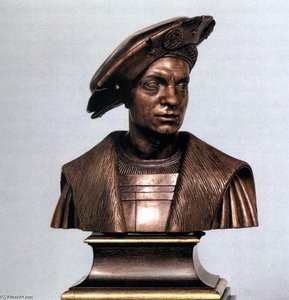
Conrad Meit
1485 - 1551 , Italia
Datos clave
- Artistic Movement Or Style: Renacimiento temprano, Renacimiento
- Artists Or Movements Influenced By This Artist: ['Giorgio Vasari']
- Artists Who Influenced This Artist: ['Filippo Lippi']
- Date Of Birth: 1445, Florencia, Italia
- Date Of Death: 17 de mayo de 1510, Florencia (a los 65 años)
- Full Name: Alessandro di Mariano Filipepi
- Nationality: Italiano
- Notable Artworks:
- El nacimiento de Venus
- Primavera
- Place Of Birth: Florencia, Italia
Artículos relacionados
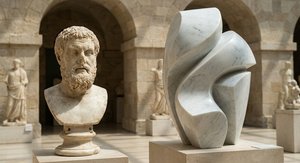
The Enduring Allure of Marble in Art History: From Classical Sculpture to Modern Abstraction
Explore the captivating history of marble sculpture from ancient Greece to modern art. Discover renowned artists like Canova & Michelangelo, carving techniques, and investment insights at ArtsDot.

Esculturas de Bronce Legendarias: 10 Obras Maestras que Transformaron el Arte | ArtsDot
Descubre las 10 esculturas de bronce más legendarias que revolucionaron el arte. Explora la historia de Rodin, Degas y otros maestros del bronce. Encuentra reproducciones de alta calidad e inspiración para tu hogar en ArtsDot.com.

The Enduring Form: Exploring Themes & Techniques in Sculpture Across Historical Periods
Explore the rich history of sculpture from ancient masterpieces to contemporary innovations. Discover key techniques, influential artists & investment potential for discerning art collectors.

The Enduring Form: Sculpture Across History, Technique & Emotional Resonance
Explore the rich history of sculpture with ArtsDot. Discover key techniques, influential artists & investment potential for discerning collectors. Expert insights into valuing and collecting timeless masterpieces.

Las 10 Obras Maestras de Bronce que Revolucionaron la Historia del Arte | ArtsDot
Descubre las 10 esculturas de bronce más influyentes de la historia del arte. Explora obras maestras de Rodin, Degas y otros genios. Encuentra reproducciones de arte de calidad museo en ArtsDot.com.

