

 Ver en contexto
 Enviar
 Compartir
 Detalles

 Descargar
 Similares
 Radiografía
 Presentación de diapositivas
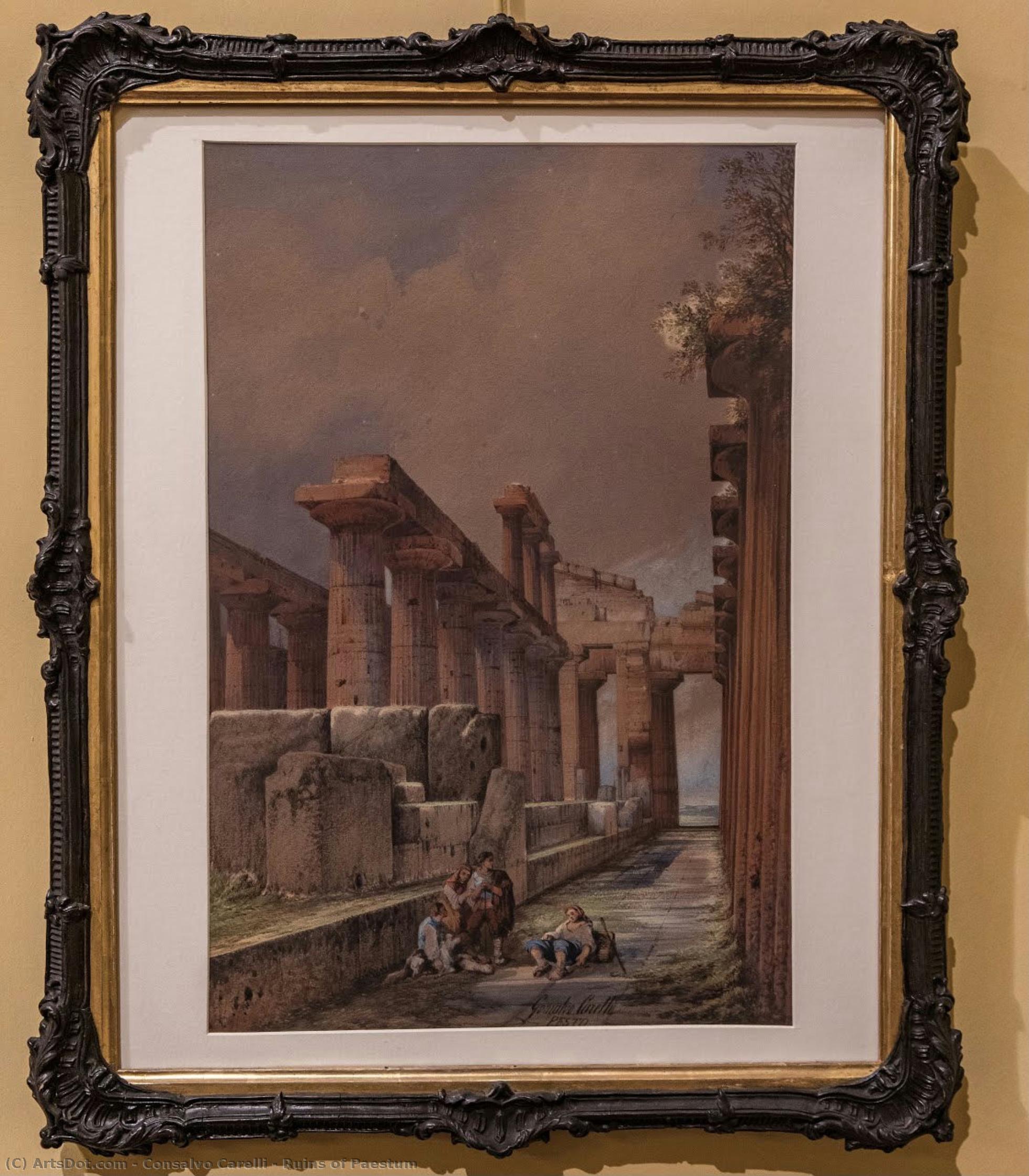
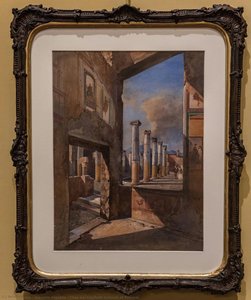
Ruins of Paestum


 Ver más
Adquiera una imagen digital de alta resolución y optimizada, muy superior a la vista previa en línea.
Cada archivo es preparado meticulosamente por nuestros especialistas internos mediante el uso de herramientas avanzadas y un experto retoque manual. Nos aseguramos de que cada imagen posea una claridad excepcional, una precisión cromática impecable y un detalle minucioso.
El archivo final se entrega por correo electrónico en un plazo de 72 horas, optimizado para su uso inmediato en entornos profesionales, editoriales y de impresión. Esta es la misma calidad en la que confían los estudios de diseño, las editoriales y las galerías de primer nivel.
Imagen Digital
Descarga un archivo de alta resolución para exhibición personal, impresión y proyectos creativos. ( Comprar impresión Comprar pintura hecha a mano)
Incluido en cada pedido de imágenes digitales
Entrega digital experta, garantizada.
Al elegir ArtsDot.com, no solo está adquiriendo una imagen; está recibiendo una obra de arte digital mejorada profesionalmente, elaborada con precisión y respaldada por una garantía de satisfacción. Esto es todo lo que incluye su pedido, automáticamente:

Entrega rápida por email
Recibirá su archivo de imagen digital en alta resolución por correo electrónico en un plazo de 72 horas tras realizar su pedido, listo para su uso inmediato.

Archivo digital optimizado por IA
Su obra de arte se optimiza profesionalmente mediante herramientas avanzadas de IA y edición manual, garantizando el máximo detalle, claridad y precisión cromática.

Reenvío gratuito de por vida
¿Has borrado o perdido tu archivo por error? No te preocupes: te lo volveremos a enviar en cualquier momento, sin coste adicional.

Sin gastos de importación, siempre
Disfrute de su obra de arte al instante sin aduanas, aranceles ni gastos de envío; las descargas digitales siempre están libres de impuestos.

Garantía de fidelidad de color
Garantizamos que su imagen digital refleje los colores originales con la mayor fidelidad posible, mediante el uso de herramientas profesionales y gestión del color.

Garantía de satisfacción de 60 días
Si no está satisfecho con su imagen digital, la revisaremos o le reembolsaremos el 100% en un plazo de 60 días, sin preguntas.

100% Garantía de devolución de dinero
¿No está satisfecho? Obtenga un reembolso completo dentro de los 60 días posteriores a la recepción de su archivo digital, sin necesidad de explicaciones.

Descuentos por pedidos grandes
Compra 3 imágenes, ahorra 10% - Compra 5, ahorra 15% - Compra 10+, ahorra 20%. Ideal para proyectos creativos, galerías y agencias.
Obras relacionadas
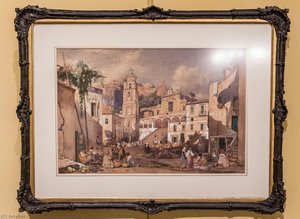
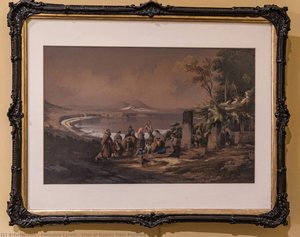
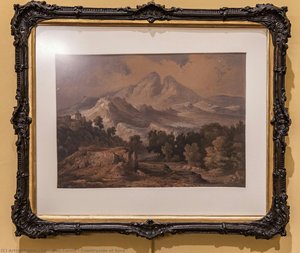
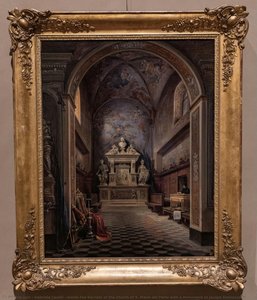
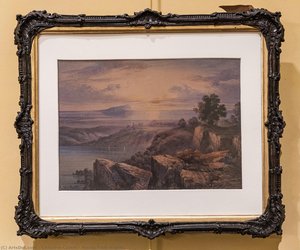
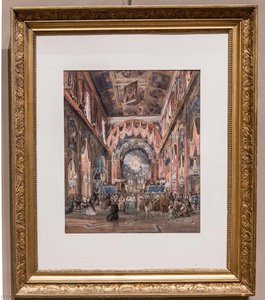
Biografía del artista
Consalvo Carelli: A Neapolitan Master of Light and Landscape
Consalvo Carelli (1818-1900) stands as a pivotal figure within the School of Posillipo, an artistic movement deeply rooted in the vibrant landscapes and cultural traditions of Naples. More than just a painter, he was a keen observer of his surroundings, capturing the essence of Southern Italy with a masterful blend of Romanticism and Neapolitan realism. His work offers a poignant glimpse into a bygone era, revealing not only breathtaking vistas but also the quiet dignity and everyday lives of its people.
Born in Naples on March 29th, 1818, Consalvo’s artistic lineage was intrinsically linked to the School of Posillipo. His father, Raffaele Carelli, a prominent member of this influential group, had migrated from Apulia and established a strong foundation for his son's future endeavors. This connection provided Consalvo with early exposure to the movement’s core tenets: an emphasis on capturing the fleeting effects of light, a deep appreciation for local color, and a commitment to portraying the beauty of the Italian countryside. He received formal training at the French Academy in Rome in 1837, a common path for aspiring artists seeking to hone their skills within the established artistic circles of Europe.
Carelli’s early career saw him traveling extensively throughout Italy and beyond. He spent three years in Paris (1841-1843), where he gained recognition as a landscape painter, absorbing influences from the Romantic tradition while simultaneously developing his own distinct style. Notably, he contributed illustrations to Alexandre Dumas' travel journal, showcasing his ability to capture both grand vistas and intimate details. His patronage extended across European aristocracy – French, English, and Russian – reflecting the growing demand for Italian landscapes amongst wealthy collectors eager to adorn their homes with pieces that evoked the romance of the Mediterranean.
The School of Posillipo: A Synthesis of Realism and Romanticism
The School of Posillipo, which flourished in Naples during the 19th century, represented a unique artistic synthesis. Rejecting the rigid formality of Neoclassicism, its artists sought to capture the immediacy of experience, prioritizing observation and emotional response over idealized representation. Key characteristics included a focus on atmospheric effects – particularly the interplay of light and shadow – a vibrant use of color, and an interest in portraying everyday life within the Italian landscape. Carelli’s work exemplifies these principles perfectly; his paintings are not merely depictions of scenery but rather imbued with a palpable sense of atmosphere and emotion.
Influenced by artists like Gaspar Montefeltro and Francesco La Tour, Carelli developed a distinctive technique characterized by loose brushwork, broken color, and a remarkable sensitivity to light. He was particularly adept at capturing the hazy, atmospheric conditions that frequently enveloped the Neapolitan countryside – a skill that contributed significantly to the dreamlike quality of many of his works. His compositions often feature dramatic diagonals and carefully orchestrated perspectives, drawing the viewer into the heart of the scene.
Notable Works and Themes
Carelli’s oeuvre is rich in diverse subjects, ranging from grand landscapes to intimate portraits. Among his most celebrated paintings are depictions of iconic Neapolitan landmarks such as the Ruins of Paestum (1864), a watercolor that masterfully captures the crumbling grandeur of ancient Roman ruins bathed in the golden light of the afternoon sun. His series of “Goat Herders in a Neapolitan Landscape” (circa 1850s) offers a poignant glimpse into rural life, portraying shepherds and their flocks against the backdrop of rolling hills and cypress trees. These works are characterized by their subtle color palette, evocative brushwork, and a deep understanding of human psychology.
Beyond landscapes, Carelli also produced numerous portraits, often depicting members of the European aristocracy who sought his services as a court painter. These portraits reveal a keen eye for detail and an ability to capture the personality and character of his subjects. His work demonstrates a remarkable versatility, showcasing his mastery across a range of genres.
Legacy and Recognition
Consalvo Carelli’s contribution to Italian art is significant, solidifying his place as a key figure within the School of Posillipo. His paintings continue to be exhibited in museums and private collections worldwide, attracting considerable attention for their beauty, emotional depth, and historical significance. In 2016, after being stolen from Italy in 2001, one of Carelli’s paintings – a depiction of the Ruins of Paestum – was returned to its homeland by the United States government, a testament to the enduring value of his work.
His legacy extends beyond individual artworks; he represents a crucial link between the artistic traditions of Italy and Europe. Through his evocative landscapes and portraits, Consalvo Carelli offers a timeless celebration of beauty, light, and the spirit of Southern Italy – a region that continues to captivate artists and viewers alike.
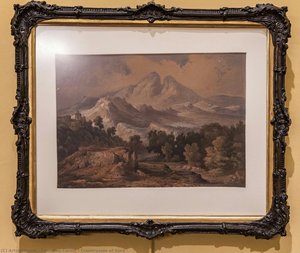
consalvo carelli
1818 - 1900
Breves datos
- Artistic Movement Or Style: School of Posillipo
- Artists Or Movements Influenced By This Artist: ['Wilhelm Jakob Huber']
- Artists Who Influenced This Artist: ['Raffaele Carelli']
- Date Of Birth: March 29, 1818
- Date Of Death: December 2, 1900
- Full Name: Consalvo Carelli
- Nationality: Italian
- Notable Artworks:
- Ruins of Paestum
- Goat herders...
- Nisida from Naples
- Place Of Birth: Naples, Italy

