

 Ver en contexto
 Enviar
 Compartir
 Detalles

 Descargar
 Similares
 Radiografía
 Presentación de diapositivas
 Stats
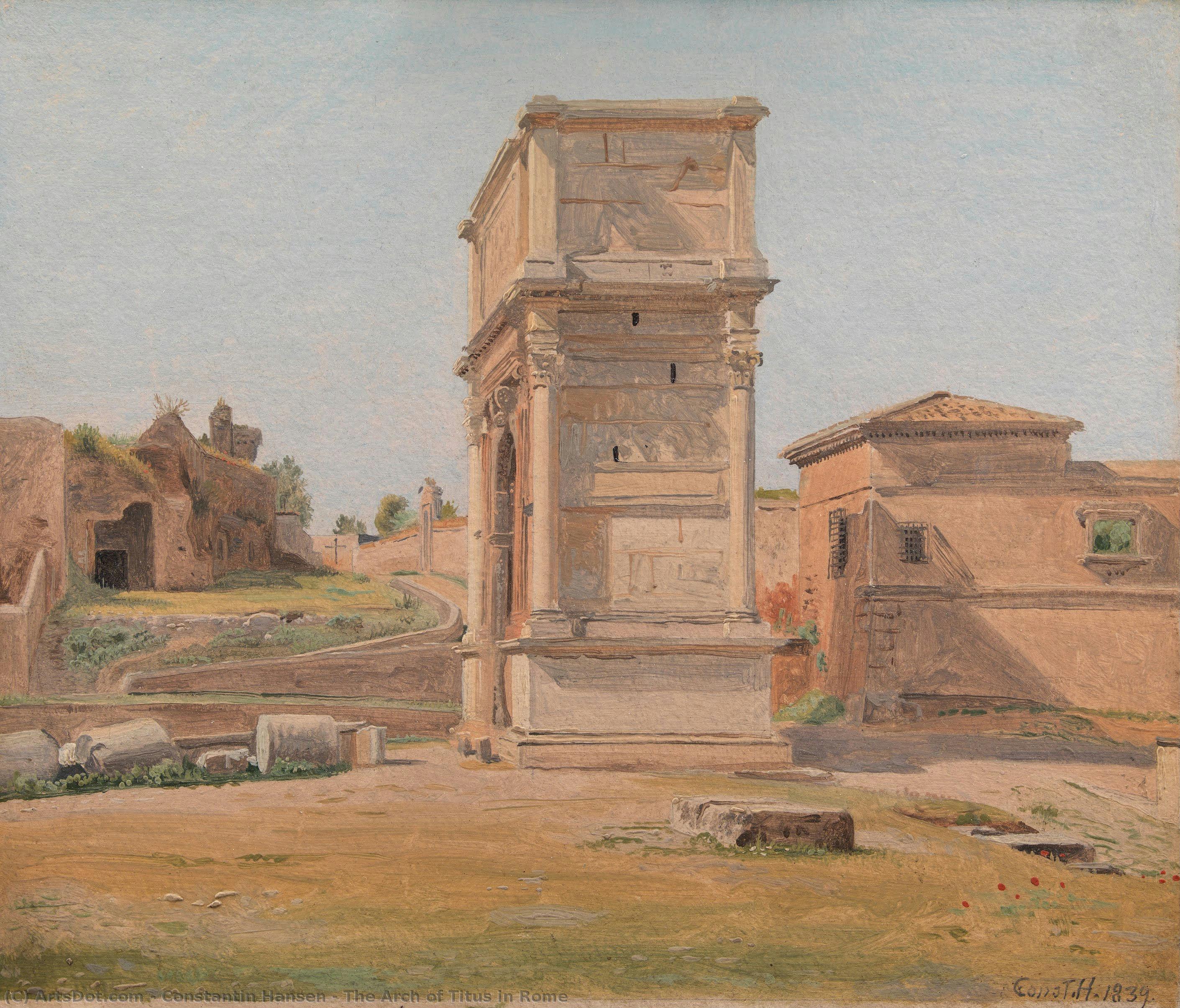
StatsThe Arch of Titus in Rome
 Oil On Canvas
- WallArt
 1839
1839 29.0 x 24.0 cm
 Galería Nacional de Dinamarca
 Ver más
Adquiera una imagen digital de alta resolución y optimizada, muy superior a la vista previa en línea.
Cada archivo es preparado meticulosamente por nuestros especialistas internos mediante el uso de herramientas avanzadas y un experto retoque manual. Nos aseguramos de que cada imagen posea una claridad excepcional, una precisión cromática impecable y un detalle minucioso.
El archivo final se entrega por correo electrónico en un plazo de 72 horas, optimizado para su uso inmediato en entornos profesionales, editoriales y de impresión. Esta es la misma calidad en la que confían los estudios de diseño, las editoriales y las galerías de primer nivel.
Imagen Digital
Descarga un archivo de alta resolución para exhibición personal, impresión y proyectos creativos. ( Switch to Print Comprar pintura hecha a mano)
Incluido en cada pedido de imágenes digitales
Entrega digital experta, garantizada.
Al elegir ArtsDot.com, no solo está adquiriendo una imagen; está recibiendo una obra de arte digital mejorada profesionalmente, elaborada con precisión y respaldada por una garantía de satisfacción. Esto es todo lo que incluye su pedido, automáticamente:

Entrega rápida por email
Recibirá su archivo de imagen digital en alta resolución por correo electrónico en un plazo de 72 horas tras realizar su pedido, listo para su uso inmediato.

Archivo digital optimizado por IA
Su obra de arte se optimiza profesionalmente mediante herramientas avanzadas de IA y edición manual, garantizando el máximo detalle, claridad y precisión cromática.

Reenvío gratuito de por vida
¿Has borrado o perdido tu archivo por error? No te preocupes: te lo volveremos a enviar en cualquier momento, sin coste adicional.

Sin gastos de importación, siempre
Disfrute de su obra de arte al instante sin aduanas, aranceles ni gastos de envío; las descargas digitales siempre están libres de impuestos.

Garantía de fidelidad de color
Garantizamos que su imagen digital refleje los colores originales con la mayor fidelidad posible, mediante el uso de herramientas profesionales y gestión del color.

Garantía de satisfacción de 100 días
Si no está satisfecho con su imagen digital, la revisaremos o le reembolsaremos el 100% en un plazo de 100 días, sin preguntas.

100% Garantía de devolución de dinero
¿No está satisfecho? Obtenga un reembolso completo dentro de los 100 días posteriores a la recepción de su archivo digital, sin preguntas.

Descuentos por pedidos grandes
Compra 3 imágenes, ahorra 10% - Compra 5, ahorra 15% - Compra 10+, ahorra 20%. Ideal para proyectos creativos, galerías y agencias.
A Moment Frozen in Roman Light: Constantin Hansen’s Study of the Arch of Titus
- Provenance: 1839, Oil on Canvas, 29 x 24 cm
- Artist: Constantin Hansen (1804-1880) – A Pioneer of Danish Romanticism
- Description: This captivating artwork offers a rare glimpse into the creative process of Constantin Hansen, one of Denmark’s most significant artists. Painted during a period of intense experimentation and artistic exploration, it presents a compelling study of the Arch of Titus in Rome – not as a conventional tourist view, but as a deeply personal investigation of form, light, and color.
Unconventional Perspective: Breaking with Tradition
Constantin Hansen’s approach to this subject is strikingly unconventional. Rather than depicting the Arch of Titus from its formal front elevation, he chooses a side view, dramatically shortening the façade and creating a dynamic sense of space. This deliberate distortion immediately signals a departure from the academic conventions prevalent at the time. The artist's intention was clearly not to create a faithful representation for travel or documentation; instead, it served as a crucial study for his own artistic development. This bold choice reflects Hansen’s desire to challenge established norms and explore new avenues of expression – a characteristic that would become increasingly important in his later work.Eckersberg's Influence and a Radical Shift
The painting reveals the profound influence of C.W. Eckersberg, Hansen’s influential teacher, particularly in its architectural studies. However, Hansen transcends Eckersberg’s meticulous realism, pushing the subject matter into a realm of heightened emotional intensity. He dismantles the traditional association between architecture and its symbolic function, presenting the Arch of Titus as an object of pure visual experience. This radical shift foreshadows the burgeoning Impressionist movement, thirty years later, with its focus on capturing fleeting moments of light and color.A Symphony of Light and Shadow: Technique and Color
The remarkable treatment of color is a defining feature of this artwork. Hansen demonstrates an extraordinary sensitivity to the delicate interplay of sunlight and shadow, meticulously rendering the subtle hues that shift across the stone surfaces. This masterful use of light not only creates a sense of realism but also imbues the scene with a palpable atmosphere – a testament to Hansen’s burgeoning understanding of color theory. The artist's exploration of chromatic effects anticipates the techniques employed by Impressionist painters, solidifying his position as a visionary ahead of his time. The painting’s subdued palette and nuanced shading evoke a sense of quiet contemplation and timeless beauty.Symbolism and Emotional Resonance
Beyond its technical brilliance, the artwork possesses a subtle emotional resonance. The solitary figure observing the Arch of Titus adds an element of human scale to the monumental structure, inviting viewers to contemplate their own relationship with history, architecture, and the passage of time. The scene evokes a sense of awe and wonder at the enduring legacy of Roman civilization, while simultaneously highlighting Hansen’s artistic ambition and his willingness to push boundaries. This piece is more than just a depiction of an ancient monument; it's a meditation on art itself – its purpose, its power, and its ability to transcend time.Obras relacionadas




Biografía del artista
Early Life and Training
Constantin Hansen (1804–1880), a cornerstone of the Danish Golden Age, emerged from humble beginnings in Rome, Italy. Born on November 3rd, 1804, his artistic lineage traced back to his father, Hans Hansen—a respected portrait painter—and was bolstered by the patronage of Wolfgang Amadeus Mozart’s widow. This early exposure to art instilled within him a profound appreciation for visual expression and would shape his entire career trajectory. At just twelve years old, he enrolled at the Royal Danish Academy of Art (det kongelige danske kunstakademi), marking the commencement of his formal artistic education under the tutelage of Christoffer Wilhelm Eckersberg—a pivotal relationship that profoundly influenced his stylistic development.Artistic Career: Foundations and Recognition
Initially drawn to architecture, Hansen swiftly transitioned towards painting, recognizing its capacity for conveying emotion and capturing nuanced detail. Eckersberg’s mentorship proved invaluable, fostering Hansen's burgeoning talent and guiding him toward mastering the techniques of Romanticism. Tragically, Hansen endured immense hardship following the untimely deaths of his parents from typhus—a devastating loss that compelled him to shoulder the responsibility of supporting his younger sisters. Despite these challenges, he persevered in securing commissions, notably those entrusted to him by Frederiksborg Palace and the decoration of Christiansborg Palace—demonstrating unwavering dedication to his craft and establishing himself as a prominent artist within Danish society.Travels and Artistic Inspiration
Between 1835 and 1837, Hansen benefited from a generous stipend enabling him to embark on an extended journey abroad. This formative experience encompassed visits to Berlin, Dresden, Prague, Nuremberg, and Munich—cities brimming with artistic fervor and intellectual discourse. Crucially, he encountered Bertel Thorvaldsen in Italy, forging a collaborative partnership that would propel both artists toward unparalleled heights of achievement. The Italian landscape captivated Hansen’s imagination, profoundly impacting his oeuvre and imbuing it with an unmistakable sensual quality—a characteristic vividly exemplified in *A Group of Danish Artists in Rome*, where he skillfully captured the spirit of artistic camaraderie amidst the grandeur of Roman antiquity.Notable Works and Legacy
Hansen's artistic legacy rests upon a remarkable body of work characterized by sensitivity, precision, and masterful execution. Among his most celebrated creations is *Portrait of Frederikke Vilhelmine Hage, née Faber*, an exquisite depiction of feminine beauty that embodies the aesthetic ideals of the Danish Golden Age—a testament to Eckersberg’s influence and Hansen's unwavering commitment to portraying human emotion with remarkable accuracy. Furthermore, he undertook monumental commissions for the University of Copenhagen’s vestibule, adorning it with mythological figures inspired by classical antiquity—a project reflecting his erudition and artistic ambition. His enduring contribution to Danish art history continues to inspire admiration and scholarly study, securing his place as one of Denmark's most revered painters.Museum Collections
Constantin Hansen’s artwork is proudly housed in prestigious institutions across Denmark: Thorvaldsens Museum in Copenhagen showcases a comprehensive collection of sculptures by Bertel Thorvaldsen alongside Hansen’s own masterpieces—a testament to their collaborative spirit and shared artistic vision. Explore his remarkable oeuvre on ArtsDot.com, where you can discover detailed information about his life's work and artistic style.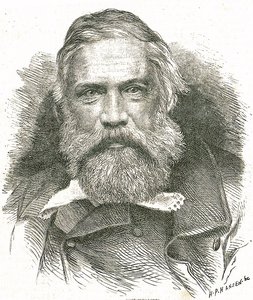
Constantin Hansen
1804 - 1880 , Italia
Breves datos
- Artistic Movement Or Style: Romanticismo artístico
- Artists Or Movements Influenced By This Artist: ['Bertel Thorvaldsen']
- Artists Who Influenced This Artist: ['Christoffer Wilhelm Eckersberg']
- Date Of Birth: November 3, 1804
- Date Of Death: March 29, 1880
- Full Name: Constantin Hansen
- Nationality: Danés
- Notable Artworks:
- Grupo de artistas daneses en Roma
- Retrato de Frederikke Vilhelmine Hage, née Faber
- Place Of Birth: Roma, Italia