 Ver en contexto
 Enviar
 Compartir
 Detalles

 Descargar
 Similares
 Radiografía
 Presentación de diapositivas
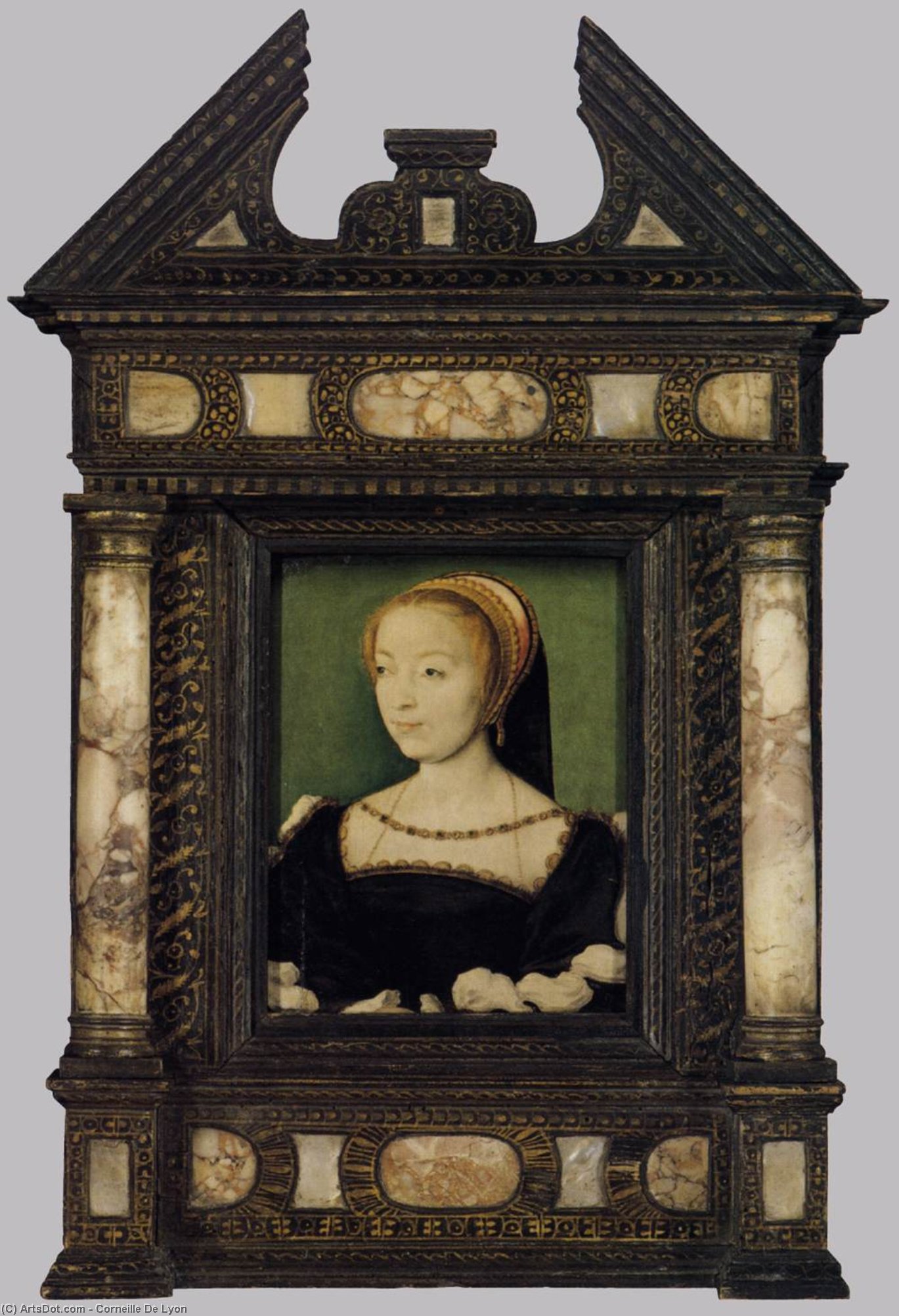
Portrait of Louise de Rieux
 Acrylic On Canvas
- WallArt
- Baroque Portraiture
 1550
1550 16.0 x 12.0 cm
 Museo del Louvre
 Ver más
Giclée / Impresión de arte
Impresiones giclée o en lienzo de calidad de museo con producción rápida y opciones de acabado flexibles. ( Comprar pintura hecha a mano Comprar imagen)




P118B $10

P118H $10

P118W $10

P438Z $10

P508JH $12

P508YH $12

P805H $10

P805Z $10

P919BZ $10

P919G $10

P919XJ $10

P959ZH $10

P968JZ $12

W106C $8

W218G $10

W218JH $8

W218Y $10

W307PJ $10

W316G $10

W316PJ $8

W316Y $10

W398PJ $8

W4111J $10

W500HY $15

W500JH $15

W692G $12

W849H $8

W940BG $15

W953PJ $8




Elija entre nuestros tamaños predefinidos que respetan las proporciones originales de la obra.

Puede introducir sus propias dimensiones para adaptarse a un marco o espacio específico. Si el tamaño seleccionado no coincide con las proporciones de la imagen original, recortaremos la obra de arte o extenderemos la imagen con un borde con efecto espejo o de color sólido. Se enviará una maqueta digital para su aprobación antes de que comience la producción.
Tenga en cuenta que la vista previa en pantalla no refleja el recorte o la extensión real. Solo la maqueta mostrará con precisión la composición final.
Aunque existen tamaños personalizados, recomendamos seleccionar una dimensión de la lista predefinida para preservar las proporciones originales.
Envío a todo el mundo () en 2 semanas en lugar de las 4/5 semanas estándar. (25 agosto)

Envío exprés gratuito a todo el mundo

Lienzo de lino de alta calidad

Seguro de envío total

Garantía de reembolso de impuestos aduaneros

Garantía de fidelidad cromática exacta

Política de devolución de 60 días (solo por defectos)

Garantía de devolución del 100% del dinero

Descuento por cantidad
 La opción de vidrio solo está disponible en tamaños inferiores a 110 cm.

Portrait of Louise de Rieux
Giclée / Impresión de arte
Dimensiones de la reproducción
-


Precio total final
$ 62
Descripción de la pieza
Portrait of Louise de Rieux – A Window into Renaissance Lyon
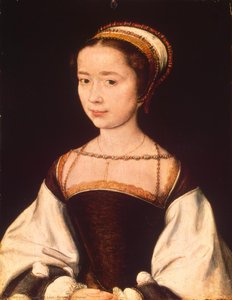
The “Portrait of Louise de Rieux,” painted by Corneille de Lyon in 1550, is more than just a likeness; it’s a carefully constructed tableau offering a glimpse into the refined world of late Renaissance Lyon. This intimate portrait captures a woman of considerable standing – likely a noblewoman – within the opulent confines of her domestic sphere. The painting immediately draws the eye to Louise's face, rendered with remarkable detail and a subtle realism that belies the artistic conventions of the time. Her gaze, direct and unwavering, invites the viewer into a silent conversation, suggesting both intelligence and quiet dignity.
De Lyon’s style is characterized by a meticulous attention to texture and light. He employs a technique known as “pointillé,” utilizing tiny, closely spaced brushstrokes to build up color and form. This method creates a shimmering effect, particularly noticeable in the folds of her dress and the delicate sheen of her pearl necklace. The muted palette – dominated by deep greens, browns, and blacks – reflects the prevailing fashion of the period and contributes to the painting’s overall atmosphere of restrained elegance. The dark background serves not as mere backdrop but as a deliberate device to further emphasize Louise's presence and draw attention to her features.
Symbolism and Social Context
Beyond its technical merits, the portrait is rich in symbolic meaning. The black dress, a common garment for women of noble birth at the time, signifies wealth and status. The pearl necklace, a symbol of purity and virtue, further reinforces Louise’s position within her social circle. The inclusion of a small, intricately carved wooden frame – a detail often overlooked – speaks to the importance placed on displaying art as a marker of taste and refinement. Portraits like this were not simply representations; they were carefully curated statements about family lineage, wealth, and social standing.
Louise de Rieux herself was likely a woman of considerable influence within Lyon’s burgeoning merchant class. The city was experiencing a period of significant economic growth during the 16th century, fueled by trade with Italy and beyond. Women like Louise played a crucial role in managing households, overseeing finances, and maintaining social connections – all vital functions within this dynamic environment. This portrait offers a rare opportunity to visualize and understand the lives of women who shaped the cultural landscape of Renaissance Lyon.
The Artist: Corneille de Lyon - A Master of Detail
Corneille de Lyon (1500-1575) was a prominent artist working in the Netherlands during the late 16th century. He is particularly known for his portraits, often characterized by their meticulous detail and realistic portrayal of subjects. While relatively little is definitively known about his life, art historians believe he spent much of his career in Lyon, serving as court painter to various noble families. His work reflects a blend of Northern European realism with Italian Renaissance influences – a testament to the artistic exchange that flourished during this period.
Interestingly, de Lyon’s biography remains somewhat obscure. Records are scarce, and much of our understanding of his life and career is pieced together from stylistic analysis and comparisons with other works attributed to him. Despite the limited information available, his skill as a portraitist is undeniable, as evidenced by the exquisite execution of “Portrait of Louise de Rieux.”
A Timeless Portrait – Perfect for Reproduction
The "Portrait of Louise de Rieux" transcends its historical context and continues to resonate with viewers today. Its quiet dignity, subtle beauty, and evocative symbolism make it a captivating work of art. Reproductions offer an accessible way to bring this remarkable portrait into any home or office, adding a touch of Renaissance elegance and intellectual depth. The meticulous detail captured by de Lyon’s brushstrokes is faithfully reproduced in high-quality prints, allowing you to appreciate the artistry and craftsmanship of this enduring masterpiece.
Whether displayed as a statement piece in a grand salon or incorporated into a more intimate setting, “Portrait of Louise de Rieux” serves as a poignant reminder of the lives and aspirations of those who shaped the cultural heritage of Renaissance Lyon.
Obras relacionadas

Biografía del artista
Una mirada cortesana: La vida y el arte de Corneille de Lyon
Corneille de Lyon, nacido como Claude Corneille en La Haya alrededor de 1500 y fallecido hacia 1575, ocupa una posición fascinante, aunque algo enigmática, dentro de la historia del retrato renacentista. No fue simplemente un pintor; fue una presencia internacional, un cronista de la nobleza europea en una época de dinámicas de poder cambiantes y de floreciente innovación artística. Aunque a menudo se le denomina neerlandés, su carrera floreció principalmente en Francia, sirviendo como el retratista predilección de Francisco I y, más tarde, durante los reinados de Enrique II y Carlos IX. Su historia es una de adaptación, imitación hábil y, en última instancia, la creación de un estilo distintivo que capturó no solo el parecido físico, sino también la esencia misma de la vida cortesana.Del realismo del norte a la elegancia francesa
La formación temprana de Corneille permanece en gran medida indocumentada, aunque se cree que inicialmente trabajó en la tradición de la pintura flamenca primitiva, un mundo impregnado de detalles meticulosos y una representación realista. Esta base es visible en sus obras más tempranas, caracterizadas por una ejecución precisa de tejidos, joyas y rasgos faciales. Sin embargo, al llegar a Francia hacia 1524, Corneille se encontró con una sensibilidad estética diferente. La corte francesa favorecía un estilo más refinado y elegante, fuertemente influenciado por los maestros del Renacimiento italiano como Leonardo da Vinci y Rafael. De manera crucial, estuvo expuesto a la obra de Hans Holbein el Joven, cuyos retratos —con su profundidad psicológica y uso sofisticado del color— impactaron profundamente el desarrollo de Corneille. No se limitó a copiar a Holbein; en su lugar, sintetizó el realismo del norte con la gracia italiana y los penetrantes estudios de carácter de Holbein, forjando un lenguaje artístico único.El retratista del Rey: Una carrera en la corte francesa
Corneille ascendió rápidamente hasta convertirse en el retratista oficial de Francisco I, un puesto de inmenso prestigio y responsabilidad. No pintaba grandes escenas alegóricas ni narrativas religiosas; su enfoque se centraba casi exclusivamente en capturar los semblantes del rey, la reina, los cortesanos y los dignatarios visitantes. Esta especialización le permitió perfeccionar una habilidad extraordinaria para retratar el estatus y el poder a través de detalles sutiles: el corte de una prenda, la disposición de las joyas, la postura misma del modelo. Sus retratos son notablemente consistentes en su formato: típicamente de medio cuerpo, con los sujetos posando contra fondos oscuros, enfatizando sus rostros y sus elaborados atuendos. Empleaba una paleta limitada, favoreciendo negros, rojos y dorados intensos, lo que realzaba aún más la sensación de opulencia y autoridad. Se crearon cientos de estos retratos en miniatura, a menudo como regalos diplomáticos o recuerdos para los miembros de la corte. Estos no pretendían ser declaraciones monumentales; eran objetos íntimos destinados a circular dentro de un círculo selecto, reforzando los vínculos sociales y proyectando una imagen del poder real.Más allá del parecido: Simbolismo y legado artístico
Aunque es celebrado por su destreza técnica, la obra de Corneille también revela una sutil comprensión del simbolismo. La vestimenta de los modelos a menudo transmitía su rango o lealtad; las joyas podían significar riqueza, piedad o estado civil. No se limitaba a registrar apariencias, sino que construía narrativas sobre la identidad y la pertenencia. Su influencia se extendió más allá de la corte francesa. Formó a numerosos artistas, difundiendo su estilo por toda Francia y contribuyendo al desarrollo de la "Escuela de Lyon" de la pintura, un grupo de retratistas conocidos por su técnica refinada y composiciones elegantes. Aunque no inventó nuevas técnicas artísticas ni exploró temas radicales, Corneille de Lyon perfeccionó el arte del retrato cortesano, dejando tras de sí una vasta obra que proporciona una visión invaluable de las vidas y personalidades de la nobleza europea del siglo XVI. Sus retratos siguen siendo cautivadores, no solo por su importancia histórica, sino también por su belleza perdurable y su perspicacia psicológica: un testimonio del poder de la observación y del arte de capturar un momento fugaz en el tiempo. Su legado es uno de elegancia refinada, detalle meticuloso y una capacidad inigualable para retratar la esencia de la vida cortesana.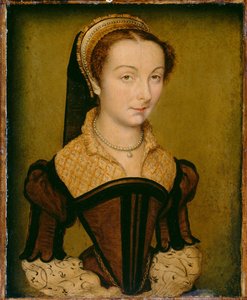
Corneille De Lyon
1500 - 1575
Datos clave
- Artistic Movement Or Style: Alto Renacimiento
- Artists Or Movements Influenced By This Artist: ['familia Da Vinci']
- Artists Who Influenced This Artist: ['Andrea del Verrocchio']
- Date Of Birth: 15 de abril de 1452
- Date Of Death: 2 de mayo de 1519
- Full Name: Leonardo di ser Piero da Vinci
- Nationality: Italiano
- Notable Artworks:
- Mona Lisa
- La última cena
- Hombre de Vitruvio
- Place Of Birth: Vinci, Italia
Artículos relacionados

Goya: Las 25 Obras Maestras del Genio Español | Reproducciones de Arte en ArtsDot
Descubre las 25 obras maestras de Goya, el genio español. Explora retratos icónicos, 'Los Caprichos' y 'Las Pinturas Negras'. Reproducciones de arte en lienzo de alta calidad para decorar tu hogar con estilo. ¡Encuentra tu obra favorita en ArtsDot.com!
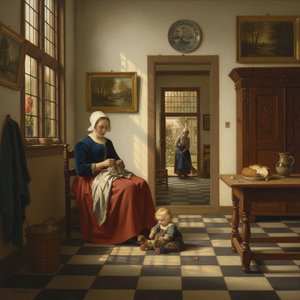
Pieter de Hooch: Illuminating Dutch Domestic Life & Golden Age Charm
Explore the captivating world of Pieter de Hooch, a master of Dutch Golden Age painting. Discover his innovative use of light, intimate domestic scenes, and lasting influence on art history. Learn more at ArtsDot.

Acerca de nosotros
Descubre nuestra historia! Llevamos el arte de clase mundial a tu vida gracias a una selección experta, creaciones personalizadas y vistas previas gratuitas. Aprobado por particulares y empresas desde el año 2000.
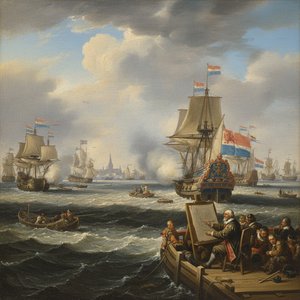
Willem van de Velde the Elder: Master of Maritime Painting & Chronicler of the Dutch Golden Age
Discover the captivating maritime paintings of Willem van de Velde the Elder, a master chronicler of the Dutch Golden Age. Explore his unparalleled realism and lasting influence on naval art history.
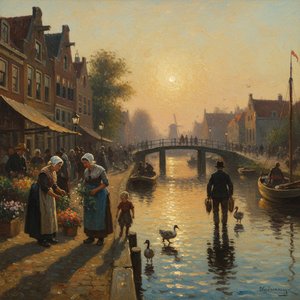
Wilhelmus de Zwart: Capturing Dutch Life Through the Lens of Realism & Impressionism
Explore the captivating world of Wilhelmus de Zwart, a Dutch master bridging Realism & Impressionism. Discover his landscapes, cityscapes, and unique technique – a compelling study for art enthusiasts and collectors.