Ver en contexto
 Enviar
 Compartir
 Detalles

 Descargar
 Similares
 Radiografía
 Presentación de diapositivas
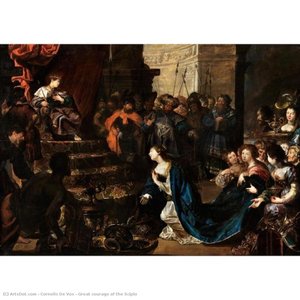
Portrait of a Girl at the Age of 10
 Oil On Canvas
- WallArt
- Baroque
 94.0 x 156.0 cm
 Galería Saboya
 Ver más
Reproducción al óleo hecha a mano
Óleo sobre lienzo pintado a mano en el tamaño y marco de su elección, realizado por encargo por nuestros artistas. ( Comprar impresión Comprar imagen)




P118B $10

P118H $10

P118W $10

P438Z $10

P508JH $12

P508YH $12

P805H $10

P805Z $10

P919BZ $10

P919G $10

P919XJ $10

P959ZH $10

P968JZ $12

W106C $8

W218G $10

W218JH $8

W218Y $10

W307PJ $10

W316G $10

W316PJ $8

W316Y $10

W398PJ $8

W4111J $10

W500HY $15

W500JH $15

W692G $12

W849H $8

W940BG $15

W953PJ $8




Elija entre nuestros tamaños predefinidos que respetan las proporciones originales de la obra.

Puede ingresar sus propias dimensiones para adaptarse a un marco o espacio específico. Si el tamaño seleccionado no coincide con las proporciones de la imagen original, recortaremos la obra o extenderemos la pintura con elementos adicionales pintados a mano. Se le enviará una maqueta digital para su aprobación antes de comenzar la producción.
Tenga en cuenta que la vista previa en pantalla no refleja el recorte o la extensión reales. Solo la maqueta mostrará con precisión la composición final.
Si bien existen tamaños personalizados, recomendamos seleccionar una dimensión de la lista predefinida para preservar las proporciones originales.
Tras realizar el pedido, el equipo de ArtsDot.com enviará un correo electrónico al cliente para solicitar instrucciones y proporcionarle una vista previa del boceto.
Envío a todo el mundo () en 3-4 semanas en lugar de las 5 semanas estándar. (3 septiembre). Sin comprometer la calidad.

Envío exprés gratuito a todo el mundo

Lienzo de lino de alta calidad

Seguro de envío total

Garantía de reembolso de impuestos aduaneros

Garantía de fidelidad cromática exacta

Política de devolución de 60 días (solo por defectos)

Garantía de devolución del 100% del dinero

Descuento por cantidad
 La opción de vidrio solo está disponible en tamaños inferiores a 110 cm.

Portrait of a Girl at the Age of 10
Técnica de reproducción
Dimensiones de la reproducción
-


Precio total final
$ 263
A Window into Baroque Grace: Deconstructing ‘Portrait of a Girl at the Age of 10’
Cornelis de Vos's “Portrait of a Girl at the Age of 10” isn’t merely a depiction of youth; it’s a meticulously crafted window into the opulent and subtly complex world of 17th-century Antwerp. Painted during a period of burgeoning artistic innovation, this work exemplifies the Baroque style’s masterful command of light, shadow, and psychological depth – qualities that continue to resonate powerfully with viewers today. The painting immediately draws the eye with its formal composition: a young girl, poised in a richly adorned interior, occupies nearly the entire frame, creating an intimate yet undeniably regal presence. The dark background serves not as a void, but rather as a strategic device, amplifying the luminosity of the figure and directing our focus entirely onto her serene countenance.
De Vos’s technique is characterized by a remarkable sensitivity to texture and detail. The fabrics – velvet, silk, and lace – are rendered with an almost tactile quality, each fold and drape meticulously observed and painstakingly executed in layers of oil paint. Notice the subtle variations in tone that suggest the sheen of polished surfaces and the delicate weight of the garments. The artist’s brushstrokes, while visible, are controlled and deliberate, contributing to a sense of realism without sacrificing elegance. The use of chiaroscuro – the dramatic contrast between light and dark – is particularly noteworthy; it sculpts the girl's face, highlighting her features and imbuing the scene with an atmosphere of quiet dignity.
The Symbolism of Status and Refinement
Beyond its technical brilliance, “Portrait of a Girl at the Age of 10” is laden with symbolic meaning. The girl’s attire – the pearl necklace, the elaborate gown, the feathered fan – speaks volumes about her family's wealth and social standing. These were not simply decorative elements; they were visual markers of status within a rigidly hierarchical society. The inclusion of the vase of flowers further reinforces this message, representing beauty, fertility, and prosperity—all highly valued attributes in the Baroque era. The subtle gesture of holding the fan adds to her composure, suggesting an air of self-possession and cultivated grace.
However, beneath the surface of outward display lies a deeper layer of meaning. The girl’s expression is remarkably controlled, conveying a sense of reserve rather than overt emotion. This restraint is characteristic of Baroque portraiture, which often aimed to present an idealized image of virtue and dignity. Yet, there's also a hint of melancholy in her eyes, suggesting a quiet awareness of the constraints placed upon women within this societal framework. The composition itself—centered on the subject—emphasizes her importance, but simultaneously isolates her within a carefully constructed world.
A Masterpiece Rooted in Antwerp’s Artistic Legacy
Cornelis de Vos was a pivotal figure in 17th-century Antwerp's vibrant artistic scene. Born around 1584 and trained under David Remeeus, he quickly established himself as a leading portraitist, collaborating with the renowned Peter Paul Rubens and becoming a respected member of the city’s Guild of Saint Luke. De Vos’s work reflects the influences of both Caravaggio – particularly his dramatic use of light – and Rubens's dynamic compositions. His portraits are distinguished by their psychological insight, capturing not just physical likeness but also the inner lives of his subjects. The painting stands as a testament to Antwerp’s position as a major center for artistic innovation during this period.
Further research reveals that De Vos was deeply involved in the art market, acting as an agent and dealer alongside his painting practice. This dual role provided him with invaluable insights into the tastes of wealthy patrons and allowed him to cultivate a diverse network of contacts. The “Portrait of a Girl at the Age of 10” offers a rare glimpse into the world of a prominent Antwerp artist, revealing both his technical mastery and his engagement with the social and economic realities of his time. Reproductions of this captivating work continue to be highly sought after by collectors and interior designers alike, offering a tangible connection to a bygone era of artistic splendor.
Obras relacionadas
Biografía del artista
Cornelis de Vos: Un Destacado Retratista Flamenco
- Nacido: Amberes, Bélgica (1585)
- Fallecido: 1651
Cornelis de Vos fue un prominente pintor flamenco, dibujante y comerciante de arte del período barroco. Es particularmente celebrado por sus sensibles e introspectivos retratos, especialmente aquellos que representan a niños y familias, estableciéndolo como uno de los principales artistas retratistas de Amberes. Si bien es renombrado principalmente por el retrato, también demostró habilidad en la pintura histórica, religiosa y de género, colaborando frecuentemente con Peter Paul Rubens.
Vida Temprana y Formación
Nacido en Hulst, cerca de Amberes (ahora dentro de la provincia holandesa de Zelanda), se sabe poco sobre su infancia temprana. Su familia se trasladó a Amberes en 1596. Recibió su formación artística bajo David Remeeus (1559–1626), un pintor menos conocido. A partir de 1599, fue documentado como alumno de Remeeus y, en 1604, sirvió como su principal asistente. En 1604, de Vos solicitó al consejo municipal de Amberes permiso para viajar al extranjero para estudiar, un requisito común para los artistas aspirantes; sin embargo, sigue siendo incierto si este viaje ocurrió.
Carrera y Desarrollo Artístico
- Afiliación a la Cofradía y Ciudadanía: De Vos se unió a la Cofradía de San Lucas en 1608. Se convirtió en ciudadano de Amberes en 1616, indicando su ocupación como comerciante de arte.
- Matrimonio y Familia: En 1617, se casó con Susanna Cock, hermanastra del pintor paisajista Jan Wildens. Tuvieron seis hijos. El matrimonio de su hermana Margaretha con Frans Snyders solidificó aún más su posición dentro de la comunidad artística de Amberes.
- Roles Profesionales: De Vos desempeñó roles significativos en el mundo del arte, sirviendo como decano de la Cofradía de San Lucas en 1619 y siendo elegido decano principal en 1620, un testimonio de su posición. También se dedicó al comercio de arte, frecuentando el mercado de Saint-Germain en París.
- Retrato y Patronazgo: La carrera de De Vos floreció a través de encargos de retratos de mecenas locales. Ejemplos notables incluyen un ciclo de retratos familiares encargado por Joris Vekemans en 1624 y retratos reales para Felipe IV de España, Alberto e Isabel (Archiduques de Austria), Enrique III y Enrique IV de Francia, y María de' Medici en 1627.
- Colaboraciones: Contribuyó a las decoraciones para la entrada gozosa del Infante Cardenal Fernando en Amberes en 1635, trabajando bajo la dirección de Rubens. De Vos también participó en el extenso proyecto decorativo en Torre de la Parada cerca de Madrid (1636-1638), pintando escenas mitológicas basadas en bocetos de Rubens.
Estilo Artístico e Influencias
El estilo artístico de De Vos evolucionó con el tiempo, mostrando inicialmente una clara influencia de Rubens en términos de temas, motivos e influencias caravaggiescas. Sus primeras obras se caracterizan por una paleta cálida y un meticuloso renderizado de telas y joyas.
- Estilo Temprano: Marcado por la influencia de Rubens y Caravaggio.
- Características Distintivas: La plasticidad lúcida de la carne pintada y el brillo táctil brillante fueron señas distintivas de su estilo. Empleó una técnica fluida y transparente con finos trazos de pincel.
- Estilo Posterior: Sus obras posteriores (a partir de la década de 1630) exhibieron un enfoque más suelto y pictórico con menos detalles precisos, como se ve en el retrato de una joven del Museo Metropolitano de Arte.
- Características Clave: La iluminación uniforme y los suaves efectos de claroscuro fueron cruciales para su capacidad para retratar el carácter y la textura eficazmente.
Legado y Significado
Tras la partida de Antony van Dyck a Inglaterra en 1621 y las frecuentes ausencias de Rubens, Cornelis de Vos se convirtió en el retratista líder de la alta burguesía y la sociedad patricio de Amberes. Sus retratos reflejan la influencia de Van Dyck pero enfatizan un enfoque en representar los valores de clase media y la prosperidad más que la grandeza aristocrática. El legado de De Vos radica en su capacidad para capturar representaciones sensibles de sus modelos, mostrando sus personalidades y las texturas de su ropa con notable habilidad. Es recordado como una figura significativa en el arte flamenco barroco, particularmente por sus contribuciones al retrato.
- Alumnos: Jan Cossiers, Alexander Daemps y Simon de Vos (sin relación) estudiaron bajo él.
- Monograma: De Vos usó el monograma "CDVF".
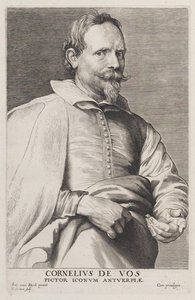
Cornelis de Vos
1585 - 1651 , Bélgica
Datos clave
- Artistas Influyentes:
- David Remeeus
- Rubens
- Van Dyck
- Fecha De Fallecimiento: 1651
- Fecha De Nacimiento: 1585
- Influenciado Por:
- Jan Cossiers
- Alexander Daemps
- Simon de Vos
- Lugar De Nacimiento: Amberes, Bélgica
- Movimiento Artístico: Barroco
- Nacionalidad: Flamenco
- Nombre Completo: Cornelis de Vos
- Obras Notables:
- Retrato de Abraham Grapheus
- Ciclo familiar Vekemans
- Retratos reales (España, Francia)
Artículos relacionados

Goya: Las 25 Obras Maestras del Genio Español | Reproducciones de Arte en ArtsDot
Descubre las 25 obras maestras de Goya, el genio español. Explora retratos icónicos, 'Los Caprichos' y 'Las Pinturas Negras'. Reproducciones de arte en lienzo de alta calidad para decorar tu hogar con estilo. ¡Encuentra tu obra favorita en ArtsDot.com!

Decoding Baroque Grandeur: A Guide to the Drama and Emotion of 17th-Century Art
Explore the breathtaking drama of 17th-century Baroque art. Our expert guide decodes the use of chiaroscuro, emotional intensity, and historical grandeur to help you appreciate and curate timeless masterpieces for your collection.

Acerca de nosotros
Descubre nuestra historia! Llevamos el arte de clase mundial a tu vida gracias a una selección experta, creaciones personalizadas y vistas previas gratuitas. Aprobado por particulares y empresas desde el año 2000.

Baroque Classicism: Reconciling Drama & Order in 17th-Century Art
Explore the captivating world of Baroque Classicism! Discover its history, key artists like Caravaggio & Rubens, and defining characteristics. Expert insights & high-quality reproductions at ArtsDot.

Barroco Sublime: 10 Obras Maestras que Definieron una Época |
Descubre las 10 obras maestras del Barroco que marcaron una época. Caravaggio, Bernini y Velázquez cobran vida en . Reproducciones de arte de calidad museo para decorar tu hogar con elegancia. ¡Explora la colección online!