 Ver en contexto
 Enviar
 Compartir
 Detalles

 Descargar
 Similares
 Radiografía
 Presentación de diapositivas
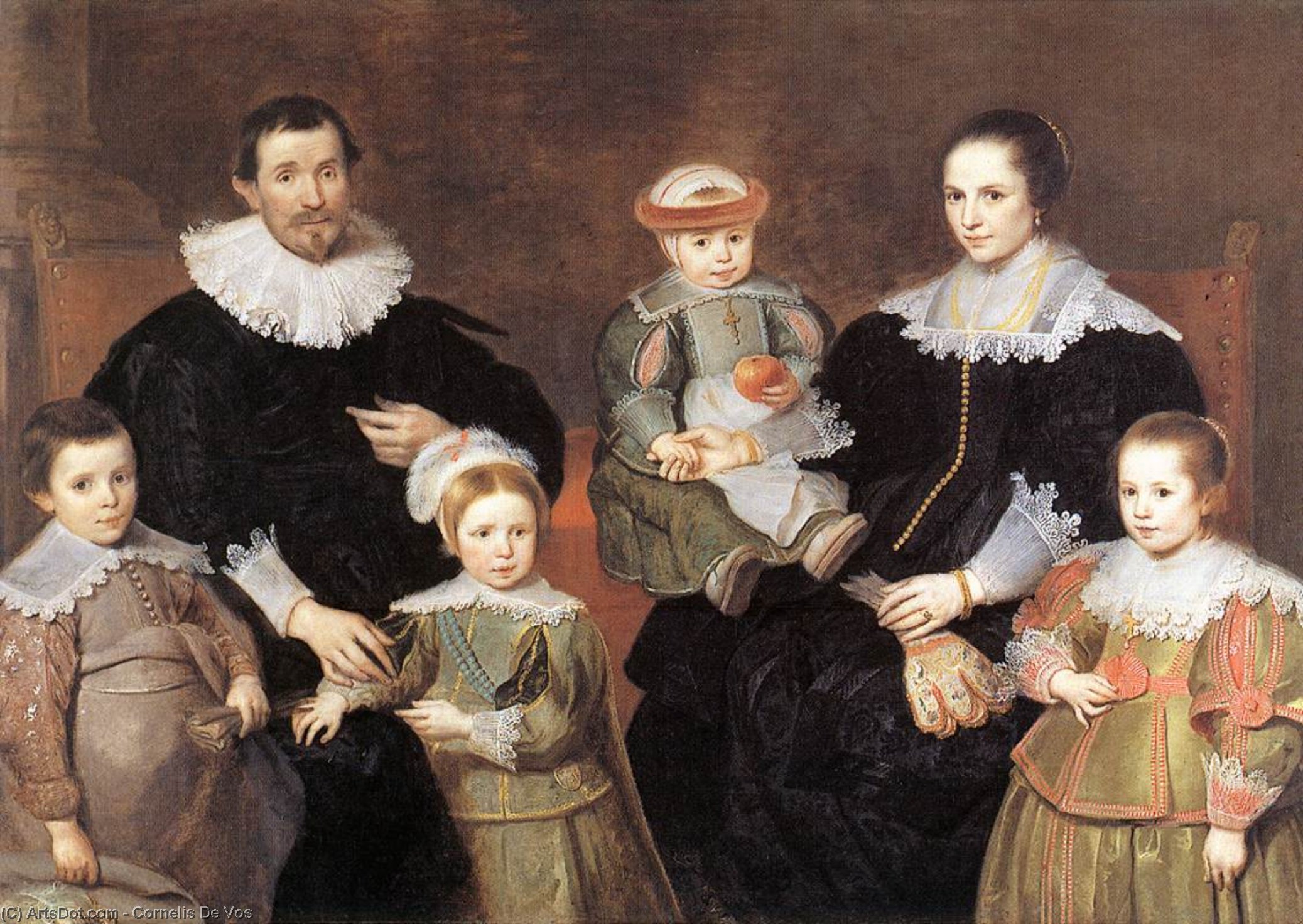
The Family of the Artist
 Oil On Canvas
- WallArt
- Flemish Baroque
 1630
1630 144.0 x 203.0 cm
 Museo de las Artes Visuales
 Ver más
Reproducción al óleo hecha a mano
Óleo sobre lienzo pintado a mano en el tamaño y marco de su elección, realizado por encargo por nuestros artistas. ( Comprar impresión Comprar imagen)




P118B $10

P118H $10

P118W $10

P438Z $10

P508JH $12

P508YH $12

P805H $10

P805Z $10

P919BZ $10

P919G $10

P919XJ $10

P959ZH $10

P968JZ $12

W106C $8

W218G $10

W218JH $8

W218Y $10

W307PJ $10

W316G $10

W316PJ $8

W316Y $10

W398PJ $8

W4111J $10

W500HY $15

W500JH $15

W692G $12

W849H $8

W940BG $15

W953PJ $8




Elija entre nuestros tamaños predefinidos que respetan las proporciones originales de la obra.

Puede ingresar sus propias dimensiones para adaptarse a un marco o espacio específico. Si el tamaño seleccionado no coincide con las proporciones de la imagen original, recortaremos la obra o extenderemos la pintura con elementos adicionales pintados a mano. Se le enviará una maqueta digital para su aprobación antes de comenzar la producción.
Tenga en cuenta que la vista previa en pantalla no refleja el recorte o la extensión reales. Solo la maqueta mostrará con precisión la composición final.
Si bien existen tamaños personalizados, recomendamos seleccionar una dimensión de la lista predefinida para preservar las proporciones originales.
Tras realizar el pedido, el equipo de ArtsDot.com enviará un correo electrónico al cliente para solicitar instrucciones y proporcionarle una vista previa del boceto.
Envío a todo el mundo () en 3-4 semanas en lugar de las 5 semanas estándar. (28 agosto). Sin comprometer la calidad.

Envío exprés gratuito a todo el mundo

Lienzo de lino de alta calidad

Seguro de envío total

Garantía de reembolso de impuestos aduaneros

Garantía de fidelidad cromática exacta

Política de devolución de 60 días (solo por defectos)

Garantía de devolución del 100% del dinero

Descuento por cantidad
 La opción de vidrio solo está disponible en tamaños inferiores a 110 cm.

The Family of the Artist
Técnica de reproducción
Dimensiones de la reproducción
-


Precio total final
$ 263
The Family Portrait of Cornelis de Vos: A Window into 17th-Century Antwerp
Cornelis de Vos’s “The Family of the Artist,” painted around 1630, is more than just a portrait; it's a meticulously crafted tableau offering a rare glimpse into the domestic life and social dynamics of 17th-century Antwerp. This remarkable painting, now housed in the Museum of Fine Arts Ghent (MSK), transcends the typical formality of courtly portraits, revealing a scene brimming with warmth, familial connection, and subtle yet significant details that speak volumes about its subjects’ status and values. De Vos, a master of Flemish portraiture, expertly captures not just likenesses but also an atmosphere of quiet dignity and understated elegance – hallmarks of his distinctive style. The composition itself is remarkably balanced, arranged around the central figures of the artist, Cornelis de Vos himself, his wife Susanna Cock, and their three children. The arrangement isn’t merely decorative; it subtly reinforces a hierarchical structure reflecting the social order of the time. The father, dressed in richly textured fabrics – a testament to his wealth and position – commands attention, while his family gathers around him, demonstrating filial piety and domestic harmony. Notice how each member is carefully positioned, creating a sense of depth and movement within the frame. The children, two boys and a girl, are rendered with an exceptional sensitivity for their age, capturing their youthful curiosity and innocence. The boy on the left, holding an apple – a symbol of knowledge and temptation – adds a layer of narrative complexity to the scene. De Vos’s technique is characterized by its remarkable realism and attention to detail. He employs a masterful use of light and shadow (chiaroscuro) to sculpt the figures, lending them volume and presence. The fabrics are rendered with astonishing accuracy, showcasing the artist's skill in capturing textures and folds. The subtle variations in color – from the deep reds and blues of the family’s clothing to the warmer tones of their skin – create a vibrant and engaging visual experience. Furthermore, De Vos’s use of oil paints allowed for layering and blending, creating a luminous quality that is particularly evident in the rendering of the children's faces. The painting’s overall effect is one of remarkable clarity and precision, reflecting the artist’s meticulous approach to his craft. Beyond its technical brilliance, “The Family of the Artist” offers valuable insights into the social customs and beliefs of Antwerp during the early 17th century. The clothing worn by the family – ruffled collars, lace cuffs, and elaborate embroidery – indicates their wealth and status. The inclusion of a book held by one of the boys suggests an emphasis on education and intellectual pursuits, reflecting the growing importance of literacy in this period. Interestingly, the two young boys are dressed identically, a common practice at that time due to the expense of tailoring separate garments for each child until they reached adolescence. This detail provides a charming glimpse into the practicalities of family life. The painting’s provenance – commissioned by Joris Vekemans, a wealthy merchant – further illuminates the context in which it was created and its intended purpose: to celebrate the family's prosperity and social standing. The historical significance of this work extends beyond its aesthetic qualities. De Vos’s collaboration with Rubens on the lavish decorations for the Spanish King Philip IV’s hunting pavilion at Torre de la Parada demonstrates his rising prominence within Antwerp’s artistic circles. His ability to seamlessly blend technical skill with a deep understanding of human psychology is evident in every brushstroke, solidifying his reputation as one of the most accomplished portraitists of his time. “The Family of the Artist” stands not only as a beautiful example of Flemish Baroque painting but also as a poignant reminder of the enduring power of art to capture and preserve moments of everyday life.A Reproduction Worth Considering
ArtsDot offers high-quality, hand-painted reproductions of Cornelis de Vos’s “The Family of the Artist,” meticulously crafted by skilled artists who understand the nuances of De Vos's style. These reproductions are available in a range of sizes and framing options to suit any interior design aesthetic. Choosing a reproduction allows you to bring this captivating work of art into your home, enjoying its beauty and historical significance without the expense or upkeep associated with an original. Each reproduction is created using archival-quality materials, ensuring that it will retain its vibrancy and detail for generations to come. Consider a hand-painted reproduction as a thoughtful gift – a timeless piece of art that speaks volumes about family, heritage, and artistic excellence.Obras relacionadas
Biografía del artista
Cornelis de Vos: Un Destacado Retratista Flamenco
- Nacido: Amberes, Bélgica (1585)
- Fallecido: 1651
Cornelis de Vos fue un prominente pintor flamenco, dibujante y comerciante de arte del período barroco. Es particularmente celebrado por sus sensibles e introspectivos retratos, especialmente aquellos que representan a niños y familias, estableciéndolo como uno de los principales artistas retratistas de Amberes. Si bien es renombrado principalmente por el retrato, también demostró habilidad en la pintura histórica, religiosa y de género, colaborando frecuentemente con Peter Paul Rubens.
Vida Temprana y Formación
Nacido en Hulst, cerca de Amberes (ahora dentro de la provincia holandesa de Zelanda), se sabe poco sobre su infancia temprana. Su familia se trasladó a Amberes en 1596. Recibió su formación artística bajo David Remeeus (1559–1626), un pintor menos conocido. A partir de 1599, fue documentado como alumno de Remeeus y, en 1604, sirvió como su principal asistente. En 1604, de Vos solicitó al consejo municipal de Amberes permiso para viajar al extranjero para estudiar, un requisito común para los artistas aspirantes; sin embargo, sigue siendo incierto si este viaje ocurrió.
Carrera y Desarrollo Artístico
- Afiliación a la Cofradía y Ciudadanía: De Vos se unió a la Cofradía de San Lucas en 1608. Se convirtió en ciudadano de Amberes en 1616, indicando su ocupación como comerciante de arte.
- Matrimonio y Familia: En 1617, se casó con Susanna Cock, hermanastra del pintor paisajista Jan Wildens. Tuvieron seis hijos. El matrimonio de su hermana Margaretha con Frans Snyders solidificó aún más su posición dentro de la comunidad artística de Amberes.
- Roles Profesionales: De Vos desempeñó roles significativos en el mundo del arte, sirviendo como decano de la Cofradía de San Lucas en 1619 y siendo elegido decano principal en 1620, un testimonio de su posición. También se dedicó al comercio de arte, frecuentando el mercado de Saint-Germain en París.
- Retrato y Patronazgo: La carrera de De Vos floreció a través de encargos de retratos de mecenas locales. Ejemplos notables incluyen un ciclo de retratos familiares encargado por Joris Vekemans en 1624 y retratos reales para Felipe IV de España, Alberto e Isabel (Archiduques de Austria), Enrique III y Enrique IV de Francia, y María de' Medici en 1627.
- Colaboraciones: Contribuyó a las decoraciones para la entrada gozosa del Infante Cardenal Fernando en Amberes en 1635, trabajando bajo la dirección de Rubens. De Vos también participó en el extenso proyecto decorativo en Torre de la Parada cerca de Madrid (1636-1638), pintando escenas mitológicas basadas en bocetos de Rubens.
Estilo Artístico e Influencias
El estilo artístico de De Vos evolucionó con el tiempo, mostrando inicialmente una clara influencia de Rubens en términos de temas, motivos e influencias caravaggiescas. Sus primeras obras se caracterizan por una paleta cálida y un meticuloso renderizado de telas y joyas.
- Estilo Temprano: Marcado por la influencia de Rubens y Caravaggio.
- Características Distintivas: La plasticidad lúcida de la carne pintada y el brillo táctil brillante fueron señas distintivas de su estilo. Empleó una técnica fluida y transparente con finos trazos de pincel.
- Estilo Posterior: Sus obras posteriores (a partir de la década de 1630) exhibieron un enfoque más suelto y pictórico con menos detalles precisos, como se ve en el retrato de una joven del Museo Metropolitano de Arte.
- Características Clave: La iluminación uniforme y los suaves efectos de claroscuro fueron cruciales para su capacidad para retratar el carácter y la textura eficazmente.
Legado y Significado
Tras la partida de Antony van Dyck a Inglaterra en 1621 y las frecuentes ausencias de Rubens, Cornelis de Vos se convirtió en el retratista líder de la alta burguesía y la sociedad patricio de Amberes. Sus retratos reflejan la influencia de Van Dyck pero enfatizan un enfoque en representar los valores de clase media y la prosperidad más que la grandeza aristocrática. El legado de De Vos radica en su capacidad para capturar representaciones sensibles de sus modelos, mostrando sus personalidades y las texturas de su ropa con notable habilidad. Es recordado como una figura significativa en el arte flamenco barroco, particularmente por sus contribuciones al retrato.
- Alumnos: Jan Cossiers, Alexander Daemps y Simon de Vos (sin relación) estudiaron bajo él.
- Monograma: De Vos usó el monograma "CDVF".
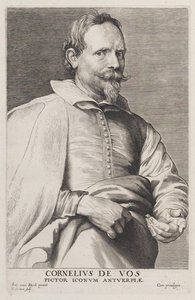
Cornelis de Vos
1585 - 1651 , Bélgica
Datos clave
- Artistas Influyentes:
- David Remeeus
- Rubens
- Van Dyck
- Fecha De Fallecimiento: 1651
- Fecha De Nacimiento: 1585
- Influenciado Por:
- Jan Cossiers
- Alexander Daemps
- Simon de Vos
- Lugar De Nacimiento: Amberes, Bélgica
- Movimiento Artístico: Barroco
- Nacionalidad: Flamenco
- Nombre Completo: Cornelis de Vos
- Obras Notables:
- Retrato de Abraham Grapheus
- Ciclo familiar Vekemans
- Retratos reales (España, Francia)
Artículos relacionados

Goya: Las 25 Obras Maestras del Genio Español | Reproducciones de Arte en ArtsDot
Descubre las 25 obras maestras de Goya, el genio español. Explora retratos icónicos, 'Los Caprichos' y 'Las Pinturas Negras'. Reproducciones de arte en lienzo de alta calidad para decorar tu hogar con estilo. ¡Encuentra tu obra favorita en ArtsDot.com!

Acerca de nosotros
Descubre nuestra historia! Llevamos el arte de clase mundial a tu vida gracias a una selección experta, creaciones personalizadas y vistas previas gratuitas. Aprobado por particulares y empresas desde el año 2000.
Depicting Kinship: Family Values Across Artistic Movements & Historical Contexts
Explore the rich history of depicting kinship in art! From Dutch Masters to contemporary artists, discover how family values have been represented across movements & time. Expert insights for collectors at ArtsDot.
Pieter de Hooch: Illuminating Dutch Domestic Life & Golden Age Charm
Explore the captivating world of Pieter de Hooch, a master of Dutch Golden Age painting. Discover his innovative use of light, intimate domestic scenes, and lasting influence on art history. Learn more at ArtsDot.
Evolución de los Retratos: El Arte Personalizado como Crónica de la Vida Familiar a Través de las Generaciones
Descubre la evolución del retrato familiar y cómo convertir tus recuerdos en obras de arte atemporales. Pinturas al óleo personalizadas por artistas expertos. ¡Preserva tu legado con ArtsDot!