 Ver en contexto
 Enviar
 Compartir
 Detalles

 Descargar
 Similares
 Radiografía
 Presentación de diapositivas
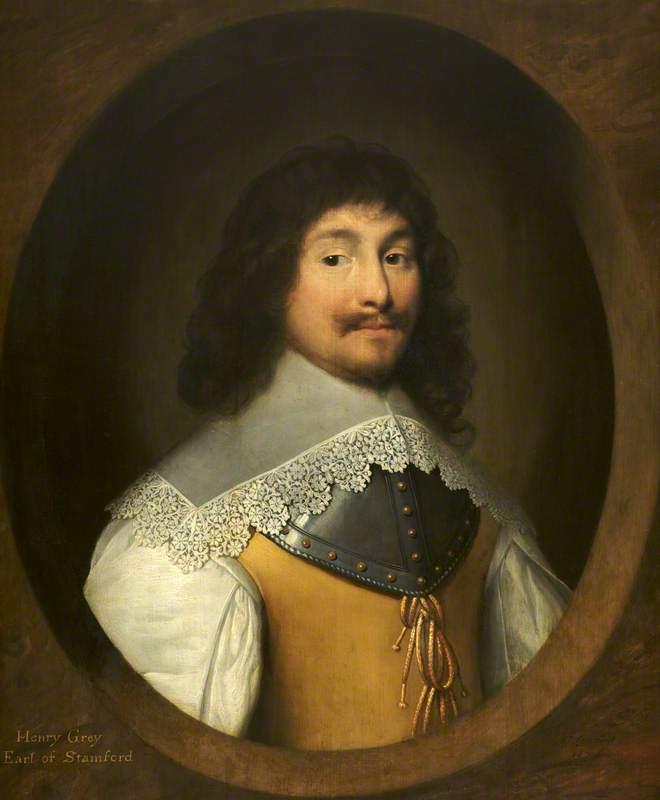
Henry Grey, 1st Earl of Stamford


 Ver más
Reproducción al óleo hecha a mano
Óleo sobre lienzo pintado a mano en el tamaño y marco de su elección, realizado por encargo por nuestros artistas. ( Comprar impresión Comprar imagen)




P118B $10

P118H $10

P118W $10

P438Z $10

P508JH $12

P508YH $12

P805H $10

P805Z $10

P919BZ $10

P919G $10

P919XJ $10

P959ZH $10

P968JZ $12

W106C $8

W218G $10

W218JH $8

W218Y $10

W307PJ $10

W316G $10

W316PJ $8

W316Y $10

W398PJ $8

W4111J $10

W500HY $15

W500JH $15

W692G $12

W849H $8

W940BG $15

W953PJ $8




Elija entre nuestros tamaños predefinidos que respetan las proporciones originales de la obra.

Puede ingresar sus propias dimensiones para adaptarse a un marco o espacio específico. Si el tamaño seleccionado no coincide con las proporciones de la imagen original, recortaremos la obra o extenderemos la pintura con elementos adicionales pintados a mano. Se le enviará una maqueta digital para su aprobación antes de comenzar la producción.
Tenga en cuenta que la vista previa en pantalla no refleja el recorte o la extensión reales. Solo la maqueta mostrará con precisión la composición final.
Si bien existen tamaños personalizados, recomendamos seleccionar una dimensión de la lista predefinida para preservar las proporciones originales.
Tras realizar el pedido, el equipo de ArtsDot.com enviará un correo electrónico al cliente para solicitar instrucciones y proporcionarle una vista previa del boceto.
Envío a todo el mundo () en 3-4 semanas en lugar de las 5 semanas estándar. (28 agosto). Sin comprometer la calidad.

Envío exprés gratuito a todo el mundo

Lienzo de lino de alta calidad

Seguro de envío total

Garantía de reembolso de impuestos aduaneros

Garantía de fidelidad cromática exacta

Política de devolución de 60 días (solo por defectos)

Garantía de devolución del 100% del dinero

Descuento por cantidad
 La opción de vidrio solo está disponible en tamaños inferiores a 110 cm.

Henry Grey, 1st Earl of Stamford
Técnica de reproducción
Dimensiones de la reproducción
-


Precio total final
$ 263
The Subject: A Man Defined by Status and Intrigue
Cornelis Janssens van Ceulen’s portrait of Henry Grey, 1st Earl of Stamford, is more than a simple likeness; it's a carefully constructed tableau of power, ambition, and the subtle anxieties of a man navigating the treacherous currents of Elizabethan court life. The subject himself – a figure of considerable influence yet shadowed by political maneuvering – embodies this duality. Grey, born around 1599, was a nobleman deeply entrenched in the fabric of English society, holding significant positions within Parliament and serving as Lord Lieutenant of Leicestershire. Yet, his life was punctuated by intrigue, plots, and ultimately, tragedy. The painting captures him at a pivotal moment – not necessarily a triumphant one, but certainly a point of considerable strategic importance, reflecting a man acutely aware of the shifting alliances and potential betrayals that defined his era.

(Image source: Wikimedia Commons)
The Style and Technique: Baroque Precision Meets Subtle Emotion
Van Ceulen’s work is firmly rooted in the Baroque tradition, a period characterized by dramatic lighting, rich textures, and an emphasis on realism. However, he transcends mere imitation, imbuing his portraits with a remarkable sensitivity to psychological nuance. The composition itself is meticulously balanced – the oval frame, a hallmark of the era, provides a dignified enclosure for the subject, while the dark background serves to heighten the impact of his figure. The artist’s mastery of chiaroscuro—the skillful manipulation of light and shadow—is particularly evident in the rendering of Grey's face and clothing. Notice how the subtle gradations of tone create a sense of depth and volume, drawing the viewer’s eye to his features and highlighting the intricate details of his attire.
The painting employs a highly polished technique, indicative of Van Ceulen’s meticulous approach. The fabrics—the velvet doublet, the lace collar, the embroidered cuffs—are rendered with astonishing realism, capturing their textures and folds with remarkable precision. This attention to detail speaks not only to the artist's technical skill but also to his desire to convey a sense of status and wealth – essential markers of identity in this period.
Historical Context: A Man Caught in Turbulent Times
To fully appreciate the portrait, one must understand the tumultuous political landscape of 17th-century England. The reign of James I was marked by religious tensions, power struggles between the monarchy and Parliament, and a series of conspiracies and plots. Henry Grey found himself at the center of these events, embroiled in schemes to secure his daughter’s succession to the throne and navigating the complex web of alliances within the court. His involvement in the failed “Nine Days’ Wonder” – the attempt to place Lady Jane Grey on the English throne – ultimately led to his downfall and exile. The painting, therefore, is not simply a portrait of an individual; it's a visual document of a specific moment in history—a man poised on the brink of both triumph and disaster.
The inclusion of text identifying him as “Henry Grey, 1st Earl of Stamford” provides crucial context. His title signifies his elevated social standing and political influence, while also hinting at the burdens and responsibilities that came with it. The portrait serves as a visual testament to his ambition and his place within the intricate hierarchy of Elizabethan England.
Symbolism and Emotional Impact: A Portrait of Controlled Power
Beyond its technical brilliance, the painting is rich in symbolic meaning. Grey’s neutral expression—a slight tilt of the head—suggests a man of considerable intellect and self-control, yet also one burdened by anxieties and aware of the dangers that surround him. The white lace collar, a symbol of high social status, contrasts sharply with the dark background, emphasizing his isolation and vulnerability. The carefully chosen colors – the rich reds and golds of his clothing juxtaposed against the somber tones of the backdrop—create a sense of dramatic tension. Ultimately, Van Ceulen’s portrait offers a compelling glimpse into the mind of a complex and fascinating figure—a man defined by both privilege and peril.
Obras relacionadas
Biografía del artista
Vida Temprana y Formación
- Nacido: Londres, Reino Unido (1593)
- Fallecido: 1661
- Cornelis Janssens van Ceulen, también conocido como Cornelius Johnson, nació en Londres de padres holandeses o flamencos que eran refugiados religiosos.
- Fue bautizado en la Iglesia Holandesa de Austin Friars, un centro para la comunidad neerlandesa en Londres.
- Su padre, Cornelis Janssens, había huido de Amberes debido a la persecución religiosa.
- Se cree que recibió su formación temprana en los Países Bajos, posiblemente bajo la tutela de Michiel Jansz. van Mierevelt.
- Probablemente asimiló influencias de otros pintores holandeses durante este período.
Carrera y Estilo Artístico
- Johnson se estableció como retratista en Inglaterra alrededor de 1618.
- Sus primeros retratos a menudo presentaban marcos ovalados "ficticios", un estilo característico de la época.
- Pintó numerosos retratos de la nueva gentry inglesa, capturando sus rasgos con detalle y precisión.
- Influencias: La obra de Johnson muestra influencias de pintores holandeses, particularmente en sus primeras piezas. También se adaptó a los estilos prevalecientes en Inglaterra.
- Desarrollo del Estilo: Su estilo evolucionó con el tiempo, demostrando una capacidad para incorporar nuevas tendencias artísticas sin perder coherencia.
- Se le conocía por su meticulosa representación de la ropa y los accesorios, un sello distintivo de sus retratos.
- Johnson firmaba y fechaba constantemente sus obras, lo cual es relativamente inusual para artistas de esa época.
Obras Principales y Retratos Notables
- Lady Rose Macdonnell of Antrim: Un retrato temprano sobreviviente que demuestra su habilidad.
- Carlos I, Carlos II y Jacobo II: Pintó retratos de la familia real cuando eran niños.
- William Harvey: Un notable retrato del renombrado médico.
- Lucius Carey, 2º Vizconde Falkland: Una obra significativa que muestra su capacidad para capturar el carácter.
- Letitia Morison, Vizcondesa Falkland: Otro importante retrato de su obra.
- Henry Grey, 1er Conde de Stamford: Demuestra su habilidad para retratar a la gentry inglesa.
Vida Posterior y Legado
- En 1643, Johnson se mudó a Middelburg, Países Bajos, debido al estallido de la Guerra Civil Inglesa.
- Posteriormente residió en Ámsterdam (1646-1652) antes de establecerse permanentemente en Utrecht.
- Los retratos de Johnson proporcionan valiosas perspectivas sobre el panorama social y cultural del siglo XVII en Inglaterra.
- Aunque no es tan celebrado como Anthony van Dyck, Johnson fue una figura importante en la retratística inglesa.
- Sus detalladas representaciones de la ropa y su consistente firma de obras lo distinguen de muchos contemporáneos.
- Se le considera uno de los pocos artistas en Inglaterra en esa época que firmaban y fechaban constantemente sus trabajos.
Significado Histórico
- Los retratos de Johnson documentan un período de significativo cambio social en Inglaterra, a medida que surgía una nueva clase gentry.
- Sus obras ofrecen valiosos registros visuales de individuos y familias de esta época.
- Ayudó a establecer la retratística como un género importante en el arte inglés.
- Su capacidad para adaptar su estilo mientras mantenía una voz artística distintiva contribuyó a su legado duradero.
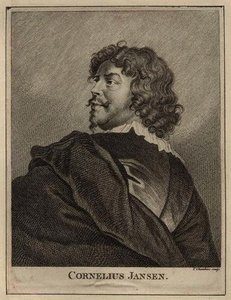
Cornelis Janssens van Ceulen
1593 - 1661 , Reino Unido
Datos clave
- Artistas Que Influyeron: ['Michiel Jansz. van Mierevelt']
- Fecha De Fallecimiento: 5 de agosto de 1661
- Fecha De Nacimiento: 14 de octubre de 1593
- Lugar De Nacimiento: Londres, Reino Unido
- Movimiento Artístico: Barroco retratista
- Nacionalidad: Inglés, Neerlandés, Flamenco
- Nombre Completo: Cornelis Janssens van Ceulen
- Obras Notables:
- Retrato de un joven
- William Harvey (1578–1657)
- Lucius Carey, 2º Vizconde Falkland
- Lady Hester Mainwaring
- Henry Grey, 1º Conde de Stamford
Artículos relacionados
Henri Matisse: Las 25 Obras Maestras que Definieron un Genio del Color | ArtsDot
Descubre las 25 obras maestras de Henri Matisse, el rey del color y padre del fauvismo. Explora su arte moderno, lienzos vibrantes y la historia detrás de cada pintura icónica. Encuentra reproducciones de alta calidad en ArtsDot.com.

Rembrandt van Rijn: Las 25 Obras Maestras que Definen un Genio | Arte, Historia y Decoración
Descubre las 25 obras maestras de Rembrandt van Rijn, el genio del barroco holandés. Explora su historia, técnica y simbolismo en retratos icónicos como 'La Ronda Nocturna'. Encuentra reproducciones de arte exclusivas para decorar tu hogar con ArtsDot.com.
Cornelis van Poelenburch: Bridging Mannerism & the Dutch Baroque Landscape
Discover Cornelis van Poelenburch, a pivotal Dutch Baroque landscape painter bridging Mannerism & Italianate styles. Explore his life, key works, and lasting influence on 17th-century art with ArtsDot.
Sir Anthony van Dyck: Courtly Portraiture & the Shaping of Baroque Identity
Explore the life & legacy of Sir Anthony van Dyck, the leading court painter of his era. Discover his innovative portraiture, Baroque masterpieces, and investment potential for discerning collectors. Learn more at ArtsDot.

Los 10 Maestros del Barroco Holandés: Obras que Definen una Época | ArtsDot
Descubre los 10 imprescindibles del Barroco holandés: Rembrandt, Vermeer y más. Explora la historia, técnica y belleza de estas obras maestras. Reproducciones de arte en ArtsDot.com para decorar tu hogar con elegancia.