

 Ver en contexto
 Enviar
 Compartir
 Detalles

 Descargar
 Similares
 Radiografía
 Presentación de diapositivas
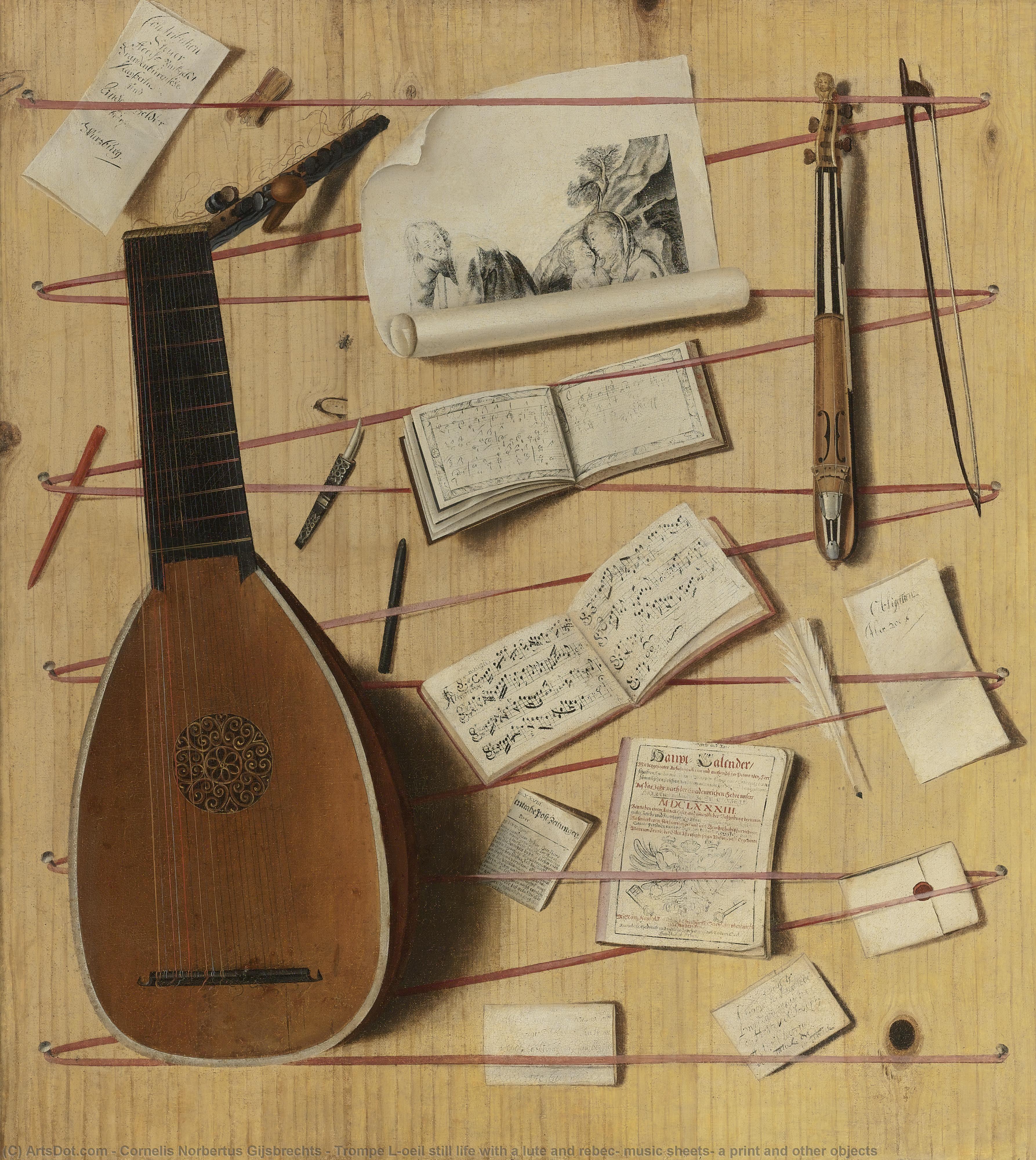
Trompe L'oeil still life with a lute and rebec, music sheets, a print and other objects
 Dutch Golden Age
 107.0 x 96.0 cm
 Ver más
Adquiera una imagen digital de alta resolución y optimizada, muy superior a la vista previa en línea.
Cada archivo es preparado meticulosamente por nuestros especialistas internos mediante el uso de herramientas avanzadas y un experto retoque manual. Nos aseguramos de que cada imagen posea una claridad excepcional, una precisión cromática impecable y un detalle minucioso.
El archivo final se entrega por correo electrónico en un plazo de 72 horas, optimizado para su uso inmediato en entornos profesionales, editoriales y de impresión. Esta es la misma calidad en la que confían los estudios de diseño, las editoriales y las galerías de primer nivel.
Imagen Digital
Descarga un archivo de alta resolución para exhibición personal, impresión y proyectos creativos. ( Comprar impresión Comprar pintura hecha a mano)
Incluido en cada pedido de imágenes digitales
Entrega digital experta, garantizada.
Al elegir ArtsDot.com, no solo está adquiriendo una imagen; está recibiendo una obra de arte digital mejorada profesionalmente, elaborada con precisión y respaldada por una garantía de satisfacción. Esto es todo lo que incluye su pedido, automáticamente:

Entrega rápida por email
Recibirá su archivo de imagen digital en alta resolución por correo electrónico en un plazo de 72 horas tras realizar su pedido, listo para su uso inmediato.

Archivo digital optimizado por IA
Su obra de arte se optimiza profesionalmente mediante herramientas avanzadas de IA y edición manual, garantizando el máximo detalle, claridad y precisión cromática.

Reenvío gratuito de por vida
¿Has borrado o perdido tu archivo por error? No te preocupes: te lo volveremos a enviar en cualquier momento, sin coste adicional.

Sin gastos de importación, siempre
Disfrute de su obra de arte al instante sin aduanas, aranceles ni gastos de envío; las descargas digitales siempre están libres de impuestos.

Garantía de fidelidad de color
Garantizamos que su imagen digital refleje los colores originales con la mayor fidelidad posible, mediante el uso de herramientas profesionales y gestión del color.

Garantía de satisfacción de 60 días
Si no está satisfecho con su imagen digital, la revisaremos o le reembolsaremos el 100% en un plazo de 60 días, sin preguntas.

100% Garantía de devolución de dinero
¿No está satisfecho? Obtenga un reembolso completo dentro de los 60 días posteriores a la recepción de su archivo digital, sin necesidad de explicaciones.

Descuentos por pedidos grandes
Compra 3 imágenes, ahorra 10% - Compra 5, ahorra 15% - Compra 10+, ahorra 20%. Ideal para proyectos creativos, galerías y agencias.
Obras relacionadas

Biografía del artista
Cornelis Norbertus Gijsbrechts: Master of Illusion and Mortality
Cornelis Norbertus Gijsbrechts (1640 – after 1675) remains an enigmatic figure in seventeenth-century art history, shrouded in obscurity despite producing a remarkable body of work characterized by its masterful trompe l'œil technique. Precise biographical details are scarce; his birthplace is uncertain, and information regarding his later life is fragmentary—a frustrating paradox for scholars attempting to reconstruct his artistic journey. Nevertheless, Gijsbrechts’ legacy endures as one of the foremost practitioners of this innovative genre, cementing his place among the luminaries of the Dutch Golden Age and beyond.Early Life and Artistic Training
Information about Gijsbrechts' formative years is sparse. Born sometime around 1640 in Antwerp—likely influenced by his father, Franciscus Gysbrechts, a celebrated trompe l’œil painter—he received an artistic education that honed his skills in illusionistic painting. While specifics regarding his training remain elusive, it’s plausible he studied under prominent Flemish masters of the era, absorbing techniques and stylistic sensibilities prevalent at the time. His early output demonstrates a dedication to mastering perspective and creating convincing visual representations of three-dimensional space—a cornerstone of trompe l'œil artistry. The influence of artists like Jacob Savery and Pieter Versteyn is evident in his initial compositions, reflecting the prevailing artistic currents of Antwerp during his formative years.The Trompe L'Oeil Technique: A Revolutionary Vision
Gijsbrechts’ artistic breakthrough arrived with his embrace of trompe l'œil, an ambitious genre that sought to deceive the eye by presenting painted surfaces as if they were real objects. Unlike traditional painting which strives for accurate depiction, trompe l'œil deliberately exploits optical illusions—depth perception, shading, and visual cues—to generate a startling sensation of presence. This technique demanded exceptional draughtsmanship, meticulous attention to detail, and an understanding of how light interacts with surfaces. Gijsbrechts skillfully employed these principles to conjure breathtaking vistas within canvases, blurring the boundaries between illusion and reality. He achieved this remarkable feat by meticulously replicating textures – from rough stone walls to polished metal surfaces – creating a palpable sense of tactile realism that captivated viewers. The technique’s success hinged on exploiting subtle visual cues—such as converging lines and atmospheric perspective—to convincingly simulate three-dimensional space within a two-dimensional frame.Notable Works and Artistic Style
Gijsbrechts’ oeuvre comprises approximately 70 paintings—a significant proportion of which are found in Denmark's National Gallery ( SMK), where they represent a cornerstone of Baroque art. Among his most celebrated creations is “Reverse Side of a Painting,” a stunning example of trompe l'œil that depicts a partially rolled-up canvas, complete with brushes and palette—a self-referential gesture reflecting the artist’s preoccupation with the very process of artistic creation. This monumental work exemplifies Gijsbrechts’ mastery of illusionism, presenting a meticulously rendered depiction of a studio wall as if it were actually present before the viewer's eyes. His still lifes, particularly those incorporating vanitas motifs—symbols representing mortality and the transience of earthly existence—are equally noteworthy. These paintings are characterized by their sombre palettes, meticulous rendering of textures, and a profound contemplation of human fragility. Recurring themes include skulls, hourglasses, decaying fruit, and musical instruments—all serving as reminders of life’s inevitable decline. The artist's masterful use of chiaroscuro – the dramatic interplay between light and shadow – further enhances the emotional impact of these compositions, conveying a sense of solemn beauty and prompting viewers to confront existential questions.Service to Danish Royalty and Artistic Legacy
Gijsbrechts gained considerable renown during his tenure as court artist to Frederik III and Christian V of Denmark (1668–70 & 1670–72). During this period, he produced several monumental paintings for Rosenborg Castle—a testament to the royal patronage that fueled artistic innovation. His work exemplifies the Baroque aesthetic’s grandeur and emotional intensity, reflecting the anxieties and aspirations of the Danish monarchy amidst turbulent political circumstances. He skillfully captured the opulent interiors of Rosenborg Castle, portraying them with breathtaking realism and conveying a sense of regal splendor. Gijsbrechts' legacy extends beyond his individual masterpieces; he established trompe l'œil as a dominant stylistic element within Baroque painting—inspiring subsequent generations of artists to explore the possibilities of visual deception and psychological impact. He stands as a singular figure in Baroque art history, forever remembered as the artist who dared to trick the eye and provoke profound reflection on the human condition.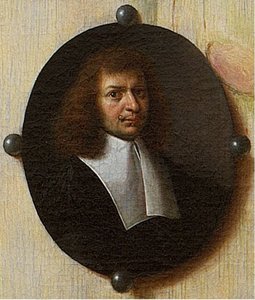
Cornelis Norbertus Gijsbrechts
1640 - 1675 , Países Bajos
Breves datos
- Artistic Movement Or Style: Trompe l’œil & Baroque
- Artists Who Influenced This Artist: ['Franciscus Gysbrechts']
- Date Of Birth: c. 1630
- Date Of Death: after 1675
- Full Name: Cornelis Norbertus Gijsbrechts
- Nationality: Flemish
- Notable Artworks:
- Still Life with Self Portrait
- Reverse side of a painting
- Place Of Birth: Amberes

