

 Ver en contexto
 Enviar
 Compartir
 Detalles

 Descargar
 Similares
 Radiografía
 Presentación de diapositivas
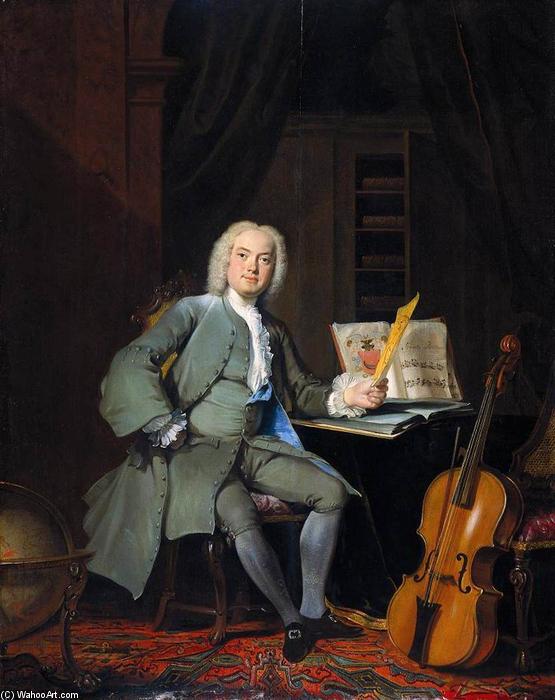
Portrait of a Music Lover
 Oil On Canvas
- WallArt
- Rococo
 1736
1736 72.0 x 57.0 cm
 Rijksmuseum
 Ver más
Giclée / Impresión de arte
Impresiones giclée o en lienzo de calidad de museo con producción rápida y opciones de acabado flexibles. ( Comprar pintura hecha a mano Comprar imagen)




P118B $10

P118H $10

P118W $10

P438Z $10

P508JH $12

P508YH $12

P805H $10

P805Z $10

P919BZ $10

P919G $10

P919XJ $10

P959ZH $10

P968JZ $12

W106C $8

W218G $10

W218JH $8

W218Y $10

W307PJ $10

W316G $10

W316PJ $8

W316Y $10

W398PJ $8

W4111J $10

W500HY $15

W500JH $15

W692G $12

W849H $8

W940BG $15

W953PJ $8




Elija entre nuestros tamaños predefinidos que respetan las proporciones originales de la obra.

Puede introducir sus propias dimensiones para adaptarse a un marco o espacio específico. Si el tamaño seleccionado no coincide con las proporciones de la imagen original, recortaremos la obra de arte o extenderemos la imagen con un borde con efecto espejo o de color sólido. Se enviará una maqueta digital para su aprobación antes de que comience la producción.
Tenga en cuenta que la vista previa en pantalla no refleja el recorte o la extensión real. Solo la maqueta mostrará con precisión la composición final.
Aunque existen tamaños personalizados, recomendamos seleccionar una dimensión de la lista predefinida para preservar las proporciones originales.
Envío a todo el mundo () en 2 semanas en lugar de las 4/5 semanas estándar. (23 agosto)

Envío exprés gratuito a todo el mundo

Lienzo de lino de alta calidad

Seguro de envío total

Garantía de reembolso de impuestos aduaneros

Garantía de fidelidad cromática exacta

Política de devolución de 60 días (solo por defectos)

Garantía de devolución del 100% del dinero

Descuento por cantidad
 La opción de vidrio solo está disponible en tamaños inferiores a 110 cm.

Portrait of a Music Lover
Giclée / Impresión de arte
Dimensiones de la reproducción
-


Precio total final
$ 62
Descripción de la pieza
A Portrait of Refinement: Cornelis Troost’s “Portrait of a Music Lover”
Cornelis Troost's "Portrait of a Music Lover," painted in 1736, is more than simply a likeness; it’s a meticulously crafted window into the opulent world of 18th-century Amsterdam. This captivating oil painting, now housed at the Rijksmuseum, offers a glimpse into the refined tastes and intellectual pursuits of the era's elite – specifically, a gentleman deeply immersed in the pleasures of music. Troost, a pivotal figure in Dutch Rococo art, masterfully captures not just physical appearance but also an aura of dignified contemplation, inviting the viewer to step into a world of subtle elegance and quiet sophistication.
The composition immediately draws the eye to the central figure, seated within a richly appointed study. The arrangement is deliberately centered, emphasizing his importance and commanding presence. Behind him, bookshelves overflow with volumes – a visual testament to his erudition and a nod to the burgeoning intellectual climate of the time. A globe sits prominently on a table, symbolizing exploration, knowledge, and perhaps even the musician’s aspirations for wider horizons. The inclusion of a cello, resting casually nearby, is not merely decorative; it speaks directly to the subject's passion and profession, grounding the portrait in a specific identity.
A Masterclass in Rococo Technique
Troost’s skill as an artist lies primarily in his ability to render texture with breathtaking realism. The fabrics of the clothing – velvet, silk, and brocade – are depicted with such detail that one can almost feel their luxurious weight and smoothness. The wood grain of the furniture is meticulously rendered, while the subtle folds of the drapery convey a sense of movement and volume. This masterful use of texture isn’t simply about visual accuracy; it contributes significantly to the painting's overall richness and depth.
Furthermore, Troost employs a sophisticated understanding of light and shadow. The dramatic lighting, originating from the upper left corner, casts long shadows that define form and create a sense of three-dimensionality. This chiaroscuro technique – the interplay of light and dark – not only enhances the realism but also imbues the portrait with an emotional intensity. The subtle gradations of tone suggest both the subject’s inner thoughts and the contemplative atmosphere of the room.
Historical Context and Artistic Influences
To fully appreciate “Portrait of a Music Lover,” it's essential to understand the context in which it was created. Amsterdam in the 18th century was a thriving center of commerce, art, and intellectual exchange – a period often referred to as the Dutch Golden Age. Troost’s work reflects this vibrant cultural landscape, capturing the elegance and sophistication that characterized the city's upper class.
Troost’s artistic style is firmly rooted in the Rococo movement, which flourished throughout Europe during the 18th century. Rococo art is known for its grace, charm, and playful ornamentation – qualities evident in Troost’s meticulous attention to detail and his use of delicate colors. He was influenced by artists like William Hogarth, whose satirical portraits offered a critical commentary on society, and by French masters such as Watteau and Boucher, who were renowned for their depictions of aristocratic life.
Symbolism and Emotional Resonance
Beyond its technical brilliance, “Portrait of a Music Lover” is rich in symbolism. The musician’s posture – seated with an air of quiet contemplation – suggests a deep engagement with his art. The globe represents not only geographical knowledge but also the pursuit of wisdom and understanding. The cello itself is a potent symbol of musical artistry and intellectual refinement.
Ultimately, the painting evokes a sense of dignified serenity. It’s a portrait that invites us to pause, reflect, and appreciate the beauty and complexity of human experience. Troost's masterful execution transforms a simple likeness into a compelling meditation on intellect, culture, and the pleasures of artistic pursuit – a timeless work that continues to resonate with viewers today.
Obras relacionadas
Biografía del artista
Una ventana a la Edad de Oro de Ámsterdam
Cornelis Troost, un nombre inextricablemente ligado al vibrante tapiz del Ámsterdam del siglo XVIII, fue mucho más que un simple artista; fue un observador agudo y un maestro en el registro de su época. Nacido en el corazón de la República Holandesa el 8 de octubre de 1696, en Ámsterdam, la trayectoria de Troost, desde aspirante a actor hasta célebre pintor, revela una fascinante confluencia de pasiones artísticas y transformación personal. Formado inicialmente como intérprete sobre las tablas, encontró su verdadera vocación no entre los aplausos y el drama, sino dentro del detalle meticuloso y los sutiles matices de la pintura. La trayectoria de su vida está marcada por un cambio deliberado: un rechazo consciente del foco de atención en favor de la contemplación silenciosa de las pinceladas, lo que finalmente lo llevó a convertirse en una de las figuras más significativas del arte de género rococó holandés.
La educación artística de Troost comenzó bajo la tutela de Arnold Boonen, un respetado retratista que reconoció el talento innato de su alumno. Este aprendizaje proporcionó una base crucial, pero fueron los primeros dibujos de Troost los que verdaderamente mostraron su estilo distintivo, particularmente uno fechado en 1708 que representa al príncipe Eugenio de Saboya y al notorio librero y espía Louis Renard, participando en actividades clandestinas dentro de un lujoso burdel de Ámsterdam. Esta pieza, rebosante de ingenio e intriga, insinuaba los temas que más tarde exploraría con una habilidad tan cautivadora: las complejidades de la vida social, el atractivo del placer y las corrientes ocultas bajo la apariencia de respetabilidad.
La elegancia del Rococó y la narrativa social
A medida que su carrera maduraba, Troost se convirtió en un maestro al capturar el delicado equilibrio entre la frivolidad y la sofisticación. Su obra estuvo indudablemente influenciación por las tendencias artísticas predominantes de su tiempo, incluyendo las composiciones dramáticas de William Hogarth, conocido por sus representaciones satíricas de la sociedad londinense, y la elegante gracia de maestros franceses como Watteau, Boucher y Lancret. Esta síntesis del realismo holandés y la elegancia del Rococó francés le permitió crear obras que estaban profundamente arraigadas en la realidad local y, al mismo tiempo, eran exquisitamente refinadas.
Su repertorio era notablemente diverso, abarcando desde retratos íntimos hasta monumentales composiciones grupales. Algunas de sus contribuciones más perdurables al mundo del arte incluyen:
- Retrato de los Inspectores del Collegium Medicum (1724): Una impresionante pintura al óleo rococó que muestra la cumbre de la maestría artística holandesa del siglo XVIII y la elegancia institucional.
- Retrato de Maria Magdalena Stavenisse (c. 1726): Una obra maestra barroca que utiliza detalles refinados para exhibir la riqueza y el estatus aristocrático.
- Regentes del Orfanato Aalmoezeniersweeshuis (1729): Un monumental retrato de grupo que sirve como una ventana a las estructuras sociales de Ámsterdam, utilizando una iluminación dramática y un entorno opulento para transmitir un sentido de importancia cívica.
El legado de un maestro observador
La importancia de Cornelis Troost reside en su capacidad para actuar como un historiador visual de un período de transición. Si bien la era de los grandes maestros del Siglo de Oro holandés ya había pasado, Troost insufló nueva vida a la tradición neerlandesa al dotarla de la alegría y el encanto decorativo del movimiento Rococó. Sus pinturas no se limitan a representar rostros; capturan el espíritu de una era: el crujir de la seda, el parpadeo de la luz de las velas y las sutiles jerarquías sociales de la clase alta de Ámsterdam.
A través de sus ingeniosos retratos y cautivadoras escenas de género, Troost dejó un legado que continúa encantando a los espectadores. Permanece como una figura fundamental que tendió un puente entre las pesadas y dramáticas tradiciones del siglo XVII y la estética ligera y elegante del siglo XVIII, asegurando que los matices sociales de su amada Ámsterdam quedaran preservados en pigmento para las generaciones venideras.
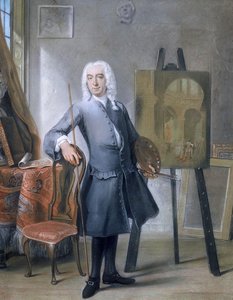
Cornelis Troost
1696 - 1750 , Países Bajos
Datos clave
- Artistic Movement Or Style: Rococo género
- Artists Or Movements Influenced By This Artist: ['Sara Troost']
- Artists Who Influenced This Artist:
- Hogarth
- Watteau
- Date Of Birth: 8 Oct. 1696
- Date Of Death: 7 Mar. 1750
- Full Name: Cornelis Troost
- Nationality: Holandés
- Notable Artworks:
- NELRI series
- Jeronimus Tonneman
- Place Of Birth: Amsterdam, Netherlands
Artículos relacionados

La Estética Rococó: Opulencia, Rebelión y Placer en el Arte del Siglo XVIII
Descubre la fascinante estética rococó: su historia, características clave y los artistas más influyentes del siglo XVIII. Un análisis profundo para amantes del arte y coleccionistas.

Rococó: 10 Obras Maestras que Definieron una Época | Arte y Decoración en
Descubre las 10 obras maestras del Rococó que marcaron una época. Explora la elegancia de Fragonard, Boucher y Watteau en . Reproducciones de arte de calidad museo para decorar tu hogar con estilo.
Harmonies on Canvas: Exploring the Visual Representation of Music in Art History
Explore the fascinating history of music's visual representation in art! From ancient symbolism to modern abstraction, discover how artists have captured sound and emotion on canvas. Expert insights & stunning examples.

The Enduring Legacy of Oil on Canvas: Technique, History & Aesthetic Impact
Explore the rich history & techniques of oil painting – from Renaissance masters to Impressionism. Discover pigments, layering methods, and why this timeless medium endures. Expert insights for artists & art enthusiasts.
The Rococo Style: Aristocratic Leisure & the Pursuit of Delight in 18th-Century Art
Explore the opulent world of Rococo art! Discover Watteau, Boucher & Nattier's masterpieces. Expert insights for collectors seeking museum-quality reproductions and custom portraits at ArtsDot.

