 Ver en contexto
 Enviar
 Compartir
 Detalles

 Descargar
 Similares
 Radiografía
 Presentación de diapositivas
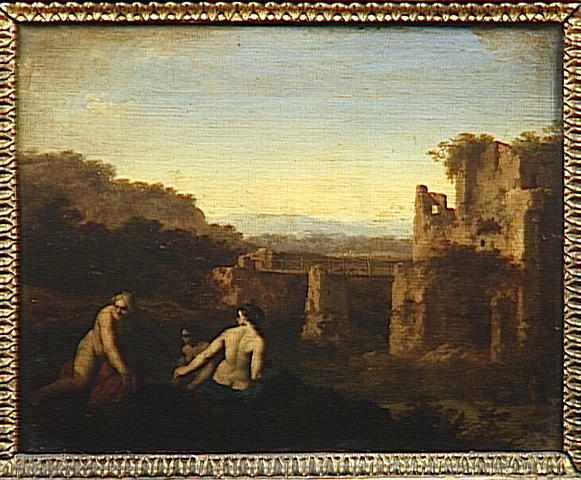
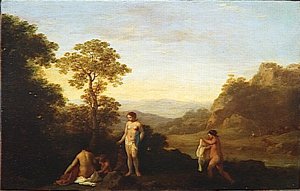
BAIGNEUSES PRES DE RUINES ANTIQUES


 Ver más
Reproducción al óleo hecha a mano
Óleo sobre lienzo pintado a mano en el tamaño y marco de su elección, realizado por encargo por nuestros artistas. ( Comprar impresión Comprar imagen)




P118B $10

P118H $10

P118W $10

P438Z $10

P508JH $12

P508YH $12

P805H $10

P805Z $10

P919BZ $10

P919G $10

P919XJ $10

P959ZH $10

P968JZ $12

W106C $8

W218G $10

W218JH $8

W218Y $10

W307PJ $10

W316G $10

W316PJ $8

W316Y $10

W398PJ $8

W4111J $10

W500HY $15

W500JH $15

W692G $12

W849H $8

W940BG $15

W953PJ $8




Elija entre nuestros tamaños predefinidos que respetan las proporciones originales de la obra.

Puede ingresar sus propias dimensiones para adaptarse a un marco o espacio específico. Si el tamaño seleccionado no coincide con las proporciones de la imagen original, recortaremos la obra o extenderemos la pintura con elementos adicionales pintados a mano. Se le enviará una maqueta digital para su aprobación antes de comenzar la producción.
Tenga en cuenta que la vista previa en pantalla no refleja el recorte o la extensión reales. Solo la maqueta mostrará con precisión la composición final.
Si bien existen tamaños personalizados, recomendamos seleccionar una dimensión de la lista predefinida para preservar las proporciones originales.
Tras realizar el pedido, el equipo de ArtsDot.com enviará un correo electrónico al cliente para solicitar instrucciones y proporcionarle una vista previa del boceto.
Envío a todo el mundo () en 3-4 semanas en lugar de las 5 semanas estándar. (22 agosto). Sin comprometer la calidad.

Envío exprés gratuito a todo el mundo

Lienzo de lino de alta calidad

Seguro de envío total

Garantía de reembolso de impuestos aduaneros

Garantía de fidelidad cromática exacta

Política de devolución de 60 días (solo por defectos)

Garantía de devolución del 100% del dinero

Descuento por cantidad
 La opción de vidrio solo está disponible en tamaños inferiores a 110 cm.

BAIGNEUSES PRES DE RUINES ANTIQUES
Técnica de reproducción
Dimensiones de la reproducción
-


Precio total final
$ 288
Descripción de la obra
A Moment of Tranquility: “Baigneuses près de ruines antiques” by Cornelis van Poelenburch
Cornelis van Poelenburch’s “Baigneuses près de ruines antiques,” a captivating painting from the early 17th century, offers a serene glimpse into a world where classical beauty intertwines with the melancholy of time. More than just a depiction of nude figures bathing, it's a carefully constructed tableau brimming with symbolism and reflecting the artistic currents flowing through Dutch art during its Golden Age. The scene unfolds within a meticulously rendered landscape dominated by crumbling Roman ruins – a deliberate choice that immediately anchors the work in a rich historical context, evoking the fascination with antiquity prevalent throughout Europe at the time.
The painting’s composition is remarkably balanced, drawing the eye towards the central group of women. Their poses are graceful and languid, suggesting both vulnerability and an inherent sense of freedom. The ruins themselves aren't merely a backdrop; they actively shape the narrative, representing the decay of empires and the ephemeral nature of human ambition. Van Poelenburch masterfully employs aerial perspective – softening distant elements and diminishing their detail – to create a convincing illusion of depth, drawing the viewer into this idyllic yet poignant space.
A Symphony of Color and Light
The color palette is deliberately muted, dominated by earthy browns, deep greens, and subtle blues. These tones evoke the atmosphere of an overcast day, lending the scene a sense of quiet contemplation. Warm highlights gently illuminate the figures’ skin and accentuate the textures of the stone ruins, creating a harmonious interplay between light and shadow. The artist skillfully uses layering and glazing techniques – hallmarks of Dutch oil painting—to build up rich colors and achieve remarkable luminosity. Notice how the subtle shifts in hue suggest the play of sunlight on weathered surfaces.
The Influence of Roman Antiquity
Van Poelenburch’s debt to classical art is undeniable, yet he doesn't simply replicate ancient forms. Instead, he reimagines them within a distinctly Northern European sensibility. The figures themselves are idealized, embodying an aesthetic of beauty rooted in Renaissance ideals, while the ruins – reminiscent of Pompeii and Herculaneum – serve as potent symbols of lost grandeur. The inclusion of these crumbling structures speaks to a broader artistic trend during this period: a renewed interest in Roman antiquity, fueled by archaeological discoveries and a desire to recapture the perceived perfection of classical civilization.
Symbolism and Emotional Resonance
Beyond its visual appeal, “Baigneuses près de ruines antiques” is rich in symbolic meaning. The bathing figures can be interpreted as representations of innocence, beauty, and perhaps even a fleeting moment of earthly pleasure. The ruins, however, serve as a constant reminder of mortality and the inevitable passage of time. This juxtaposition creates a subtle undercurrent of melancholy—a poignant awareness of the impermanence of all things. The scene invites contemplation on themes of beauty, decay, and the enduring power of art to capture and preserve moments of serenity amidst the relentless flow of history.
Technical Details and Artistic Legacy
Painted in oil on canvas, “Baigneuses près de ruines antiques” showcases Van Poelenburch’s meticulous attention to detail. The artist's use of soft brushstrokes and blended colors contributes to the painting’s overall sense of tranquility. It is a prime example of his early work, demonstrating his growing mastery of landscape composition and his ability to evoke a specific mood through color and light. This piece stands as a testament to the artistic achievements of the Dutch Golden Age, offering a timeless meditation on beauty, decay, and the enduring allure of classical antiquity.
Obras relacionadas



Biografía del artista
Early Life and Artistic Training
Cornelis van Poelenburgh, un nombre que resuena con la elegancia y el encanto de los paisajes holandeses del siglo XVII, nació en Utrecht, Países Bajos, alrededor de 1594 o 1595. Su vida temprana estuvo marcada por una sólida formación artística, comenzando bajo la tutela de Abraham Bloemaert, un reconocido pintor de su ciudad natal y figura clave del manierismo flamenco. Esta influencia inicial sentó las bases para el desarrollo de su propio estilo, caracterizado por una sensibilidad particular hacia la luz, el color y la composición. Bloemaert le proporcionó los fundamentos técnicos y estéticos necesarios, pero fue en Roma donde van Poelenburgh encontró el verdadero catalizador de su evolución artística. En 1617, emprendió un viaje a la Ciudad Eterna, una experiencia transformadora que lo sumergió en el corazón del Renacimiento italiano y le permitió estudiar directamente las obras maestras de los grandes maestros como Rafael, Miguel Ángel y Tiziano. Esta inmersión en el arte clásico fue fundamental para su posterior desarrollo, influyendo profundamente en su paleta de colores, sus composiciones y su interpretación de la naturaleza. Además, en Roma fundó con Jan van Bijlert el grupo conocido como los Bentvueghels, una sociedad de pintores nórdicos que compartían un interés común por el arte italiano y se reunían para intercambiar ideas y obras. Este ambiente creativo fomentó la experimentación y la innovación, contribuyendo a la formación de su estilo distintivo.Artistic Career and Influences
Tras sus años en Roma, van Poelenburgh regresó a Utrecht, donde continuó desarrollando su carrera artística. Su obra se caracterizó por una serie de pequeñas pinturas, a menudo realizadas sobre cobre, que representaban paisajes italianos con figuras humanas insertadas en escenas bíblicas o mitológicas. Estas composiciones, meticulosamente detalladas y llenas de gracia, reflejan la influencia del clasicismo romano y el manierismo italiano, pero también incorporan elementos propios de la tradición holandesa. La obra de van Poelenburgh se distingue por su delicadeza, su atmósfera serena y su capacidad para evocar una sensación de armonía y belleza. A menudo, sus paisajes son dominados por colinas onduladas, ríos serpenteantes y bosques frondosos, mientras que las figuras humanas, generalmente representadas en poses elegantes y contemplativas, interactúan con el entorno natural de manera sutil y poética. Entre sus influencias más notables se encuentran los maestros del Renacimiento italiano como Leonardo da Vinci y Rafael, así como los pintores manieristas como Giorgio Vasari y Agnolo Bellini.Notable Works and Artistic Style
Algunas de las obras más emblemáticas de van Poelenburgh incluyen "Satyrs spying on nymphs" (c. 1627), una pintura que captura la esencia del paisaje arcádico con figuras divinas en un juego de miradas y secretos; "Council of the gods" (c. 1630), donde se representa a las diosas en un entorno romano idealizado, rodeadas de ruinas antiguas y elementos mitológicos; y "Bathers in a Landscape", una escena que evoca la tranquilidad y el placer de la naturaleza. Su estilo se caracteriza por una paleta de colores suaves y luminosos, una composición equilibrada y armoniosa, y un tratamiento detallado de los elementos naturales. Van Poelenburgh era un maestro en la representación de la luz y la sombra, creando efectos atmosféricos que realzaban la belleza y el misterio de sus paisajes. Además, su habilidad para integrar figuras humanas en el entorno natural le permitía crear escenas complejas y significativas, donde la narrativa visual se combinaba con la contemplación estética.Legacy and Historical Significance
La obra de Cornelis van Poelenburgh fue muy apreciada por sus contemporáneos, incluyendo al Gran Duque de Toscana y el Stadtholder holandés. Su talento y su capacidad para capturar la belleza del paisaje lo convirtieron en un artista muy solicitado por las clases altas de la época. Tras su regreso a Utrecht, donde falleció en 1667, dejó un legado duradero en la historia del arte holandés. Van Poelenburgh es considerado uno de los pioneros de la pintura paisajística italiana en Países Bajos, y su obra influyó en generaciones posteriores de artistas. Su estilo distintivo, caracterizado por su delicadeza, su elegancia y su capacidad para evocar una sensación de armonía y belleza, sigue siendo admirado y estudiado hasta el día de hoy. Su trabajo representa un puente entre la tradición holandesa y las influencias del Renacimiento italiano, consolidando su lugar como uno de los artistas más importantes del Siglo de Oro neerlandés.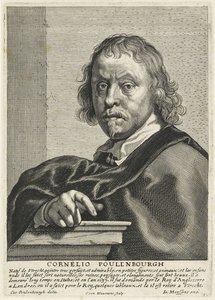
Cornelis Van Poelenburgh
1594 - 1667 , Países Bajos
Datos clave
- Artistic Movement Or Style: Paisaje Holandés, Italiano
- Artists Or Movements Influenced By This Artist: ['Bloemaert']
- Artists Who Influenced This Artist: ['Abraham Bloemaert']
- Date Of Birth: 1594, Utrecht, NL
- Date Of Death: 1667, Utrecht, NL
- Full Name: Cornelis van Poelenburgh
- Nationality: Holandés
- Notable Artworks:
- Satyros vigilantes
- Consejo de dioses
- Place Of Birth: Utrecht, Países Bajos
Artículos relacionados
Golden Light & Dutch Skies: Bringing the Magic of Dutch Golden Age Landscapes into Your Home
Transform your home with the breathtaking light of Dutch Golden Age landscapes. Discover how hand-painted oil reproductions of masterworks like Ruisdael and Vermeer bring timeless elegance, atmosphere, and soulful texture to modern interiors. Elevate your space with museum-quality art.

Los 10 Maestros del Siglo de Oro Holandés: Arte, Historia y Decoración Exclusiva
Descubre los 10 imprescindibles del Siglo de Oro Holandés: Rembrandt, Vermeer y más. Explora la historia, técnica y belleza de estos lienzos clásicos. Encuentra reproducciones de arte exclusivas para decorar tu hogar en .
Nicolaes Berchem: Dutch Golden Age Pastoralism & the Evolution of Landscape Painting
Explore the captivating world of Nicolaes Berchem, a leading Dutch Golden Age painter. Discover his idyllic landscapes, masterful technique & lasting influence on art history. Learn more at ArtsDot.
Charles Leickert: Capturing the Dutch Golden Age Light – A Comprehensive Study of Technique, Context, and Legacy
Explore the captivating winter landscapes of Charles Leickert, a master of Dutch Golden Age light & atmosphere. Discover his techniques, symbolism, and lasting legacy – a comprehensive study for art enthusiasts and collectors.

Reflejos de una Época Dorada: La Pintura Barroca Holandesa y la Innovación Cultural
Descubra la riqueza y el detalle de la pintura barroca holandesa del Siglo de Oro. Explore las obras maestras de Rembrandt, Vermeer y otros artistas clave. Análisis experto e historia cultural.