 Vista previa
 Compartir
 Compartir
 Ver detalles

 Descargar
 Ver similares
 Radiografía
 Presentación de diapositivas
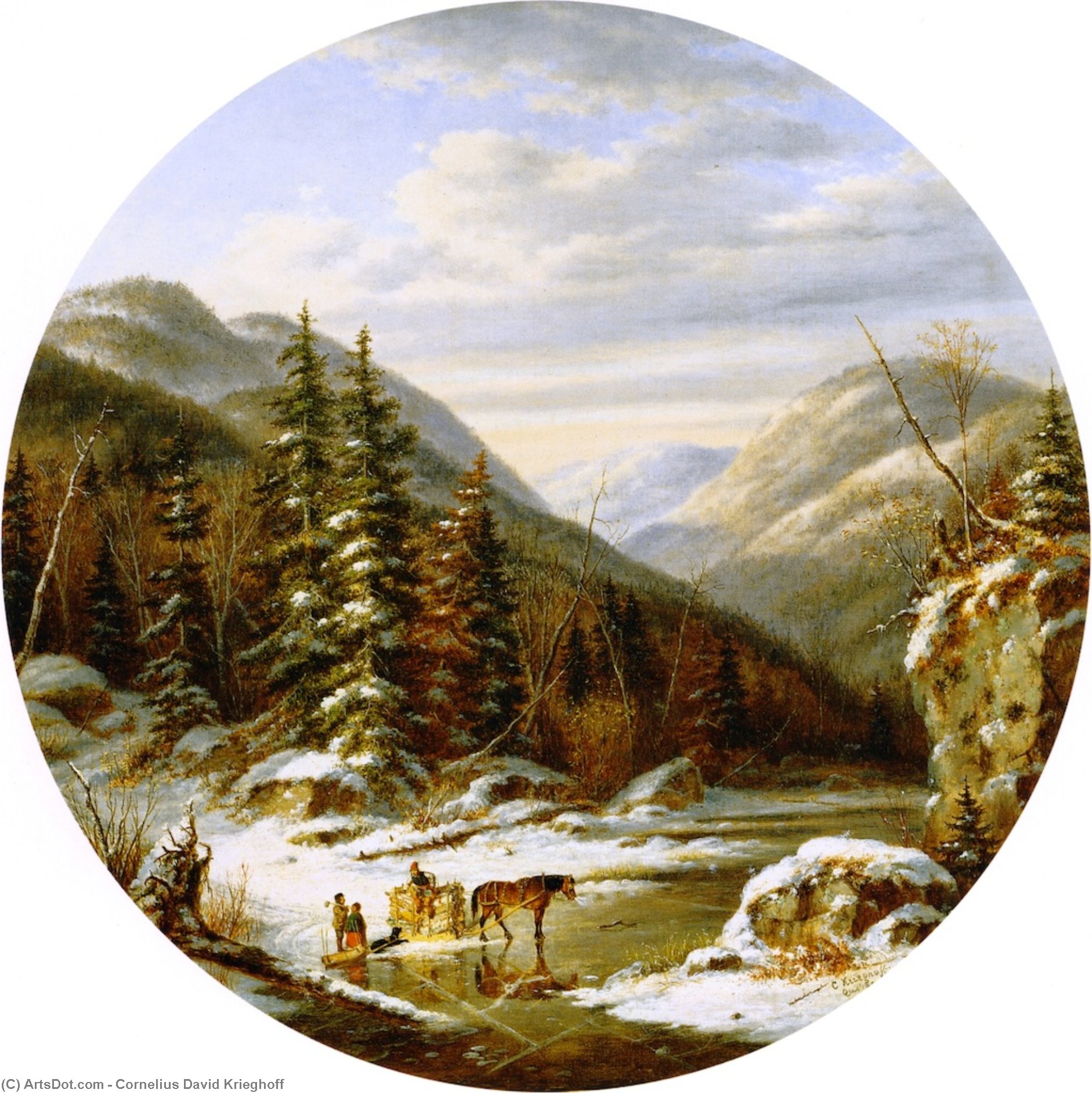
Early Winter on the St. Anne's, below Quebec


 Leer más
Reproducción al óleo hecha a mano
Óleo sobre lienzo pintado a mano en el tamaño y marco de su elección, realizado por encargo por nuestros artistas. ( Pedir impresión Comprar descarga)




P118B $10

P118H $10

P118W $10

P438Z $10

P508JH $12

P508YH $12

P805H $10

P805Z $10

P919BZ $10

P919G $10

P919XJ $10

P959ZH $10

P968JZ $12

W106C $8

W218G $10

W218JH $8

W218Y $10

W307PJ $10

W316G $10

W316PJ $8

W316Y $10

W398PJ $8

W4111J $10

W500HY $15

W500JH $15

W692G $12

W849H $8

W940BG $15

W953PJ $8




Elija entre nuestros tamaños predefinidos que respetan las proporciones originales de la obra.

Puede ingresar sus propias dimensiones para adaptarse a un marco o espacio específico. Si el tamaño seleccionado no coincide con las proporciones de la imagen original, recortaremos la obra o extenderemos la pintura con elementos adicionales pintados a mano. Se le enviará una maqueta digital para su aprobación antes de comenzar la producción.
Tenga en cuenta que la vista previa en pantalla no refleja el recorte o la extensión reales. Solo la maqueta mostrará con precisión la composición final.
Si bien existen tamaños personalizados, recomendamos seleccionar una dimensión de la lista predefinida para preservar las proporciones originales.
Tras realizar el pedido, el equipo de ArtsDot.com enviará un correo electrónico al cliente para solicitar instrucciones y proporcionarle una vista previa del boceto.
Envío a todo el mundo () en 3-4 semanas en lugar de las 5 semanas estándar. (21 agosto). Sin comprometer la calidad.

Envío exprés gratuito a todo el mundo

Lienzo de lino de alta calidad

Seguro de envío completo

Garantía de reembolso de aranceles aduaneros

Garantía de fidelidad cromática exacta

Política de devolución de 60 días (solo por defectos)

Garantía de devolución del 100% del dinero

Oferta por volumen
 La opción de vidrio solo está disponible en tamaños inferiores a 110 cm.

Early Winter on the St. Anne's, below Quebec
Técnica de reproducción
Tamaño de la reproducción
-


Precio total
$ 263
Descripción de la obra
A Winter's Embrace: Exploring Cornelius David Krieghoff’s “Early Winter on the St. Anne’s, Below Quebec”
The painting "Early Winter on the St. Anne’s, Below Quebec" by Cornelius David Krieghoff stands as a poignant testament to the burgeoning spirit of Canadian landscape art in the mid-19th century. Executed in 1863 and currently residing at the Art Gallery of Ontario, this oil on canvas masterpiece transcends mere depiction; it captures a moment frozen in time—a serene winter tableau that speaks volumes about both artistic vision and the evolving relationship between humanity and nature within Canada’s formative years.Subject Matter and Composition
At its core, the artwork presents a captivating scene: a horse standing resolutely amidst the snow-covered St. Anne's River valley, beneath the imposing silhouette of Quebec’s mountains. Scattered figures—likely engaged in activities like fishing or huddled around a campfire—add a layer of human presence to this otherwise tranquil landscape. Krieghoff’s masterful composition directs the viewer’s gaze upwards towards the majestic peaks, establishing them as dominant visual anchors and reinforcing the grandeur of the natural environment. The careful placement of the horse and river creates a dynamic interplay between animal instinct and the stillness of winter, mirroring the broader themes explored within the painting.Style and Technique: Impressionistic Influences
Krieghoff’s artistic style is firmly rooted in Impressionism, albeit tempered by his Dutch heritage. Unlike the rigid formalism prevalent in academic art circles of the time, Krieghoff embraced loose brushstrokes and vibrant color palettes—techniques characteristic of Impressionist painters like Claude Monet and Frédéric Bazille. The artist skillfully utilizes broken color to convey the diffused light of winter mornings, capturing the subtle nuances of snow reflecting sunlight and the muted hues of frozen foliage. This deliberate blurring of edges contributes significantly to the painting’s atmospheric quality, immersing the viewer in a sensory experience that prioritizes feeling over precise representation.Historical Context: Canada's Artistic Awakening
“Early Winter on the St. Anne’s, Below Quebec” emerged during a period of significant artistic experimentation and national identity formation in Canada. Following Confederation in 1867, artists like Krieghoff sought to portray Canadian landscapes with newfound sincerity and passion—a reaction against idealized depictions favored by earlier generations. The painting reflects the growing appreciation for the Canadian wilderness as a source of inspiration and beauty, aligning itself with broader cultural trends that celebrated the nation’s natural heritage. Its presence in the Art Gallery of Ontario underscores its importance within Canada's artistic canon.Symbolism: Resilience and Tranquility
Beyond its aesthetic qualities, “Early Winter” carries symbolic weight. The horse embodies strength and perseverance—a visual metaphor for overcoming adversity—while simultaneously representing dominion over the natural world. The snow itself symbolizes purity and dormancy, hinting at a period of quiet contemplation amidst the harsh realities of winter. Yet, interwoven with these darker connotations is an overarching sense of tranquility; Krieghoff’s depiction invites viewers to pause and appreciate the beauty inherent in simplicity and stillness—a sentiment that resonates powerfully even today.Emotional Impact: A Moment Preserved
Ultimately, “Early Winter on the St. Anne’s, Below Quebec” succeeds in evoking a profound emotional response. The painting's luminous colors and masterful brushwork transport us back to a specific time and place—capturing not merely what was seen but also how it felt. It speaks to our innate desire for connection with nature and reminds us of the enduring power of art to convey beauty, contemplation, and a deep appreciation for the natural world. Reproductions of this remarkable artwork offer an opportunity to experience Krieghoff’s vision firsthand—a timeless reminder of Canada's artistic heritage.Obras relacionadas
Biografía del artista
Vida Temprana y Antecedentes
- Nacimiento: 19 de junio de 1815, Ámsterdam, Países Bajos
- Fallecimiento: 5 de marzo de 1872, Chicago, Illinois
- Padres: Johann Ernst Krieghoff (padre), Isabella Ludivica Wauters (madre)
- La formación temprana incluyó música y pintura por parte de su padre. Posteriormente asistió a la Academia de Bellas Artes en Alemania alrededor de 1830.
- Las conexiones familiares con Sattler, propietario de una fábrica de papel tapiz, proporcionaron alojamiento en Schloss Mainberg.
Servicio Militar y Primeros Viajes
- En 1836, Krieghoff emigró a Nueva York.
- Se alistó en el Ejército de los Estados Unidos en 1837, participando en la Segunda Guerra Seminola. Produjo bocetos durante este tiempo.
- Recibió el alta del ejército en 1840 con el rango de cabo.
- Viajó a París en 1844 donde copió obras maestras en el Louvre bajo la dirección de Michel Martin Drolling.
Carrera y Desarrollo Artístico en Canadá
- Alrededor de 1846, Krieghoff se estableció en Longueuil, Quebec, con su esposa, Louise Gauthier (dit Saint-Germain), e hija Emily.
- Participó en la fundación de la Sociedad de Artistas de Montreal en 1847.
- Se le conocía por vender sus pinturas puerta a puerta por sumas modestas ($5-$10).
- Sus temas incluían paisajes locales, retratos, vida indígena (particularmente de las interacciones con la comunidad Mohawk en Kahnawake) y paisajes.
- Se mudó a Quebec City en 1853, un período de prolífica producción artística.
- Regresó brevemente a Europa (1863-1868) antes de establecerse en Chicago para su jubilación en 1870.
Estilo, Influencias y Obras Principales
- Estilo: El estilo de Krieghoff se caracteriza por su realismo y atención al detalle, particularmente en la representación de paisajes canadienses y escenas de la vida cotidiana. Sus escenas invernales son especialmente renombradas.
- Influencias: Probablemente influenciado por la pintura de género alemana (Wilhelm von Schadow) y la tradición paisajística de la Escuela del Río Hudson.
- Obras Principales: Trapper Indio en Raquetas de Nieve, Campamento Indio de Caughnawaga en un Portaje, Una Mujer de Caughnawage, La Puerta de Peaje (varias versiones). Estas obras ejemplifican su enfoque en la vida y los paisajes canadienses.
Legado y Significado Histórico
- Krieghoff es considerado uno de los artistas más importantes del siglo XIX en Canadá.
- Sus pinturas proporcionan valiosas perspectivas sobre el panorama social, cultural y geográfico de Canadá durante un período de cambios significativos (pre-Confederación).
- Ayudó a establecer una identidad artística canadiense distintiva, alejándose de las influencias puramente europeas.
- Su obra se encuentra ahora en importantes museos de todo Canadá e internacionalmente, lo que demuestra su atractivo duradero y su significado histórico.
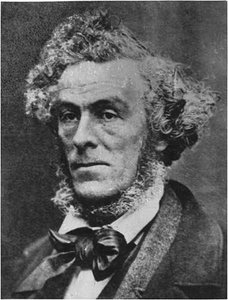
Cornelius David Krieghoff
1815 - 1872 , Países Bajos
Datos clave
- Artistas Que Influyeron: ['Wilhelm von Schadow']
- Fecha De Fallecimiento: 5 de marzo de 1872
- Fecha De Nacimiento: 19 de junio de 1815
- Lugar De Nacimiento: Ámsterdam, Países Bajos
- Movimiento Artístico: Pintura de género canadiense
- Nacionalidad: Canadiense-holandés
- Nombre Completo: Cornelius David Krieghoff
- Obras Notables:
- Indio trampero en raquetas de nieve
- Campamento indio Caughnawaga
- Una mujer caughnawage
- La puerta de peaje
Artículos relacionados

The Enduring Legacy of Oil on Canvas: Technique, History & Aesthetic Impact
Explore the rich history & techniques of oil painting – from Renaissance masters to Impressionism. Discover pigments, layering methods, and why this timeless medium endures. Expert insights for artists & art enthusiasts.

El Óleo sobre Lienzo: Historia, Técnica y la Persistencia de un Medio Artístico Atemporal
Descubre la historia y técnica del óleo sobre lienzo. Explora reproducciones fieles hechas a mano, personalización artística y consejos de expertos con ArtsDot. ¡Colecciona arte con confianza!

El Legado Duradero del Óleo sobre Lienzo: Técnica, Historia y Práctica Contemporánea
Descubre la historia y técnica del óleo sobre lienzo. Explora reproducciones fieles hechas a mano, personalización artística y consejos de expertos con .
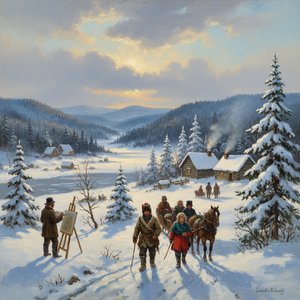
Cornelius Krieghoff: Capturing the Soul of 19th-Century Canada
Explore the captivating world of Cornelius Krieghoff, Canada's beloved 19th-century painter. Discover his iconic winter scenes, Indigenous portraits & lasting legacy with our expert guide. Learn about collecting and appreciating this master artist.
Las 10 Obras Maestras al Óleo que Revolucionaron la Historia del Arte |
Descubre las 10 obras maestras al óleo que transformaron la historia del arte. Explora Van Gogh, Monet, Da Vinci y más. Reproducciones de alta calidad para decorar tu hogar con elegancia. ¡Encuentra tu obra favorita en !