 Vista previa
 Compartir
 Compartir
 Ver detalles

 Descargar
 Ver similares
 Radiografía
 Presentación de diapositivas
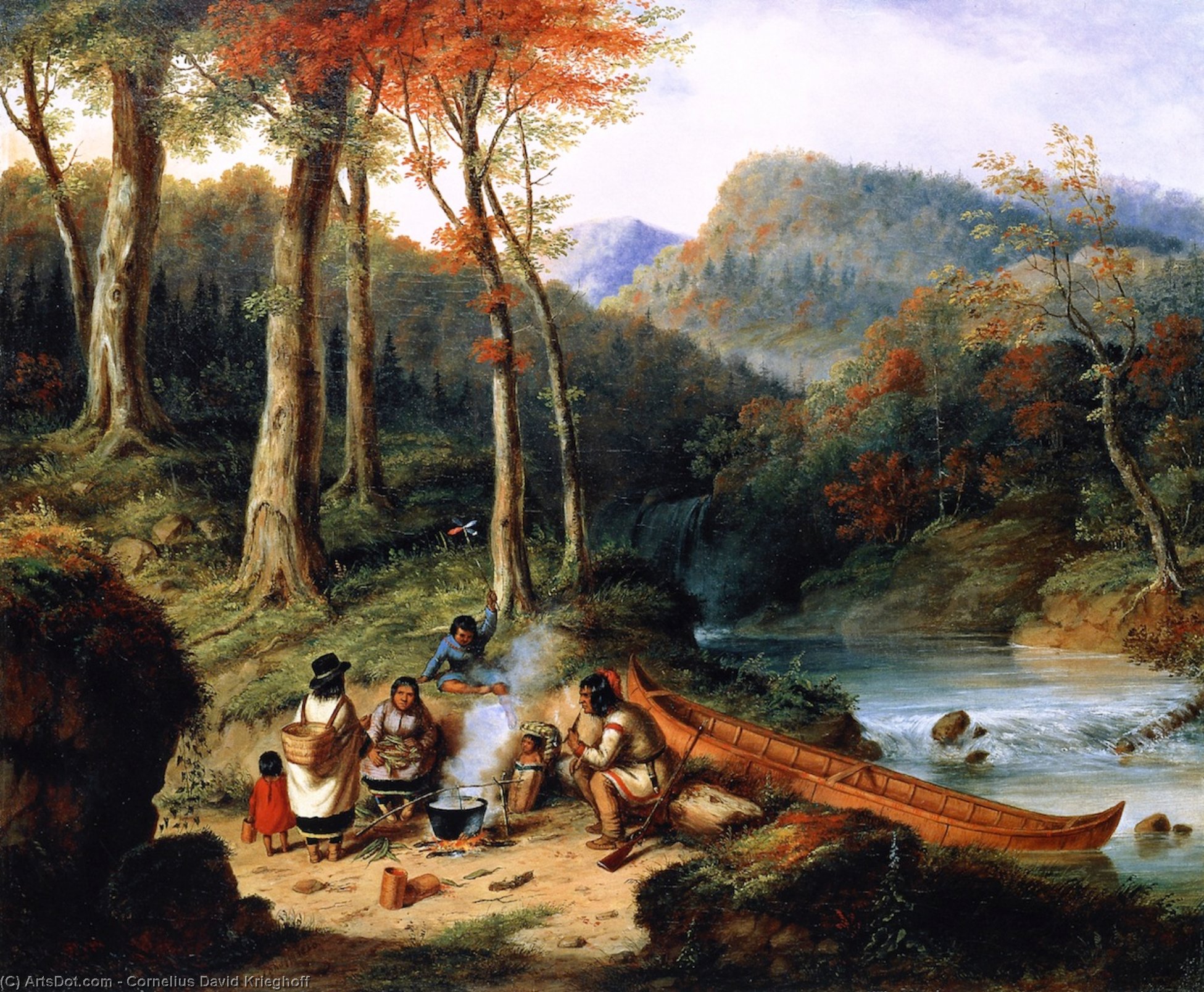
Huron Indians at Portage


 Leer más
Reproducción al óleo hecha a mano
Óleo sobre lienzo pintado a mano en el tamaño y marco de su elección, realizado por encargo por nuestros artistas. ( Pedir impresión Comprar descarga)




P118B $10

P118H $10

P118W $10

P438Z $10

P508JH $12

P508YH $12

P805H $10

P805Z $10

P919BZ $10

P919G $10

P919XJ $10

P959ZH $10

P968JZ $12

W106C $8

W218G $10

W218JH $8

W218Y $10

W307PJ $10

W316G $10

W316PJ $8

W316Y $10

W398PJ $8

W4111J $10

W500HY $15

W500JH $15

W692G $12

W849H $8

W940BG $15

W953PJ $8




Elija entre nuestros tamaños predefinidos que respetan las proporciones originales de la obra.

Puede ingresar sus propias dimensiones para adaptarse a un marco o espacio específico. Si el tamaño seleccionado no coincide con las proporciones de la imagen original, recortaremos la obra o extenderemos la pintura con elementos adicionales pintados a mano. Se le enviará una maqueta digital para su aprobación antes de comenzar la producción.
Tenga en cuenta que la vista previa en pantalla no refleja el recorte o la extensión reales. Solo la maqueta mostrará con precisión la composición final.
Si bien existen tamaños personalizados, recomendamos seleccionar una dimensión de la lista predefinida para preservar las proporciones originales.
Tras realizar el pedido, el equipo de ArtsDot.com enviará un correo electrónico al cliente para solicitar instrucciones y proporcionarle una vista previa del boceto.
Envío a todo el mundo () en 3-4 semanas en lugar de las 5 semanas estándar. (22 agosto). Sin comprometer la calidad.

Envío exprés gratuito a todo el mundo

Lienzo de lino de alta calidad

Seguro de envío completo

Garantía de reembolso de aranceles aduaneros

Garantía de fidelidad cromática exacta

Política de devolución de 60 días (solo por defectos)

Garantía de devolución del 100% del dinero

Oferta por volumen
 La opción de vidrio solo está disponible en tamaños inferiores a 110 cm.

Huron Indians at Portage
Técnica de reproducción
Tamaño de la reproducción
-


Precio total
$ 263
Descripción de la obra
A Glimpse into a Vanished World
In the heart of the mid-19th century, amidst the untamed wilderness of the North American frontier, Cornelius David Krieghoff captured a moment of profound human connection in his masterpiece, Huron Indians at Portage. Painted in 1850, this evocative oil on canvas serves as more than just a historical record; it is a window into a way of life defined by community, resilience, and an intimate relationship with the land. The scene unfolds around a flickering fire pit, where a group of Huron individuals has paused their journey to share food and stories. There is a palpable warmth radiating from the canvas, not merely from the literal flames of the cooking fire, but from the shared spirit of the people gathered there. As the eye wanders toward the periphery, a canoe rests quietly on the right, a silent testament to the nomadic rhythms of travel and sustenance that dictated the existence of these indigenous peoples.
Krieghoff, an artist born in Amsterdam, possessed a rare ability to bridge the gap between European academic precision and the raw, unscripted beauty of the Canadian landscape. In this work, his technique shines through a masterful use of light and color. He employs a palette of warm, earthy tones that ground the figures within their environment, creating a sense of organic unity between the human subjects and the surrounding forest. The subtle interplay of shadows and highlights brings a sculptural quality to the figures, allowing the viewer to feel the texture of their clothing and the soft glow of the embers against the twilight. This meticulous attention to detail ensures that every element—from the smoke rising from the pit to the gentle curve of the canoe—contributes to a cohesive and immersive narrative.
The Art of Storytelling through Canvas
Beyond its technical brilliance, Huron Indians at Portage resonates with a deep emotional intelligence. For the art collector or interior designer, this piece offers a profound sense of tranquility and nostalgia. It invites the viewer to contemplate a time when the pace of life was dictated by the seasons and the currents of the river. The symbolism within the painting is subtle yet powerful; the fire represents the hearth of civilization even in the wild, while the canoe symbolizes the journey of life and the interconnectedness of all living things. There is an inherent dignity in Krieghoff’s portrayal of the Huron people, captured with a respect that transcends mere observation.
Integrating a high-quality reproduction of this work into a curated space can transform an interior, providing a sophisticated focal point that sparks conversation and reflection. Whether placed in a grand library or a contemporary living area, the painting’s rich historical context and soulful atmosphere lend an air of timeless elegance. It is a piece that does not merely decorate a wall but enriches the very soul of a room, offering a continuous connection to the enduring legacy of human heritage and the breathtaking beauty of the natural world.
Obras relacionadas


Biografía del artista
Vida Temprana y Antecedentes
- Nacimiento: 19 de junio de 1815, Ámsterdam, Países Bajos
- Fallecimiento: 5 de marzo de 1872, Chicago, Illinois
- Padres: Johann Ernst Krieghoff (padre), Isabella Ludivica Wauters (madre)
- La formación temprana incluyó música y pintura por parte de su padre. Posteriormente asistió a la Academia de Bellas Artes en Alemania alrededor de 1830.
- Las conexiones familiares con Sattler, propietario de una fábrica de papel tapiz, proporcionaron alojamiento en Schloss Mainberg.
Servicio Militar y Primeros Viajes
- En 1836, Krieghoff emigró a Nueva York.
- Se alistó en el Ejército de los Estados Unidos en 1837, participando en la Segunda Guerra Seminola. Produjo bocetos durante este tiempo.
- Recibió el alta del ejército en 1840 con el rango de cabo.
- Viajó a París en 1844 donde copió obras maestras en el Louvre bajo la dirección de Michel Martin Drolling.
Carrera y Desarrollo Artístico en Canadá
- Alrededor de 1846, Krieghoff se estableció en Longueuil, Quebec, con su esposa, Louise Gauthier (dit Saint-Germain), e hija Emily.
- Participó en la fundación de la Sociedad de Artistas de Montreal en 1847.
- Se le conocía por vender sus pinturas puerta a puerta por sumas modestas ($5-$10).
- Sus temas incluían paisajes locales, retratos, vida indígena (particularmente de las interacciones con la comunidad Mohawk en Kahnawake) y paisajes.
- Se mudó a Quebec City en 1853, un período de prolífica producción artística.
- Regresó brevemente a Europa (1863-1868) antes de establecerse en Chicago para su jubilación en 1870.
Estilo, Influencias y Obras Principales
- Estilo: El estilo de Krieghoff se caracteriza por su realismo y atención al detalle, particularmente en la representación de paisajes canadienses y escenas de la vida cotidiana. Sus escenas invernales son especialmente renombradas.
- Influencias: Probablemente influenciado por la pintura de género alemana (Wilhelm von Schadow) y la tradición paisajística de la Escuela del Río Hudson.
- Obras Principales: Trapper Indio en Raquetas de Nieve, Campamento Indio de Caughnawaga en un Portaje, Una Mujer de Caughnawage, La Puerta de Peaje (varias versiones). Estas obras ejemplifican su enfoque en la vida y los paisajes canadienses.
Legado y Significado Histórico
- Krieghoff es considerado uno de los artistas más importantes del siglo XIX en Canadá.
- Sus pinturas proporcionan valiosas perspectivas sobre el panorama social, cultural y geográfico de Canadá durante un período de cambios significativos (pre-Confederación).
- Ayudó a establecer una identidad artística canadiense distintiva, alejándose de las influencias puramente europeas.
- Su obra se encuentra ahora en importantes museos de todo Canadá e internacionalmente, lo que demuestra su atractivo duradero y su significado histórico.
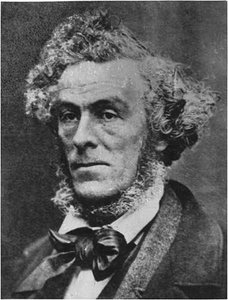
Cornelius David Krieghoff
1815 - 1872 , Países Bajos
Datos clave
- Artistas Que Influyeron: ['Wilhelm von Schadow']
- Fecha De Fallecimiento: 5 de marzo de 1872
- Fecha De Nacimiento: 19 de junio de 1815
- Lugar De Nacimiento: Ámsterdam, Países Bajos
- Movimiento Artístico: Pintura de género canadiense
- Nacionalidad: Canadiense-holandés
- Nombre Completo: Cornelius David Krieghoff
- Obras Notables:
- Indio trampero en raquetas de nieve
- Campamento indio Caughnawaga
- Una mujer caughnawage
- La puerta de peaje
Artículos relacionados
Raja Ravi Varma: Bridging Tradition & Modernity in 19th-Century Indian Art
Explore the life & art of Raja Ravi Varma, a pioneer who fused European techniques with Indian iconography. Discover his iconic paintings, lasting legacy, and influence on modern Indian art at ArtsDot.
El Siglo XIX en el Arte: 10 Obras Maestras para Decorar con Historia y Estilo
Descubre 10 obras maestras del siglo XIX: Monet, Goya y más. Explora el impresionismo, realismo y romanticismo que definieron una época. Encuentra reproducciones de arte exclusivas para decorar tu hogar con estilo en ArtsDot.com.
The Resonance of Earth Tones: Exploring Emotional Depth & Artistic Context in Paintings
Explore the captivating world of earth tones in painting! Discover the historical context, emotional resonance, and artistic techniques behind these timeless colors. Learn how to create harmonious spaces with natural palettes.
The Resonance of Earthly Tones: Exploring Nuance, History & Emotional Impact in Art
Explore the captivating world of earth tones in art! Discover historical context, emotional resonance & artistic techniques behind these timeless colors. Find inspiration for your home decor and museum-quality reproductions.

Earthen Hues: Exploring the Psychological & Artistic Significance of Earth Tones
Explore the captivating world of earth tones! Discover their historical significance, psychological impact & artistic techniques. Find inspiration for your home decor and museum-quality reproductions at ArtsDot.