

 Ver en contexto
 Enviar
 Compartir
 Detalles

 Descargar
 Similares
 Radiografía
 Presentación de diapositivas
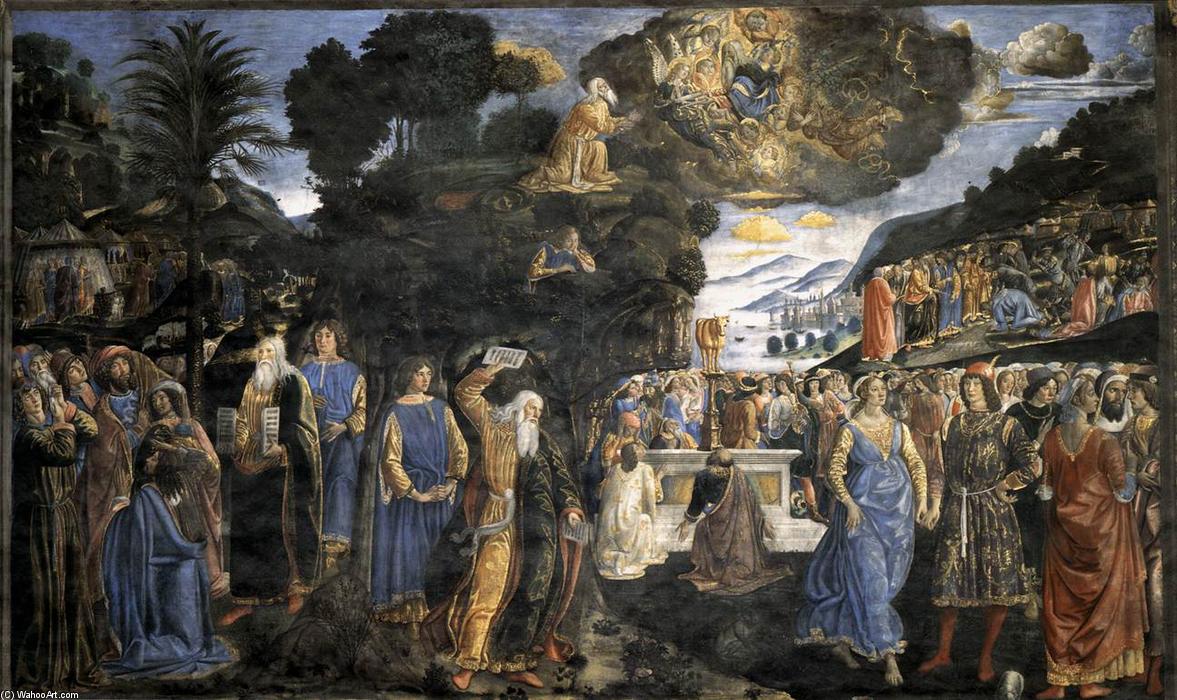
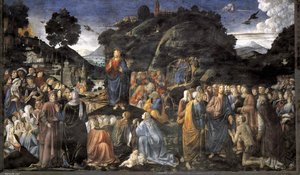
Tables of the Law with the Golden Calf
 Oil On Canvas
- WallArt
- Renaissance Early Renaissance
 1481
1481 350.0 x 572.0 cm
 Cappella Sistina
 Ver más
Adquiera una imagen digital de alta resolución y optimizada, muy superior a la vista previa en línea.
Cada archivo es preparado meticulosamente por nuestros especialistas internos mediante el uso de herramientas avanzadas y un experto retoque manual. Nos aseguramos de que cada imagen posea una claridad excepcional, una precisión cromática impecable y un detalle minucioso.
El archivo final se entrega por correo electrónico en un plazo de 72 horas, optimizado para su uso inmediato en entornos profesionales, editoriales y de impresión. Esta es la misma calidad en la que confían los estudios de diseño, las editoriales y las galerías de primer nivel.
Imagen Digital
Descarga un archivo de alta resolución para exhibición personal, impresión y proyectos creativos. ( Comprar impresión Comprar pintura hecha a mano)
Incluido en cada pedido de imágenes digitales
Entrega digital experta, garantizada.
Al elegir ArtsDot.com, no solo está adquiriendo una imagen; está recibiendo una obra de arte digital mejorada profesionalmente, elaborada con precisión y respaldada por una garantía de satisfacción. Esto es todo lo que incluye su pedido, automáticamente:

Entrega rápida por email
Recibirá su archivo de imagen digital en alta resolución por correo electrónico en un plazo de 72 horas tras realizar su pedido, listo para su uso inmediato.

Archivo digital optimizado por IA
Su obra de arte se optimiza profesionalmente mediante herramientas avanzadas de IA y edición manual, garantizando el máximo detalle, claridad y precisión cromática.

Reenvío gratuito de por vida
¿Has borrado o perdido tu archivo por error? No te preocupes: te lo volveremos a enviar en cualquier momento, sin coste adicional.

Sin gastos de importación, siempre
Disfrute de su obra de arte al instante sin aduanas, aranceles ni gastos de envío; las descargas digitales siempre están libres de impuestos.

Garantía de fidelidad de color
Garantizamos que su imagen digital refleje los colores originales con la mayor fidelidad posible, mediante el uso de herramientas profesionales y gestión del color.

Garantía de satisfacción de 60 días
Si no está satisfecho con su imagen digital, la revisaremos o le reembolsaremos el 100% en un plazo de 60 días, sin preguntas.

100% Garantía de devolución de dinero
¿No está satisfecho? Obtenga un reembolso completo dentro de los 60 días posteriores a la recepción de su archivo digital, sin necesidad de explicaciones.

Descuentos por pedidos grandes
Compra 3 imágenes, ahorra 10% - Compra 5, ahorra 15% - Compra 10+, ahorra 20%. Ideal para proyectos creativos, galerías y agencias.
A Divine Narrative Unveiled: The Tables of the Law with the Golden Calf by Cosimo Rosselli
Cosimo Rosselli’s “Tables of the Law with the Golden Calf,” painted in 1481 as part of the magnificent frescoes adorning the Cappella Sistina within Vatican City, is more than just a depiction of biblical events; it's a vibrant, dynamic tableau brimming with theological weight and artistic innovation. Commissioned during a pivotal moment in Renaissance Rome – a period grappling with papal authority and burgeoning humanist thought – this fresco transcends mere illustration, becoming a powerful statement on obedience, transgression, and the enduring struggle between divine law and human fallibility. Rosselli’s masterful handling of color, composition, and narrative detail elevates the scene to an unforgettable visual experience.
The painting immediately captivates with its dramatic landscape—a rugged, mountainous terrain bathed in a turbulent sky, mirroring the emotional intensity of the story unfolding below. Trees, rendered with a surprising degree of realism for the time, frame the central action, drawing the viewer’s eye to the foreground where a multitude of figures are engaged in various activities. These aren't static representations; Rosselli imbues them with movement and life—some conversing animatedly, others observing the unfolding drama with expressions ranging from concern to outright condemnation. The use of color is particularly striking: earthy tones dominate the landscape, grounding the scene in a sense of earthly reality, while vibrant hues – reds, blues, and golds – are strategically employed to highlight key figures and elements, drawing attention to the central narrative.
The Heart of the Story: Moses and the Golden Calf
At the heart of the fresco lies the pivotal moment depicted—the story of Moses’s return from Mount Sinai after receiving the Ten Commandments, only to discover that his people have fashioned a golden calf in his absence. Rosselli masterfully captures the shock and dismay on Moses' face as he witnesses this act of idolatry. The sheer scale of the golden calf itself is arresting – a symbol of humanity’s inherent tendency towards self-worship and rebellion against divine authority. The figures surrounding it, caught in the act of worship, are rendered with a stark realism that underscores the gravity of their transgression. Note the detail in their clothing—a deliberate choice by Rosselli to emphasize their earthly nature and vulnerability before God.
Rosselli’s artistic choices extend beyond mere representation; he employs techniques characteristic of the Florentine Renaissance while simultaneously pushing the boundaries of traditional fresco painting. The use of *sfumato*, a subtle blurring technique, softens the edges of figures and creates an atmospheric depth that enhances the sense of drama. The layering of colors—a hallmark of Rosselli’s style—results in a rich, textured surface that seems to shimmer with light. This masterful application of color and form is further enhanced by the fresco technique itself – a method involving pigments mixed with water and applied directly onto wet plaster, creating a durable and luminous image.
Symbolism and Historical Context
Beyond its immediate narrative, “Tables of the Law with the Golden Calf” is laden with symbolism. The Ten Commandments themselves represent the foundation of Jewish law and morality, while the golden calf symbolizes idolatry—the worship of anything other than God. The scene can be interpreted as a broader allegory about the dangers of disobedience and the importance of upholding divine principles. Painted during a period of intense religious reform under Pope Sixtus IV, the fresco likely served as a visual reminder to the Church’s subjects of their obligations to obey God's law.
Furthermore, Rosselli’s inclusion of figures like Joshua—a young boy accompanying Moses—suggests a theme of succession and continuity. The painting also reflects the humanist ideals that were beginning to emerge during the Renaissance, emphasizing human reason and observation alongside traditional religious beliefs. The dynamic composition and detailed depiction of human emotion demonstrate Rosselli's skill in capturing the complexities of the human experience within a theological framework.
A Timeless Masterpiece: Reproductions and Legacy
Today, “Tables of the Law with the Golden Calf” stands as a testament to Cosimo Rosselli’s artistic genius and a cornerstone of Renaissance art history. High-quality reproductions, such as those offered by ArtsDot.com, allow viewers around the world to experience the power and beauty of this iconic fresco. Whether displayed in a grand gallery or a private home, these reproductions capture the essence of Rosselli's original masterpiece—a timeless narrative of faith, transgression, and the enduring quest for spiritual truth.
Obras relacionadas
Biografía del artista
Vida Temprana e Influencias (1448-1470)
- Cosimo Rosselli nació en Florencia alrededor de 1448, hijo del pintor Guglielmo y neto del también pintor Francesco.
- Formación Inicial: Desde temprana edad, Cosimo se vio expuesto al mundo del arte gracias a su familia, lo que influyó en su decisión de seguir los pasos de sus antepasados.
- Aprendizaje con Domenico Ghirlandaio: Cosimo ingresó al taller de Domenico Ghirlandaio, uno de los pintores florentinos más importantes de la época, donde recibió una sólida formación en técnicas pictóricas y composición.
- Influencias Tempranas: El estilo de Ghirlandaio, caracterizado por su linealidad, claridad compositiva y uso de colores brillantes, marcó profundamente a Cosimo.
- Además del taller de Ghirlandaio, Cosimo también se vio influenciado por las obras de otros pintores florentinos como Fra Angelico y Filippo Lippi.
Participación en los Frescos de la Capilla Sixtina (1477-1482)
- En 1477, Cosimo fue invitado a Roma para participar en la decoración con frescos de la Capilla Sixtina bajo el patrocinio del Papa Sixto IV.
- Colaboración con Grandes Maestros: Cosimo tuvo la oportunidad de trabajar junto a otros grandes maestros como Sandro Botticelli, Pietro Perugino y Domenico Ghirlandaio.
- Asignación de Escenas: A Cosimo se le asignaron varias escenas del Antiguo Testamento para decorar las paredes de la capilla, incluyendo historias de Moisés y Josué.
- Estilo en la Capilla Sixtina: En sus frescos de la Capilla Sixtina, Cosimo demostró su habilidad para combinar el estilo lineal y claro de Ghirlandaio con una mayor sensibilidad a las emociones humanas.
- La experiencia en la Capilla Sixtina fue crucial para el desarrollo artístico de Cosimo y le permitió ganar reconocimiento como uno de los pintores florentinos más talentosos de su época.
Obras Maestras en Florencia (1482-1500)
- Tras su regreso a Florencia, Cosimo se dedicó a la creación de obras maestras para diversas instituciones religiosas y familias nobles.
- Frescos del Palazzo Medici: Cosimo pintó una serie de frescos en el Palazzo Medici Riccardi que representan escenas mitológicas y alegóricas.
- Decoración de la Capilla Tornabuoni: Cosimo colaboró con Domenico Ghirlandaio en la decoración de la Capilla Tornabuoni en la iglesia Santa Maria Novella, donde pintó varias escenas del Nuevo Testamento.
- Retablo para la Iglesia Santa Lucia: Cosimo creó un retablo para la iglesia Santa Lucia que representa a San Lucas evangelista rodeado de sus seguidores.
- Estilo en las Obras Maestras: En sus obras maestras florentinas, Cosimo demostró su habilidad para combinar el estilo lineal y claro de Ghirlandaio con una mayor sensibilidad a las emociones humanas y un uso más sofisticado del color.
Influencias Posteriores e Importancia Histórica (1500-1479)
- A pesar de su talento, Cosimo no alcanzó la misma fama que otros pintores florentinos como Botticelli o Leonardo da Vinci.
- Influencia en Pintores Posteriores: Sin embargo, Cosimo influyó en una generación de pintores posteriores, incluyendo a Andrea del Sarto y Pontormo.
- Estilo Lineal y Claro: El estilo lineal y claro de Cosimo fue apreciado por su capacidad para comunicar ideas complejas de manera sencilla y directa.
- Contribución al Renacimiento Florentino: Cosimo contribuyó significativamente al Renacimiento florentino, uno de los períodos más importantes de la historia del arte occidental.
- Cosimo Rosselli falleció en Florencia alrededor de 1479, dejando un legado artístico que continúa siendo apreciado por su belleza y sofisticación.
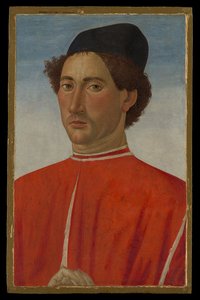
Cosimo Rosselli
1439 - 1507 , Italia
Breves datos
- Estilo Artístico: Renacimiento florentino
- Fecha De Muerte: c. 1520
- Fecha De Nacimiento: c. 1445
- Influenciados Por Este Artista: ['Artistas florentinos posteriores']
- Influencias Artísticas:
- Domenico Ghirlandaio
- Perugino
- Masaccio
- Lugar De Nacimiento: Florencia, Italia
- Nacionalidad: Italiana
- Nombre Completo: Cosimo Rosselli
- Obras Notables:
- Frescos en la Capilla Sixtina
- Frescos en Santissima Annunziata
- Retablos florentinos

