 Ver en contexto
 Enviar
 Compartir
 Detalles

 Descargar
 Similares
 Radiografía
 Presentación de diapositivas
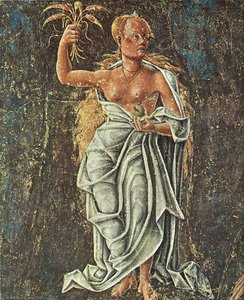
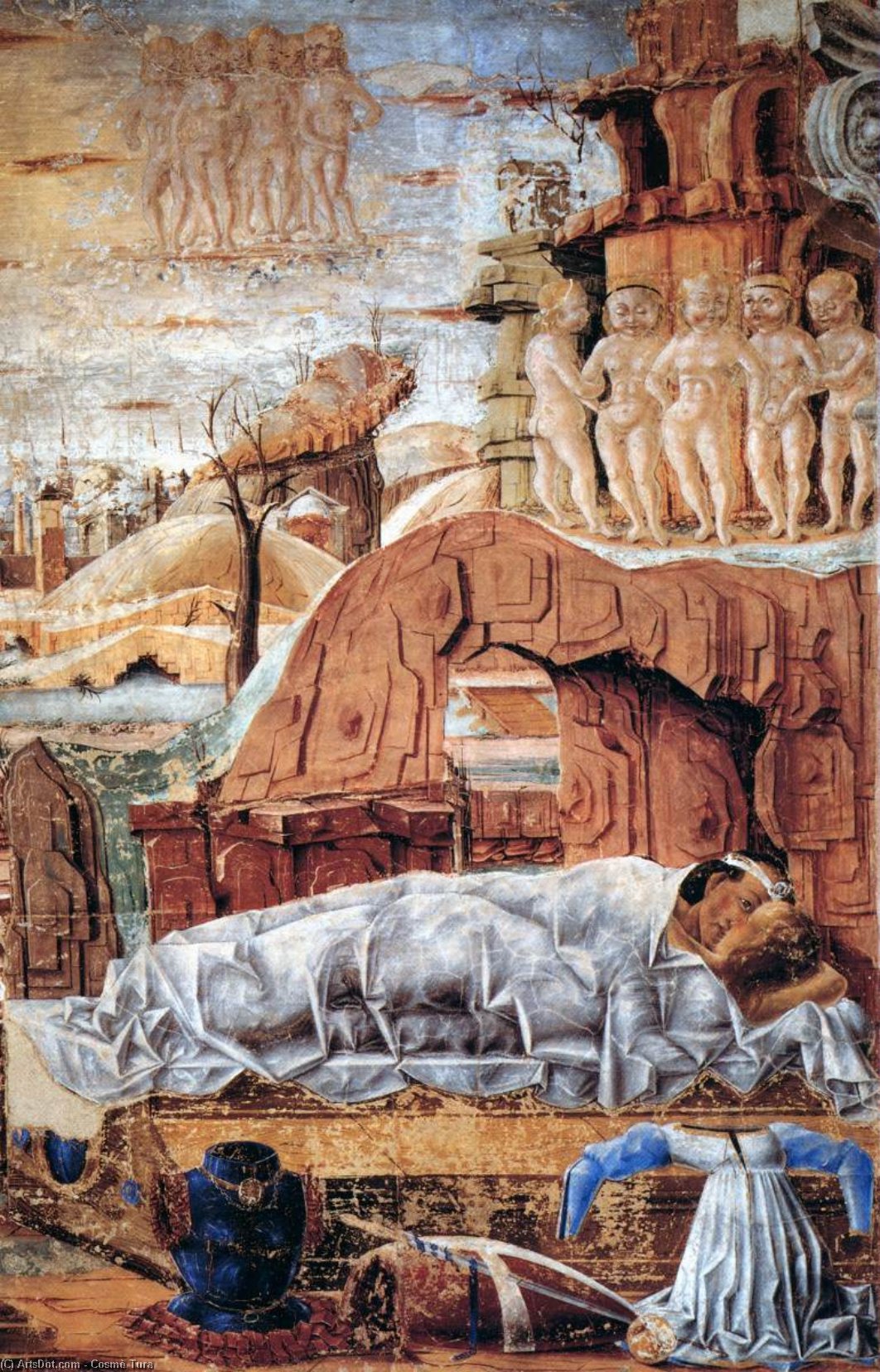
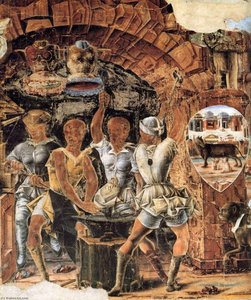
Allegory of September (detail)


 Ver más
Reproducción al óleo hecha a mano
Óleo sobre lienzo pintado a mano en el tamaño y marco de su elección, realizado por encargo por nuestros artistas. ( Comprar impresión Comprar imagen)




P118B $10

P118H $10

P118W $10

P438Z $10

P508JH $12

P508YH $12

P805H $10

P805Z $10

P919BZ $10

P919G $10

P919XJ $10

P959ZH $10

P968JZ $12

W106C $8

W218G $10

W218JH $8

W218Y $10

W307PJ $10

W316G $10

W316PJ $8

W316Y $10

W398PJ $8

W4111J $10

W500HY $15

W500JH $15

W692G $12

W849H $8

W940BG $15

W953PJ $8




Elija entre nuestros tamaños predefinidos que respetan las proporciones originales de la obra.

Puede ingresar sus propias dimensiones para adaptarse a un marco o espacio específico. Si el tamaño seleccionado no coincide con las proporciones de la imagen original, recortaremos la obra o extenderemos la pintura con elementos adicionales pintados a mano. Se le enviará una maqueta digital para su aprobación antes de comenzar la producción.
Tenga en cuenta que la vista previa en pantalla no refleja el recorte o la extensión reales. Solo la maqueta mostrará con precisión la composición final.
Si bien existen tamaños personalizados, recomendamos seleccionar una dimensión de la lista predefinida para preservar las proporciones originales.
Tras realizar el pedido, el equipo de ArtsDot.com enviará un correo electrónico al cliente para solicitar instrucciones y proporcionarle una vista previa del boceto.
Envío a todo el mundo () en 3-4 semanas en lugar de las 5 semanas estándar. (6 septiembre). Sin comprometer la calidad.

Envío exprés gratuito a todo el mundo

Lienzo de lino de alta calidad

Seguro de envío total

Garantía de reembolso de impuestos aduaneros

Garantía de fidelidad cromática exacta

Política de devolución de 100 días (solo por defectos)

Garantía de devolución del 100% del dinero

Descuento por cantidad
 La opción de vidrio solo está disponible en tamaños inferiores a 110 cm.

Allegory of September (detail)
Técnica de reproducción
Dimensiones de la reproducción
-


Precio total final
$ 263
A Ferrarese Visionary: The Life and Art of Cosmè Tura
Cosmè Tura stands as one of the most remarkable figures of the Early Renaissance, a painter whose distinctive style and profound engagement with humanist ideals cemented his place among the luminaries of Ferrara’s artistic milieu. Born around 1430 in the bustling ducal city – his father, Domenico, was a shoemaker – Tura's ascent from modest origins to celebrated artist speaks volumes about the transformative power of talent and circumstance. While biographical details remain somewhat fragmentary, scholarly consensus points to an apprenticeship with Galasso Galassi, a shadowy artisan whose connections to Piero della Francesca hinted at a formative exposure to classical influences. Subsequent journeys, notably between 1452 and 1456 in Venice and Padua, broadened his artistic horizons and introduced him to the vibrant workshop of Francesco Squarcione, where the burgeoning techniques of linear perspective and sculptural realism were actively pursued. This crucible of innovation profoundly shaped Tura’s artistic sensibilities, equipping him with the tools necessary to achieve his unparalleled expressive vision.The Fresco's Narrative: Allegory of September
Tura’s magnum opus resides within Palazzo Schifanoia, Ferrara – specifically in the magnificent “Allegory of September,” a fresco that transcends mere decoration and embodies the intellectual fervor characteristic of its era. Executed circa 1476, this monumental artwork depicts a complex tableau divided into two distinct layers. The upper section presents a dynamic procession of figures—birds, angels, and human forms—engaged in an upward movement, symbolizing aspiration and divine grace. These figures are rendered with meticulous attention to detail, employing soft lines and subtle shading to imbue them with an ethereal quality that captures the spirit of Renaissance idealism. The lower portion portrays a reclining nude male figure draped beneath a white cloth, shrouded in shadow – a deliberate ambiguity designed to provoke contemplation about mortality and rebirth. Adjacent to this central figure stand two additional figures, one holding aloft a blue vase or container, representing fertility and abundance.Technique and Style: Renaissance Precision
Tura’s mastery of fresco technique is undeniable. He skillfully utilized pigments mixed with lime plaster to create durable images that would withstand the passage of time—a testament to his dedication to craftmanship and an embodiment of Renaissance artistic ideals. The fresco's surface texture contributes significantly to its visual impact, enhancing the illusion of depth and dimensionality through careful manipulation of light and shadow. Furthermore, Tura’s stylistic choices reflect the humanist preoccupation with anatomical accuracy and idealized beauty prevalent during this period. His figures possess a graceful posture and refined musculature, mirroring classical sculptures and demonstrating an unwavering commitment to representing human form in its most noble expression.Symbolism: Decoding the Visual Language
The “Allegory of September” is replete with symbolic references that illuminate the broader intellectual currents of Renaissance Ferrara. The procession of birds symbolizes divine providence and spiritual ascension, while the reclining nude figure embodies the cyclical nature of life—death followed by regeneration—a motif deeply rooted in Platonic philosophy. The blue vase represents fertility and prosperity, reflecting the importance of agriculture and familial lineage within Ferrarese society. Each element contributes to a cohesive narrative that speaks to themes of faith, virtue, and human potential.Emotional Resonance: A Window into Renaissance Thought
Ultimately, “Allegory of September” transcends its formal conventions to evoke profound emotional resonance. The painting’s serene palette—dominated by muted blues and earthy tones—creates an atmosphere of contemplative solemnity. Yet, beneath the surface tranquility lies a palpable sense of dynamism and aspiration, mirroring the humanist conviction that humanity possessed the capacity for moral excellence and spiritual enlightenment. Tura's masterpiece continues to captivate viewers today, serving as a poignant reminder of the enduring power of art to illuminate the human condition and inspire contemplation about life’s fundamental questions—a legacy worthy of admiration and scholarly study.Obras relacionadas
Biografía del artista
Cosmè Tura: Un Pionero de la Escuela Ferraresa
- Nacido: c. 1430 en Ferrera, Italia
- Fallecido: 1495
- Conocido por: Pintor del primer Renacimiento y fundador de la Escuela Ferraresa
Primeros Años y Formación
- Cosmè Tura nació alrededor de 1430 en Ferrara, Italia, hijo de un zapatero. Los detalles sobre su vida temprana son escasos.
- Su formación artística no está bien documentada, pero se cree que pudo haber sido influenciado por artistas como Fra Angelico, Piero della Francesca y Andrea Mantegna.
- Existe la especulación de que podría haber tenido un aprendizaje bajo Galasso Galassi, un artista algo misterioso vinculado a Piero della Francesca.
- De 1452 a 1456, la presencia de Tura en Ferrara no está documentada, lo que lleva a algunos historiadores a creer que pudo haber viajado, posiblemente a Venecia o Padua.
- Un posible viaje a Padua le expuso al taller de Francesco Squarcione, un importante centro para el arte del Renacimiento, y artistas como Carlo Crivelli, Michael Pacher y Andrea Mantegna. Esta exposición probablemente influyó en su estilo.
Estilo Artístico e Influencias
- El estilo artístico de Tura se caracteriza por líneas claras y nítidas, exuberancia decorativa y referencias a la antigüedad clásica.
- Fue un adoptante temprano de la pintura al óleo, utilizándola hábilmente para representar diferentes texturas en sus obras.
- Las influencias incluyen innovaciones toscanas traídas a Padua por Donatello, evidentes en su uso de la perspectiva lineal y las formas fuertes.
- Su estilo también muestra el impacto de los artistas flamencos que trabajaban en Ferrara.
Obras Principales y Logros
- Tura trabajó extensamente para la familia Este, Duques de Ferrara, creando decoraciones para torneos, diseñando muebles y contribuyendo a la moda.
- Entre sus obras notables se incluyen los frescos en el Palazzo Schifanoia en Ferrara, que representan escenas alegóricas.
- Pintó retratos, paneles religiosos (como "San Antonio de Padua Leyendo") y otras obras de arte que muestran su estilo único.
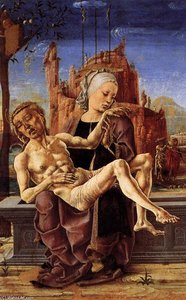
- Su “Pietà” es un ejemplo notable del arte gótico tardío con influencias renacentistas.
Significado Histórico
- Cosmè Tura es considerado uno de los artistas más importantes del primer Renacimiento, particularmente en el norte de Italia.
- Fundó y lideró la Escuela Ferraresa, influyendo en artistas posteriores como Giovanni Andrea Ghirardoni.
- Su innovador uso de la pintura al óleo y su estilo distintivo contribuyeron significativamente al desarrollo del arte italiano.
- El legado de Tura se conserva a través de obras expuestas en museos como el Museo di Ferrara.
Cosmè Tura
1430 - 1495 , Italia
Datos clave
- Artistas Influenciados: ['Giovanni Andrea Ghirardoni']
- Artistas Que Influyeron:
- Fra Angelico
- Piero della Francesca
- Andrea Mantegna
- Fecha De Muerte: 1495
- Fecha De Nacimiento: c. 1430
- Lugar De Nacimiento: Ferrara, Italia
- Movimiento Artístico: Primer Renacimiento
- Nacionalidad: Italiana
- Nombre Completo: Cosmè Tura
- Obras Notables:
- St. Anthony of Padua Reading
- Pietà
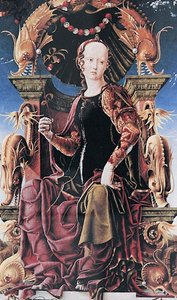
- A Muse (detail)
Artículos relacionados
Cosmè Tura: Rediscovering the Ferrarese Master & His Distinctive Style
Discover Cosmè Tura (1430-1495), founder of the Ferrara School. Explore his unique style, key artworks & lasting influence. Expert insights for collectors.
Unveiling Hidden Meanings: Allegory in Western Art History
Explore the rich history of allegory in Western art! Discover hidden meanings in masterpieces from Giotto to Bosch & beyond. Expert insights for collectors and enthusiasts at ArtsDot.
Giulio Romano: A Master of Mannerism & the Palazzo Te Legacy
Explore the revolutionary art of Giulio Romano, master of Mannerism & architect of Palazzo Te. Discover his influence, investment potential, and stunning frescoes – a guide for discerning collectors.
Hans Baldung Grien: A Renaissance Master of Allegory, Innovation & the Grotesque
Explore the captivating world of Hans Baldung Grien, a Renaissance master renowned for his allegorical paintings, striking woodcuts & unique depictions of mythology and the grotesque. Discover his life, works & legacy with ArtsDot.
The Weight of Virtue and Vice: Exploring Moral Themes in Art History
Explore the captivating world of moral allegory in art history! Discover how Renaissance masters like Bosch, Botticelli & Lotto depicted virtue & vice. Expert analysis and stunning reproductions at ArtsDot.