

 Ver en contexto
 Enviar
 Compartir
 Detalles

 Descargar
 Similares
 Radiografía
 Presentación de diapositivas
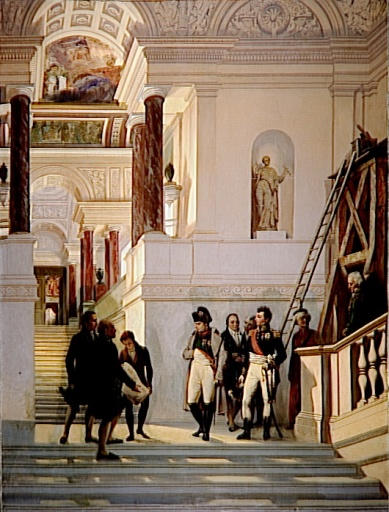
NAPOLEON IER VISITANT L'ESCALIER DU MUSEE DU LOUVRE SOUS LA CONDUITE DES ARCHITECTES PERCIER ET FONTAINE


 Ver más
Reproducción al óleo hecha a mano
Óleo sobre lienzo pintado a mano en el tamaño y marco de su elección, realizado por encargo por nuestros artistas. ( Comprar impresión Comprar imagen)




P118B $10

P118H $10

P118W $10

P438Z $10

P508JH $12

P508YH $12

P805H $10

P805Z $10

P919BZ $10

P919G $10

P919XJ $10

P959ZH $10

P968JZ $12

W106C $8

W218G $10

W218JH $8

W218Y $10

W307PJ $10

W316G $10

W316PJ $8

W316Y $10

W398PJ $8

W4111J $10

W500HY $15

W500JH $15

W692G $12

W849H $8

W940BG $15

W953PJ $8




Elija entre nuestros tamaños predefinidos que respetan las proporciones originales de la obra.

Puede ingresar sus propias dimensiones para adaptarse a un marco o espacio específico. Si el tamaño seleccionado no coincide con las proporciones de la imagen original, recortaremos la obra o extenderemos la pintura con elementos adicionales pintados a mano. Se le enviará una maqueta digital para su aprobación antes de comenzar la producción.
Tenga en cuenta que la vista previa en pantalla no refleja el recorte o la extensión reales. Solo la maqueta mostrará con precisión la composición final.
Si bien existen tamaños personalizados, recomendamos seleccionar una dimensión de la lista predefinida para preservar las proporciones originales.
Tras realizar el pedido, el equipo de ArtsDot.com enviará un correo electrónico al cliente para solicitar instrucciones y proporcionarle una vista previa del boceto.
Envío a todo el mundo () en 3-4 semanas en lugar de las 5 semanas estándar. (23 agosto). Sin comprometer la calidad.

Envío exprés gratuito a todo el mundo

Lienzo de lino de alta calidad

Seguro de envío total

Garantía de reembolso de impuestos aduaneros

Garantía de fidelidad cromática exacta

Política de devolución de 60 días (solo por defectos)

Garantía de devolución del 100% del dinero

Descuento por cantidad
 La opción de vidrio solo está disponible en tamaños inferiores a 110 cm.

NAPOLEON IER VISITANT L'ESCALIER DU MUSEE DU LOUVRE SOUS LA CONDUITE DES ARCHITECTES PERCIER ET FONTAINE
Técnica de reproducción
Dimensiones de la reproducción
-


Precio total final
$ 263
Descripción de la obra
A Monumental Portrait of Power: Couder’s Vision of Napoleon at the Louvre
Auguste Couder's “Napoleon Ier Visitant L’Escalier Du Musée Du Louvre Sous La Conduite Des Architectes Percier Et Fontaine,” painted in 1833, stands as a testament to the enduring fascination with Napoleonic grandeur and the meticulous craftsmanship of French Romanticism. Commissioned by Louis-Philippe, Duc d'Orléans, this monumental canvas isn’t merely a depiction of an event; it’s a carefully constructed narrative designed to solidify the Bourbon monarchy’s legitimacy amidst the turbulent aftermath of revolution.
- Subject Matter: The painting captures Napoleon Bonaparte’s visit to the Louvre Museum under the guidance of architects Jean Nicolas Pierre Percier and Claude Michel François Fontaine. This scene commemorates the reopening of the museum after its closure during the Napoleonic Wars, symbolizing France's triumphant return to cultural prestige.
- Style & Technique: Couder adheres rigorously to the academic tradition championed by David, employing a balanced composition and precise draughtsmanship characteristic of the École de peinture française. The artist skillfully utilizes oil paint on canvas—a technique favored for its luminosity and ability to convey texture—to achieve remarkable realism in portraying the figures and architectural details.
- Historical Context: Painted during Louis-Philippe’s reign, “Napoleon” serves as a deliberate propaganda piece. Percier and Fontaine's involvement underscores the royal patronage of art and reinforces the image of France as a beacon of civilization and artistic excellence. The painting reflects the broader Romantic preoccupation with heroic narratives and idealized representations of historical figures.
Symbolism: Hierarchy and Restoration
Beyond its factual representation, Couder’s artwork is laden with symbolic significance. Napoleon dominates the composition, positioned prominently at the top right corner, embodying imperial authority and ambition. The surrounding figures—military officers and dignitaries—represent the elite circles supporting Louis-Philippe's rule. Notably, the inclusion of horses symbolizes power and majesty, mirroring Napoleonic conquests.
- Architectural Detail: Percier and Fontaine’s architectural prowess is meticulously rendered, emphasizing the Louvre’s grandeur as a symbol of artistic heritage and royal patronage. The clock hanging on the wall serves as a subtle reminder of time passing—a commentary on Napoleon's reign and France's journey toward stability.
- Color Palette: Couder employs a muted palette dominated by browns, ochres, and reds—colors associated with seriousness and dignity—creating an atmosphere of solemn contemplation. The artist’s careful attention to tonal gradations enhances the painting’s visual impact and contributes to its overall sense of grandeur.
Emotional Impact: Reverence for Glory
"Napoleon Ier Visitant L'Escalier Du Louvre Sous La Conduite Des Architectes Percier Et Fontaine" evokes a profound feeling of reverence for Napoleonic glory and the restoration of French cultural identity. Couder’s masterful execution captures not only the visual splendor of the scene but also its emotional resonance—a celebration of artistic achievement and royal legitimacy. It remains an enduring emblem of France's triumphant return to prominence after years of upheaval.
- Provenance: The painting originated in a series commissioned by Louis-Philippe for the Galerie d’Apollon at the Louvre, showcasing the Duc’s commitment to elevating French art and culture. Its subsequent acquisition by Emmanuel Bréon and its donation to the Musée National des Beaux Arts de Malmaison underscore its significance as a cornerstone of French artistic heritage.
- References: Further exploration can be found in Thierry Sarmant's “Napoléon et Paris,” published by Paris Musées (2015), and Isabelle Leroy-Jay Lemaistre’s “Napoléon et le Louvre dans les collections des musées français” (2017).
Obras relacionadas
Biografía del artista
Louis-Charles-Auguste Couder (1789 - 1873): A Life Painted in History
Born amidst the burgeoning artistic energy of London in 1789, Louis-Charles-Auguste Couder would become a significant voice in 19th-century French historical painting. Though perhaps not as celebrated today as some of his contemporaries, Couder’s canvases offer a compelling window into an era defined by revolution, empire, and the enduring power of classical ideals. His journey began with formative training under two titans of the French art world: Jean-Baptiste Regnault and Jacques-Louis David. This dual mentorship profoundly shaped his artistic sensibilities, instilling in him both a rigorous academic approach and a keen understanding of dramatic narrative. David’s influence is particularly evident in Couder's early works – a precision of draftsmanship, balanced compositions, and an unwavering commitment to historical accuracy characterize these initial explorations. Yet, Regnault’s contribution was equally vital, fostering Couder’s ability to imbue his scenes with emotional intensity and compelling storytelling. He wasn’t merely recreating history; he was breathing life into it.Early Influences and Artistic Formation
Couder’s artistic education commenced under the tutelage of Jean-Baptiste Regnault and Jacques-Louis David, two figures who epitomized the ideals of Neoclassical art. David instilled in him a meticulous attention to detail and compositional balance—principles that would permeate Couder's oeuvre throughout his career. The resulting paintings are characterized by an unwavering dedication to portraying historical events with unflinching realism and capturing the psychological complexities inherent within them. Regnault, on the other hand, nurtured Couder’s talent for dramatic expression and storytelling, encouraging him to infuse his canvases with palpable emotion and theatrical flair. This dual influence resulted in a distinctive artistic style that skillfully blended academic rigor with emotive dynamism—a hallmark of Couder's enduring legacy.A Synthesis of Classical Ideals and Dramatic Narrative
Couder’s artistic vision was firmly rooted in the principles of Neoclassicism, yet he transcended mere stylistic imitation. Drawing inspiration from classical mythology and history, he sought to explore universal human experiences through a lens of timeless elegance—a characteristic that distinguishes his work from many of its contemporaries. His canvases became stages for heroism, sacrifice, and the grandeur of past civilizations, reflecting a profound engagement with the intellectual currents of his time. He skillfully employed chiaroscuro lighting and dynamic compositions to heighten dramatic impact, capturing not only visual splendor but also conveying powerful emotional resonance. This masterful technique elevated Couder’s paintings beyond mere representations of historical events—transforming them into immersive experiences that captivated audiences and cemented his reputation as a master storyteller.Notable Achievements: Capturing Pivotal Moments in History
Couder achieved considerable renown for his depictions of significant historical occurrences, securing commissions from prominent institutions such as the Musée Historique in Versailles. Among his most celebrated works are The Siege of Yorktown (1781) and Washington, Rochambeau, La Fayette et leur état major à Yorktown—paintings that meticulously recreate the strategic complexities of the American Revolutionary War. These canvases exemplify Couder’s ability to synthesize historical research with artistic creativity—resulting in visually arresting narratives that illuminate key moments in history. Furthermore, his portrayal of events like Installation du conseil d'Etat au palais du Petit Luxembourg (1799) demonstrates his commitment to capturing the political atmosphere and intellectual debates of the Napoleonic era. His meticulous attention to detail and dramatic flair ensured that these paintings remained relevant for generations to come—establishing Couder as a pivotal figure in French art history.Legacy: An Enduring Influence on Artistic Expression
Couder’s artistic legacy extends beyond his individual masterpieces; it resides in the enduring influence of his style upon subsequent artists. His commitment to Neoclassical principles—combined with Regnault's advocacy for emotive storytelling—established a paradigm for historical painting that continues to inspire creativity today. The meticulous draftsmanship, balanced compositions, and dramatic lighting techniques he perfected remain hallmarks of artistic excellence—serving as a testament to Couder’s profound contribution to the visual arts. His paintings continue to resonate with audiences worldwide, offering invaluable insights into the intellectual and aesthetic sensibilities of 19th-century France—a legacy that secures his place among the most influential painters of his era.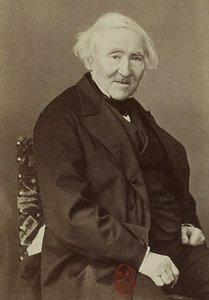
couder auguste
1789 - 1873 , Reino Unido
Datos clave
- Artistic Movement Or Style: Neoclasicismo Histórico
- Artists Who Influenced This Artist:
- Jean Baptiste Regnault
- Jacques Louis David
- Date Of Birth: Londres, 1789
- Date Of Death: París, 1873
- Full Name: Louis Charles Auguste Couder
- Nationality: Francés
- Notable Artworks:
- Sitio de Yorktown
- Instalación del consejo de Estado
- TANNEGUY DUCHATEL
- Sesión de apertura...
- Place Of Birth: Londres, Reino Unido
Artículos relacionados
Renoir: Las 25 Obras Maestras del Impresionismo para Decorar tu Hogar con Arte
Descubre las 25 obras maestras de Renoir, el rey del impresionismo. Explora su técnica, historia y significado en cada pintura. Encuentra reproducciones de arte de alta calidad para decorar tu hogar con ArtsDot.com.

Los 25 Tesoros del Louvre: Arte Clásico para Decorar con Elegancia | ArtsDot
Descubre los 25 tesoros del Louvre: desde la Mona Lisa de Leonardo da Vinci hasta la Venus de Milo. Explora la historia, el arte clásico y encuentra reproducciones de alta calidad para decorar tu hogar con elegancia en ArtsDot.com.
Los 10 Maestros del Neoclasicismo: Obras que Definieron una Era |
Descubre los 10 imprescindibles del Neoclasicismo con . Obras de David, Ingres y Canova que marcaron una era. Historia, técnica y significado de cada pieza. Encuentra reproducciones de arte de museo en
Charles Le Brun: Master of French Baroque Classicism & His Enduring Legacy
Explore the life & art of Charles Le Brun, master of French Baroque Classicism. Discover his royal commissions, influence on Versailles, and enduring legacy through detailed analysis & stunning artworks.
El Legado Perenne del Clasicismo: Principios Fundamentales, Evolución e Influencia en el Arte Occidental
Descubre la historia del arte clásico occidental: desde sus orígenes en Grecia y Roma hasta su influencia en el Renacimiento y las corrientes contemporáneas. Análisis experto, artistas clave y obras maestras imperdibles.

