 Ver en contexto
 Enviar
 Compartir
 Detalles

 Descargar
 Similares
 Radiografía
 Presentación de diapositivas
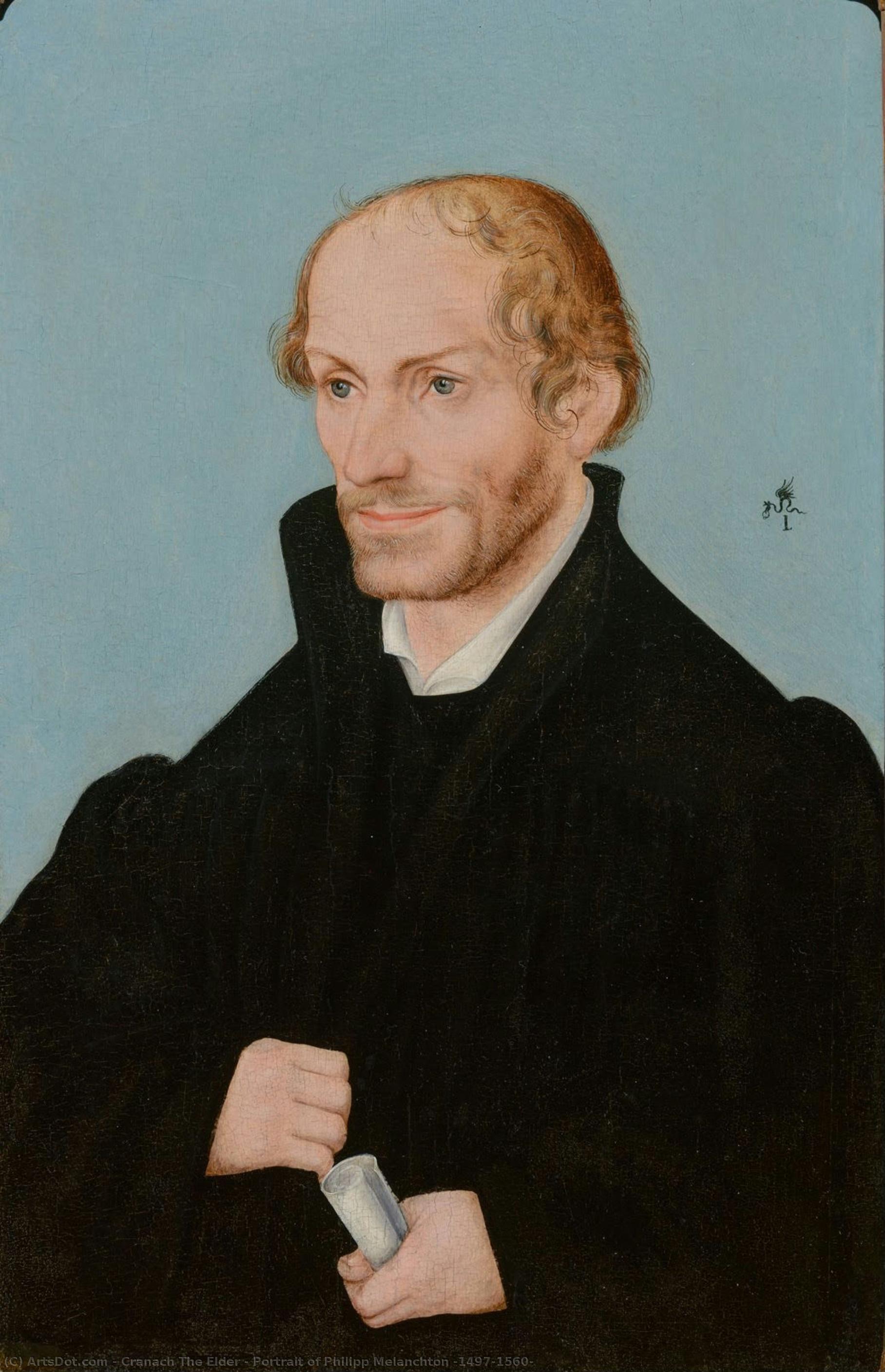
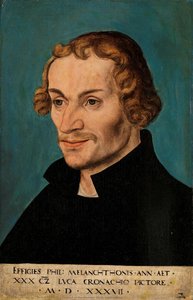
Portrait of Philipp Melanchton (1497-1560)
 Oil On Canvas
- WallArt
- Renaissance Portraiture
 1545
1545 36.0 x 23.0 cm
 Mauritshuis
 Ver más
Giclée / Impresión de arte
Impresiones giclée o en lienzo de calidad de museo con producción rápida y opciones de acabado flexibles. ( Comprar pintura hecha a mano Comprar imagen)




P118B $10

P118H $10

P118W $10

P438Z $10

P508JH $12

P508YH $12

P805H $10

P805Z $10

P919BZ $10

P919G $10

P919XJ $10

P959ZH $10

P968JZ $12

W106C $8

W218G $10

W218JH $8

W218Y $10

W307PJ $10

W316G $10

W316PJ $8

W316Y $10

W398PJ $8

W4111J $10

W500HY $15

W500JH $15

W692G $12

W849H $8

W940BG $15

W953PJ $8




Elija entre nuestros tamaños predefinidos que respetan las proporciones originales de la obra.

Puede introducir sus propias dimensiones para adaptarse a un marco o espacio específico. Si el tamaño seleccionado no coincide con las proporciones de la imagen original, recortaremos la obra de arte o extenderemos la imagen con un borde con efecto espejo o de color sólido. Se enviará una maqueta digital para su aprobación antes de que comience la producción.
Tenga en cuenta que la vista previa en pantalla no refleja el recorte o la extensión real. Solo la maqueta mostrará con precisión la composición final.
Aunque existen tamaños personalizados, recomendamos seleccionar una dimensión de la lista predefinida para preservar las proporciones originales.
Envío a todo el mundo () en 2 semanas en lugar de las 4/5 semanas estándar. (25 agosto)

Envío exprés gratuito a todo el mundo

Lienzo de lino de alta calidad

Seguro de envío total

Garantía de reembolso de impuestos aduaneros

Garantía de fidelidad cromática exacta

Política de devolución de 60 días (solo por defectos)

Garantía de devolución del 100% del dinero

Descuento por cantidad
 La opción de vidrio solo está disponible en tamaños inferiores a 110 cm.

Portrait of Philipp Melanchton (1497-1560)
Giclée / Impresión de arte
Dimensiones de la reproducción
-


Precio total final
$ 62
Descripción de la pieza
Portrait of Philipp Melanchton (1497-1560) – A Renaissance Reflection on Faith and Dignity
Lucas Cranach the Elder’s depiction of Philipp Melanchton, completed in 1545, stands as a cornerstone of German Renaissance portraiture. More than just a likeness, it embodies the humanist ideals prevalent during Luther's Reformation, capturing not merely physical appearance but also intellectual conviction and spiritual contemplation—a testament to Cranach’s masterful ability to convey inner character through visual form. The painting resides in the Kunstmuseum Basel, offering visitors an unparalleled opportunity to experience this iconic artwork firsthand.- Subject Matter & Context: Melanchton, a Lutheran theologian and humanist scholar, was Cranach's prominent patron during his formative years. Commissioned shortly after Luther’s challenge to papal authority, the portrait reflects the burgeoning spirit of reform within Wittenberg and beyond. Cranach skillfully portrays Melanchton as a figure of profound seriousness, embodying the intellectual fervor that characterized the era.
- Composition & Style: The half-length pose is typical of Renaissance portraiture, prioritizing dignity and composure. Cranach employs a balanced composition, placing Melanchton slightly off-center against a muted blue backdrop—a deliberate choice designed to minimize distraction and focus attention on the subject’s face. His style aligns with the Northern Renaissance tradition, characterized by elongated figures and delicate coloration, demonstrating Cranach's meticulous observation of anatomy and his commitment to capturing subtle nuances of expression.
- Color Palette & Technique: Cranach utilizes a restrained color palette dominated by cool blues and blacks—a palette that underscores Melanchton’s solemn demeanor. Flesh tones provide warmth against the darker robe, while hints of brown contribute textural depth. The artist employs oil paint on panel with painstaking detail, layering colors to achieve remarkable luminosity and capturing the sheen of fabric through skillful hatching techniques. This meticulous approach exemplifies Cranach's dedication to realism and elevates the portrait beyond mere representation.
- Symbolism & Emotion: The rolled paper held by Melanchton’s hand serves as a potent symbol—likely representing scholarly pursuits, theological treatises, or perhaps even the weighty responsibilities of leadership. His gaze directed slightly to the right conveys introspection and thoughtfulness, inviting viewers to contemplate the complexities of faith and intellect. Cranach's portrayal captures not only Melanchton's physical presence but also his inner spirit, conveying a sense of dignified contemplation.
- Legacy & Influence: Cranach’s Portrait of Philipp Melanchton remains an enduring symbol of Renaissance humanism and Protestant piety. It exemplifies the artistic conventions of its time while simultaneously demonstrating Cranach's unparalleled skill in capturing psychological depth—a legacy that continues to inspire artists and collectors alike.
Further Exploration: The Artistic Landscape of Reformation Wittenberg
To appreciate the significance of this artwork fully, consider examining other portraits produced during Luther’s era. Artists like Hans Holbein the Younger similarly wrestled with representing religious figures amidst a turbulent political climate. Studying these works alongside Cranach's offers invaluable insight into the artistic and intellectual currents shaping Europe in the mid-16th century—a period marked by profound spiritual upheaval and groundbreaking advancements in humanist thought. The Kunstmuseum Basel’s collection provides an exceptional resource for delving deeper into this fascinating historical context.Obras relacionadas
Biografía del artista
Lucas Cranach el Viejo: Vida y Legado
Juventud e Instrucción Temprana
- Nacido alrededor de 1472 en Kronach, Alemania, Lucas Cranach el Viejo fue una figura clave del Renacimiento alemán.
- Su padre, Hans Maler (que significa “el pintor”), proporcionó su formación artística inicial.
- Los detalles específicos de su educación temprana son algo inciertos, pero se cree que estudió con maestros del sur de Alemania y posiblemente pasó tiempo en Viena.
Carrera en la Corte Sajona
- En 1504, Cranach entró al servicio del Duque Federico III, Electror Regente de Sajonia (Federico el Sabio), marcando un punto de inflexión en su carrera.
- Se convirtió en el pintor de la corte y permaneció en esta posición durante toda su vida, creando retratos, retablos y grabados.
- Su taller prosperó, convirtiéndose en uno de los centros artísticos más productivos de Alemania.
Estilo Artístico e Influencias
- El estilo de Cranach se caracteriza por figuras elegantes y alargadas, colores delicados y una aguda habilidad observacional.
- Fue influenciado por el énfasis del Renacimiento norteño en el realismo y el detalle.
- Las obras tempranas muestran influencias del arte religioso tradicional, pero su estilo evolucionó con el tiempo.
- Su trabajo a menudo mezclaba temas mitológicos y religiosos con un sentido estético distintivo.
Obras Notables y Temas
- Pinturas notables incluyen Judit victoriosa, Venus y Cupido y La Edad de Oro.
- Producio numerosos retratos, incluyendo una serie de representaciones de Catherine Bore.
- Cranach es particularmente famoso por sus retratos de Martín Lutero, creando once imágenes sobrevivientes del reformador.
- Su trabajo a menudo exploró temas de amor, belleza, moralidad y fe religiosa.
La Reforma y el Papel de Cranach
- Cranach fue un firme partidario de la Reforma Protestante y abrazó su causa con entusiasmo.
- Utilizó su arte para promover los ideales de la Reforma, creando imágenes que desafiaban la iconografía católica tradicional.
- Su estrecha amistad con Martín Lutero influyó profundamente en su producción artística.
Legado e Importancia Histórica
- El taller de Cranach continuó produciendo obras en su estilo después de su muerte en 1553, transmitido por su hijo, Lucas Cranach el Joven.
- Se considera uno de los artistas alemanes más exitosos de su tiempo.
- Su arte proporciona valiosas ideas sobre el panorama social, religioso y político del siglo XVI.
- La influencia de Cranach se puede ver en la obra de artistas posteriores del Renacimiento y Barroco.
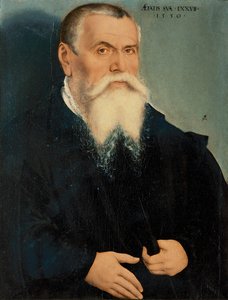
cranach el mayor
1553 , Alemania
Datos clave
- Artistic Movement Or Style: Renacimiento alemán
- Artists Or Movements Influenced By This Artist: ['Renacimiento norteño']
- Artists Who Influenced This Artist: ['Maestros del sur de Alemania']
- Date Of Birth: c. 1472
- Date Of Death: 1553
- Full Name: Lucas Cranach el Viejo
- Nationality: Alemania
- Notable Artworks:
- Judit victoriosa
- Venus y Cupido
- La Edad de Oro
- Place Of Birth: Kronach, Alemania
Artículos relacionados
Expresionismo Alemán: 10 Obras Maestras que Transformaron el Arte | ArtsDot
Descubre las 10 obras maestras del Expresionismo Alemán: Kirchner, Munch y más. Explora la historia, técnica y emoción detrás de estos lienzos icónicos. Reproducciones de arte de museo en ArtsDot.com. ¡Inspira tu hogar con arte!
The Enduring Legacy of Formal Portraiture: Power, Identity & Artistic Exploration
Explore the rich history of formal portraiture & its enduring power to capture identity and shape perception. Discover investment-worthy artworks, expert appraisals, and custom reproduction services at ArtsDot.
The Northern Awakening: Artistic Innovation & Cultural Transformation in the German Renaissance
Explore the artistic innovation of the German Renaissance! Discover Dürer, the Danube School & Reformation art. Learn about techniques, materials & lasting influence. Find museum-quality reproductions at ArtsDot.
The Grandeur of Presence: Exploring Representations of Stately Bearing in Western Portraiture
Explore the art of stately bearing in Western portraiture with expert analysis of Renaissance & Baroque masterpieces. Discover symbolism, techniques, and the legacy of iconic portraits – a guide for discerning collectors.
The Enduring Gaze: Portraiture's Historical & Psychological Evolution
Explore the rich history of portraiture with expert analysis from ArtsDot. Discover iconic Renaissance masterpieces, symbolism & techniques that shaped identity. Find museum-quality art for your collection.