 Ver en contexto
 Enviar
 Compartir
 Detalles

 Descargar
 Similares
 Radiografía
 Presentación de diapositivas
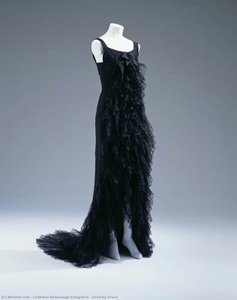
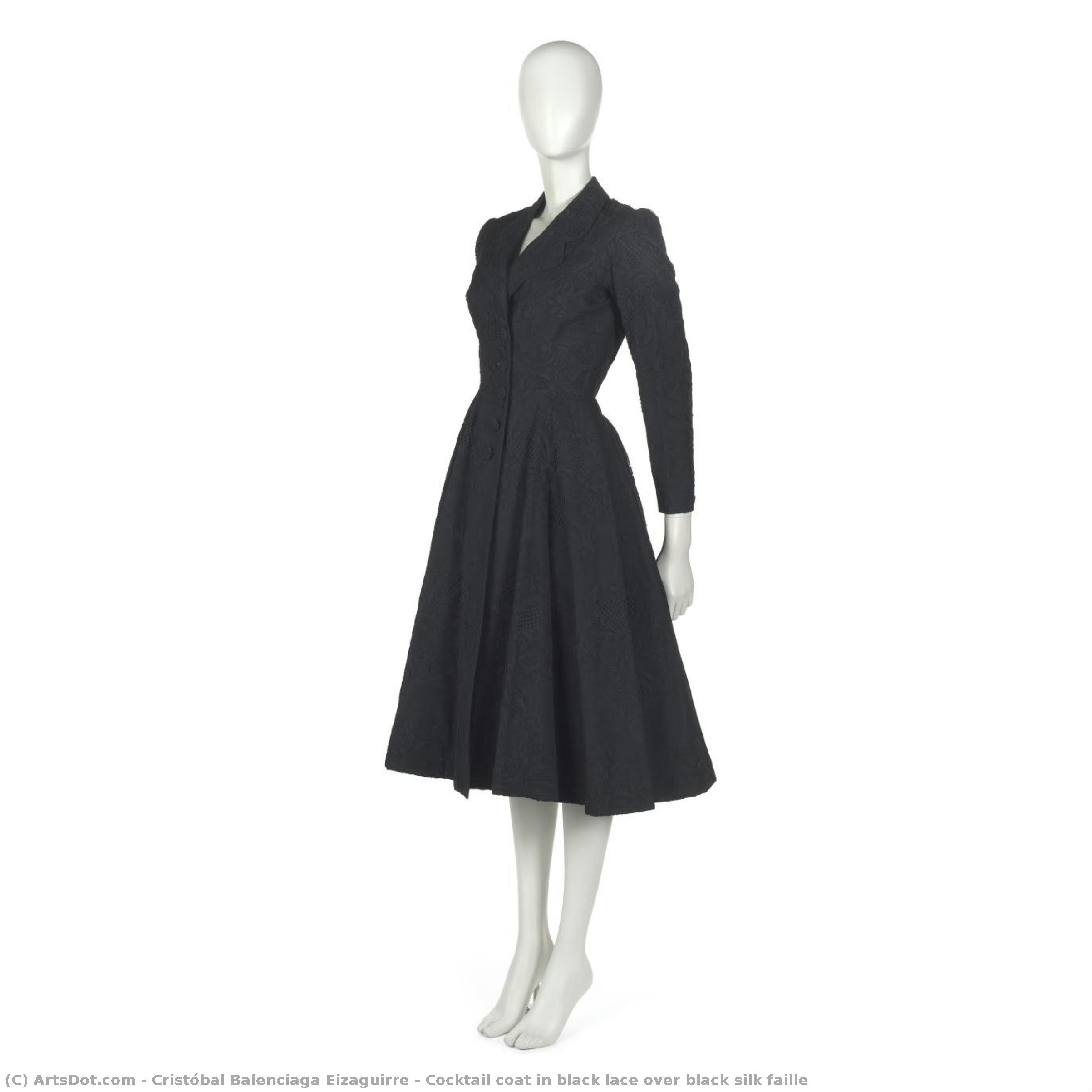
Cocktail coat in black lace over black silk faille


 Ver más
Reproducción al óleo hecha a mano
Óleo sobre lienzo pintado a mano en el tamaño y marco de su elección, realizado por encargo por nuestros artistas. ( Comprar impresión Comprar imagen)




P118B $10

P118H $10

P118W $10

P438Z $10

P508JH $12

P508YH $12

P805H $10

P805Z $10

P919BZ $10

P919G $10

P919XJ $10

P959ZH $10

P968JZ $12

W106C $8

W218G $10

W218JH $8

W218Y $10

W307PJ $10

W316G $10

W316PJ $8

W316Y $10

W398PJ $8

W4111J $10

W500HY $15

W500JH $15

W692G $12

W849H $8

W940BG $15

W953PJ $8




Elija entre nuestros tamaños predefinidos que respetan las proporciones originales de la obra.

Puede ingresar sus propias dimensiones para adaptarse a un marco o espacio específico. Si el tamaño seleccionado no coincide con las proporciones de la imagen original, recortaremos la obra o extenderemos la pintura con elementos adicionales pintados a mano. Se le enviará una maqueta digital para su aprobación antes de comenzar la producción.
Tenga en cuenta que la vista previa en pantalla no refleja el recorte o la extensión reales. Solo la maqueta mostrará con precisión la composición final.
Si bien existen tamaños personalizados, recomendamos seleccionar una dimensión de la lista predefinida para preservar las proporciones originales.
Tras realizar el pedido, el equipo de ArtsDot.com enviará un correo electrónico al cliente para solicitar instrucciones y proporcionarle una vista previa del boceto.
Envío a todo el mundo () en 3-4 semanas en lugar de las 5 semanas estándar. (25 agosto). Sin comprometer la calidad.

Envío exprés gratuito a todo el mundo

Lienzo de lino de alta calidad

Seguro de envío total

Garantía de reembolso de impuestos aduaneros

Garantía de fidelidad cromática exacta

Política de devolución de 60 días (solo por defectos)

Garantía de devolución del 100% del dinero

Descuento por cantidad
 La opción de vidrio solo está disponible en tamaños inferiores a 110 cm.

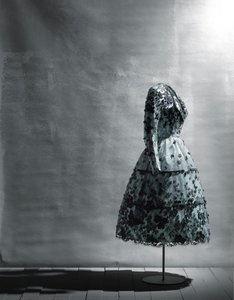
Cocktail coat in black lace over black silk faille
Técnica de reproducción
Dimensiones de la reproducción
-


Precio total final
$ 263
Descripción de la obra
The Sculptural Elegance of Cristóbal Balenciaga’s Evening Dress
Cristóbal Balenciaga, a name synonymous with revolutionary design and uncompromising artistry, possessed an unparalleled ability to distill the essence of luxury into garments that were both strikingly modern and timelessly elegant. This exquisite cocktail dress, created in 1956, exemplifies his genius – a study in controlled asymmetry, textural contrast, and profound sculptural form. More than simply a garment, it’s a miniature architectural statement, reflecting Balenciaga's fascination with the geometry of clothing and his deep understanding of how fabric could be manipulated to create an illusion of volume and movement.
The photograph captures a pivotal moment in Balenciaga’s career, a period where he was pushing the boundaries of couture. He moved beyond the traditional hourglass silhouette, embracing broader shoulders, elongated torsos, and dramatically flared skirts – elements that would become hallmarks of his signature style. This particular piece showcases those principles perfectly, with the structured bodice creating a powerful vertical line while the voluminous skirt cascades outwards in a controlled explosion of fabric. The dress isn’t about ornamentation; it's about the precise articulation of shape and form.
A Symphony of Texture: Lace and Faile
The visual drama of this dress is entirely achieved through the masterful juxtaposition of contrasting textures. A delicate, almost ethereal black lace overlay—a testament to Balenciaga’s meticulous attention to detail—is layered over a foundation of rich, heavy black silk faile. The interplay between these materials is captivating; the smooth, cool surface of the faile provides an anchor for the intricate, airy texture of the lace. This contrast isn't merely aesthetic; it speaks to a deeper tension – the juxtaposition of fragility and strength, delicacy and power.
- Black Silk Faile: This dense, tightly woven fabric lends structure and weight to the dress, creating a solid base for the lace overlay. Its sheen adds a subtle luxury, hinting at the quality of the garment.
- Black Lace: The intricate lace pattern—likely featuring a complex floral or geometric design—adds an element of romanticism and visual interest. The delicate nature of the lace is beautifully contrasted with the robustness of the faile.
Historical Context & Balenciaga’s Vision
Created in 1956, this dress emerged from a period of significant change in fashion. Post-war Europe was embracing modernity and experimentation, yet there remained a deep appreciation for classic elegance. Balenciaga skillfully navigated this tension, creating designs that were both contemporary and rooted in tradition. His work was heavily influenced by the avant-garde art movements of the time – particularly Surrealism and Cubism – evident in his unconventional silhouettes and his willingness to challenge established norms.
The photograph itself offers a glimpse into Balenciaga’s approach to documentation. It's a remarkably clean, almost clinical image, devoid of extraneous details. This deliberate simplicity allows the viewer to fully appreciate the dress’s construction and its inherent beauty. It reflects Balenciaga’s belief that the garment should speak for itself – a testament to his confidence in his designs.
Symbolism & Emotional Resonance
Beyond its technical brilliance, this cocktail dress evokes a sense of understated sophistication and timeless elegance. The monochromatic palette—a masterful use of black and white—contributes to the garment’s enduring appeal, lending it an air of mystery and intrigue. It's a piece that speaks to a certain mood – one of quiet confidence, refined taste, and a subtle appreciation for beauty. Balenciaga wasn’t simply designing clothes; he was crafting experiences, imbuing his creations with a sense of drama and emotional depth.
Obras relacionadas
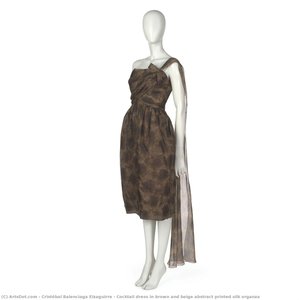
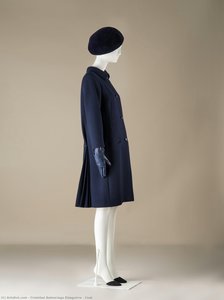
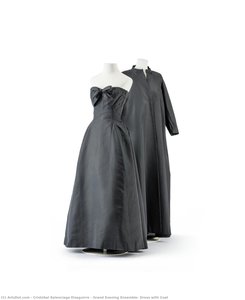
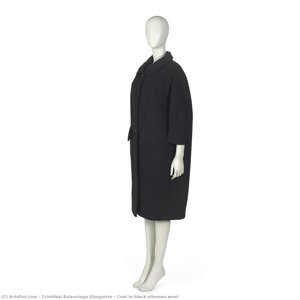
Biografía del artista
Primeros años y carrera
Cristóbal Balenciaga Eizaguirre, un renombrado diseñador de moda español, nació en 1895 en Getaria, España. Es más conocido por fundar la marca de ropa Balenciaga, que se convirtió en sinónimo de alta costura. La reputación de Balenciaga como un modisto de estándares implacables le valió el título de "el maestro de todos" por Christian Dior y "el único couturier en el verdadero sentido de la palabra" por Coco Chanel.Estilo artístico e influencias
Los diseños de Balenciaga se caracterizaron por su elegancia, simplicidad y atención al detalle. Estuvo influenciado por el movimiento artístico de vanguardia, lo que se refleja en sus audaces e innovadores diseños. Algunos de sus trabajos notables incluyen:- Estudio para 'Canción de canciones IV' (arte naïf / primitivismo), una pintura que muestra su enfoque experimental a la moda.
- Raíces de árbol (50 x 100 cm, postimpresionismo, óleo sobre lienzo), una pieza que demuestra su capacidad para capturar la esencia de la naturaleza.
- Acróbata (surrealismo, óleo sobre lienzo), una pintura que destaca su disposición a superar los límites en el mundo de la moda.
Desarrollo y logros principales
Balenciaga se formó como sastre en Getaria y Madrid antes de establecer sus propios talleres en San Sebastián. Su talento fue reconocido temprano, y rápidamente ganó fama por sus diseños innovadores y su impecable confección. En 1937, se trasladó a París, el centro mundial de la moda, donde fundó su propia casa de alta costura. Balenciaga revolucionó la silueta femenina con sus diseños vanguardistas, desafiando las convenciones tradicionales y estableciendo nuevas tendencias. Sus creaciones, como el abrigo cuadrado, el vestido bebé doll y el abrigó de saco, se convirtieron en iconos de la moda del siglo XX.Significado histórico y legado
Cristóbal Balenciaga es considerado uno de los diseñadores más importantes e influyentes de todos los tiempos. Su visión innovadora y su maestría técnica transformaron la industria de la moda y sentaron las bases para el diseño contemporáneo. Balenciaga fue un pionero en la experimentación con formas, volúmenes y materiales, y su legado continúa inspirando a diseñadores de todo el mundo. Su trabajo se celebra por su atemporalidad, elegancia y sofisticación, y su impacto en la moda es innegable. Cristóbal Balenciaga Eizaguirre permanece como una figura icónica en el mundo de la alta costura.Museos y colecciones
La obra de Balenciaga se puede encontrar en varios museos y colecciones, incluyendo:- Museo de Bellas Artes de Asturias (España), que presenta una diversa colección de arte europeo.
- Colección Andrés Blaisten (México), una colección de arte mexicana que muestra obras de arte latinoamericanas.
- El museo destruido por el incendio (Estados Unidos), un trágico evento en la historia del arte estadounidense.

Cristóbal Balenciaga Eizaguirre
1895 - 1972 , España
Datos clave
- Artistas Que Influyeron:
- Christian Dior
- Coco Chanel
- Estilo Artístico: Alta costura, vanguardia
- Fecha De Fallecimiento: 23 de marzo de 1972
- Fecha De Nacimiento: 21 de enero de 1895
- Influenciado A Artistas: ['Generaciones de diseñadores']
- Lugar De Nacimiento: Getaria, España
- Nacionalidad: Española
- Nombre Completo: Cristóbal Balenciaga Eizaguirre
- Obras Notables:
- Estudio para 'Canción de canciones'
- Raíces de árboles
- Acrobata
Artículos relacionados

Las 10 Pinturas Más Famosas Dominadas por el Negro | Arte y Decoración
Descubre las 10 pinturas más impactantes dominadas por el negro. Explora obras maestras de Rembrandt, Goya y Rothko, su historia y significado. Encuentra reproducciones de arte exclusivas para transformar tu hogar en .
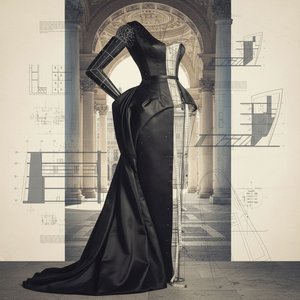
Cristóbal Balenciaga: Deconstructing Haute Couture's Architectural Legacy
Explore the revolutionary world of Cristóbal Balenciaga, the 'couturier's couturier'. Discover his architectural designs, lasting influence on haute couture, and guide to collecting rare pieces. A connoisseur’s resource.

Las 10 Obras Maestras Dominadas por el Negro Marsella: Arte y Decoración
Descubre las 10 pinturas más famosas dominadas por el negro marsella. Explora la historia, técnica y simbolismo de obras maestras del expresionismo alemán, gótico y arte moderno. Reproducciones de museos en .

Los 10 Cuadros Más Famosos Dominados por el Negro Marfil: Arte y Decoración
Descubre los 10 cuadros más impactantes dominados por el negro marfil. Explora la historia de Rembrandt, Van Gogh y otros maestros del arte clásico y moderno. Encuentra reproducciones de alta calidad para tu hogar en
Las 10 Obras Maestras del Negro Carbón: Arte, Historia y Decoración
Descubre 10 obras maestras del arte dominadas por el negro carbón. Explora la historia, técnica y significado de cuadros icónicos de artistas como Rembrandt y Goya. Encuentra reproducciones de museo en .