

 Ver en contexto
 Enviar
 Compartir
 Detalles

 Descargar
 Similares
 Radiografía
 Presentación de diapositivas
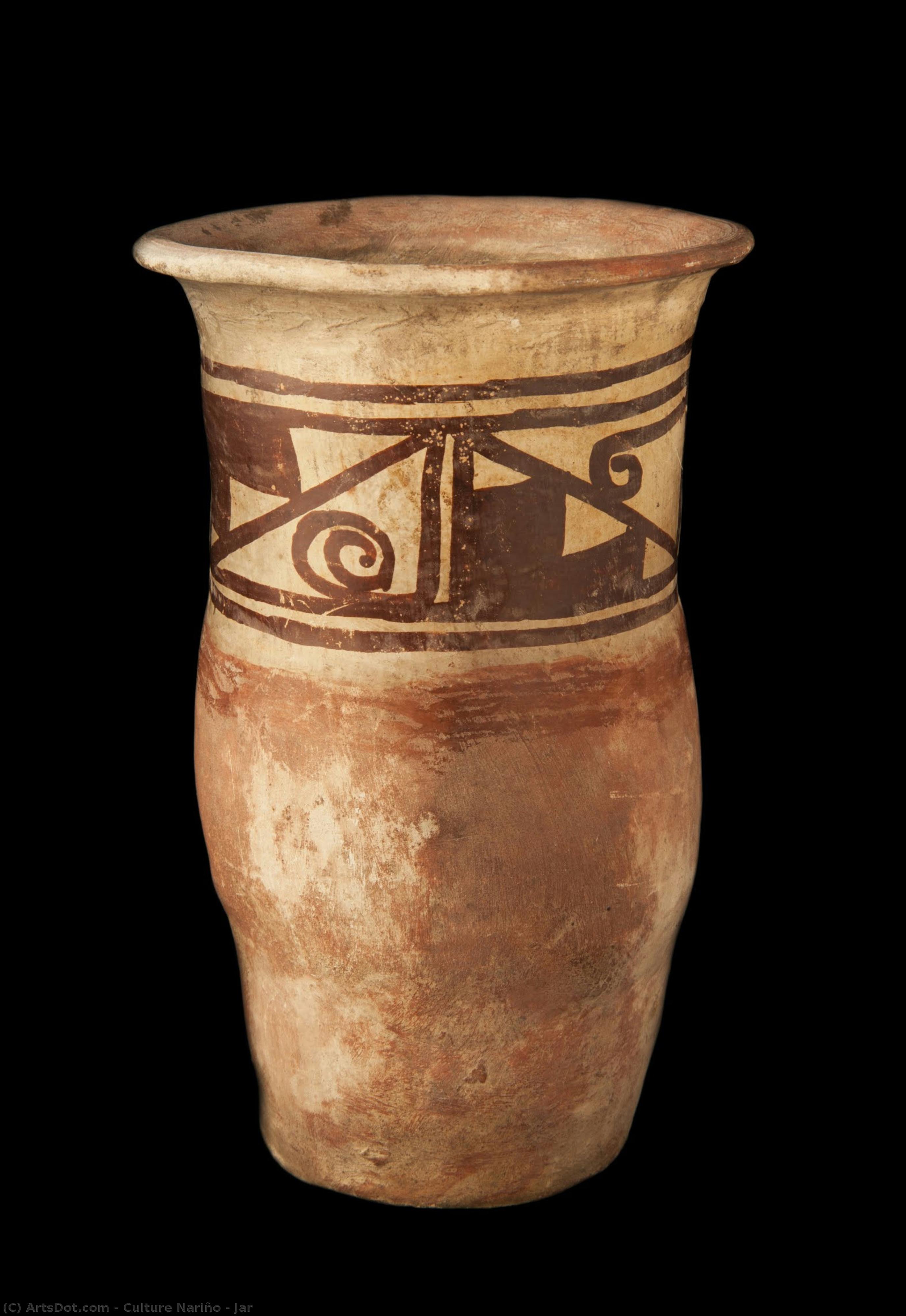
Jar

 Ver más
Reproducción al óleo hecha a mano
Óleo sobre lienzo pintado a mano en el tamaño y marco de su elección, realizado por encargo por nuestros artistas. ( Comprar impresión Comprar imagen)




































Elija entre nuestros tamaños predefinidos que respetan las proporciones originales de la obra.

Puede ingresar sus propias dimensiones para adaptarse a un marco o espacio específico. Si el tamaño seleccionado no coincide con las proporciones de la imagen original, recortaremos la obra o extenderemos la pintura con elementos adicionales pintados a mano. Se le enviará una maqueta digital para su aprobación antes de comenzar la producción.
Tenga en cuenta que la vista previa en pantalla no refleja el recorte o la extensión reales. Solo la maqueta mostrará con precisión la composición final.
Si bien existen tamaños personalizados, recomendamos seleccionar una dimensión de la lista predefinida para preservar las proporciones originales.
Tras realizar el pedido, el equipo de ArtsDot.com enviará un correo electrónico al cliente para solicitar instrucciones y proporcionarle una vista previa del boceto.
Envío a todo el mundo () en 3-4 semanas en lugar de las 5 semanas estándar. (6 septiembre). Sin comprometer la calidad.

Envío exprés gratuito a todo el mundo

Lienzo de lino de alta calidad

Seguro de envío total

Garantía de reembolso de impuestos aduaneros

Garantía de fidelidad cromática exacta

Política de devolución de 100 días (solo por defectos)

Garantía de devolución del 100% del dinero

Descuento por cantidad
 La opción de vidrio solo está disponible en tamaños inferiores a 110 cm.

Jar
Técnica de reproducción
Dimensiones de la reproducción
-


Precio total final
$ 263
Obras relacionadas










Biografía del artista
Culture Narino: Echoes of Andean Ritual and Artistic Mastery
The Culture Narino, also known as Capulí culture, stands as a remarkable testament to the artistic ingenuity and spiritual complexity of pre-Columbian Colombia. Flourishing between 700 CE and 1200 CE in the highlands of Ecuador and northern Colombia—specifically the department of Narino—this civilization captivated archaeologists with its distinctive visual language and profound connection to Andean cosmology. Unlike many contemporary cultures focused on warfare or territorial expansion, the Culture Narino prioritized ritualistic practices centered around fertility, agriculture, and ancestor veneration, reflected powerfully in their extraordinary ceramics and jewelry.Ceramic Innovation: The Black-on-Red Palette
The hallmark of Culture Narino art is undoubtedly its pottery—characterized by a striking black pigment applied to a dark red clay matrix. Geometric designs dominate the surfaces of vessels, ranging from simple rectilinear bands to intricate spirals and interlocking patterns. These motifs aren’t merely decorative; they likely held symbolic significance relating to cosmological concepts prevalent in Andean societies. Researchers believe these geometric forms represent stylized representations of mountains—a crucial element of Andean landscape and spirituality—and possibly convey narratives about creation myths or agricultural cycles. The meticulous execution demonstrates a sophisticated understanding of pigment preparation and ceramic firing techniques, placing Culture Narino artisans among the most skilled craftspeople of their time. Evidence suggests that they utilized locally sourced clays mixed with organic binders to achieve exceptional consistency and durability. Furthermore, analysis of kiln ash reveals precise temperature control—a testament to advanced technological capabilities.Sculptural Expressions: Female Figures and Coca Leaf Representations
Beyond pottery, Culture Narino artists produced impressive anthropomorphic sculptures depicting women adorned with wraps—likely symbolizing fertility and motherhood—and men wearing loincloths embellished with coca leaves. The coca leaf motif is ubiquitous throughout Culture Narino art, serving as a potent symbol of ritual importance and social status. Coca plants were cultivated for medicinal purposes and played a central role in Andean ceremonies, representing vitality, connection to the spirit world, and communion with ancestors. These sculptures offer invaluable insights into Gender roles and beliefs within this culture. The stylized poses and expressive facial features convey emotion and dynamism, showcasing remarkable sculptural skill. Artists skillfully molded clay using primitive tools—primarily wooden paddles and hammers—to achieve remarkably detailed forms. The incorporation of coca leaf fragments into sculptures underscores the significance of plant symbolism in Andean worldview.Gold Jewelry: Geometric Precision and Symbolic Resonance
Culture Narino artisans achieved unparalleled mastery in gold jewelry fabrication. Elaborate necklaces, bracelets, and pectorals are adorned with intricate geometric designs—often featuring spirals, triangles, and interlocking squares—that mirror the patterns found on pottery surfaces. The precision of craftsmanship is astounding, demonstrating a mastery of metalworking techniques that rivals those practiced by contemporaneous cultures elsewhere in the Americas. Like the pottery, these jewelry pieces likely functioned as conduits for spiritual energy and served as emblems of prestige and authority. Analysis of gold alloys reveals advanced metallurgical knowledge—a testament to Culture Narino’s technological prowess. The meticulous hammering process ensured uniformity and strength, resulting in jewelry objects that endure to this day.Legacy and Influence: Shaping Andean Traditions
The Culture Narino culture exerted a considerable influence on subsequent Andean civilizations, including the Ecuadorian Huancavilca culture and the Colombian Tayrona culture. Its distinctive artistic style persisted in later traditions, demonstrating the enduring power of cultural heritage. The meticulous attention to detail and symbolic richness of Culture Narino art continue to inspire artists and scholars today, reminding us of the profound beauty and intellectual depth achievable by societies deeply attuned to their environment and spiritual beliefs. Studying Culture Narino offers a window into the formative stages of Andean civilization—a captivating glimpse into a world where artistry served as a vehicle for conveying cosmological narratives and upholding social values. Its legacy continues to resonate in modern Andean art, highlighting the continuity between ancient traditions and contemporary creativity.
Cultura Narino
1500 , Colombia
Datos clave
- Artistic Movement Or Style: Archaeological Pottery Art
- Artists Or Movements Influenced By This Artist: ['Ecuador']
- Date Of Death: 1500
- Full Name: culture nariño
- Nationality: Colombian
- Notable Artworks: ['Jar']
- Place Of Birth: Narino, Colombia