 Ver en contexto
 Enviar
 Compartir
 Detalles

 Descargar
 Similares
 Radiografía
 Presentación de diapositivas
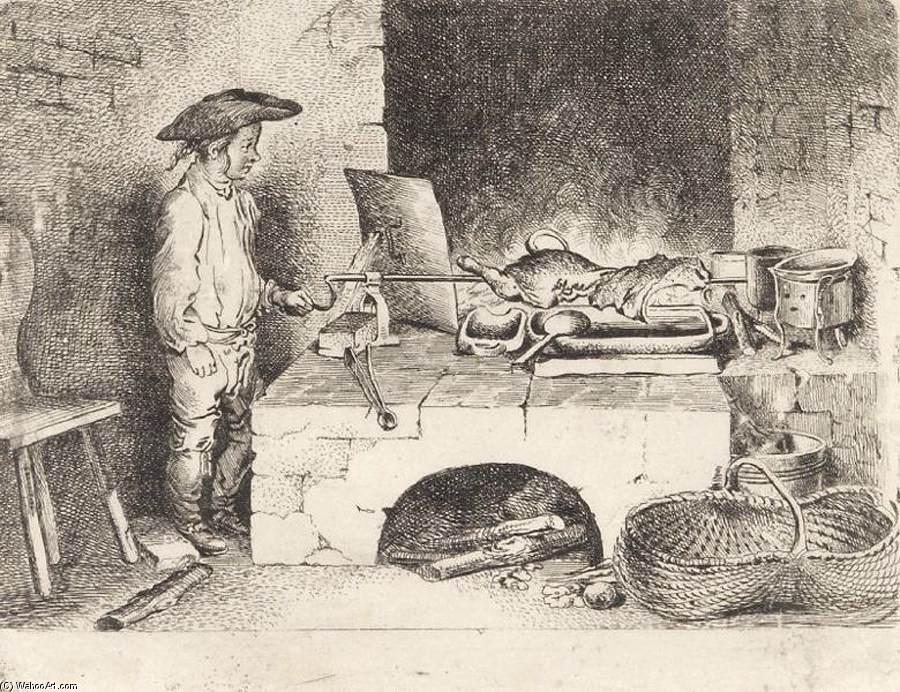
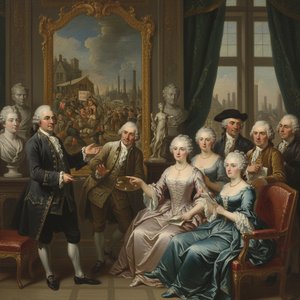
The Boy with the Sausage Spit
 Acrylic On Canvas
- WallArt
- Zopfstil Period
 1764
1764 121.0 x 152.0 cm
 Museo de Arte del Condado de Los Ángeles
 Ver más
Reproducción al óleo hecha a mano
Óleo sobre lienzo pintado a mano en el tamaño y marco de su elección, realizado por encargo por nuestros artistas. ( Comprar impresión Comprar imagen)




P118B $10

P118H $10

P118W $10

P438Z $10

P508JH $12

P508YH $12

P805H $10

P805Z $10

P919BZ $10

P919G $10

P919XJ $10

P959ZH $10

P968JZ $12

W106C $8

W218G $10

W218JH $8

W218Y $10

W307PJ $10

W316G $10

W316PJ $8

W316Y $10

W398PJ $8

W4111J $10

W500HY $15

W500JH $15

W692G $12

W849H $8

W940BG $15

W953PJ $8




Elija entre nuestros tamaños predefinidos que respetan las proporciones originales de la obra.

Puede ingresar sus propias dimensiones para adaptarse a un marco o espacio específico. Si el tamaño seleccionado no coincide con las proporciones de la imagen original, recortaremos la obra o extenderemos la pintura con elementos adicionales pintados a mano. Se le enviará una maqueta digital para su aprobación antes de comenzar la producción.
Tenga en cuenta que la vista previa en pantalla no refleja el recorte o la extensión reales. Solo la maqueta mostrará con precisión la composición final.
Si bien existen tamaños personalizados, recomendamos seleccionar una dimensión de la lista predefinida para preservar las proporciones originales.
Tras realizar el pedido, el equipo de ArtsDot.com enviará un correo electrónico al cliente para solicitar instrucciones y proporcionarle una vista previa del boceto.
Envío a todo el mundo () en 3-4 semanas en lugar de las 5 semanas estándar. (25 agosto). Sin comprometer la calidad.

Envío exprés gratuito a todo el mundo

Lienzo de lino de alta calidad

Seguro de envío total

Garantía de reembolso de impuestos aduaneros

Garantía de fidelidad cromática exacta

Política de devolución de 60 días (solo por defectos)

Garantía de devolución del 100% del dinero

Descuento por cantidad
 La opción de vidrio solo está disponible en tamaños inferiores a 110 cm.

The Boy with the Sausage Spit
Técnica de reproducción
Dimensiones de la reproducción
-


Precio total final
$ 263
Descripción de la obra
The Boy with the Sausage Spit: A Window into 18th Century Life
Daniel Nikolaus Chodowiecki’s “The Boy with the Sausage Spit” is more than just an etching; it's a meticulously rendered snapshot of everyday life in 18th-century Germany. Created in 1764, this remarkable work, currently residing within the Los Angeles County Museum of Art, offers a poignant glimpse into the routines and customs of a bygone era. Measuring a substantial 121 x 152 cm, the print immediately draws the viewer in with its stark contrasts of light and shadow, a hallmark of Chodowiecki’s signature style – a technique he termed “Zopfstil,” or “braid style,” referencing the intricate interwoven lines that define his prints.
At first glance, the scene appears simple: a young boy, dressed in the modest attire of the period, diligently prepares food beside a weathered stone oven. He holds a sausage spit with focused attention, suggesting a task both familiar and vital to his family’s sustenance. However, upon closer inspection, the etching reveals a wealth of subtle details that elevate it beyond mere documentation. The brick floor beneath the boy's feet, the rough texture of the oven, even the folds in his simple clothing – all are rendered with an astonishing level of precision, showcasing Chodowiecki’s mastery of etching and his keen eye for capturing the nuances of ordinary life.
The Artist and His Technique
Daniel Nikolaus Chodowiecki was a pivotal figure in the development of German graphic art. Born in Danzig (Gdansk) in 1726, he inherited a rich artistic lineage from his Huguenot ancestry, tracing back to the 16th century. His father, a tradesman, and his mother, a Swiss refugee, instilled in him a deep appreciation for craftsmanship and observation. Chodowiecki’s career spanned decades, during which he produced over 2,000 prints, establishing himself as a leading etcher of his time. “The Boy with the Sausage Spit” exemplifies his distinctive approach – a deliberate blending of realism and artistic license. He wasn't simply aiming to reproduce reality; he sought to capture its essence, imbuing each print with a sense of atmosphere and emotion.
Chodowiecki’s use of fine lines and delicate shading is particularly noteworthy. He employed a meticulous process, building up layers of tone through countless passes with his etching needle, creating a remarkable depth and texture that brings the scene to life. The subtle gradations of light and shadow not only define the forms but also evoke a sense of warmth and intimacy, drawing the viewer into the boy’s world. His innovative “remarque” technique – incorporating small, often whimsical sketches within the main image – adds an element of playful surprise and further demonstrates his artistic ingenuity.
A Historical Portrait
Beyond its aesthetic qualities, "The Boy with the Sausage Spit" holds significant historical value. It provides a rare and intimate glimpse into the daily lives of people in 18th-century Germany – a period marked by social change, economic growth, and burgeoning artistic expression. The scene depicted is remarkably commonplace: a young boy assisting with household chores, preparing food for his family. Yet, through Chodowiecki’s skilled rendering, this simple act becomes imbued with meaning, offering insights into the values, customs, and challenges of the time.
The presence of the stone oven, a central element in the composition, speaks to the importance of hearth and home in 18th-century society. Food preparation was not merely a practical necessity but also a social ritual, a means of connecting with family and community. Furthermore, the etching’s focus on a young boy highlights the role of youth in shaping the future – a theme that resonates across cultures and throughout history.
Symbolism and Emotional Resonance
While seemingly straightforward, “The Boy with the Sausage Spit” is rich in symbolic meaning. The boy himself represents innocence, diligence, and the promise of adulthood. His focused attention on his task suggests a sense of responsibility and commitment – qualities valued by society at the time. The simple act of preparing food becomes a metaphor for nurturing, sustenance, and the continuity of life.
Moreover, the etching’s muted palette and subdued lighting evoke a feeling of quiet contemplation. It's not a scene of grand drama or heroic action; rather, it is a moment of ordinary beauty – a testament to the dignity and value of everyday existence. “The Boy with the Sausage Spit” invites us to pause, reflect, and appreciate the simple pleasures that often go unnoticed in our own lives.
Obras relacionadas

Biografía del artista
El eco parisino en Berlín: La vida de Daniel Nikolaus Chodowiecki
Daniel Nikolaus Chodowiecki permanece como una figura fascinante en la encrucijada entre la herencia polaca y la vida artística alemana. Nacido en Danzig (Gdańsk) en 1726, sus primeros años estuvieron impregnados de una cultura que informaría para siempre su mirada sensible. Aunque sus raíces se remontan a generaciones de artesanos y una ascendencia hugonote, fue Berlín lo que finalmente se convirtió en el crisol de su genio. Su viaje hacia esta capital prusiana se relata con una irónica autoconciencia, un detalle que incluso se observa en cartas que sugieren la presencia de un "verdadero polaco" trasplantado al suelo alemán.
Su formación artística comenzó tras mudarse a Berlín a la edad de dieciséis años, donde quedó bajo la tutela de un tío que le proporcionó una enseñanza crucial. Esta base temprana permitió que su talento floreciera, llevándolo eventualmente a convertirse en un miembro reconocido y, más tarde, vic director de la prestigiosa Academia de las Artes de Berlín. Su vida fue una de constante ascenso profesional, marcada por la dedicación al oficio y un compromiso inquebrantable con la comunidad artística.
Maestría en el grabado: Capturando el alma burguesa
Si bien la producción de Chodowiecki abarcó pinturas y dibujos, son sus grabados los que aseguran su lugar en la historia del arte. No fue simplemente un pintor; fue, quizás, el artista gráfico alemán más celebrado de su época. Sus miles de delicadas estampas sirven como un diario visual sin parangón de finales del siglo XVIII. Estas obras poseen una intimidad extraordinaria, permitiéndonos asomarnos a los ritremos cotidianos y a los dramas silenciosos de la burguesía emergente durante el periodo conocido como Zopfstil, una estética de transición atrapada entre el florecimiento del Rococó y la estructura naciente del Clasicismo.
Sus ilustraciones para libros son particularmente notables, abarcando casi todos los grandes clásicos literarios. A través de estas representaciones detalladas, Chodowiecki logró una capacidad asombrosa para capturar no solo escenas, sino sensibilidades enteras. Su arte habla elocuentemente del culto a la sensibilidad que permeaba la época, fusionando la observación meticulosa con una profunda resonancia emocional.
Significado histórico y legado artístico
La importancia de Chodowiecki se extiende más allá de la mera habilidad técnica; es un cronista de una era sometida a una transformación profunda. Sus grabados ofrecen vislumbres invaluables de la vida de la clase media, el verdadero pilar de la sociedad representada. Son registros de modales, moda y vida doméstica que, de otro modo, podrían haberse perdido en el tiempo.
Al convertirse en director de la Academia de las Artes de Berlín en 1797, consolidó su papel como un pilar institucional. Su obra encarna así una confluencia de historia personal —los ecos de la identidad polaca dentro del mecenazgo artístico alemán— y un profundo compromiso con las corrientes culturales que barrían Europa. Estudiar a Chodowiecki es estudiar el delicado equilibrio entre la vida privada y el arte público, plasmado con la precisión de la aguja de un grabador.
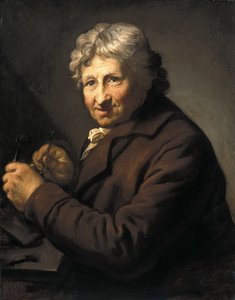
Daniel Nikolaus Chodowiecki
1726 - 1801 , Polonia
Datos clave
- Fecha De Fallecimiento: 1801
- Fecha De Nacimiento: 1726
- Lugar De Nacimiento: Danzig, Polonia
- Movimiento O Estilo Artístico: Zopfstil
- Nacionalidad: Polaco-alemán
- Nombre Completo: Daniel Nikolaus Chodowiecki
- Obras Notables:
- Aguafuertes
- Ilustraciones de libros
Artículos relacionados
Las 10 Grabados Legendarios que Revolucionaron el Arte | ArtsDot
Descubre los 10 grabados legendarios que transformaron la historia del arte. Explora las obras maestras de Rembrandt, Goya y Dürer. Encuentra reproducciones de alta calidad e inspírate para decorar tu hogar con arte clásico en ArtsDot.com.

El Aguafuerte: Un Recorrido Histórico por su Técnica, Cualidades Estéticas y Significado Duradero
Descubre la fascinante historia y técnica del aguafuerte. Explora su evolución artística, los maestros que lo dominaron y sus cualidades estéticas únicas. Guía experta para amantes del arte.
The Intricate World of Etching: A Historical Survey of Technique, Aesthetic Evolution, and Enduring Artistic Impact
Explore the rich history of etching, from its origins to modern practice. Discover techniques, key artists like Rembrandt, and insights for collectors. A comprehensive guide by ArtsDot.
El Siglo XVIII en el Arte: 10 Obras Maestras para Decorar con Historia y Elegancia
Descubre 10 obras maestras del siglo XVIII: Goya, Fragonard y más. Explora la historia, el arte barroco, rococó y neoclasicismo que inspiran decoración elegante. Reproducciones de alta calidad en ArtsDot.com.
Reflections of an Age: Social Commentary & Artistic Representation in 18th-Century Society
Explore the social commentary & artistic representation of 18th-century society. Discover Rococo masterpieces, portraiture's power, and shifting historical perspectives. Expert insights for art lovers.