

 Ver en contexto
 Enviar
 Compartir
 Detalles

 Descargar
 Similares
 Radiografía
 Presentación de diapositivas
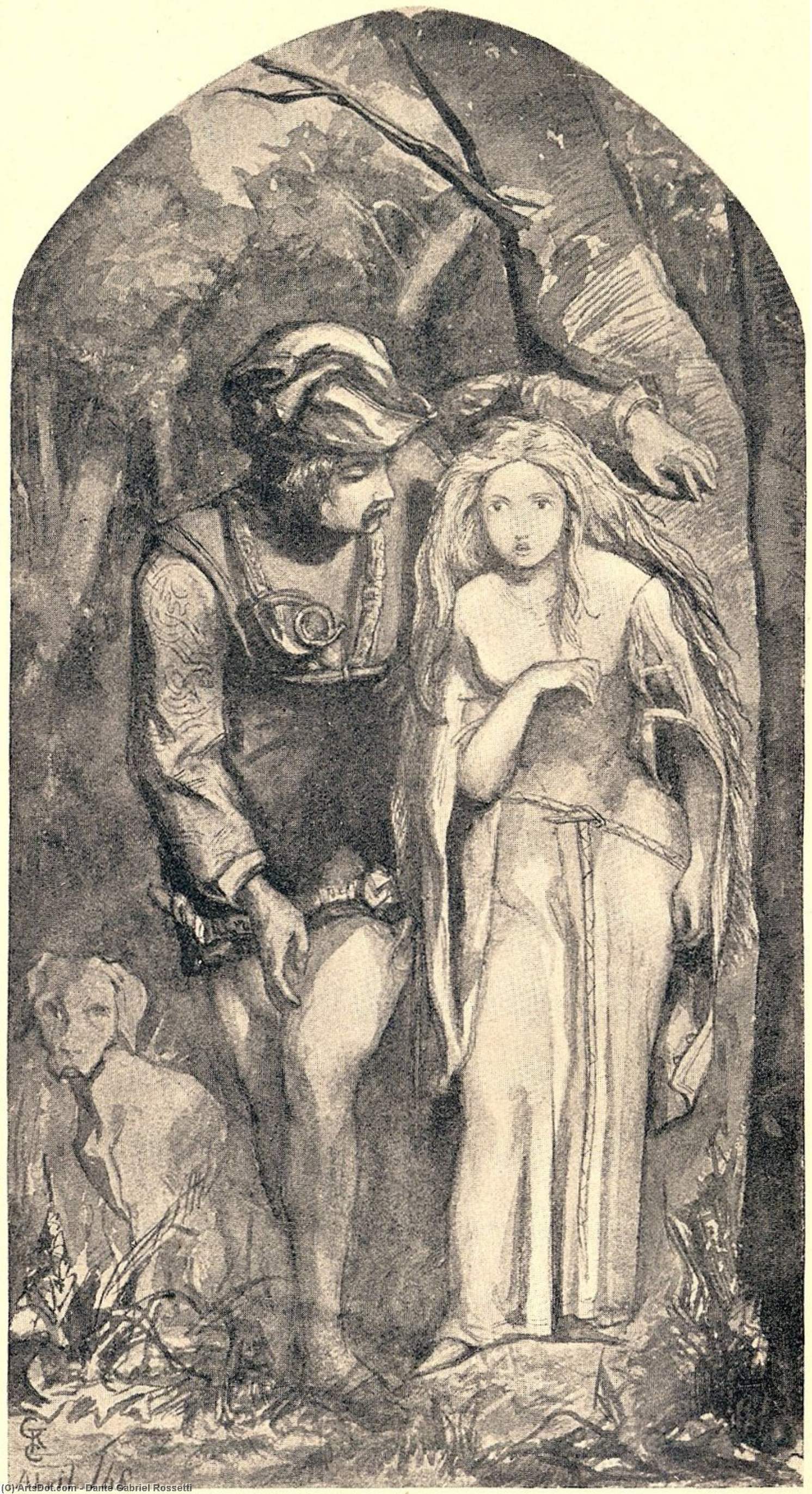
La bella dama sin bienes


 Ver más
Adquiera una imagen digital de alta resolución y optimizada, muy superior a la vista previa en línea.
Cada archivo es preparado meticulosamente por nuestros especialistas internos mediante el uso de herramientas avanzadas y un experto retoque manual. Nos aseguramos de que cada imagen posea una claridad excepcional, una precisión cromática impecable y un detalle minucioso.
El archivo final se entrega por correo electrónico en un plazo de 72 horas, optimizado para su uso inmediato en entornos profesionales, editoriales y de impresión. Esta es la misma calidad en la que confían los estudios de diseño, las editoriales y las galerías de primer nivel.
Imagen Digital
Descarga un archivo de alta resolución para exhibición personal, impresión y proyectos creativos. ( Comprar impresión Comprar pintura hecha a mano)
Incluido en cada pedido de imágenes digitales
Entrega digital experta, garantizada.
Al elegir ArtsDot.com, no solo está adquiriendo una imagen; está recibiendo una obra de arte digital mejorada profesionalmente, elaborada con precisión y respaldada por una garantía de satisfacción. Esto es todo lo que incluye su pedido, automáticamente:

Entrega rápida por email
Recibirá su archivo de imagen digital en alta resolución por correo electrónico en un plazo de 72 horas tras realizar su pedido, listo para su uso inmediato.

Archivo digital optimizado por IA
Su obra de arte se optimiza profesionalmente mediante herramientas avanzadas de IA y edición manual, garantizando el máximo detalle, claridad y precisión cromática.

Reenvío gratuito de por vida
¿Has borrado o perdido tu archivo por error? No te preocupes: te lo volveremos a enviar en cualquier momento, sin coste adicional.

Sin gastos de importación, siempre
Disfrute de su obra de arte al instante sin aduanas, aranceles ni gastos de envío; las descargas digitales siempre están libres de impuestos.

Garantía de fidelidad de color
Garantizamos que su imagen digital refleje los colores originales con la mayor fidelidad posible, mediante el uso de herramientas profesionales y gestión del color.

Garantía de satisfacción de 60 días
Si no está satisfecho con su imagen digital, la revisaremos o le reembolsaremos el 100% en un plazo de 60 días, sin preguntas.

100% Garantía de devolución de dinero
¿No está satisfecho? Obtenga un reembolso completo dentro de los 60 días posteriores a la recepción de su archivo digital, sin necesidad de explicaciones.

Descuentos por pedidos grandes
Compra 3 imágenes, ahorra 10% - Compra 5, ahorra 15% - Compra 10+, ahorra 20%. Ideal para proyectos creativos, galerías y agencias.
A Portrait of Quiet Contemplation: Dante Gabriel Rossetti’s “The Beautiful Lady Without Goods”
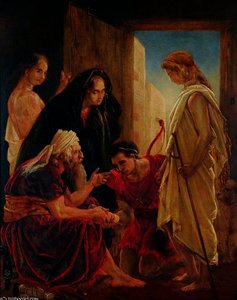
Dante Gabriel Rossetti's "The Beautiful Lady Without Goods," painted in 1848, is more than a simple depiction of two figures; it’s a poignant exploration of beauty, melancholy, and the quiet dignity of observation. This captivating work, rendered in the signature Pre-Raphaelite style, invites viewers into a world steeped in symbolism and emotional resonance. The painting presents a woman, her long hair cascading down her shoulders, engaged in conversation with a man clad in armor – a striking juxtaposition that immediately draws the eye and sparks curiosity. The setting is deliberately ambiguous; a tree dominates the background, its branches reaching upwards like silent witnesses to this intimate exchange. It’s not a scene of bustling activity or dramatic action, but rather one of profound stillness, suggesting a moment suspended in time.
Rossetti's Pre-Raphaelite aesthetic is immediately apparent. The palette is rich and luminous, dominated by deep reds, blues, and greens – colors often associated with medieval art and religious iconography. The brushwork is meticulous and detailed, capturing the textures of fabric, armor, and hair with remarkable precision. Notice how Rossetti employs sfumato—a subtle blurring of lines and edges—to create a sense of atmospheric depth and to soften the figures’ features, lending them an almost ethereal quality. The lighting is carefully considered, casting gentle shadows that enhance the mood of introspection and mystery.
The Figures: Symbolism and Narrative
The identity of the individuals depicted remains deliberately obscured, adding to the painting's enigmatic allure. The woman, often interpreted as a representation of idealized beauty—a nod to classical sculpture and medieval depictions of Mary Magdalene – appears lost in thought, her gaze directed outwards, perhaps contemplating something beyond the immediate scene. The man in armor, while embodying strength and protection, seems equally absorbed in his conversation, suggesting a shared intellectual pursuit or a moment of quiet understanding. The absence of any overt narrative—no objects, no gestures indicating a specific event—forces the viewer to actively engage with the painting, constructing their own interpretation of the scene.
Crucially, the title itself – “The Beautiful Lady Without Goods” – is laden with symbolic weight. It’s a direct reference to a passage from Dante's *Divine Comedy*, specifically Canto V of *Inferno*. In this context, it refers to Beatrice, a symbol of grace and virtue, who is stripped of her earthly possessions before ascending to heaven. This suggests that true beauty lies not in material wealth or worldly achievements, but in inner qualities such as wisdom, compassion, and spiritual devotion. The “goods” she lacks are those of the flesh, replaced by a higher understanding.
Historical Context: Pre-Raphaelitism and Aestheticism
“The Beautiful Lady Without Goods” was created during a pivotal moment in British art history – the rise of the Pre-Raphaelite Brotherhood. Founded in 1848 by Rossetti, William Holman Hunt, and John Everett Millais, the Brotherhood sought to revive the artistic principles of the early Italian Renaissance, rejecting the academic conventions that had dominated English painting since the time of Sir Joshua Reynolds. They championed a return to vibrant colors, detailed realism, and a fascination with medieval and literary themes. Rossetti’s work exemplifies these ideals, drawing inspiration from Dante's poetry, Arthurian legends, and the works of William Blake.
Furthermore, the painting reflects the broader cultural currents of the Victorian era – a period marked by both rapid industrialization and a growing interest in spirituality and beauty. The Pre-Raphaelites’ emphasis on emotional intensity and symbolic representation resonated with a public increasingly disillusioned with the superficiality of modern life. Rossetti's work aligns with the burgeoning Aesthetic movement, which prioritized art for its own sake, valuing beauty and sensory experience above all else.
Emotional Resonance: A Moment of Quiet Reflection
Ultimately, “The Beautiful Lady Without Goods” is a profoundly moving painting that captures a fleeting moment of quiet contemplation. It’s not a grand or dramatic scene, but rather one of subtle intimacy and unspoken understanding. The figures' expressions are enigmatic, inviting viewers to project their own emotions and interpretations onto the canvas. The painting’s enduring appeal lies in its ability to evoke a sense of melancholy, beauty, and the timeless search for meaning – qualities that continue to resonate with audiences today. A reproduction of this work offers a window into Rossetti's artistic vision and a chance to experience the power of Pre-Raphaelite symbolism.
Obras relacionadas
Biografía del artista
**vida temprana e influencias**
Dante Gabriele Rossetti, un poeta, ilustrador, pintor, traductor y miembro de la ilustre familia Rossetti, nació el 12 de mayo de 1828 en Londres. Su vida temprana estuvo marcada por un profundo interés en el arte italiano medieval y las obras de Shakespeare, Dickens, Sir Walter Scott y Lord Byron.**el hermano mayor prerrafaelita**
En 1848, Rossetti cofundó el hermano mayor prerrafaelita junto con William Holman Hunt y John Everett Millais. Este movimiento buscaba reformar el arte inglés rechazando el enfoque mecánico del manierismo y abrazando los abundantes detalles e intensos colores del arte italiano y flamenco del Quattrocento.**estilo artístico y obras notables**
El arte de Rossetti se caracteriza por su sensualidad y revivalismo medieval. Su poesía temprana fue influenciada por John Keats y William Blake, mientras que su obra posterior mostró una compleja interconexión de pensamiento y sentimiento, como se ve en su secuencia de sonetos La casa de la vida. Obras notables incluyen:- Proserpina (1870), una pintura que muestra el uso de simbolismo y sensualidad de Rossetti.
- ¡Behold the Handmaid of the Lord! (La anunciación), una pieza que demuestra su capacidad para combinar poesía e imagen.
- Retrato de Aflaia Coronio, un retrato que destaca la habilidad de Rossetti para capturar la esencia de sus sujetos.
**legado e influencia**
El trabajo de Rossetti influyó en la próxima generación de artistas y escritores, incluidos William Morris y Edward Burne-Jones. Su arte también tuvo un impacto significativo en los simbolistas europeos y el movimiento estético. **Visualiza las obras de arte de Rossetti en ArtsDot:** [https://ArtsDot.com/@/dante-gabriele-rossetti](https://ArtsDot.com/@/dante-gabriele-rossetti) | 122 obras de arte **Explora la filosofía del hermano mayor prerrafaelita en ArtsDot:** /es/art/show/art-d3arwx-es/ **Aprende más sobre la vida y obra de Rossetti en Wikipedia:** [https://en.wikipedia.org/wiki/dante_gabriel_rossetti](https://en.wikipedia.org/wiki/dante_gabriel_rossetti)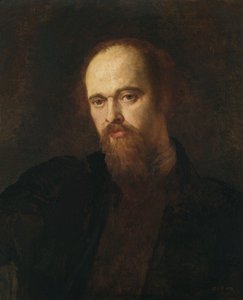
Dante Gabriel Rossetti
1828 - 1882 , Reino Unido
Breves datos
- Artistas Influenciados:
- William Morris
- Edward Burne-Jones
- Artistas Que Influyeron:
- John Keats
- William Blake
- Shakespeare
- Dickens
- Fecha De Nacimiento: 12 de mayo de 1828
- Lugar De Nacimiento: Londres, Reino Unido
- Movimiento Artístico: Pre-Rafaelita
- Nacionalidad: Británico
- Nombre Completo: Dante Gabriel Rossetti
- Obras Notables:
- Proserpina
- La anunciación
- Retrato de Aflaia Coronio
- La Casa de la Vida

