 Ver en contexto
 Enviar
 Compartir
 Detalles

 Descargar
 Similares
 Radiografía
 Presentación de diapositivas
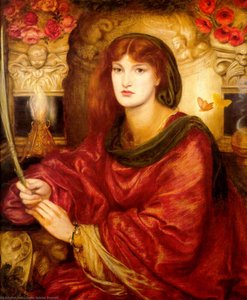
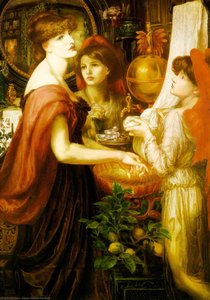
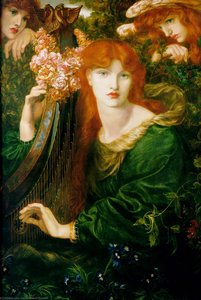
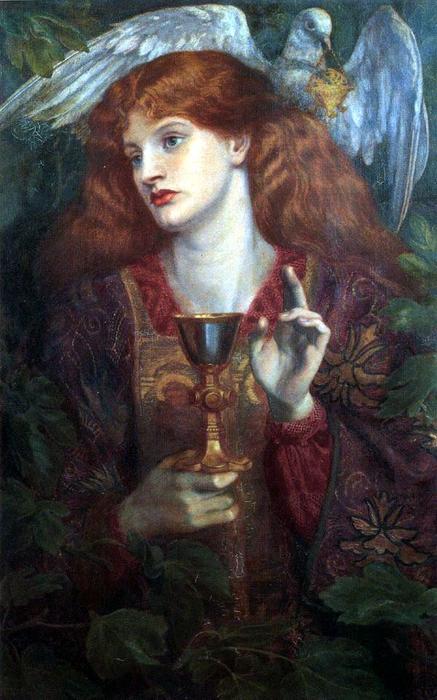
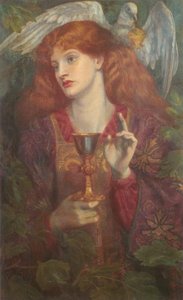
The Damsel of the Sanct Grael or Holy Grail


 Ver más
Giclée / Impresión de arte
Impresiones giclée o en lienzo de calidad de museo con producción rápida y opciones de acabado flexibles. ( Comprar pintura hecha a mano Comprar imagen)




P118B $10

P118H $10

P118W $10

P438Z $10

P508JH $12

P508YH $12

P805H $10

P805Z $10

P919BZ $10

P919G $10

P919XJ $10

P959ZH $10

P968JZ $12

W106C $8

W218G $10

W218JH $8

W218Y $10

W307PJ $10

W316G $10

W316PJ $8

W316Y $10

W398PJ $8

W4111J $10

W500HY $15

W500JH $15

W692G $12

W849H $8

W940BG $15

W953PJ $8




Elija entre nuestros tamaños predefinidos que respetan las proporciones originales de la obra.

Puede introducir sus propias dimensiones para adaptarse a un marco o espacio específico. Si el tamaño seleccionado no coincide con las proporciones de la imagen original, recortaremos la obra de arte o extenderemos la imagen con un borde con efecto espejo o de color sólido. Se enviará una maqueta digital para su aprobación antes de que comience la producción.
Tenga en cuenta que la vista previa en pantalla no refleja el recorte o la extensión real. Solo la maqueta mostrará con precisión la composición final.
Aunque existen tamaños personalizados, recomendamos seleccionar una dimensión de la lista predefinida para preservar las proporciones originales.
Envío a todo el mundo () en 2 semanas en lugar de las 4/5 semanas estándar. (6 septiembre)

Envío exprés gratuito a todo el mundo

Lienzo de lino de alta calidad

Seguro de envío total

Garantía de reembolso de impuestos aduaneros

Garantía de fidelidad cromática exacta

Política de devolución de 100 días (solo por defectos)

Garantía de devolución del 100% del dinero

Descuento por cantidad
 La opción de vidrio solo está disponible en tamaños inferiores a 110 cm.

The Damsel of the Sanct Grael or Holy Grail
Giclée / Impresión de arte
Dimensiones de la reproducción
-


Precio total final
$ 62
A Vision of Grace: Rossetti's "The Damsel of the Sanct Grael"
Dante Gabriel Rossetti’s “The Damsel of the Sanct Grael,” painted in 1874, is more than a simple depiction of a woman holding a cup; it’s an immersion into the heart of Victorian Romanticism and a testament to Rossetti's profound understanding of beauty, symbolism, and the human condition. This captivating work, imbued with the spirit of Dante Alighieri – a direct influence on Rossetti through his father’s scholarly pursuits – invites viewers into a world where earthly desires intertwine with spiritual contemplation.
- Subject & Narrative: The central figure, a young woman presented as “The Damsel,” embodies an almost ethereal quality. Her pose, deliberately poised and contemplative, suggests a moment of profound decision or revelation. The cup she holds – a symbol of both earthly pleasure and divine grace – becomes the focal point of her attention, hinting at a quest for meaning or perhaps a temptation to be resisted.
- Style & Technique: Rossetti’s style is immediately recognizable through his masterful use of color and texture. He employs a palette dominated by rich, jewel tones—deep reds, blues, and greens—creating an atmosphere of luxurious intimacy. The brushwork is loose and fluid, characteristic of the Pre-Raphaelite movement, emphasizing the softness of skin, the shimmer of fabric, and the delicate details of the surrounding foliage.
Pre-Raphaelitism: A Return to Ideal Beauty
“The Damsel of the Sanct Grael” firmly places itself within the context of Pre-Raphaelite art – a movement that reacted against the perceived artificiality and academic conventions of Italian Renaissance painting. The Pre-Raphaelites, including Rossetti, sought inspiration in the art of the early masters, particularly those predating Raphael, valuing sincerity, emotional intensity, and meticulous detail. This is evident in the incredibly realistic rendering of the woman’s features, the intricate patterns of her dress, and the lush, almost hallucinatory quality of the natural setting.
- Symbolism: The painting is rich with symbolic meaning. The birds, often associated with spirituality and messengers of divine will, add to the work's contemplative mood. The greenery surrounding the figure represents fertility, growth, and the connection between the earthly and spiritual realms.
- Literary Roots: Rossetti’s choice of subject matter – a scene from Dante’s *La Vita Nuova* – demonstrates his deep engagement with literature and his desire to translate poetic ideas into visual form. The title itself references a key episode in the poem, further enriching the work's narrative depth.
Emotional Resonance & Historical Context
Painted in 1874, “The Damsel of the Sanct Grael” reflects the anxieties and aspirations of Victorian England. The era was marked by rapid industrialization, social upheaval, and a growing interest in spirituality and mysticism. Rossetti’s work taps into this yearning for beauty and meaning amidst a rapidly changing world. His focus on female subjects – often idealized and presented as symbols of innocence and virtue – speaks to the Victorian fascination with femininity and its role within society.
- Rossetti's Legacy: Rossetti’s influence extends far beyond his own time. His work continues to inspire artists and designers today, demonstrating the enduring power of beauty, symbolism, and emotional expression.
Obras relacionadas
Biografía del artista
**vida temprana e influencias**
Dante Gabriele Rossetti, un poeta, ilustrador, pintor, traductor y miembro de la ilustre familia Rossetti, nació el 12 de mayo de 1828 en Londres. Su vida temprana estuvo marcada por un profundo interés en el arte italiano medieval y las obras de Shakespeare, Dickens, Sir Walter Scott y Lord Byron.**el hermano mayor prerrafaelita**
En 1848, Rossetti cofundó el hermano mayor prerrafaelita junto con William Holman Hunt y John Everett Millais. Este movimiento buscaba reformar el arte inglés rechazando el enfoque mecánico del manierismo y abrazando los abundantes detalles e intensos colores del arte italiano y flamenco del Quattrocento.**estilo artístico y obras notables**
El arte de Rossetti se caracteriza por su sensualidad y revivalismo medieval. Su poesía temprana fue influenciada por John Keats y William Blake, mientras que su obra posterior mostró una compleja interconexión de pensamiento y sentimiento, como se ve en su secuencia de sonetos La casa de la vida. Obras notables incluyen:- Proserpina (1870), una pintura que muestra el uso de simbolismo y sensualidad de Rossetti.
- ¡Behold the Handmaid of the Lord! (La anunciación), una pieza que demuestra su capacidad para combinar poesía e imagen.
- Retrato de Aflaia Coronio, un retrato que destaca la habilidad de Rossetti para capturar la esencia de sus sujetos.
**legado e influencia**
El trabajo de Rossetti influyó en la próxima generación de artistas y escritores, incluidos William Morris y Edward Burne-Jones. Su arte también tuvo un impacto significativo en los simbolistas europeos y el movimiento estético. **Visualiza las obras de arte de Rossetti en ArtsDot:** [https://ArtsDot.com/@/dante-gabriele-rossetti](https://ArtsDot.com/@/dante-gabriele-rossetti) | 122 obras de arte **Explora la filosofía del hermano mayor prerrafaelita en ArtsDot:** /es/art/show/art-d3arwx-es/ **Aprende más sobre la vida y obra de Rossetti en Wikipedia:** [https://en.wikipedia.org/wiki/dante_gabriel_rossetti](https://en.wikipedia.org/wiki/dante_gabriel_rossetti)
Dante Gabriel Rossetti
1828 - 1882 , Reino Unido
Datos clave
- Artistas Influenciados:
- William Morris
- Edward Burne-Jones
- Artistas Que Influyeron:
- John Keats
- William Blake
- Shakespeare
- Dickens
- Fecha De Nacimiento: 12 de mayo de 1828
- Lugar De Nacimiento: Londres, Reino Unido
- Movimiento Artístico: Pre-Rafaelita
- Nacionalidad: Británico
- Nombre Completo: Dante Gabriel Rossetti
- Obras Notables:
- Proserpina
- La anunciación
- Retrato de Aflaia Coronio
- La Casa de la Vida
Artículos relacionados
Dante Gabriel Rossetti: Las 25 Obras Maestras del Prerrafaelismo | ArtsDot
Descubre las 25 obras maestras de Dante Gabriel Rossetti, el máximo exponente del Prerrafaelismo. Explora su simbolismo, retratos victorianos y la belleza femenina en lienzos inolvidables. Reproducciones de arte exclusivas en ArtsDot.com.

Giclée Prints: Archival Quality & Aesthetic Nuances for the Discerning Collector
Explore the world of giclée prints with ArtsDot. Learn about archival quality, aesthetic nuances & investment potential. Expert guidance for discerning art collectors seeking museum-quality reproductions and lasting value.

Echoes of Time: Exploring the Enduring Appeal & Historical Context of Vintage Art Prints
Explore the captivating world of vintage art prints! Discover their history, collecting tips & enduring appeal. Expert insights on chromolithography and building a legacy collection with ArtsDot.

The Enduring Legacy of Fine Art Prints: Technique, History & Aesthetic Impact
Explore the rich history & techniques of fine art prints. Discover investment potential, assess authenticity, and learn how to preserve your collection with expert guidance. Trusted insights for discerning collectors.
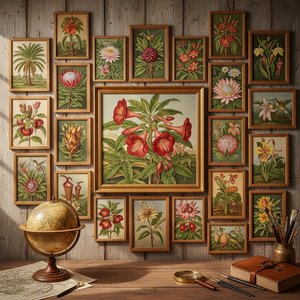
Marianne North: Las 25 Obras Maestras de una Artista Victoriana en ArtsDot
Descubre las 25 obras maestras de Marianne North, la artista victoriana que capturó la belleza exótica de la botánica. Pinturas vibrantes y llenas de historia. Reproducciones de arte exclusivas en ArtsDot.com.