

 Ver en contexto
 Enviar
 Compartir
 Detalles

 Descargar
 Similares
 Radiografía
 Presentación de diapositivas
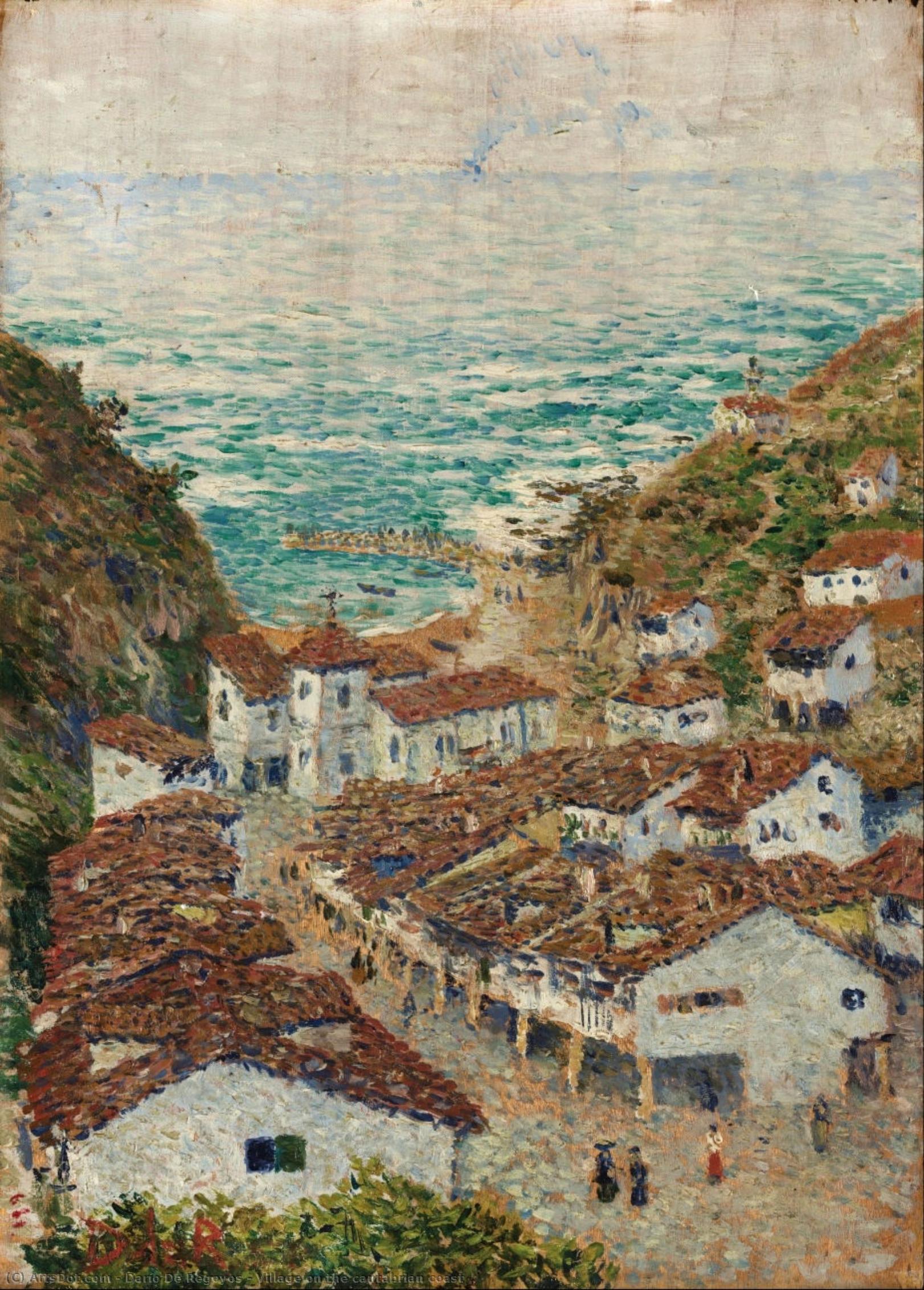
Village on the cantabrian coast
 Oil
Oil- WallArt
- Impressionism
 1892
1892- 19th Century
 34.0 x 24.0 cm
 Museu Cau Ferrat
 Ver más
Adquiera una imagen digital de alta resolución y optimizada, muy superior a la vista previa en línea.
Cada archivo es preparado meticulosamente por nuestros especialistas internos mediante el uso de herramientas avanzadas y un experto retoque manual. Nos aseguramos de que cada imagen posea una claridad excepcional, una precisión cromática impecable y un detalle minucioso.
El archivo final se entrega por correo electrónico en un plazo de 72 horas, optimizado para su uso inmediato en entornos profesionales, editoriales y de impresión. Esta es la misma calidad en la que confían los estudios de diseño, las editoriales y las galerías de primer nivel.
Imagen Digital
Descarga un archivo de alta resolución para exhibición personal, impresión y proyectos creativos. ( Comprar impresión Comprar pintura hecha a mano)
Incluido en cada pedido de imágenes digitales
Entrega digital experta, garantizada.
Al elegir ArtsDot.com, no solo está adquiriendo una imagen; está recibiendo una obra de arte digital mejorada profesionalmente, elaborada con precisión y respaldada por una garantía de satisfacción. Esto es todo lo que incluye su pedido, automáticamente:

Entrega rápida por email
Recibirá su archivo de imagen digital en alta resolución por correo electrónico en un plazo de 72 horas tras realizar su pedido, listo para su uso inmediato.

Archivo digital optimizado por IA
Su obra de arte se optimiza profesionalmente mediante herramientas avanzadas de IA y edición manual, garantizando el máximo detalle, claridad y precisión cromática.

Reenvío gratuito de por vida
¿Has borrado o perdido tu archivo por error? No te preocupes: te lo volveremos a enviar en cualquier momento, sin coste adicional.

Sin gastos de importación, siempre
Disfrute de su obra de arte al instante sin aduanas, aranceles ni gastos de envío; las descargas digitales siempre están libres de impuestos.

Garantía de fidelidad de color
Garantizamos que su imagen digital refleje los colores originales con la mayor fidelidad posible, mediante el uso de herramientas profesionales y gestión del color.

Garantía de satisfacción de 60 días
Si no está satisfecho con su imagen digital, la revisaremos o le reembolsaremos el 100% en un plazo de 60 días, sin preguntas.

100% Garantía de devolución de dinero
¿No está satisfecho? Obtenga un reembolso completo dentro de los 60 días posteriores a la recepción de su archivo digital, sin necesidad de explicaciones.

Descuentos por pedidos grandes
Compra 3 imágenes, ahorra 10% - Compra 5, ahorra 15% - Compra 10+, ahorra 20%. Ideal para proyectos creativos, galerías y agencias.
A Coastal Serenade in Brushstrokes
In the delicate interplay of light and sea, Village on the Cantabrian Coast emerges as a breathtaking window into a bygone era of tranquility. Painted in 1892 by the visionary Spanish master Darío de Regoyos, this exquisite work captures more than just a geographical location; it captures a fleeting moment of maritime peace. The scene unfolds along the rugged yet inviting coastline, where a cluster of rustic, brick-built houses clings gracefully to the undulating hillside. As the eye wanders through the composition, one encounters the gentle rhythm of village life, with figures scattered across the landscape, some strolling near the foreground and others receding into the soft distance, all unified by the serene presence of the vast, calm waters that define the Cantabrian horizon.
The technique employed here is a masterful testament to Regoyos’s role as a pioneer of Impressionism within the Spanish tradition. Moving away from the rigid constraints of academic realism, the artist utilizes a nuanced approach to light and texture that breathes life into the architecture and the elements. The way the sunlight interacts with the brickwork of the houses and the shimmering surface of the ocean suggests a profound sensitivity to atmosphere. Through subtle, rhythmic brushstrokes, the water achieves a mirror-like stillness, providing a contemplative backdrop that balances the structural complexity of the hillside village. This mastery of light creates a sense of depth and luminosity, making the canvas feel as though it is vibrating with the soft salt air of the coast.
Beyond its aesthetic brilliance, the painting serves as a poignant historical document of late 19th-century coastal existence. It evokes a sense of nostalgia for a time when the pace of life was dictated by the tides and the sun. There is a profound emotional resonance in the way Regoyos depicts the harmony between human habitation and the natural world; the village does not dominate the landscape but rather nestles into it, suggesting a symbiotic relationship with the sea. For the collector or interior designer, this piece offers an unparalleled sense of calm and sophistication. It is an ideal centerpiece for spaces designed to inspire reflection, bringing a touch of timeless European elegance and a breath of fresh, coastal air into any curated environment.
Obras relacionadas
Biografía del artista
Darío de Regoyos: A Pioneer of Impressionism in Spain
Darío de Regoyos y Valdés (1857-1913) stands as a crucial figure in the revitalization of modern Spanish painting, marking a decisive shift away from academic traditions and embracing the vibrant aesthetic principles of Impressionism and Neo-Impressionism. Born in Ribadesella, Asturias, his artistic journey began under the tutelage of Carlos de Haes at the Real Academia de Bellas Artes de San Fernando in Madrid, establishing him firmly within the burgeoning artistic landscape of late 19th century Spain. Early Influences & Education: De Regoyos’s formative years were characterized by a rigorous academic training, mirroring the prevailing stylistic norms of his time. However, recognizing the transformative potential of European avant-garde movements, he actively sought inspiration from Belgian painter Carlos de Haes and subsequently enrolled at the Académie Royale des Beaux-Arts in Brussels. This foundational education instilled in him a disciplined approach to artistic craft while simultaneously exposing him to the groundbreaking ideas circulating amongst European artists—ideas that would ultimately propel him toward a radically different aesthetic vision. Brussels & Les XX: His decade spent in Brussels proved pivotal, immersing him in a dynamic artistic environment fostered by Edmond Picard and fellow artists like Enrique Fernández Arbós and Isaac Albéniz. This period cemented his affiliation with Les XX, a groundbreaking Belgian avant-garde group that championed Impressionist ideals and challenged established conventions. Les XX represented a bold assertion of artistic freedom against the conservative forces dominating the art world, advocating for experimentation and prioritizing subjective experience as paramount to artistic expression. De Regoyos’s involvement in this influential collective solidified his commitment to pushing boundaries and redefining artistic standards. His travels extended beyond Belgium, encompassing Morocco and the Netherlands, fueling his artistic vision and broadening his understanding of diverse cultural contexts. These expeditions profoundly impacted his oeuvre, injecting elements of exoticism and capturing fleeting moments of natural beauty—characteristics emblematic of Impressionistic painting. The influence of artists like Claude Monet and Camille Pissarro is undeniable in De Regoyos’s stylistic choices; he meticulously studied their techniques, absorbing their mastery of light and color to inform his own artistic endeavors. Notable Works & Artistic Style: De Regoyos's artistic output comprises a series of evocative landscapes, notably “El paseo de Alderdi eder” (1894), which exemplifies his masterful depiction of light and atmosphere—a hallmark of Impressionism. He skillfully employed broken brushstrokes and vibrant hues to convey the immediacy of perception, capturing the ephemeral qualities of nature with remarkable sensitivity. His "Black Spain" cycle ("España negra: víctimas de la fiesta") powerfully conveys the emotional resonance of Spanish society during the Belle Époque, utilizing Neo-Impressionist techniques—specifically pointillism—to achieve textural richness and vibrant color palettes. This stylistic innovation demonstrated De Regoyos’s willingness to embrace new artistic methodologies while retaining a deep connection to traditional landscape painting traditions. Legacy & Recognition: Though initially overshadowed by contemporaries, De Regoyos’s artistic legacy gained prominence posthumously. A tribute exhibition organized in 1913 at the Biblioteca Nacional de España honored his contribution to Spanish art history—a testament to the enduring impact of his work and its recognition as a cornerstone of modern Spanish artistic heritage. Today, his paintings reside in prestigious collections including the Bilbao Fine Arts Museum, Museu Nacional d'Art de Catalunya, Abelló Museum and Carmen Thyssen Museum, securing his place as one of Spain’s foremost Impressionist painters—a figure whose unwavering dedication to capturing the essence of visual experience continues to inspire artists today.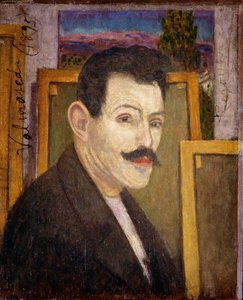
Darío de Regoyos
1857 - 1913 , España
Breves datos
- Artistic Movement Or Style: Impresionismo & Neoimpresionismo
- Artists Or Movements Influenced By This Artist: ['Les XX']
- Artists Who Influenced This Artist: ['Carlos de Haes']
- Date Of Birth: 1857
- Date Of Death: 1913
- Full Name: Darío de Regoyos y Valdés
- Nationality: Español
- Notable Artworks:
- El paseo de Alderdi eder
- Penaas de Duranguesado
- La España negra: Victimas de la fiesta
- Place Of Birth: Ribadesella, España

