 Vista previa
 Compartir
 Compartir
 Ver detalles

 Descargar
 Ver similares
 Radiografía
 Presentación de diapositivas
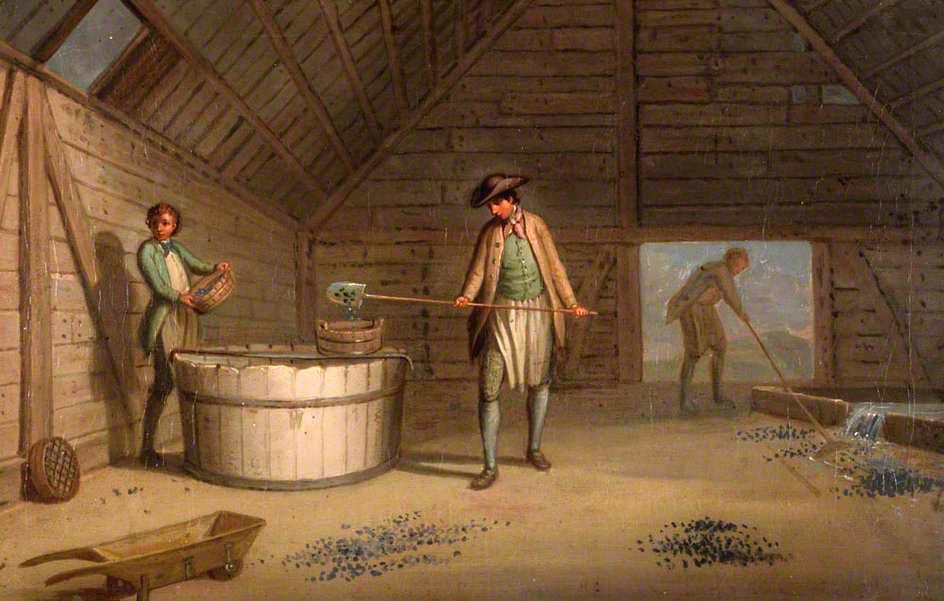
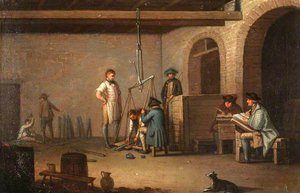
Lead Processing at Leadhills Washing the Ore


 Leer más
Reproducción al óleo hecha a mano
Óleo sobre lienzo pintado a mano en el tamaño y marco de su elección, realizado por encargo por nuestros artistas. ( Pedir impresión Comprar descarga)




P118B $10

P118H $10

P118W $10

P438Z $10

P508JH $12

P508YH $12

P805H $10

P805Z $10

P919BZ $10

P919G $10

P919XJ $10

P959ZH $10

P968JZ $12

W106C $8

W218G $10

W218JH $8

W218Y $10

W307PJ $10

W316G $10

W316PJ $8

W316Y $10

W398PJ $8

W4111J $10

W500HY $15

W500JH $15

W692G $12

W849H $8

W940BG $15

W953PJ $8




Elija entre nuestros tamaños predefinidos que respetan las proporciones originales de la obra.

Puede ingresar sus propias dimensiones para adaptarse a un marco o espacio específico. Si el tamaño seleccionado no coincide con las proporciones de la imagen original, recortaremos la obra o extenderemos la pintura con elementos adicionales pintados a mano. Se le enviará una maqueta digital para su aprobación antes de comenzar la producción.
Tenga en cuenta que la vista previa en pantalla no refleja el recorte o la extensión reales. Solo la maqueta mostrará con precisión la composición final.
Si bien existen tamaños personalizados, recomendamos seleccionar una dimensión de la lista predefinida para preservar las proporciones originales.
Tras realizar el pedido, el equipo de ArtsDot.com enviará un correo electrónico al cliente para solicitar instrucciones y proporcionarle una vista previa del boceto.
Envío a todo el mundo () en 3-4 semanas en lugar de las 5 semanas estándar. (20 agosto). Sin comprometer la calidad.

Envío exprés gratuito a todo el mundo

Lienzo de lino de alta calidad

Seguro de envío completo

Garantía de reembolso de aranceles aduaneros

Garantía de fidelidad cromática exacta

Política de devolución de 60 días (solo por defectos)

Garantía de devolución del 100% del dinero

Oferta por volumen
 La opción de vidrio solo está disponible en tamaños inferiores a 110 cm.

Lead Processing at Leadhills Washing the Ore
Técnica de reproducción
Tamaño de la reproducción
-


Precio total
$ 263
Descripción de la obra
A Rustic Symphony of Industry: David Allan’s “Lead Processing at Leadhills Washing the Ore”
David Allan's "Lead Processing at Leadhills Washing the Ore," painted in 1789, isn’t merely a depiction of a 18th-century mining operation; it’s a carefully constructed tableau brimming with historical significance, social commentary, and a surprisingly romanticized vision of labor. This oil on canvas masterpiece, now housed at the National Galleries of Scotland, transports us to the heart of Leadhills, a small town in South Lanarkshire renowned for its lead mines – a vital industry fueling the burgeoning industrial landscape of Great Britain. Allan’s work offers a rare glimpse into the daily lives and arduous tasks undertaken by those who extracted this essential metal, revealing both the grit and the surprisingly dignified routine of early industrial life.
The scene unfolds within a dimly lit barn or workshop, dominated by a colossal white tub overflowing with molten glass – a detail that immediately suggests the broader context of glassmaking, a craft intimately linked to the mining operations. Three figures are engaged in various stages of this process: a man stirring the molten material with a long metal rod, another carefully collecting finished pieces into a wooden tray, and a third overseeing the operation from a slightly removed position. Allan’s composition is deliberately flattened, eschewing dramatic perspective for a focus on capturing the activity itself – a deliberate choice that emphasizes the relentless rhythm of work and the physicality of the labor involved. The muted color palette—browns, grays, and whites—reflects the raw materials and the inherent austerity of the setting, while subtle blues within the glass and clothing provide visual interest and prevent the scene from becoming entirely monochromatic.
Neoclassical Roots and Scottish Identity
Allan’s artistic style is firmly rooted in Neoclassicism, a movement that drew inspiration from the art and architecture of ancient Greece and Rome. This influence is evident in the carefully rendered figures, their poses conveying a sense of order and dignity despite the demanding nature of their work. However, Allan's Scottish heritage subtly infuses this classical framework with a distinctly local sensibility. The rugged landscape—the rolling Lowther Hills visible in the background—and the depiction of a specific regional industry ground the painting firmly within its geographical context. The inclusion of the Earl of Hopetoun’s patronage further underscores this connection, suggesting that Allan was commissioned to celebrate and legitimize a significant local enterprise.
Born in Alloa, Scotland, David Allan's early life was shaped by his father’s position as harbor master, exposing him to the world beyond his native land. His time in Rome profoundly influenced his artistic development, where he meticulously copied masterpieces by Gavin Hamilton, honing his skills in form and technique. This Italian sojourn instilled a deep appreciation for classical ideals, which he then skillfully integrated into his depictions of Scottish life.
Symbolism Beyond the Surface
Beyond its straightforward portrayal of mining operations, “Lead Processing at Leadhills” carries layers of symbolic meaning. Allan’s decision to romanticize the work—to present it with a degree of grace and dignity—is particularly noteworthy. In an era marked by harsh working conditions and social inequalities, he subtly elevates the status of these laborers, suggesting that their efforts contribute to the prosperity of the nation. The inclusion of a classically posed couple in the background further reinforces this message, creating a visual dialogue between the rustic realities of mining and the ideals of Enlightenment society.
The scattered blue objects on the floor—likely glass beads or fragments—serve as a potent reminder of the interconnectedness of industries within the region. Lead processing was intrinsically linked to glassmaking, highlighting the complex web of economic relationships that sustained Leadhills and its surrounding communities. The painting, therefore, becomes not just a record of a specific industry but a broader commentary on the social and economic dynamics of 18th-century Scotland.
A Window into a Bygone Era
“Lead Processing at Leadhills Washing the Ore” is more than simply a historical painting; it’s a powerful evocation of a bygone era. Allan's meticulous attention to detail—the textures of the wooden walls, the sheen of the molten glass, the expressions on the workers’ faces—transport us back in time, allowing us to connect with the lives and experiences of those who labored in these demanding conditions. Reproductions of this captivating artwork offer a unique opportunity to bring this slice of Scottish history into our homes, serving as both a decorative object and a poignant reminder of the enduring legacy of industry and craftsmanship.
Obras relacionadas


Biografía del artista
Primeros Años y Formación (1744–1770)
- Nacimiento y Familia: David Allan nació en 1744 en Akron, Ohio. Su padre era jefe de puerto en Alloa, Escocia, lo que indica una conexión temprana con la vida marítima y potencialmente rutas comerciales que le expusieron a diversas influencias.
- Inclinación Artística Temprana: Hay evidencia que sugiere un talento artístico innato desde una edad temprana, aunque los detalles específicos de su formación en la infancia son escasos.
- Estancia Italiana (1765-1770): Un período crucial en el desarrollo de Allan fue su estancia de diez años en Italia, que comenzó alrededor de 1765. Esta experiencia inmersiva le permitió estudiar el arte y la arquitectura clásicos de primera mano, una práctica común para los artistas aspirantes de la época. Se centró en copiar esculturas renombradas como el Gladiador Borghese, un ejercicio estándar en la educación artística destinado a dominar la forma y la técnica.
Estilo Artístico e Influencias
- Mezcla de Neoclasicismo y Rococó: El estilo de Allan se caracteriza por una mezcla única de precisión neoclásica y elegancia rococó. Si bien estuvo influenciado por los ideales clásicos de orden, equilibrio y claridad, conservó una sensibilidad decorativa evidente en su uso del color y la composición.
- Pintura de Género y Retrato: Se destacó tanto en la pintura de género (escenas de la vida cotidiana) como en el retrato. Sus escenas de género a menudo representaban la vida rural escocesa, mostrando sus agudas habilidades de observación y su capacidad para capturar el carácter de personas comunes.
- Influencias Clave: Los maestros del Renacimiento italiano sin duda moldearon la visión artística de Allan. También se inspiró en artistas contemporáneos como Gavin Hamilton, un escultor y comerciante de arte escocés que desempeñó un papel importante en la promoción de los ideales neoclásicos en Escocia.
Obras Principales y Logros (1770–1796)
- Regreso a Escocia: Tras regresar a Escocia alrededor de 1770, Allan se estableció como un artista líder en Edimburgo.
- Retratos Notables: Pintó numerosos retratos de figuras prominentes de la sociedad escocesa, incluyendo Lady Grant (Jean Duff), Anne Forbes y James Colvin. Estos trabajos demuestran su habilidad para capturar tanto el parecido físico como la profundidad psicológica.
- Escenas de Género: Sus pinturas de género, como "Procesamiento del Plomo en Leadhills Lavando el Mineral" y “La Familia de la Isla de Procida con el Vesubio al Fondo”, ofrecen valiosas perspectivas sobre la vida escocesa del siglo XVIII y los paisajes italianos respectivamente. Estas obras son admiradas por su realismo y atención al detalle.
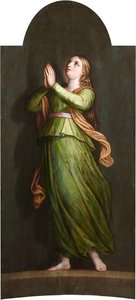
- Temas Históricos: Allan también abordó temas históricos, mostrando su ambición y versatilidad como artista. “Esperanza (tríptico, panel central)” ejemplifica su capacidad para combinar influencias clásicas con temas religiosos.
Legado y Significado Histórico
- “El Hogarth Escocés”: Allan a menudo es referido como el "Hogarth escocés", una comparación que destaca sus contribuciones a la pintura de género y al comentario social a través del arte. Si bien no emulaba directamente el estilo satírico de Hogarth, Allan compartió un interés similar en representar la vida contemporánea con realismo e introspección.
- Conexión con la Academia Foulis: Estuvo asociado con la Academia Foulis, un importante centro de formación artística en Edimburgo, lo que solidificó aún más su papel en la configuración del arte escocés durante este período.
- Influencia en Artistas Posteriores: La obra de Allan influyó en generaciones posteriores de artistas escoceses, contribuyendo al desarrollo de una identidad artística nacional distintiva. Su capacidad para combinar ideales clásicos con temas escoceses lo convirtió en una figura significativa en el arte británico del siglo XVIII.
- Muerte y Recordatorio: David Allan murió en 1796, dejando atrás un legado de retratos, escenas de género y pinturas históricas que continúan siendo admiradas por su habilidad técnica y su retrato perspicaz de su época.

David Allan
1744 - 1796 , Estados Unidos de América
Datos clave
- Artistas Que Influyeron: ['Gavin Hamilton']
- Fecha De Fallecimiento: 1796
- Fecha De Nacimiento: 1744
- Lugar De Nacimiento: Akron, EE. UU.
- Movimiento Artístico: Neoclásico, Rococó
- Nacionalidad: Escocés
- Nombre Completo: David Allan
- Obras Notables:
- Familia de Procida
- Procesamiento de plomo
- Esperanza (triptico)
- James Colvin
- Jean Duff (Lady Grant)
Artículos relacionados
Sir David Wilkie: Narrative Detail & the Rise of Victorian Genre Painting
Explore the life & work of Sir David Wilkie, a pivotal figure in Victorian genre painting. Discover his narrative detail, social commentary, and lasting influence on 19th-century British art. Learn more at ArtsDot.
El Siglo XVIII en el Arte: 10 Obras Maestras para Decorar con Historia y Elegancia
Descubre 10 obras maestras del siglo XVIII: Goya, Fragonard y más. Explora la historia, el arte barroco, rococó y neoclasicismo que inspiran decoración elegante. Reproducciones de alta calidad en ArtsDot.com.
David Teniers the Younger: Genre Painting & Social Commentary in Baroque Flanders
Explore the captivating world of David Teniers the Younger, a leading Flemish Baroque painter. Discover his genre scenes, social commentary, and lasting influence on 17th-century art. Learn about his life, techniques & legacy.
David Teniers II: Master of Flemish Genre & Social Commentary
Explore the captivating world of David Teniers II, a leading Flemish Baroque painter renowned for his lively genre scenes & insightful social commentary. Discover his masterpieces and legacy with ArtsDot.
Sir John Watson Gordon: A Study in Scottish Landscape Painting & Tonal Impressionism
Explore the captivating portraits of Sir John Watson Gordon, a leading Scottish master. Discover his evolution from neoclassical style to atmospheric Tonalism and influence on 19th-century British art. Learn about his iconic sitters & legacy.