

 Ver en contexto
 Enviar
 Compartir
 Detalles

 Descargar
 Similares
 Radiografía
 Presentación de diapositivas
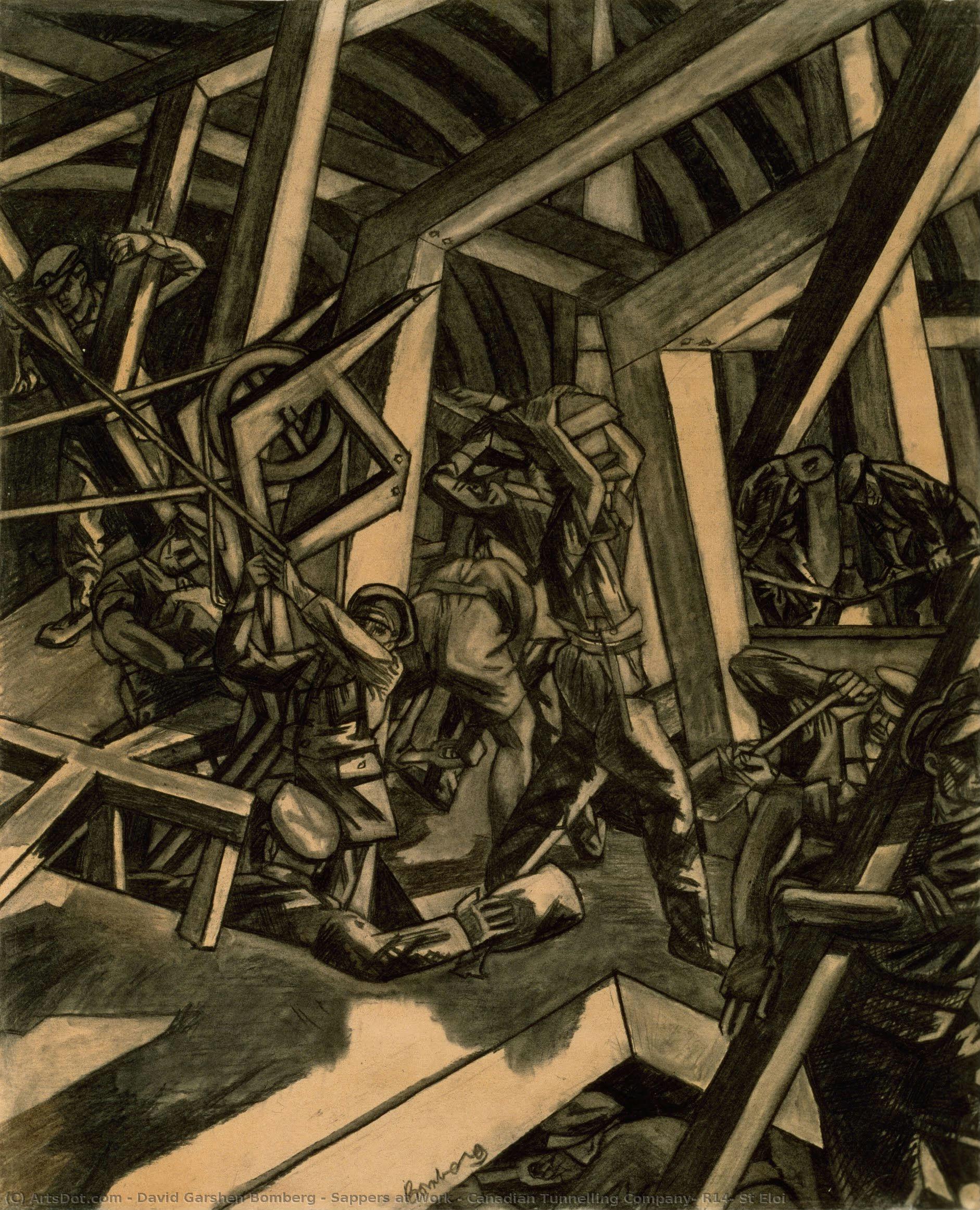
Sappers at Work : Canadian Tunnelling Company, R14, St Eloi
 Acrylic On Canvas
- WallArt
- Cubist Futurism
 1919
1919 55.0 x 67.0 cm
 Museos de la Guerra Imperial
 Ver más
Adquiera una imagen digital de alta resolución y optimizada, muy superior a la vista previa en línea.
Cada archivo es preparado meticulosamente por nuestros especialistas internos mediante el uso de herramientas avanzadas y un experto retoque manual. Nos aseguramos de que cada imagen posea una claridad excepcional, una precisión cromática impecable y un detalle minucioso.
El archivo final se entrega por correo electrónico en un plazo de 72 horas, optimizado para su uso inmediato en entornos profesionales, editoriales y de impresión. Esta es la misma calidad en la que confían los estudios de diseño, las editoriales y las galerías de primer nivel.
Imagen Digital
Descarga un archivo de alta resolución para exhibición personal, impresión y proyectos creativos. ( Comprar impresión Comprar pintura hecha a mano)
Incluido en cada pedido de imágenes digitales
Entrega digital experta, garantizada.
Al elegir ArtsDot.com, no solo está adquiriendo una imagen; está recibiendo una obra de arte digital mejorada profesionalmente, elaborada con precisión y respaldada por una garantía de satisfacción. Esto es todo lo que incluye su pedido, automáticamente:

Entrega rápida por email
Recibirá su archivo de imagen digital en alta resolución por correo electrónico en un plazo de 72 horas tras realizar su pedido, listo para su uso inmediato.

Archivo digital optimizado por IA
Su obra de arte se optimiza profesionalmente mediante herramientas avanzadas de IA y edición manual, garantizando el máximo detalle, claridad y precisión cromática.

Reenvío gratuito de por vida
¿Has borrado o perdido tu archivo por error? No te preocupes: te lo volveremos a enviar en cualquier momento, sin coste adicional.

Sin gastos de importación, siempre
Disfrute de su obra de arte al instante sin aduanas, aranceles ni gastos de envío; las descargas digitales siempre están libres de impuestos.

Garantía de fidelidad de color
Garantizamos que su imagen digital refleje los colores originales con la mayor fidelidad posible, mediante el uso de herramientas profesionales y gestión del color.

Garantía de satisfacción de 60 días
Si no está satisfecho con su imagen digital, la revisaremos o le reembolsaremos el 100% en un plazo de 60 días, sin preguntas.

100% Garantía de devolución de dinero
¿No está satisfecho? Obtenga un reembolso completo dentro de los 60 días posteriores a la recepción de su archivo digital, sin necesidad de explicaciones.

Descuentos por pedidos grandes
Compra 3 imágenes, ahorra 10% - Compra 5, ahorra 15% - Compra 10+, ahorra 20%. Ideal para proyectos creativos, galerías y agencias.
Descripción del coleccionable
A Frozen Moment of Labor: David Bomberg’s ‘Sappers at Work’
David Bomberg's “Sappers at Work : Canadian Tunnelling Company, R14, St Eloi” isn’t merely a depiction of soldiers toiling in a tunnel; it’s a visceral embodiment of the brutal realities and extraordinary resilience forged during World War I. Painted in 1919, this preparatory sketch offers a rare glimpse into the heart of the Messines offensive – a pivotal moment in British military history where innovative tunneling techniques were employed to devastating effect against German defenses. Bomberg, a key figure within London’s avant-garde movement and deeply influenced by Cubism and Futurism, masterfully translates the chaotic energy of this subterranean operation onto paper, transforming a scene of grueling labor into a powerfully geometric composition.
The drawing immediately arrests the eye with its dynamic arrangement. Bomberg eschews traditional representational accuracy in favor of fractured forms and sharp angles, mirroring the claustrophobic and inherently unstable environment of the tunnel itself. The figures – soldiers engaged in digging, hauling timber, and operating pulleys – are reduced to simplified, almost skeletal shapes, their bodies rendered as a series of interlocking planes and lines. This deliberate abstraction isn’t an exercise in detachment; rather, it amplifies the sense of tension and urgency, conveying the immense physical strain and psychological pressure endured by these men. The rhythmic repetition of geometric forms—the converging beams, the stacked timber, the figures themselves—creates a mesmerizing visual rhythm that echoes the relentless hammering and scraping sounds within the tunnel walls.
The Context of St Eloi: Engineering Warfare
To fully appreciate “Sappers at Work,” one must understand the strategic significance of the St. Eloi tunnel system. In 1914, German forces initiated a campaign of mining under British positions at Festubert in Belgium, employing sophisticated tunneling techniques to destabilize and ultimately destroy Allied defenses. The British responded by forming specialized tunnelling companies – units comprised primarily of experienced miners recruited from across the Empire – who were tasked with counter-mining operations. The tunnel at St. Eloi, a staggering 1,650 feet long and 125 feet deep, became the site of one of the largest and most ambitious mine explosions of the war. The British employed a complex network of tunnels to detonate massive charges beneath German lines, resulting in catastrophic casualties and ultimately contributing to the Allied victory at Messines.
Bomberg’s sketch captures this pivotal moment with remarkable precision. It's not just a record of construction; it’s a visual testament to the engineering prowess and sheer audacity required to execute such a daring operation. The inclusion of details like the tools – hammers, saws, pulleys – grounds the abstract composition in the tangible reality of the work being performed. The presence of David Bomberg himself, depicted carrying a heavy beam, subtly underscores the immense burden borne by these men, highlighting their dedication and sacrifice.
Bomberg’s Artistic Vision: Bridging Abstraction and Representation
Initially, Bomberg's approach to depicting this scene was met with resistance from the Canadian authorities. His early sketches, characterized by a more overtly Futurist style – bold colors, fragmented forms, and an emphasis on dynamism – were deemed too abstract and lacking in representational accuracy for their intended purpose. However, recognizing the value of Bomberg’s artistic vision, they requested he compromise, moving towards a more balanced approach that retained the geometric energy of his earlier work while incorporating greater clarity and detail. This final sketch represents this successful negotiation—a masterful synthesis of abstract principles and observational realism.
The influence of Cubism and Futurism is undeniable in Bomberg’s treatment of space, form, and movement. Yet, he skillfully avoids the cold detachment often associated with these movements, imbuing his work with a palpable sense of human drama. The limited color palette – primarily charcoal tones – further enhances the drawing's starkness and intensity, focusing attention on the interplay of light and shadow within the claustrophobic confines of the tunnel. “Sappers at Work” is not simply a historical document; it’s a profoundly moving exploration of human endurance, ingenuity, and sacrifice—a testament to the artist’s ability to transform a scene of war into a work of enduring artistic power.
A Reproduction for Your Space
ArtsDot offers meticulously crafted hand-painted reproductions of David Bomberg's “Sappers at Work,” ensuring that this powerful artwork is accessible to collectors and art enthusiasts alike. Our skilled artists replicate the drawing’s intricate details, dynamic composition, and evocative atmosphere with exceptional precision. Available in a range of sizes, from 55 x 67 cm to larger formats, our reproductions are printed on archival-quality canvas using vibrant pigments that faithfully capture the original's nuanced tones and textures. Bring this poignant snapshot of wartime labor into your home or office – a striking addition that speaks volumes about history, artistry, and the enduring spirit of humanity.
Obras relacionadas
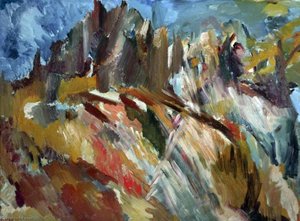
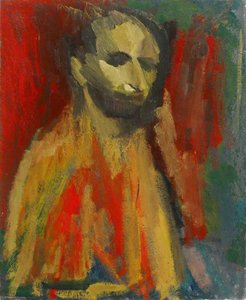
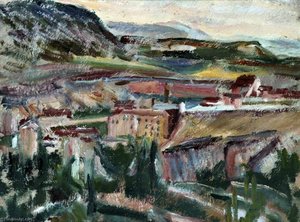
Biografía del artista
Primeros Años y Formación Artística
- Nacido: Birmingham, Reino Unido (5 de diciembre de 1890)
- Fallecido: Londres, Reino Unido (19 de agosto de 1957)
- Uno de los 'Whitechapel Boys' – un grupo de artistas del East End que surgieron a principios del siglo XX.
Nacido en Birmingham, hijo de inmigrantes judíos polacos, Abraham y Rebecca Bomberg. La familia se mudó a Whitechapel, Londres, en 1895.
Inicialmente estudió en la Escuela Técnica de Arte y Artesanía de la Ciudad y el Condado antes de formarse como litógrafo en Birmingham.
Estudió bajo Walter Sickert en la Escuela de Arte Westminster (1908-1910), donde se vio influenciado por el enfoque de Sickert en la forma y la vida urbana.
Gran exposición a Paul Cézanne a través de la exposición de 1910 de Roger Fry "Manet y los Postimpresionistas".
Asistió a la Escuela de Arte Slade (1911), ganando el Premio Tonks por su dibujo del compañero estudiante Isaac Rosenberg.
Años de Vanguardia: Cubismo, Futurismo y Controversia
- En la Slade, Bomberg formó parte de una generación notable que incluía a Mark Gertler, Stanley Spencer, C.R.W. Nevinson y Dora Carrington.
- Influenciado por las exposiciones de 1912 en Londres de los futuristas italianos y la segunda exposición postimpresionista de Fry (Picasso, Matisse, Fauvistas, Wyndham Lewis).
- Desarrolló un estilo distintivo que combinaba el Cubismo y el Futurismo – caracterizado por composiciones geométricas, paletas de colores limitadas, figuras angulares y estructuras en forma de cuadrícula.
- Su enfoque radical condujo a su expulsión de la Escuela de Arte Slade en 1913, considerado demasiado audaz para los métodos convencionales de la institución.
- Estuvo brevemente asociado con los Talleres Omega del Grupo de Bloomsbury y expuso con el Grupo Camden Town.
- Mostró afinidad con el movimiento Vorticista de Wyndham Lewis pero permaneció independiente, negándose a participar plenamente.
De la Guerra al Paisaje: Un Cambio en el Estilo
Las experiencias como soldado privado durante la Primera Guerra Mundial impactaron profundamente su visión artística, lo que llevó a un alejamiento de la abstracción.
La década de 1920 vio a Bomberg adoptar un estilo más figurativo, centrándose en retratos y paisajes dibujados directamente de la naturaleza.
Desarrolló una técnica cada vez más expresionista, marcada por el impasto texturizado y la intensidad emocional.
Extensos viajes por Oriente Medio (especialmente Palestina) y Europa influyeron significativamente en su obra posterior. Sus representaciones de Jerusalén son particularmente notables.
Últimos Años y Legado
- De 1945 a 1953, enseñó en Borough Polytechnic (ahora Universidad de Londres South Bank), influyendo en una generación de artistas que incluye a Frank Auerbach, Leon Kossoff, Philip Holmes, Cliff Holden, Edna Mann, Dorothy Mead, Gustav Metzger, Dennis Creffield, Cecil Bailey y Miles Richmond.
- Se casó con la pintora paisajista Lilian Holt.
- A pesar de los períodos de relativa oscuridad durante su vida, la obra de Bomberg ha ganado un reconocimiento cada vez mayor en las últimas décadas como una contribución significativa al arte moderno británico.
- La Casa David Bomberg se encuentra en la Universidad de Londres South Bank en su honor.
- Su legado reside en su síntesis única de los movimientos vanguardistas europeos y su posterior desarrollo de un estilo paisajístico poderoso y expresivo que capturó la esencia del lugar y la experiencia humana.
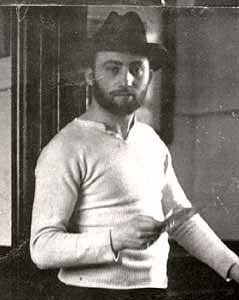
David Bomberg
1890 - 1957 , Reino Unido
Breves datos
- Artistas Influenciados:
- Frank Auerbach
- Leon Kossoff
- Artistas Que Influyeron:
- Paul Cézanne
- Walter Sickert
- Fecha De Fallecimiento: 19 de agosto de 1957
- Fecha De Nacimiento: 5 de diciembre de 1890
- Lugar De Nacimiento: Birmingham, Reino Unido
- Movimiento Artístico:
- Cubismo
- Futurismo
- Expresionismo
- Nacionalidad: Británico
- Nombre Completo: David Garshen Bomberg
- Obras Notables:
- Autorretrato (1937)
- Hermana del artista (1929)
- Jerusalén

