 Ver en contexto
 Enviar
 Compartir
 Detalles

 Descargar
 Similares
 Radiografía
 Presentación de diapositivas
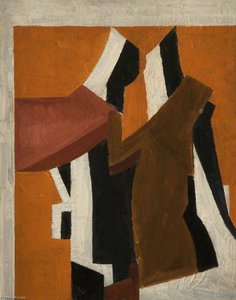
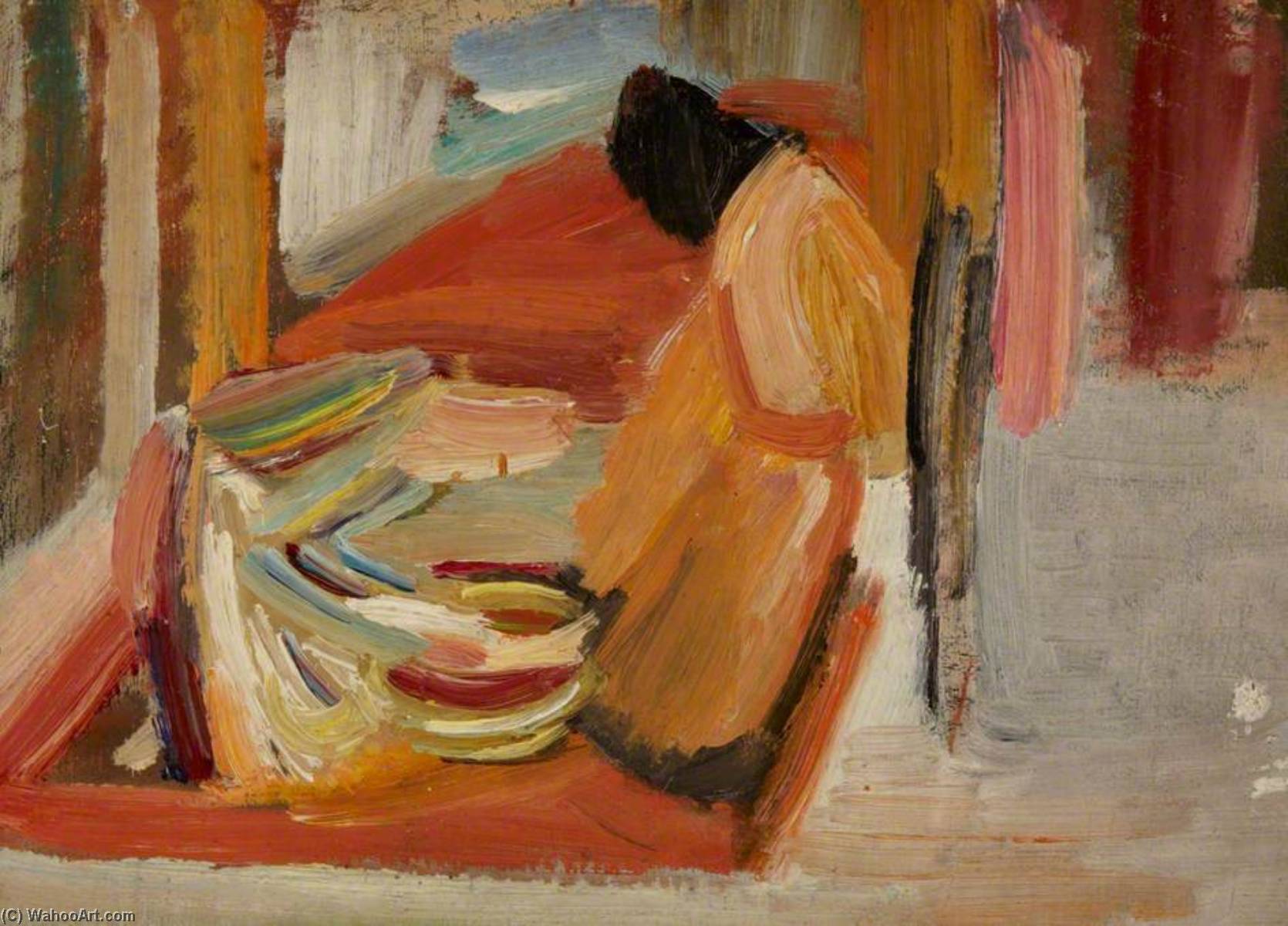
Washing of the Feet, Church of St James, Jerusalem
 Post-Impressionism
 1925
1925- Modern
 20.0 x 29.0 cm
 Universidad de la Bahía Sur de Londres
 Ver más
Reproducción al óleo hecha a mano
Óleo sobre lienzo pintado a mano en el tamaño y marco de su elección, realizado por encargo por nuestros artistas. ( Comprar impresión Comprar imagen)




P118B $10

P118H $10

P118W $10

P438Z $10

P508JH $12

P508YH $12

P805H $10

P805Z $10

P919BZ $10

P919G $10

P919XJ $10

P959ZH $10

P968JZ $12

W106C $8

W218G $10

W218JH $8

W218Y $10

W307PJ $10

W316G $10

W316PJ $8

W316Y $10

W398PJ $8

W4111J $10

W500HY $15

W500JH $15

W692G $12

W849H $8

W940BG $15

W953PJ $8




Elija entre nuestros tamaños predefinidos que respetan las proporciones originales de la obra.

Puede ingresar sus propias dimensiones para adaptarse a un marco o espacio específico. Si el tamaño seleccionado no coincide con las proporciones de la imagen original, recortaremos la obra o extenderemos la pintura con elementos adicionales pintados a mano. Se le enviará una maqueta digital para su aprobación antes de comenzar la producción.
Tenga en cuenta que la vista previa en pantalla no refleja el recorte o la extensión reales. Solo la maqueta mostrará con precisión la composición final.
Si bien existen tamaños personalizados, recomendamos seleccionar una dimensión de la lista predefinida para preservar las proporciones originales.
Tras realizar el pedido, el equipo de ArtsDot.com enviará un correo electrónico al cliente para solicitar instrucciones y proporcionarle una vista previa del boceto.
Envío a todo el mundo () en 3-4 semanas en lugar de las 5 semanas estándar. (5 septiembre). Sin comprometer la calidad.

Envío exprés gratuito a todo el mundo

Lienzo de lino de alta calidad

Seguro de envío total

Garantía de reembolso de impuestos aduaneros

Garantía de fidelidad cromática exacta

Política de devolución de 60 días (solo por defectos)

Garantía de devolución del 100% del dinero

Descuento por cantidad
 La opción de vidrio solo está disponible en tamaños inferiores a 110 cm.

Washing of the Feet, Church of St James, Jerusalem
Técnica de reproducción
Dimensiones de la reproducción
-


Precio total final
$ 263
A Moment of Quietude: The Soul of David Bomberg’s Vision
In the delicate interplay of light and shadow, Washing of the Feet, Church of St James, Jerusalem emerges as a profound meditation on solitude and introspection. Created in 1925 by the visionary British artist David Bomberg, this piece transcends its literal subject matter to capture a universal human experience: the heavy, beautiful stillness of reflection. The painting presents a woman seated upon a bench, her head bowed in a posture that suggests both weariness and deep contemplation. Clad in a vibrant yellow dress that serves as the composition's luminous heart, she sits against the soft textures of a red cushion, creating a warm, inviting focal point amidst the more muted surroundings. The presence of two simple bowls resting on the bench hints at a ritualistic or domestic narrative, yet the true subject remains the internal landscape of the figure herself.
Bomberg, a pivotal figure among the 'Whitechapel Boys' and a master of form, brings a sophisticated structural sensibility to this work. While his later years would see him exploring more radical, avant-garde abstractions, this 1925 composition showcases his ability to marry the influence of Post-Impressionism with a deeply emotive, figurative approach. One can sense the echoes of Cézanne in the way the artist organizes the space—the placement of the chair behind the woman and the rhythmic positioning of the bowls create a balanced, architectural stability. The technique relies on a masterful handling of color and light, where the brightness of the yellow fabric contrasts with the somber, quiet atmosphere of the background, drawing the viewer into her private world.
For the discerning collector or interior designer, this artwork offers more than mere decoration; it provides an emotional anchor for a room. The painting’s palette—rich in ochre, crimson, and earthy tones—is exceptionally versatile, capable of adding warmth to a contemporary minimalist space or providing a sophisticated historical depth to a classical study. Because the piece focuses on a moment of quietude rather than overt action, it possesses a calming influence, making it an ideal centerpiece for environments designed for relaxation and thought. It is a work that invites the eye to linger, encouraging a slow, rhythmic engagement with its textures and tones.
Owning a high-quality reproduction of this Bomberg masterpiece allows one to bring a piece of early 20th-century art history into the modern home. The painting serves as a testament to the power of the singular, quiet moment—a reminder that even in a world of constant motion, there is profound beauty to be found in the stillness of a bowed head and a resting soul. Whether placed in a sunlit gallery or a cozy corner of a private library, this work continues to resonate with the timeless human search for peace and introspection.
Obras relacionadas
Biografía del artista
Primeros Años y Formación Artística
- Nacido: Birmingham, Reino Unido (5 de diciembre de 1890)
- Fallecido: Londres, Reino Unido (19 de agosto de 1957)
- Uno de los 'Whitechapel Boys' – un grupo de artistas del East End que surgieron a principios del siglo XX.
Nacido en Birmingham, hijo de inmigrantes judíos polacos, Abraham y Rebecca Bomberg. La familia se mudó a Whitechapel, Londres, en 1895.
Inicialmente estudió en la Escuela Técnica de Arte y Artesanía de la Ciudad y el Condado antes de formarse como litógrafo en Birmingham.
Estudió bajo Walter Sickert en la Escuela de Arte Westminster (1908-1910), donde se vio influenciado por el enfoque de Sickert en la forma y la vida urbana.
Gran exposición a Paul Cézanne a través de la exposición de 1910 de Roger Fry "Manet y los Postimpresionistas".
Asistió a la Escuela de Arte Slade (1911), ganando el Premio Tonks por su dibujo del compañero estudiante Isaac Rosenberg.
Años de Vanguardia: Cubismo, Futurismo y Controversia
- En la Slade, Bomberg formó parte de una generación notable que incluía a Mark Gertler, Stanley Spencer, C.R.W. Nevinson y Dora Carrington.
- Influenciado por las exposiciones de 1912 en Londres de los futuristas italianos y la segunda exposición postimpresionista de Fry (Picasso, Matisse, Fauvistas, Wyndham Lewis).
- Desarrolló un estilo distintivo que combinaba el Cubismo y el Futurismo – caracterizado por composiciones geométricas, paletas de colores limitadas, figuras angulares y estructuras en forma de cuadrícula.
- Su enfoque radical condujo a su expulsión de la Escuela de Arte Slade en 1913, considerado demasiado audaz para los métodos convencionales de la institución.
- Estuvo brevemente asociado con los Talleres Omega del Grupo de Bloomsbury y expuso con el Grupo Camden Town.
- Mostró afinidad con el movimiento Vorticista de Wyndham Lewis pero permaneció independiente, negándose a participar plenamente.
De la Guerra al Paisaje: Un Cambio en el Estilo
Las experiencias como soldado privado durante la Primera Guerra Mundial impactaron profundamente su visión artística, lo que llevó a un alejamiento de la abstracción.
La década de 1920 vio a Bomberg adoptar un estilo más figurativo, centrándose en retratos y paisajes dibujados directamente de la naturaleza.
Desarrolló una técnica cada vez más expresionista, marcada por el impasto texturizado y la intensidad emocional.
Extensos viajes por Oriente Medio (especialmente Palestina) y Europa influyeron significativamente en su obra posterior. Sus representaciones de Jerusalén son particularmente notables.
Últimos Años y Legado
- De 1945 a 1953, enseñó en Borough Polytechnic (ahora Universidad de Londres South Bank), influyendo en una generación de artistas que incluye a Frank Auerbach, Leon Kossoff, Philip Holmes, Cliff Holden, Edna Mann, Dorothy Mead, Gustav Metzger, Dennis Creffield, Cecil Bailey y Miles Richmond.
- Se casó con la pintora paisajista Lilian Holt.
- A pesar de los períodos de relativa oscuridad durante su vida, la obra de Bomberg ha ganado un reconocimiento cada vez mayor en las últimas décadas como una contribución significativa al arte moderno británico.
- La Casa David Bomberg se encuentra en la Universidad de Londres South Bank en su honor.
- Su legado reside en su síntesis única de los movimientos vanguardistas europeos y su posterior desarrollo de un estilo paisajístico poderoso y expresivo que capturó la esencia del lugar y la experiencia humana.
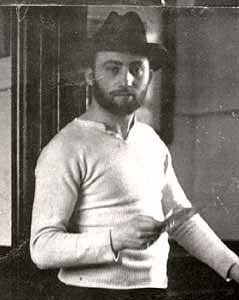
David Bomberg
1890 - 1957 , Reino Unido
Datos clave
- Artistas Influenciados:
- Frank Auerbach
- Leon Kossoff
- Artistas Que Influyeron:
- Paul Cézanne
- Walter Sickert
- Fecha De Fallecimiento: 19 de agosto de 1957
- Fecha De Nacimiento: 5 de diciembre de 1890
- Lugar De Nacimiento: Birmingham, Reino Unido
- Movimiento Artístico:
- Cubismo
- Futurismo
- Expresionismo
- Nacionalidad: Británico
- Nombre Completo: David Garshen Bomberg
- Obras Notables:
- Autorretrato (1937)
- Hermana del artista (1929)
- Jerusalén
Artículos relacionados

Crimson Threads of Narrative: Exploring Symbolism & Representation in Artworks Featuring the Red Dress
Explore the rich symbolism of the red dress in art history! From ancient power displays to iconic portraits like Cézanne’s 'Madame Cezanne', discover the cultural and artistic significance behind this captivating color. Expert analysis & insights.
Mark Rothko: Las 25 Obras Maestras que Definen la Expresión Abstracta | ArtsDot
Descubre las 25 obras maestras de Mark Rothko, pionero del expresionismo abstracto. Explora la historia, el significado y los colores vibrantes que definen su arte emocional. Reproducciones de alta calidad en ArtsDot.com.
Amedeo Modigliani: Las 25 Obras Maestras del Alma y la Forma | ArtsDot
Descubre las 25 obras maestras de Amedeo Modigliani, el artista italiano del expresionismo. Retratos icónicos, esculturas conmovedoras y lienzos llenos de melancolía. Encuentra reproducciones de arte exclusivas y decoración para tu hogar en ArtsDot.com.
Edward Hopper: Las 25 Obras Maestras que Definen la Soledad Moderna | ArtsDot
Descubre las 25 obras maestras de Edward Hopper, el pintor de la soledad moderna. Explora su realismo americano, luz y sombra, e icónicas escenas urbanas. Reproducciones de arte en ArtsDot.com para decorar tu hogar con estilo.
Los 10 cuadros más famosos dominados por el 'amarillo cromo': Arte y decoración
Descubre los 10 cuadros más emblemáticos dominados por el 'amarillo cromo': Van Gogh, Monet y otros maestros. Historia del arte, técnicas y decoración con lienzos impresionistas. ¡Explora la colección completa en ArtsDot.com!