 Ver en contexto
 Enviar
 Compartir
 Detalles

 Descargar
 Similares
 Radiografía
 Presentación de diapositivas
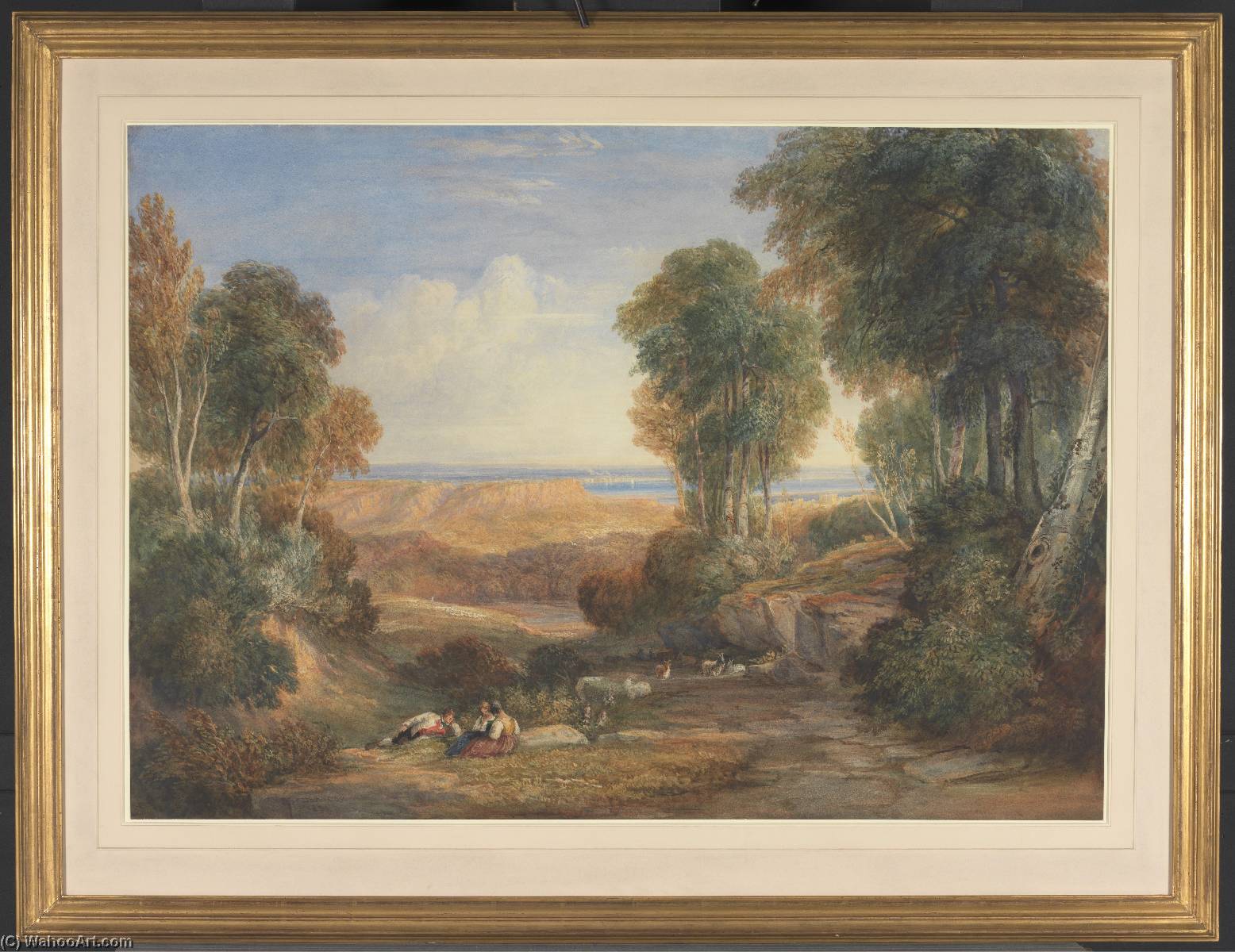
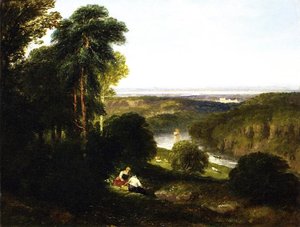
The Junction of the Severn and the Wye with Chepstow in the Distance
 Watercolor
- WallArt
- Birmingham School Landscape
 1830
1830- 19th Century
 79.0 x 107.0 cm
 Yale Center for British Art
 Ver más
Reproducción al óleo hecha a mano
Óleo sobre lienzo pintado a mano en el tamaño y marco de su elección, realizado por encargo por nuestros artistas. ( Comprar impresión Comprar imagen)




P118B $10

P118H $10

P118W $10

P438Z $10

P508JH $12

P508YH $12

P805H $10

P805Z $10

P919BZ $10

P919G $10

P919XJ $10

P959ZH $10

P968JZ $12

W106C $8

W218G $10

W218JH $8

W218Y $10

W307PJ $10

W316G $10

W316PJ $8

W316Y $10

W398PJ $8

W4111J $10

W500HY $15

W500JH $15

W692G $12

W849H $8

W940BG $15

W953PJ $8




Elija entre nuestros tamaños predefinidos que respetan las proporciones originales de la obra.

Puede ingresar sus propias dimensiones para adaptarse a un marco o espacio específico. Si el tamaño seleccionado no coincide con las proporciones de la imagen original, recortaremos la obra o extenderemos la pintura con elementos adicionales pintados a mano. Se le enviará una maqueta digital para su aprobación antes de comenzar la producción.
Tenga en cuenta que la vista previa en pantalla no refleja el recorte o la extensión reales. Solo la maqueta mostrará con precisión la composición final.
Si bien existen tamaños personalizados, recomendamos seleccionar una dimensión de la lista predefinida para preservar las proporciones originales.
Tras realizar el pedido, el equipo de ArtsDot.com enviará un correo electrónico al cliente para solicitar instrucciones y proporcionarle una vista previa del boceto.
Envío a todo el mundo () en 3-4 semanas en lugar de las 5 semanas estándar. (1 septiembre). Sin comprometer la calidad.

Envío exprés gratuito a todo el mundo

Lienzo de lino de alta calidad

Seguro de envío total

Garantía de reembolso de impuestos aduaneros

Garantía de fidelidad cromática exacta

Política de devolución de 60 días (solo por defectos)

Garantía de devolución del 100% del dinero

Descuento por cantidad
 La opción de vidrio solo está disponible en tamaños inferiores a 110 cm.

The Junction of the Severn and the Wye with Chepstow in the Distance
Técnica de reproducción
Dimensiones de la reproducción
-


Precio total final
$ 263
David Cox: A Life in Landscape
David Cox (1783–1859) stands as a pivotal figure in English landscape painting, recognized as one of the foremost members of the Birmingham School and an early precursor to Impressionism. His artistic legacy resides primarily in his evocative watercolors and oil paintings depicting British countryside—a realm he explored tirelessly throughout his lifetime, embarking on numerous sketching tours that profoundly shaped his distinctive visual language. Cox’s work transcends mere representation; it embodies a deep engagement with emotion and atmosphere, capturing the subtle nuances of light and color to convey profound feelings about the natural world.Early Life and Training
Born April 29, 1783, in Deritend, Birmingham, Cox's upbringing instilled within him a strong character and intellectual curiosity—traits evident in his mother’s education and reinforced by his own formative years at Joseph Barber Academy. His father, a blacksmith supplying components to the Birmingham gun trade, provided practical skills alongside familial support. Recognizing Cox’s talent for drawing early on, Barber Academy fostered his artistic development, introducing him to fellow students Charles Barber and William Radclyffe—relationships that would endure throughout their careers. Crucially, Cox's apprenticeship with Albert Fielder honed his technical abilities in miniature painting and decorative art, equipping him with foundational skills essential for mastering watercolor techniques.The Welsh Sketching Tour: A Turning Point
Cox’s artistic trajectory decisively shifted during a transformative journey to Wales in 1805—a trip undertaken alongside Charles Barber. This excursion ignited his passion for landscape painting and cemented his fascination with capturing the ethereal beauty of mountainous terrain bathed in sunlight. The Welsh scenery served as an inspiration for Cox's subsequent paintings, influencing his compositional choices and color palettes. He meticulously observed the interplay of light and shadow on rock formations and foliage, striving to convey a sense of tranquility and grandeur—characteristics that would become hallmarks of his artistic style.Birmingham School Style: Emotion and Atmosphere
Cox’s distinctive Birmingham School style is characterized by its expressive brushwork and vibrant color harmonies. Unlike academic painters who prioritized precise detail and idealized forms, Cox sought to capture the emotional essence of a scene rather than an objective depiction. He employed loose, gestural strokes—often applied wet-on-wet—to create shimmering surfaces that conveyed movement and luminosity. Furthermore, Cox skillfully utilized complementary colors—such as blues and oranges—to heighten visual impact and imbue his paintings with warmth and vibrancy. This approach aligns closely with the burgeoning Impressionist movement, foreshadowing its emphasis on capturing fleeting moments of sensory experience.Symbolism and Narrative Depth
Cox’s landscapes are imbued with symbolic meaning beyond their purely aesthetic qualities. Recurring motifs—such as shepherds tending flocks or solitary figures contemplating vistas—represent themes of pastoral innocence, contemplation, and communion with nature. These images resonate with Victorian sensibilities, reflecting a yearning for simplicity and spiritual solace amidst the complexities of urban life. Cox's paintings invite viewers to engage in imaginative interpretation, prompting reflection on fundamental questions about human existence and our relationship with the environment. The artist’s meticulous attention to detail—particularly in rendering foliage and atmospheric effects—contributes to the narrative depth of his compositions, transporting audiences into immersive experiences that capture the spirit of a bygone era.Legacy and Influence
David Cox's contribution to English landscape painting remains unparalleled. His pioneering use of watercolor technique and his emotive approach to portraying natural beauty established him as a forerunner of Impressionism—a movement that would revolutionize artistic practice in subsequent decades. Cox’s enduring influence can be discerned in the works of numerous artists who followed him, demonstrating the lasting impact of his stylistic innovations. Today, reproductions of Cox's paintings continue to captivate collectors and inspire interior designers seeking to infuse their spaces with a sense of serenity and artistic grandeur—a testament to the timeless appeal of his visionary vision.Obras relacionadas
Biografía del artista
David Cox: Una Vida en el Paisaje
Primeros Años y Formación
- Nacimiento: 29 de abril de 1783, en Deritend, Birmingham, Reino Unido.
- El padre de David Cox era herrero y artesano, encargado de suministrar componentes a la industria de armas de Birmingham. Su madre, proveniente de un entorno agrícola, poseía una educación superior y un carácter firme.
- Inicialmente, se matriculó en la academia de Joseph Barber en Great Charles Street, donde conoció a sus compañeros de estudios Charles Barber y William Radclyffe.
- A los 15 años, Cox comenzó su aprendizaje con Albert Fielder, un pintor de Birmingham especializado en miniaturas de retratos y pinturas decorativas para objetos como cajas de rapé. Esta formación temprana le proporcionó las habilidades fundamentales para su futuro.
Desarrollo de su Carrera y Viaje Artístico
- En 1804, Cox se trasladó a Londres y contrajo matrimonio con Mary Ragg, la hija de su casero.
- Un viaje trascendental a Gales en 1805 junto a Charles Barber marcó el inicio de numerosas expediciones de bocetaje que realizaría a lo largo de su vida. Estos viajes influyeron profundamente en su estilo artístico.
- Desde 1805, exhibió regularmente en la Royal Academy, ganándose inicialmente la vida como maestro de dibujo. El coronel Hon. H. Windsor se convirtió en uno de sus primeros alumnos en 1808.
- La obra temprana de Cox se centró en paisajes detallados en acuarela, representando a menudo escenas rurales y temas arquitectónicos.
Estilo Artístico e Influencias
- El estilo de Cox evolucionó con el tiempo, transitando desde representaciones topográficas precisas hacia un enfoque mucho más expresivo y atmosférico.
- Influencias: Aunque las influencias específicas son objeto de debate, su obra demuestra una afinidad por los pintores de paisajes holandeses del siglo XVII y una aguda observación de la naturaleza que recuerda a Constable.
- Se hizo conocido por su pincelada suelta, sus colores vibrantes y su capacidad para capturar los efectos de la luz y el clima. Sus pinturas al óleo de etapas posteriores fueron particularmente innovadoras.
Grandes Logros y Legado
- Hacia el final de su carrera, Cox pintó más de 300 obras al óleo, lo que hoy se reconoce como “uno de los mayores, pero menos reconocidos, logros de cualquier pintor británico”.
- Es considerado uno de los más grandes pintores de paisajes ingleses y una figura fundamental de la Edad Dorada de la acuarela inglesa.
- Su obra influyó significativamente en las generaciones posteriores de artistas del paisaje.
- Obras Notables: The Wind on the Heath, Cottage in Herefordshire, Junction of the Severn and the Wye with Chepstow in the distance y Moonlight Landscape se encuentran entre sus pinturas más celebradas.
Significado Histórico
- David Cox es reconocido como un precursor temprano del Impresionismo. Su énfasis en capturar efectos atmosféricos fugaces y su pincelada suelta anticiparon muchas de las técnicas que más tarde adoptarían los impresionistas.
- Desempeñó un papel crucial en la consolidación de la pintura de paisaje británica como un género distinto, alejándose de las representaciones puramente topográficas hacia interpretaciones más expresivas y emocionales de la naturaleza.
- Su obra continúa siendo admirada por su belleza, sensibilidad y atractivo perdurable.
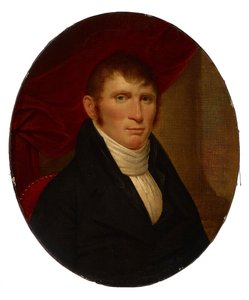
David Cox
1783 - 1859 , Reino Unido
Datos clave
- Artistic Movement Or Style: Edad Dorada de la Acuarela Inglesa; Impresionismo temprano
- Artists Or Movements Influenced By This Artist: ['Impresionismo']
- Artists Who Influenced This Artist:
- John Constable
- Thomas Gainsborough
- Date Of Birth: 29 abril 1783
- Date Of Death: 7 junio 1859
- Full Name: David Cox
- Nationality: Inglés
- Notable Artworks:
- El Viento en la Vega
- Cabaña en Herefordshire
- Confluencia del Severn y el Wye con Chepstow a lo lejos
- Paisaje Lunar
- Place Of Birth: Birmingham, Reino Unido
Artículos relacionados
Acuarelas Legendarias: 10 Obras Maestras que Transformaron el Arte | ArtsDot
Descubre 10 acuarelas legendarias de Turner, Monet y Sargent que revolucionaron el arte. Explora la historia, técnica y belleza de estas obras maestras impresionistas y románticas. Reproducciones de museo en ArtsDot.com.
Ephemeral Visions: Exploring the Artistic Legacy & Contemporary Practice of Watercolor Painting
Explore the captivating world of watercolor painting! Discover its rich history, essential techniques, influential artists & collecting tips. A comprehensive guide for art enthusiasts from ArtsDot.
David Cox the Elder: Landscape, Light & the Romantic Vision of Rural England
Explore the captivating landscapes of David Cox the Elder, a pivotal figure in British Romanticism. Discover his masterful watercolour techniques, enduring legacy & find timeless art for your home at ArtsDot.
Visiones Efímeras: Historia y Resonancia Emocional de la Pintura Acuarela
Descubre la fascinante historia de la acuarela, desde sus orígenes hasta su expresión contemporánea. Explora técnicas, artistas clave como Paul Klee y encuentra reproducciones de alta calidad en ArtsDot.

Ephemeral Visions: Exploring the Artistic Legacy & Nuances of Watercolor Painting
Explore the captivating world of watercolor painting! Discover its rich history, essential techniques, influential artists & collecting tips from art experts. A comprehensive guide for enthusiasts.