

 Ver en contexto
 Enviar
 Compartir
 Detalles

 Descargar
 Similares
 Radiografía
 Presentación de diapositivas
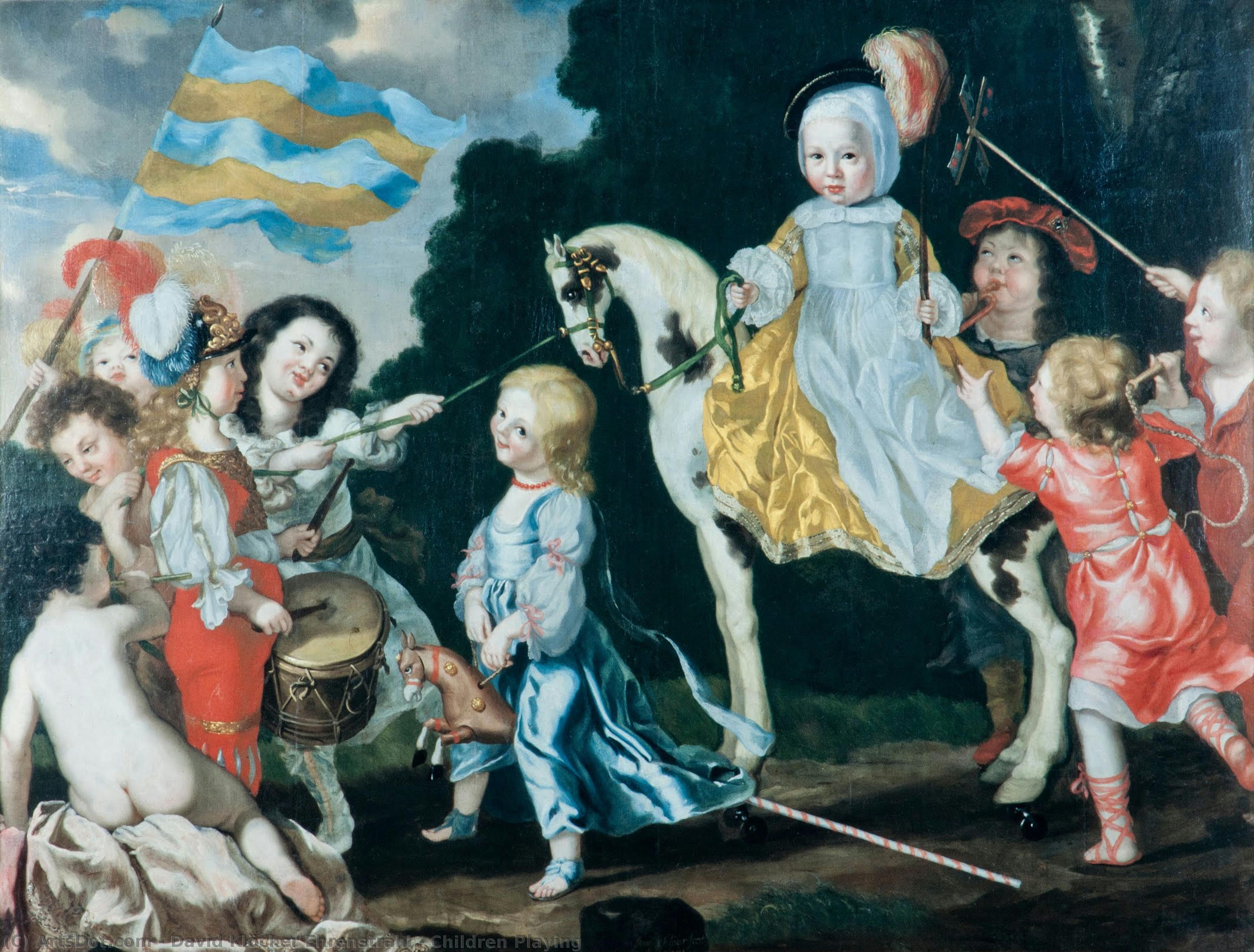
Children Playing


 Ver más
Reproducción al óleo hecha a mano
Óleo sobre lienzo pintado a mano en el tamaño y marco de su elección, realizado por encargo por nuestros artistas. ( Comprar impresión Comprar imagen)




P118B $10

P118H $10

P118W $10

P438Z $10

P508JH $12

P508YH $12

P805H $10

P805Z $10

P919BZ $10

P919G $10

P919XJ $10

P959ZH $10

P968JZ $12

W106C $8

W218G $10

W218JH $8

W218Y $10

W307PJ $10

W316G $10

W316PJ $8

W316Y $10

W398PJ $8

W4111J $10

W500HY $15

W500JH $15

W692G $12

W849H $8

W940BG $15

W953PJ $8




Elija entre nuestros tamaños predefinidos que respetan las proporciones originales de la obra.

Puede ingresar sus propias dimensiones para adaptarse a un marco o espacio específico. Si el tamaño seleccionado no coincide con las proporciones de la imagen original, recortaremos la obra o extenderemos la pintura con elementos adicionales pintados a mano. Se le enviará una maqueta digital para su aprobación antes de comenzar la producción.
Tenga en cuenta que la vista previa en pantalla no refleja el recorte o la extensión reales. Solo la maqueta mostrará con precisión la composición final.
Si bien existen tamaños personalizados, recomendamos seleccionar una dimensión de la lista predefinida para preservar las proporciones originales.
Tras realizar el pedido, el equipo de ArtsDot.com enviará un correo electrónico al cliente para solicitar instrucciones y proporcionarle una vista previa del boceto.
Envío a todo el mundo () en 3-4 semanas en lugar de las 5 semanas estándar. (29 agosto). Sin comprometer la calidad.

Envío exprés gratuito a todo el mundo

Lienzo de lino de alta calidad

Seguro de envío total

Garantía de reembolso de impuestos aduaneros

Garantía de fidelidad cromática exacta

Política de devolución de 60 días (solo por defectos)

Garantía de devolución del 100% del dinero

Descuento por cantidad
 La opción de vidrio solo está disponible en tamaños inferiores a 110 cm.

Children Playing
Técnica de reproducción
Dimensiones de la reproducción
-


Precio total final
$ 263
A Symphony of Youth and Nobility
In the soft, golden light of 1651, a moment of pure, unadulterated joy was captured on canvas by the burgeoning hand of David Klöcker Ehrenstrahl. Children Playing is not merely a depiction of pastoral leisure; it is a vibrant window into the aristocratic life of the Swedish Baroque era. The composition breathes with a lively energy, centering on the young Eleonora Sophia, daughter of the powerful Carl Gustaf Wrangel, perched gracefully upon her horse. Beside her, the rhythmic pulse of childhood is felt through her brother, Carl Philip Wragtel, whose focused attention on his drum adds a percussive heartbeat to the visual melody. This masterpiece serves as an intimate glimpse into a world where the innocence of youth meets the structured grandeur of nobility.
The scene unfolds within a sprawling, sun-drenched field, where the boundaries between nature and domesticity blur beautifully. As one wanders through the painting, the eye is led across a tapestry of interaction: at least nine figures, ranging from tender toddlers to watchful adults, weave a narrative of companionship. The presence of three horses—positioned strategically to guide the viewer's gaze from the center to the periphery—adds a sense of movement and scale to the landscape. Ehrenstrahl’s early mastery is evident in how he captures the tactile reality of the scene, from the sheen on the horses' coats to the spirited expressions of children lost in the magic of their surroundings.
Symbolism and the Allegory of Life
Beyond its surface charm, Children Playing functions as a profound allegory of existence. Painted during Ehrenstrahl’s influential stay at the Wrangel residence in Wolgast, the work is deeply layered with meaning. It is often interpreted as a meditation on the life of Eleonora Sophia herself, surrounded by her siblings—both those present in the flesh and those perhaps lost to time. This interplay between the living and the non-living creates a poignant tension, transforming a simple afternoon of play into a reflection on legacy, family lineage, and the fleeting nature of childhood. The painting captures a sense of "memento vivere"—a reminder to live—while subtly acknowledging the weight of the history that surrounds these young heirs.
For the discerning collector or interior designer, this work offers an unparalleled emotional depth. It possesses the ability to anchor a room with its historical gravity while simultaneously infusing a space with warmth and light. The Baroque technique, characterized by its dramatic use of light and shadow and its emphasis on movement, ensures that the piece remains dynamic regardless of the setting. Whether placed in a grand library or a contemporary living space, a high-quality reproduction of this work invites conversation, evoking a sense of nostalgia for a lost era of elegance and the timeless, universal spirit of play.
Obras relacionadas
Biografía del artista
un noble sueco y un retratista en ciernes
david klöcker ehrenstråhl, noble sueco y maestro del retrato, dejó una huella indeleble en el mundo del arte con sus obras cautivadoras. Nacido el 23 de septiembre de 1628 en Hamburgo, Alemania, la trayectoria artística de Ehrenstråhl es un testimonio vibrante de su talento innato y su inquebrantable dedicación al pincel.primeros años y formación artística
La historia de Ehrenstråhl comenzó como hijo de Johann Klöcker, creciendo entre ocho hermanos. En 1648, emprendió un viaje transformador hacia Ámsterdam, donde se sumergió en los secretos del lienzo bajo la tutela de juriaen jacobsze (1624–1685). Esta formación fundacional no solo pulió su técnica, sino que sentó las bases de sus futuros y grandiosos esfuerzos artísticos.obras notables y grandes logros
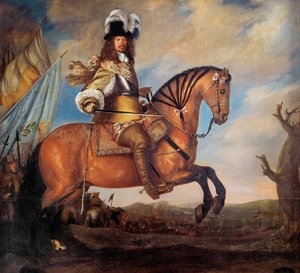
Entre sus creaciones más memorables destaca el conde wrangel a caballo (castillo de skokloster, Suecia, óleo sobre lienzo), una obra firmada y fechada en 1652 que se erige como uno de los primeros retratos ecuestres de una figura no real realizados por el artista. Más tarde, entre 1670 y 1675, alcanzó la gloria con la creación del fresco de techo las grandes hazañas de los reyes suecos en la Casa de los Caballeros de Suecia (riddarhuspalatset), una obra maestra que es considerada el pináculo de su carrera.legado artístico e influencia
El legado de Ehrenstrål trasciende sus propias pinceladas, pues su maestría se extendió a través de la enseñanza de alumnos notables como mikael dahl y david von krafft, así como de su propia hija, anna maria ehrenstrahl. Su influencia en el panorama artístico es un testimonio de su impacto perdurable a través de los siglos.- ver las obras de david klöcker ehrenstråhl en ArtsDot.com
- explorar la biografía de ehrenstråhl en wikipedia
- descubrir más sobre el conde wrangel a caballo en ArtsDot.com
* 23 de septiembre de 1628: nacimiento en Hamburgo, Alemania
* 1648: viaje a Ámsterdam para su formación artística
* 1670-1675: creación del fresco de techo las grandes hazañas de los reyes suecos
* 23 de octubre de 1698: fallecimiento en Estocolmo, Suecia
David Klöcker Ehrenstrahl
1628 - 1698 , Alemania
Datos clave
- Artistic Movement Or Style: Paisaje clásico holandés
- Artists Or Movements Influenced By This Artist:
- Gainsborough
- Constable
- Artists Who Influenced This Artist: ['Salomon van Ruysdael']
- Date Of Birth: 1628/9?
- Date Of Death: 1682
- Full Name: Jacob van Ruisdael
- Nationality: Holandés
- Notable Artworks:
- El cementerio judío
- Vista del castillo de Bentheim
- Un estanque rodeado de árboles
- Place Of Birth: Haarlem, Países Bajos
Artículos relacionados
The Equine Muse: A Historical & Artistic Exploration of Horses in Painting
Explore the captivating history of horses in painting! Discover Renaissance masterpieces, Baroque grandeur & expert insights for collecting equestrian art. Learn about symbolism, techniques & lasting value with ArtsDot.

Drama Barroca: Llevando la Grandeza y la Emoción a los Interiores Contemporáneos
Descubre cómo el drama y la grandeza del arte barroco pueden transformar tus interiores. Guía experta, inspiración y reproducciones de alta calidad en .
The Noble Steed on Canvas: A Historical & Artistic Exploration of Horse Painting Across Cultures
Explore the rich history of horse painting! Discover masterpieces from Stubbs to Munnings & learn about symbolism, techniques & artists. Find museum-quality reproductions at ArtsDot.

The Dramatic Flourish: Exploring the Baroque Movement's Enduring Legacy in Art History
Explore the dramatic world of Baroque art! Discover iconic artists like Caravaggio & Rubens, defining techniques, and its lasting impact on art history. Expert insights for collectors & enthusiasts at ArtsDot.

Barroco Sublime: 10 Obras Maestras que Definieron una Época |
Descubre las 10 obras maestras del Barroco que marcaron una época. Caravaggio, Bernini y Velázquez cobran vida en . Reproducciones de arte de calidad museo para decorar tu hogar con elegancia. ¡Explora la colección online!

