

 Ver en contexto
 Enviar
 Compartir
 Detalles

 Descargar
 Similares
 Radiografía
 Presentación de diapositivas
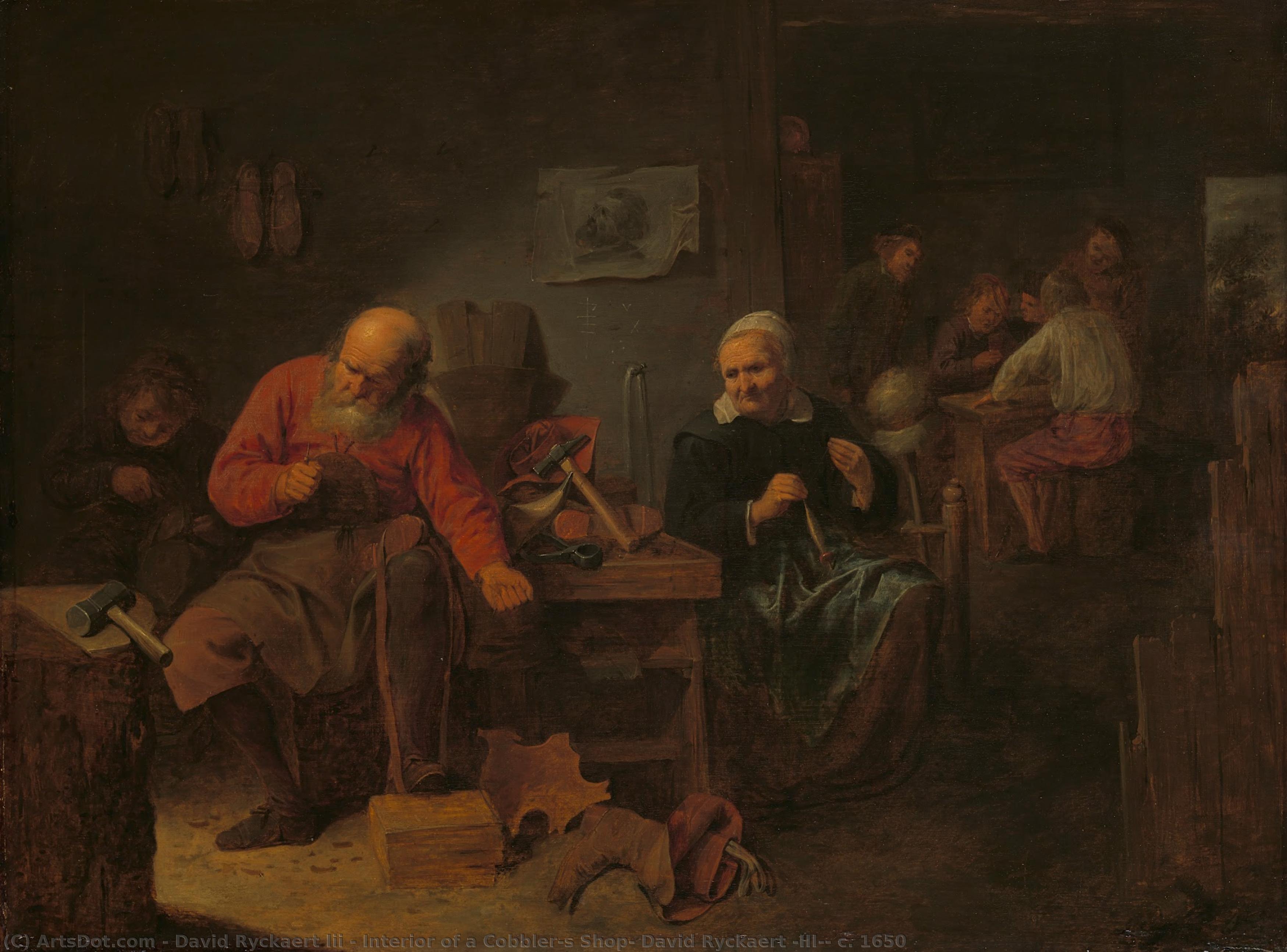
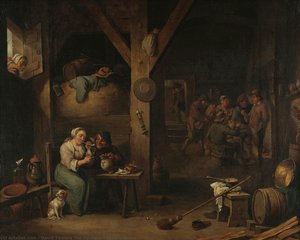
Interior of a Cobbler’s Shop, David Ryckaert (III), c. 1650

 Ver más
Giclée / Impresión de arte
Impresiones giclée o en lienzo de calidad de museo con producción rápida y opciones de acabado flexibles. ( Comprar pintura hecha a mano Comprar imagen)




































Elija entre nuestros tamaños predefinidos que respetan las proporciones originales de la obra.

Puede introducir sus propias dimensiones para adaptarse a un marco o espacio específico. Si el tamaño seleccionado no coincide con las proporciones de la imagen original, recortaremos la obra de arte o extenderemos la imagen con un borde con efecto espejo o de color sólido. Se enviará una maqueta digital para su aprobación antes de que comience la producción.
Tenga en cuenta que la vista previa en pantalla no refleja el recorte o la extensión real. Solo la maqueta mostrará con precisión la composición final.
Aunque existen tamaños personalizados, recomendamos seleccionar una dimensión de la lista predefinida para preservar las proporciones originales.
Envío a todo el mundo () en 2 semanas en lugar de las 4/5 semanas estándar. (2 septiembre)

Envío exprés gratuito a todo el mundo

Lienzo de lino de alta calidad

Seguro de envío total

Garantía de reembolso de impuestos aduaneros

Garantía de fidelidad cromática exacta

Política de devolución de 60 días (solo por defectos)

Garantía de devolución del 100% del dinero

Descuento por cantidad
 La opción de vidrio solo está disponible en tamaños inferiores a 110 cm.

Interior of a Cobbler’s Shop, David Ryckaert (III), c. 1650
Giclée / Impresión de arte
Dimensiones de la reproducción
-


Precio total final
$ 62
Obras relacionadas






Biografía del artista
**vida y carrera**
david ryckaert iii, un destacado pintor flamenco, nació el 2 de diciembre de 1612 en Amberes, Bélgica. Fue el segundo de tres hijos de david rijckaert ii y katelijne de meere. Al ser el único varón, recibió el nombre de su padre, siguiendo la tradición de nomenclatura de su familia. El viaje artístico de david ryckaert iii comenzó bajo la guía de su padre, quien también era pintor y marchante de arte. Alcanzó el rango de maestro en el gremio de San Lucas en Amberes entre 1636 y 1637, y más tarde desempeñó el cargo de decano durante el periodo 1652-53.**contribuciones artísticas**
La obra de david ryckaert iii se caracteriza por sus significativas aportaciones a la pintura de género, particularmente a través de escenas de compañías alegres y campesinos. También exploró visiones infernales e imágenes de alquimistas. Entre sus mecenas se encontraban figuras prominentes como el archiduque Leopoldo Guillermo de Austria, gobernador de los Países Bajos meridionales.- peasant woman with a cat y peasant with a dog, dos pinturas compañeras en el museo Hermitage, demuestran su estilo temprano de género, influenciado por adriaen brouwer.
- dulle griet (mad griet) en el kunsthistorisches museum, Viena, muestra su capacidad para crear escenas cautivadoras de brujas y fantasmas.
**menciones notables y colecciones**
El museo mauritshuis (Países Bajos), reconocido por sus pinturas de la edad de oro holandesa, es una colección notable que puede inspirar a los admiradores de la obra de david ryckaert iii. Asimismo, el museo rockox house (Amberes, Bélgica) ofrece una mirada a la vida y a la colección de arte de nicolaas rockox. La biografía de david ryckaert iii puede explorarse más a fondo en wikipedia: [https://en.wikipedia.org/wiki/david_ryckaert_iii](https://en.wikipedia.org/wiki/david_ryckaert_iii)**legado e influencia**
Como pintor de la corte del gobernador de los Países Bajos meridionales, la obra de david ryckaert iii refleja los matices artísticos de su época. Su influencia en la pintura de género es innegable, convirtiéndolo en una figura notable en la historia del arte flamenco.- vea más obras de david rijckaert iii o david rijckaert el joven en [https://ArtsDot.com/@/david-rijckaert-iii-or-david-rijckaert-the-younger](https://ArtsDot.com/@/david-rijckaert-iii-or-david-rijckaert-the-younger)
- explore la colección del museo mauritshuis (Países Bajos) en /en/art/show/art-d3bksk-en/
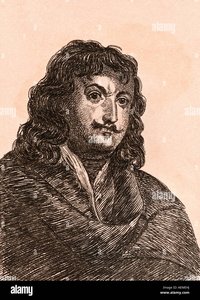
David Rijckaert Iii
1612 - 1661 , Bélgica
Datos clave
- Artistic Movement Or Style: Genre painting
- Artists Or Movements Influenced By This Artist: ['Baroque art']
- Artists Who Influenced This Artist:
- Adriaen Brouwer
- Jan van Eyck
- Date Of Birth: December 2, 1612
- Full Name: David Ryckaert III
- Nationality: Flemish
- Notable Artworks:
- Interior of a Cobbler’s Shop
- L
- Place Of Birth: Antwerp, Belgium

