

 Ver en contexto
 Enviar
 Compartir
 Detalles

 Descargar
 Similares
 Radiografía
 Presentación de diapositivas
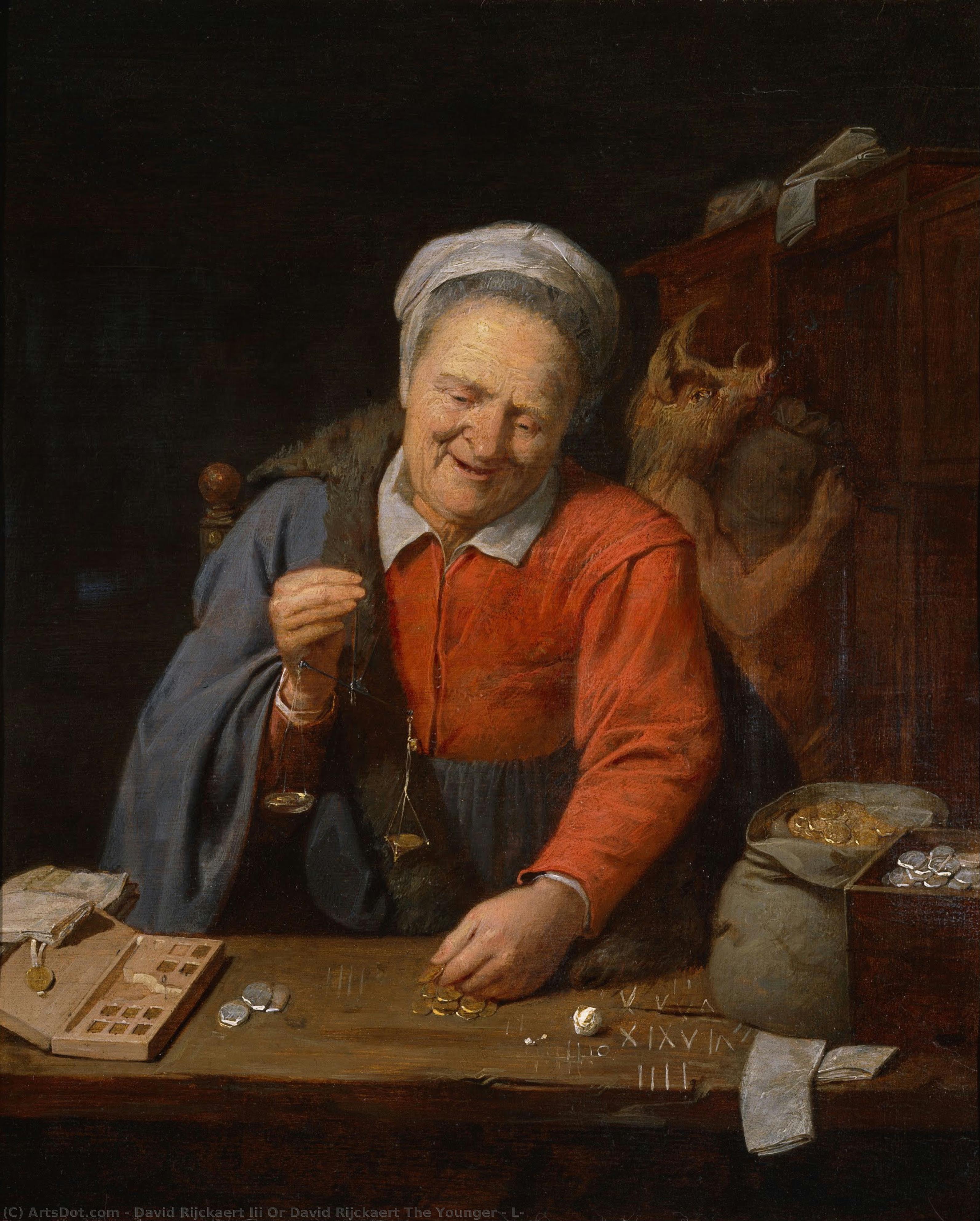
L
 8.0 x 30.0 cm
 Museo de Bellas Artes
 Ver más
Giclée / Impresión de arte
Impresiones giclée o en lienzo de calidad de museo con producción rápida y opciones de acabado flexibles. ( Comprar pintura hecha a mano Comprar imagen)




































Elija entre nuestros tamaños predefinidos que respetan las proporciones originales de la obra.

Puede introducir sus propias dimensiones para adaptarse a un marco o espacio específico. Si el tamaño seleccionado no coincide con las proporciones de la imagen original, recortaremos la obra de arte o extenderemos la imagen con un borde con efecto espejo o de color sólido. Se enviará una maqueta digital para su aprobación antes de que comience la producción.
Tenga en cuenta que la vista previa en pantalla no refleja el recorte o la extensión real. Solo la maqueta mostrará con precisión la composición final.
Aunque existen tamaños personalizados, recomendamos seleccionar una dimensión de la lista predefinida para preservar las proporciones originales.
Envío a todo el mundo () en 2 semanas en lugar de las 4/5 semanas estándar. (28 agosto)

Envío exprés gratuito a todo el mundo

Lienzo de lino de alta calidad

Seguro de envío total

Garantía de reembolso de impuestos aduaneros

Garantía de fidelidad cromática exacta

Política de devolución de 60 días (solo por defectos)

Garantía de devolución del 100% del dinero

Descuento por cantidad
 La opción de vidrio solo está disponible en tamaños inferiores a 110 cm.

L
Giclée / Impresión de arte
Dimensiones de la reproducción
-


Precio total final
$ 62
Obras relacionadas







Biografía del artista
David Ryckaert III (1612 - ArtsDot.com
David Ryckaert III, David Rijckaert III or David Rijckaert the Younger (2 December 1612, Antwerp – 11 November 1661, Antwerp) was a Flemish painter known for his contribution to genre painting, in particular through his scenes of merry companies and peasants. He also painted hell scenes and images of alchemists. He enjoyed the patronage of prominent patrons and was a painter to the court of the governor of the Southern Netherlands. David Ryckaert III was born in Antwerp on 2 December 1612 and was baptized in the St. James’ Church on the same date. He was the second of three children of David Rijckaert II and Katelijne de Meere (or Catharina de Merre). As the only son, he was named after his father, following the family's naming tradition. A member of the Ryckaert (or Rijckaert) family of artists, he was the grandson of David Rijckaert I and the nephew of Marten Ryckaert. He had an uncle called Pauwels who was also a painter, but of whom no known works exist. His father was a painter and art dealer. It was earlier believed that his father was a painter of landscapes and genre scenes. This view changed when in 1995 Christie’s auctioned a painting referred to as Still life with shells with a nautilus, vases, glasses and Chinese porcelain, which was signed and dated 'DAVIDT.RYCKAERTS. / .1616.' The art historian Fred Meijer was able to attribute this work to David Rijckaert II. This led to the attribution to David Rijckaert II of more still life works. David Ryckaert III was a pupil of his father. He became master of the Guild of Saint Luke in Antwerp in 1636-37 and was registered as a 'wijnmeester', i.e. the son of a master. He held the position of dean of the Guild in 1652–53. He was one of the many Antwerp artists who were invited to work on the decorations for the Joyous Entry into Antwerp of the new governor of the Habsburg Netherlands Cardinal-Infante Ferdinand in 1635. Rubens was in overall charge of this project. Ryckaert was tasked to paint together with Antwerp painter Jan van Eyck the final triumphal arch for the event. The painting was an allegorical representation of the glorification of Cardinal-Infante Ferdinand. He was the teacher of Hans la Croys, Jacob Lafosse II and Erasmus de Bie. His sister Margaret married his father's pupil Gonzales Coques who became a successful painter. David Ryckaert III worked his entire career in Antwerp. He married on 31 August 1647 with Jacoba Palmans with whom he had eight children. His work is characterized by his significant contributions to genre painting, particularly through his scenes of merry companies and peasants. He also explored hell scenes and images of alchemists. His patrons included Archduke Leopold Wilhelm of Austria, the governor of the Southern Netherlands from 1647 until 1656. David Ryckaert III’s paintings are notable for their vivid depictions of everyday life and religious themes. They reflect the artistic spirit of the Baroque period and demonstrate a masterful understanding of composition and color. David Ryckaert III's influence extended beyond his immediate contemporaries, shaping the visual language of genre painting in Flanders. His works continue to inspire artists today and are treasured for their expressive power and emotional depth. He is remembered as one of Antwerp’s most prolific and respected painters, leaving behind a legacy that endures through his enduring artistic achievements.- Notable artworks: “Interior of a Cobbler’s Shop”, “L”
- Influenced by: Adriaen Brouwer, Pieter Teniers
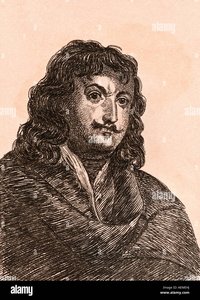
David Rijckaert Iii
1612 - 1661 , Bélgica
Datos clave
- Artistic Movement Or Style: Genre painting
- Artists Or Movements Influenced By This Artist: ['Baroque art']
- Artists Who Influenced This Artist:
- Adriaen Brouwer
- Jan van Eyck
- Date Of Birth: December 2, 1612
- Full Name: David Ryckaert III
- Nationality: Flemish
- Notable Artworks:
- Interior of a Cobbler’s Shop
- L
- Place Of Birth: Antwerp, Belgium

