 Ver en contexto
 Enviar
 Compartir
 Detalles

 Descargar
 Similares
 Radiografía
 Presentación de diapositivas
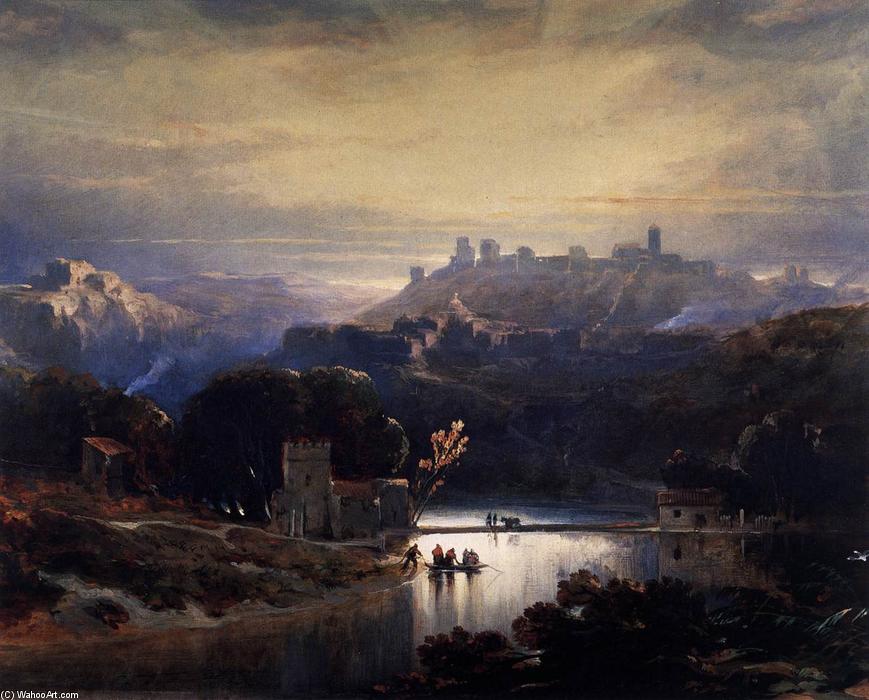
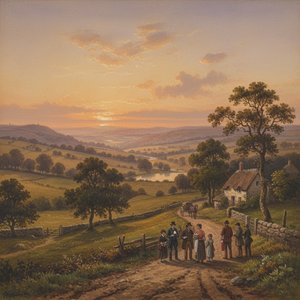
The Castle of Alcalá de Guadaira
 Oil On Canvas
- WallArt
- Romanticism
 1830
1830 40.0 x 48.0 cm
 Museo del Prado
 Ver más
Reproducción al óleo hecha a mano
Óleo sobre lienzo pintado a mano en el tamaño y marco de su elección, realizado por encargo por nuestros artistas. ( Comprar impresión Comprar imagen)




P118B $10

P118H $10

P118W $10

P438Z $10

P508JH $12

P508YH $12

P805H $10

P805Z $10

P919BZ $10

P919G $10

P919XJ $10

P959ZH $10

P968JZ $12

W106C $8

W218G $10

W218JH $8

W218Y $10

W307PJ $10

W316G $10

W316PJ $8

W316Y $10

W398PJ $8

W4111J $10

W500HY $15

W500JH $15

W692G $12

W849H $8

W940BG $15

W953PJ $8




Elija entre nuestros tamaños predefinidos que respetan las proporciones originales de la obra.

Puede ingresar sus propias dimensiones para adaptarse a un marco o espacio específico. Si el tamaño seleccionado no coincide con las proporciones de la imagen original, recortaremos la obra o extenderemos la pintura con elementos adicionales pintados a mano. Se le enviará una maqueta digital para su aprobación antes de comenzar la producción.
Tenga en cuenta que la vista previa en pantalla no refleja el recorte o la extensión reales. Solo la maqueta mostrará con precisión la composición final.
Si bien existen tamaños personalizados, recomendamos seleccionar una dimensión de la lista predefinida para preservar las proporciones originales.
Tras realizar el pedido, el equipo de ArtsDot.com enviará un correo electrónico al cliente para solicitar instrucciones y proporcionarle una vista previa del boceto.
Envío a todo el mundo () en 3-4 semanas en lugar de las 5 semanas estándar. (23 agosto). Sin comprometer la calidad.

Envío exprés gratuito a todo el mundo

Lienzo de lino de alta calidad

Seguro de envío total

Garantía de reembolso de impuestos aduaneros

Garantía de fidelidad cromática exacta

Política de devolución de 60 días (solo por defectos)

Garantía de devolución del 100% del dinero

Descuento por cantidad
 La opción de vidrio solo está disponible en tamaños inferiores a 110 cm.

The Castle of Alcalá de Guadaira
Técnica de reproducción
Dimensiones de la reproducción
-


Precio total final
$ 263
Descripción de la obra
A Distant Majesty: David Roberts’ “The Castle of Alcalá de Guadaira”
David Roberts' "The Castle of Alcalá de Guadaira," painted in 1830, isn’t merely a landscape; it’s a carefully constructed vision of Romanticism – a yearning for the sublime intertwined with an appreciation for human settlement. This expansive canvas transports us to the rolling hills and hazy vistas of Andalusia, Spain, offering a glimpse into a world both familiar and profoundly distant. The painting immediately establishes a sense of atmospheric depth, achieved through Roberts’ masterful use of color and light, creating an almost dreamlike quality that draws the viewer into its serene expanse.
The composition itself is deliberately horizontal, emphasizing the vastness of the landscape and lending it a feeling of timelessness. A body of water dominates the foreground, acting as a mirror to the distant cityscape – a subtle connection between the earthly realm and the heavens. Scattered across this water are small boats, populated by figures that suggest leisurely pursuits, hinting at the pleasures of travel and escape. However, the true focal point lies in the background: the ruins of Alcalá de Guadaira’s medieval castle, partially obscured by atmospheric haze. This strategic placement elevates the castle not as a symbol of power or defense, but rather as an echo of a bygone era, blending seamlessly into the landscape.
Romanticism and the Sublime
Roberts' work firmly anchors itself within the Romantic movement, a period characterized by an intense fascination with nature’s grandeur and the emotional response it evokes. The painting embodies this spirit through its emphasis on dramatic light, atmospheric perspective, and the depiction of untamed beauty. The hazy atmosphere, rendered in soft blues, purples, and greys, isn't simply decorative; it actively contributes to a sense of mystery and awe – a key element of the Romantic concept of the “sublime.” The sublime wasn’t about terror, but rather an overwhelming feeling of grandeur that simultaneously inspired reverence and a humbling awareness of one’s own insignificance in the face of nature’s power.
Roberts' background as a scenic designer for the Drury Lane theatre undoubtedly informed his approach to landscape painting. He was accustomed to creating immersive environments, and this experience is evident in the meticulous detail with which he renders the distant cityscape and the subtle variations in color across the rolling hills. The careful balance between realism and artistic license reflects the Romantic ideal of capturing not just a literal representation of nature, but also its emotional essence.
Technique and Artistic Detail
Examining the painting’s technique reveals a sophisticated understanding of oil paint and layering. Roberts employs loose brushwork, particularly in the sky and distant mountains, creating a sense of movement and dynamism. The colors are blended seamlessly, contributing to the overall atmospheric effect. Noticeable texture is achieved through these deliberate brushstrokes – the soft, layered application of pigment gives the painting a tactile quality, inviting the viewer to almost feel the warmth of the sun on the landscape.
The flattened perspective, prioritizing breadth over strict realism, further enhances the sense of vastness. Roberts skillfully uses atmospheric perspective—objects in the distance appear paler and less distinct—to create an illusion of depth without resorting to traditional linear techniques. This approach is characteristic of Romantic painting, which often prioritized emotional impact over photographic accuracy.
Symbolism and Legacy
"The Castle of Alcalá de Guadaira" transcends a simple depiction of a landscape; it’s laden with symbolic meaning. The castle represents the remnants of civilization – a testament to human ambition and ingenuity, yet now integrated into the natural world. It speaks to the cyclical nature of time, suggesting that even the most imposing structures eventually succumb to the forces of nature. The painting, therefore, becomes a meditation on humanity’s relationship with the environment, a theme that continues to resonate today.
David Roberts' work is now recognized as a cornerstone of Orientalist art and a significant contribution to Romantic landscape painting. Reproductions of “The Castle of Alcalá de Guadaira” offer a beautiful way to bring this evocative scene into any space, capturing the spirit of the Romantic era and inviting contemplation on the enduring power of nature’s beauty.
Obras relacionadas
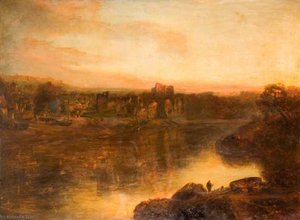
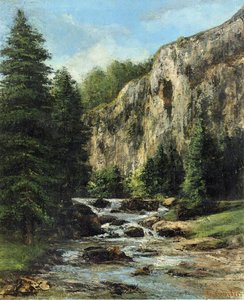
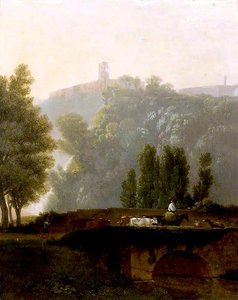
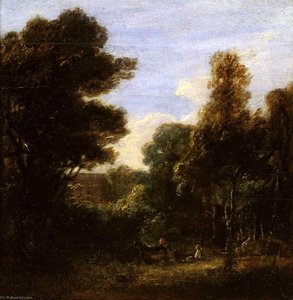
Biografía del artista
David Roberts: Una Vida en el Arte
David Roberts (1796-1864) fue un pintor escocés celebrado por sus detalladas escenas orientalistas y meticulosas litografías. Su obra proporciona una valiosa documentación visual del Oriente Medio durante el siglo XIX, conectando la representación artística con el registro histórico.
Vida Temprana y Carrera
Nacido el 24 de octubre de 1796 en Stockbridge cerca de Edimburgo, la vida temprana de Roberts estuvo marcada por una formación práctica. A los diez años, comenzó un aprendizaje con el pintor y decorador Gavin Beugo. Esta experiencia fundamental inculcó un sólido conjunto de habilidades técnicas, que complementó con estudios artísticos nocturnos.
Su trabajo profesional inicial incluyó la decoración de Scone Palace en 1815. Luego pasó a la pintura de escenas para el circo de James Bannister, perfeccionando sus habilidades en la creación de entornos inmersivos. Estas experiencias tempranas sentaron las bases para su posterior éxito como un destacado pintor orientalista.
Viaje Artístico e Influencias
El desarrollo artístico de Roberts fue moldeado por una creciente fascinación con diferentes culturas y paisajes. Si bien inicialmente se centró en la escenografía teatral, gradualmente se trasladó a más búsquedas artísticas independientes. Sus viajes a España en 1832 fueron formativos, despertando un interés en los detalles arquitectónicos y los lugares exóticos.
Sin embargo, fue su extensa gira por Egipto y el Cercano Oriente (1838-1840) lo que realmente definió su carrera. Estos viajes le proporcionaron una gran cantidad de bocetos y observaciones que luego tradujo en sus obras más famosas. Su estilo no estuvo fuertemente influenciado por ningún artista, sino que se desarrolló a partir de la observación cuidadosa y la maestría técnica.
Obras Notables y Logros
Roberts es mejor conocido por La Tierra Santa, Siria, Idumea, Arabia, Egipto y Nubia – una serie de meticulosas impresiones litográficas. Estas imágenes capturaron la grandeza de los sitios antiguos y la vitalidad de la vida contemporánea en la región.
- Impresiones: Sus impresiones fueron ampliamente difundidas y se convirtieron en altamente influyentes para dar forma a las percepciones europeas del Oriente Medio.
- Pinturas: También produjo numerosas pinturas al óleo, a menudo obras a gran escala que representaban paisajes expansivos y maravillas arquitectónicas.
En 1841, Roberts fue elegido como Académico Real – un reconocimiento significativo de sus contribuciones al mundo del arte.
Estilo Artístico y Características
El estilo artístico de Roberts se caracteriza por:
- Orientalismo: Un fuerte enfoque en la representación de escenas del Medio Oriente, reflejando la fascinación europea por “el Oriente.”
- Atención al Detalle: Su obra es reconocida por su precisión y exactitud en el renderizado de detalles arquitectónicos, trajes y paisajes.
- Paisajismo & Ciudades: Combinó hábilmente sensibilidades románticas con la observación detallada, creando representaciones evocadoras tanto de entornos naturales como de entornos urbanos.
Legado e Importancia Histórica
El trabajo de David Roberts desempeñó un papel crucial en la popularización del Medio Oriente entre el público europeo. Sus imágenes proporcionaron una ventana visual a una región que era en gran medida desconocida para muchos, influyendo en los viajes, la erudición y la representación artística.
Sus impresiones sirvieron como importantes documentos históricos, preservando imágenes de sitios que desde entonces han cambiado o se han perdido. Dejó una huella imborrable en el mundo del arte, inspirando a generaciones posteriores de artistas y cautivando a los espectadores hasta el día de hoy.
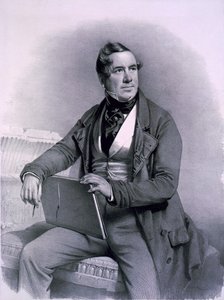
David Roberts
1796 - 1864 , United Kingdom
Datos clave
- Artistic Movement Or Style: Orientalismo
- Artists Or Movements Influenced By This Artist: ['Romanticismo']
- Artists Who Influenced This Artist: ['Gavin Beugo']
- Date Of Birth: Stockbridge, Reino Unido (1796)
- Date Of Death: Londres (1864)
- Full Name: David Roberts
- Nationality: Escocés
- Notable Artworks:
- La Tierra Santa
- Siria, Idumea, Arabia, Egipto y Nubia
- Place Of Birth: Stockbridge
Artículos relacionados

Paisajes Románticos: 10 Obras Maestras que Definieron un Movimiento Artístico
Descubre los 10 paisajes románticos más influyentes de artistas como Caspar David Friedrich y Turner. Explora la belleza, el simbolismo y las técnicas del movimiento romántico. Reproducciones de arte exclusivas en ArtsDot.com.
El Sublime y lo Pintoresco: Explorando la Emoción y la Naturaleza en la Pintura Romántica de Paisaje
Explora la profunda conexión entre el arte romántico y la naturaleza. Descubre a Caspar David Friedrich, John Constable y otros maestros del sublime y lo pintoresco. Análisis experto e historia del movimiento.
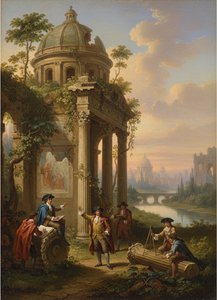
Hubert Robert: Picturing Ruins, Preserving Memory – A Study of Romantic Antiquarianism & Artistic Innovation
Explore the captivating world of Hubert Robert, master of Romantic landscape painting & 'capriccio' ruins. Discover his historical context, artistic innovations, and collecting insights with ArtsDot.

David Roberts: A Scottish Pioneer of Topographical Art & Orientalist Vision
Explore the captivating world of David Roberts, a pioneering Scottish painter renowned for his detailed Orientalist scenes & stunning Egyptian landscapes. Discover his legacy and find museum-quality reproductions at ArtsDot.
David Cox the Elder: Landscape, Light & the Romantic Vision of Rural England
Explore the captivating landscapes of David Cox the Elder, a pivotal figure in British Romanticism. Discover his masterful watercolour techniques, enduring legacy & find timeless art for your home at ArtsDot.