 Ver en contexto
 Enviar
 Compartir
 Detalles

 Descargar
 Similares
 Radiografía
 Presentación de diapositivas
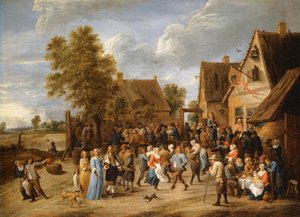
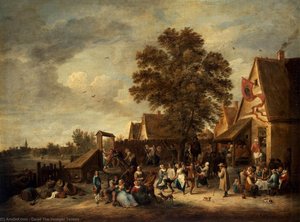
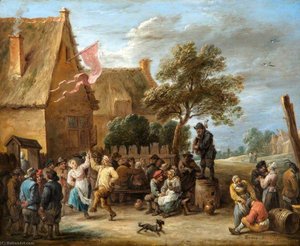
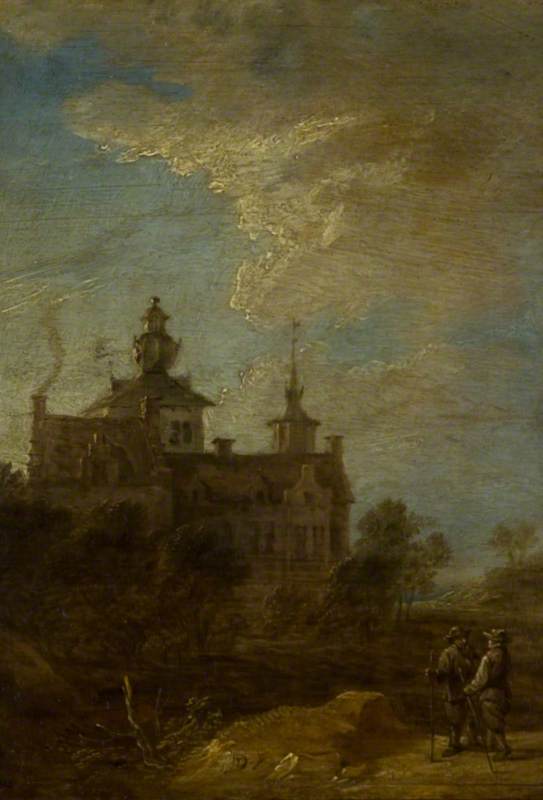
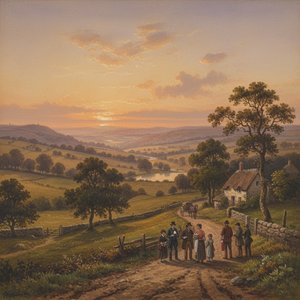
A Landscape with Peasants before a Large Mansion
 Oil On Panel
- Baroque Period
 15.0 x 12.0 cm
 The National Trust For Scotland
 Ver más
Giclée / Impresión de arte
Impresiones giclée o en lienzo de calidad de museo con producción rápida y opciones de acabado flexibles. ( Comprar pintura hecha a mano Comprar imagen)




P118B $10

P118H $10

P118W $10

P438Z $10

P508JH $12

P508YH $12

P805H $10

P805Z $10

P919BZ $10

P919G $10

P919XJ $10

P959ZH $10

P968JZ $12

W106C $8

W218G $10

W218JH $8

W218Y $10

W307PJ $10

W316G $10

W316PJ $8

W316Y $10

W398PJ $8

W4111J $10

W500HY $15

W500JH $15

W692G $12

W849H $8

W940BG $15

W953PJ $8




Elija entre nuestros tamaños predefinidos que respetan las proporciones originales de la obra.

Puede introducir sus propias dimensiones para adaptarse a un marco o espacio específico. Si el tamaño seleccionado no coincide con las proporciones de la imagen original, recortaremos la obra de arte o extenderemos la imagen con un borde con efecto espejo o de color sólido. Se enviará una maqueta digital para su aprobación antes de que comience la producción.
Tenga en cuenta que la vista previa en pantalla no refleja el recorte o la extensión real. Solo la maqueta mostrará con precisión la composición final.
Aunque existen tamaños personalizados, recomendamos seleccionar una dimensión de la lista predefinida para preservar las proporciones originales.
Envío a todo el mundo () en 2 semanas en lugar de las 4/5 semanas estándar. (25 agosto)

Envío exprés gratuito a todo el mundo

Lienzo de lino de alta calidad

Seguro de envío total

Garantía de reembolso de impuestos aduaneros

Garantía de fidelidad cromática exacta

Política de devolución de 60 días (solo por defectos)

Garantía de devolución del 100% del dinero

Descuento por cantidad
 La opción de vidrio solo está disponible en tamaños inferiores a 110 cm.

A Landscape with Peasants before a Large Mansion
Giclée / Impresión de arte
Dimensiones de la reproducción
-


Precio total final
$ 62
Descripción de la pieza
A Window Into Baroque Flanders: David Teniers’ Landscape with Peasants
The painting “A Landscape with Peasants before a Large Mansion,” attributed to David Teniers the Younger, offers a captivating glimpse into the artistic sensibilities of Baroque Flanders—a period defined by grandeur, dramatic lighting, and meticulous detail. Executed sometime around 1670, this artwork resides within the esteemed Brodick Castle collection in Scotland, having been gifted to the National Trust for Scotland in 1957 by the third Marquess of Douglas and Clyde. Its diminutive size – measuring 15 x 12 cm – belies its profound artistic merit and enduring appeal.The Scene: A Symphony of Light and Texture
Teniers’ masterful depiction captures a quintessential Baroque landscape, prioritizing atmospheric perspective to convey depth and realism. Dominating the canvas is an imposing mansion—likely representing a noble estate—characterized by towering walls adorned with ornate carvings and crowned with elaborate spires. These architectural elements speak to the wealth and prestige of their owner, reflecting the societal values of the era. Surrounding the mansion are expansive meadows populated with mature trees that frame the composition, creating a harmonious interplay between man-made structures and natural beauty. The artist skillfully employs chiaroscuro—the dramatic contrast between light and shadow—to illuminate the scene, casting long shadows across the meadow and highlighting the textures of foliage and stone. This technique wasn’t merely aesthetically pleasing; it served to heighten emotional impact, mirroring the Baroque fascination with conveying profound feelings through visual representation.Style and Technique: Flemish Precision Meets Artistic Expression
Teniers adhered rigorously to the conventions of Flemish landscape painting during his time, demonstrating exceptional technical skill. He utilized oil paint on panel—a favored medium for artists of the period—allowing him to achieve luminous colors and nuanced gradations of tone. The artist’s meticulous brushwork contributes to the painting's remarkable realism, capturing subtle variations in surface texture and color with astonishing accuracy. However, Teniers wasn’t simply replicating reality; he infused his work with artistic interpretation. The inclusion of three peasants engaged in conversation—a common motif in genre paintings—adds a human element to the landscape, prompting contemplation on themes of rural life and social hierarchy. Their placement strategically positioned at the lower right corner serves as a visual anchor, emphasizing the scale of the mansion and reinforcing its symbolic significance.Historical Context: Rubensian Influence and Societal Values
David Teniers’ artistic trajectory was undeniably shaped by the influence of Peter Paul Rubens—the undisputed titan of Flemish Baroque painting. Rubens championed dramatic lighting and opulent color palettes, establishing a stylistic precedent that resonated throughout Flanders. Like Rubens, Teniers sought to elevate landscape painting beyond mere topographical representation, aiming instead to evoke emotion and convey moral lessons. The mansion itself embodies the aspirations of aristocratic families during the seventeenth century—a desire for grandeur, stability, and social status—reflecting the broader cultural preoccupation with portraying idealized visions of noble life.Emotional Resonance: A Moment Frozen in Time
Ultimately, “A Landscape with Peasants before a Large Mansion” transcends its formal qualities to communicate a powerful emotional resonance. The painting’s serene beauty juxtaposed with the imposing architecture evokes feelings of awe and contemplation—a hallmark of Baroque art's ambition to engage viewers on an intellectual and affective level. It serves as a poignant reminder of a bygone era, capturing not only the visual splendor of Flemish landscape painting but also its enduring capacity to inspire wonder and provoke reflection. Its presence within Brodick Castle ensures that this masterpiece continues to captivate audiences today, offering a tangible connection to the artistic heritage of Baroque Flanders.Obras relacionadas
Biografía del artista
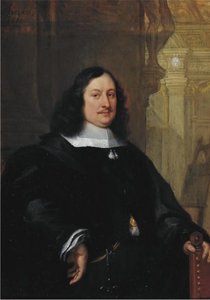
David Teniers el Joven: Vida y Legado
Primeros Años y Orígenes Familiares
- Nacido: Amberes, Bélgica, 15 de diciembre de 1610.
- David Teniers el Joven provenía de una familia profundamente arraigada en la tradición artística de Flandes. Su padre, David Teniers el Viejo, también era pintor, y varios de sus hermanos siguieron carreras artísticas.
- Formación: Inicialmente estudió bajo la tutela de su padre, recibiendo formación fundamental en técnicas y estilos pictóricos.
- La familia enfrentó dificultades financieras en ocasiones, lo que llevó a David joven a realizar copias de pinturas de maestros antiguos para contribuir al sustento familiar.
Desarrollo Artístico e Influencias
- Primeras Influencias: Su obra temprana estuvo fuertemente influenciada por el estilo de su padre, centrándose en pinturas de gabinete a menor escala. También absorbió influencias de otros maestros flamencos como Pieter Bruegel el Viejo.
- Impacto de Rubens: Un momento crucial en el desarrollo de Teniers llegó a través de su asociación con Peter Paul Rubens. Se casó con Anna Brueghel, hija de Jan Brueghel el Viejo, y Rubens fue testigo en su boda, estableciendo una estrecha relación.
- Especialización en Género: Teniers se especializó gradualmente en la pintura de género – representaciones de la vida cotidiana – convirtiéndose en renombrado por sus vívidas escenas de festivales campesinos (kermesses), interiores de tabernas y paisajes rurales.
Obras Principales y Estilo Artístico
- Escenas de Género: Sus obras más celebradas son sus pinturas de género. Estas a menudo representan escenas bulliciosas de la vida campesina llenas de alegría, baile, bebida y juegos.
- Pinturas de Kermess: La serie “Flemish Kermess” ejemplifica su estilo – colores vibrantes, composiciones detalladas y una aguda observación del comportamiento humano.
- Pintura de Paisaje: Teniers también produjo encantadores paisajes, a menudo incorporando figuras dedicadas a actividades rurales.
- Interiores de Taberna: Sus escenas de taberna son particularmente notables por su realista representación de la vida cotidiana y el ambiente animado dentro de estos establecimientos.
Pintor de la Corte y Curador
- Servicio al Archiduque Leopoldo Guillermo: El talento de Teniers ganó reconocimiento en la corte Habsburgo. Se convirtió en pintor de la corte y curador para el Archiduque Leopoldo Guillermo, Gobernador General de los Países Bajos españoles.
- Gestión de Colecciones: Como curador, fue responsable de gestionar la extensa colección de arte del archiduque, creando un inventario y catalogando las obras.
- Fundación de la Academia de Amberes: Teniers jugó un papel crucial en el establecimiento de la Academia de Bellas Artes de Amberes, con el objetivo de revitalizar la pintura flamenca después de un período de declive tras las muertes de Rubens y Van Dyck.
Significado Histórico y Legado
- Principal Pintor de Género: David Teniers el Joven es considerado el principal pintor flamenco de género de su época, capturando la esencia de la vida del siglo XVII con notable habilidad.
- Influencia en Artistas Posteriores: Su obra influyó en generaciones posteriores de pintores del norte de Europa e incluso impactó a artistas rococó franceses como Antoine Watteau.
- Producción Prolífica: Teniers fue un artista increíblemente prolífico, produciendo una vasta cantidad de trabajo que continúa siendo admirado por su encanto, detalle y perspicacia histórica.
- Muerte: Falleció en Amberes el 25 de abril de 1690, dejando atrás un legado duradero como uno de los pintores barrocos más importantes de Flandes.
David Teniers el Joven
1610 - 1690 , Bélgica
Datos clave
- Artistas Que Influyeron:
- Peter Paul Rubens
- Pieter Bruegel el Viejo
- Estilo Artístico: Barroco
- Fecha De Muerte: 25 de abril de 1690
- Fecha De Nacimiento: 15 de diciembre de 1610
- Influenció A Artistas: ['Antoine Watteau']
- Lugar De Nacimiento: Amberes, Bélgica
- Nacionalidad: Flamenco
- Nombre Completo: David Teniers el Joven
- Obras Notables:
- Dos borrachos
- Escena de aldea
- Escena de cocina
- Kermesse flamenca
Artículos relacionados
David Teniers the Younger: Genre Painting & Social Commentary in Baroque Flanders
Explore the captivating world of David Teniers the Younger, a leading Flemish Baroque painter. Discover his genre scenes, social commentary, and lasting influence on 17th-century art. Learn about his life, techniques & legacy.
David Teniers II: Master of Flemish Genre & Social Commentary
Explore the captivating world of David Teniers II, a leading Flemish Baroque painter renowned for his lively genre scenes & insightful social commentary. Discover his masterpieces and legacy with ArtsDot.

Paisajes Románticos: 10 Obras Maestras que Definieron un Movimiento Artístico
Descubre los 10 paisajes románticos más influyentes de artistas como Caspar David Friedrich y Turner. Explora la belleza, el simbolismo y las técnicas del movimiento romántico. Reproducciones de arte exclusivas en ArtsDot.com.

Evocations of Place: A Historical Journey Through Landscape Art
Explore the rich history of landscape art with ArtsDot. Discover renowned artists, movements like Impressionism & Romanticism, and expert guidance for collecting timeless pieces. Find your perfect serene escape today!
David Cox the Elder: Landscape, Light & the Romantic Vision of Rural England
Explore the captivating landscapes of David Cox the Elder, a pivotal figure in British Romanticism. Discover his masterful watercolour techniques, enduring legacy & find timeless art for your home at ArtsDot.