

 Ver en contexto
 Enviar
 Compartir
 Detalles

 Descargar
 Similares
 Radiografía
 Presentación de diapositivas
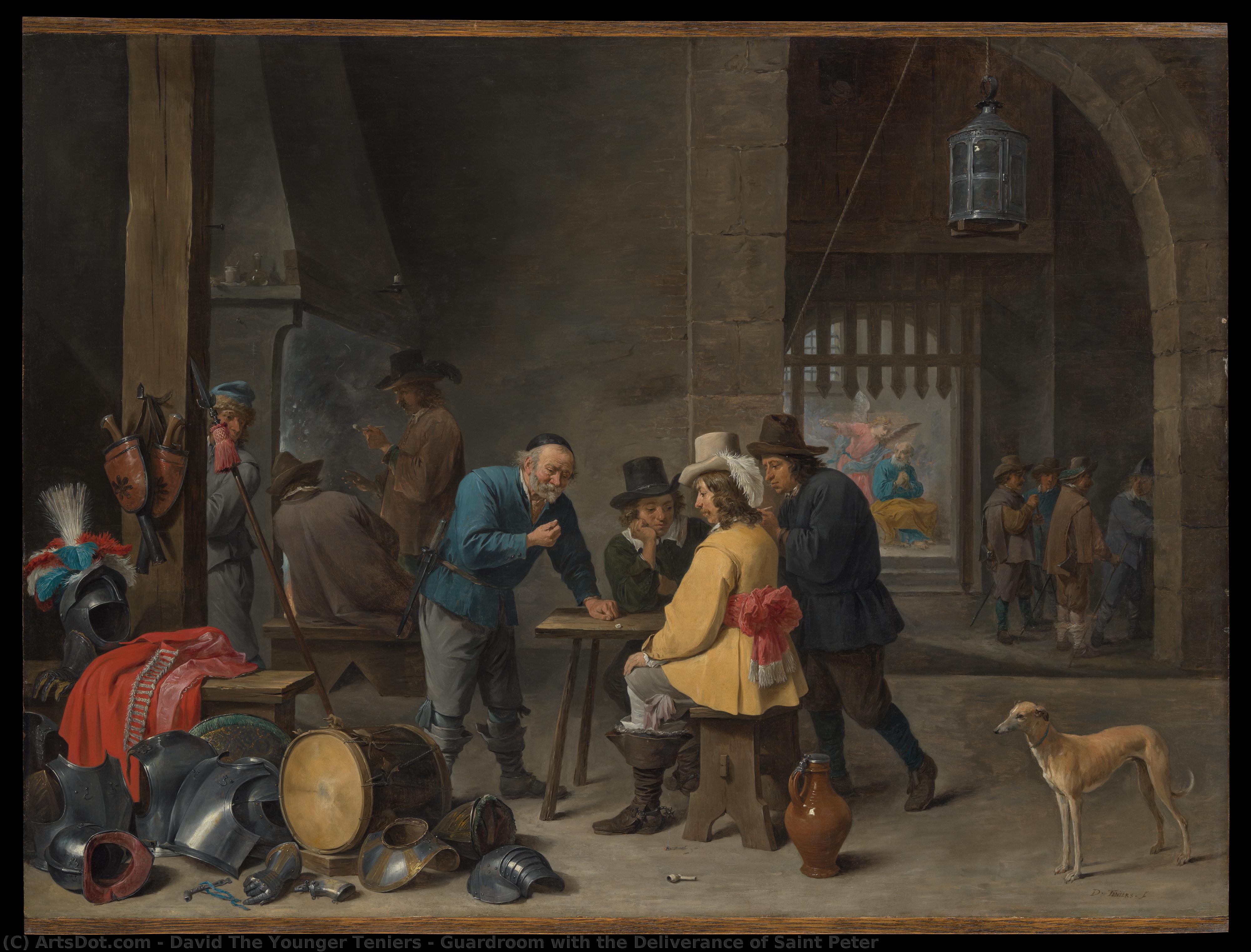
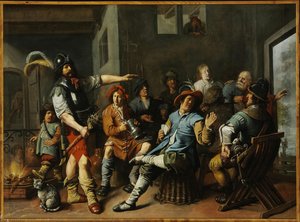
Guardroom with the Deliverance of Saint Peter
 Oil On Canvas
- WallArt
- Baroque Illusionism
 1645
1645- Early Modern
 55.0 x 76.0 cm
 Museo Metropolitano de Arte
 Ver más
Adquiera una imagen digital de alta resolución y optimizada, muy superior a la vista previa en línea.
Cada archivo es preparado meticulosamente por nuestros especialistas internos mediante el uso de herramientas avanzadas y un experto retoque manual. Nos aseguramos de que cada imagen posea una claridad excepcional, una precisión cromática impecable y un detalle minucioso.
El archivo final se entrega por correo electrónico en un plazo de 72 horas, optimizado para su uso inmediato en entornos profesionales, editoriales y de impresión. Esta es la misma calidad en la que confían los estudios de diseño, las editoriales y las galerías de primer nivel.
Imagen Digital
Descarga un archivo de alta resolución para exhibición personal, impresión y proyectos creativos. ( Comprar impresión Comprar pintura hecha a mano)
Incluido en cada pedido de imágenes digitales
Entrega digital experta, garantizada.
Al elegir ArtsDot.com, no solo está adquiriendo una imagen; está recibiendo una obra de arte digital mejorada profesionalmente, elaborada con precisión y respaldada por una garantía de satisfacción. Esto es todo lo que incluye su pedido, automáticamente:

Entrega rápida por email
Recibirá su archivo de imagen digital en alta resolución por correo electrónico en un plazo de 72 horas tras realizar su pedido, listo para su uso inmediato.

Archivo digital optimizado por IA
Su obra de arte se optimiza profesionalmente mediante herramientas avanzadas de IA y edición manual, garantizando el máximo detalle, claridad y precisión cromática.

Reenvío gratuito de por vida
¿Has borrado o perdido tu archivo por error? No te preocupes: te lo volveremos a enviar en cualquier momento, sin coste adicional.

Sin gastos de importación, siempre
Disfrute de su obra de arte al instante sin aduanas, aranceles ni gastos de envío; las descargas digitales siempre están libres de impuestos.

Garantía de fidelidad de color
Garantizamos que su imagen digital refleje los colores originales con la mayor fidelidad posible, mediante el uso de herramientas profesionales y gestión del color.

Garantía de satisfacción de 60 días
Si no está satisfecho con su imagen digital, la revisaremos o le reembolsaremos el 100% en un plazo de 60 días, sin preguntas.

100% Garantía de devolución de dinero
¿No está satisfecho? Obtenga un reembolso completo dentro de los 60 días posteriores a la recepción de su archivo digital, sin necesidad de explicaciones.

Descuentos por pedidos grandes
Compra 3 imágenes, ahorra 10% - Compra 5, ahorra 15% - Compra 10+, ahorra 20%. Ideal para proyectos creativos, galerías y agencias.
A Masterpiece of Mundane Devotion
In the dim, atmospheric light of a seventeenth-century barracks, David Teniers the Younger invites us into a world where the sacred and the profane exist in a delicate, tension-filled dance. His 1645 masterpiece, Guardroom with the Deliverance of Saint Peter, is far more than a mere observation of military life; it is a profound meditation on the persistence of faith amidst the distractions of the material world. As we gaze upon this canvas, we find ourselves seated within a bustling guardroom, surrounded by the clatter of armor and the low murmurs of soldiers. Yet, beneath the surface of this everyday scene lies a spiritual narrative that elevates the mundane to the level of the divine.
Teniers, a titan of the Flemish Baroque, was a master at weaving religious allegories into contemporary genre scenes. Here, he utilizes the tradition established by masters like Pieter Bruegel the Elder to present a striking juxtaposition. While the foreground is occupied by the gritty realities of soldiering—men engaged in dice games, eating, and socializing—the spiritual weight of Saint Peter’s deliverance hangs in the atmosphere. This technique forces the viewer to contemplate how easily the soul can be lost to worldly pleasures, much like the soldiers lost in their earthly pursuits.
The Magic of Illusion and Detail
What truly captivates the eye in this work is Teniers’ breathtaking command of trompe-l’œil. The artist employs an optical illusionism so precise that the boundaries between the painted surface and the viewer's reality begin to dissolve. Every object within the room—the cold glint of polished armor, the rustic texture of earthenware jugs, and even the steady ticking of a wall clock—is rendered with such startling realism that they seem to occupy the same physical space as the observer. This meticulous attention to detail serves a deeper symbolic purpose; by making the material objects feel undeniably real, Teniers heightens the contrast with the spiritual themes of the painting.
For the discerning collector or interior designer, this level of technical virtuosity offers an unparalleled sensory experience. The way light plays off the metallic surfaces and settles into the shadows of the room creates a sense of depth and texture that breathes life into any space. It is a painting that demands close inspection, rewarding the viewer with new discoveries—a wandering dog, a subtle expression on a soldier's face, or the intricate patterns of a ceramic vessel—with every encounter.
A Legacy of Resilience and Beauty
The history of this very canvas is as dramatic as the era in which it was painted. Having survived the turbulent shifts of European politics and even the dark shadows of seizure during World War II, its eventual restitution serves as a powerful testament to the enduring value of cultural heritage. This layer of historical gravity adds a profound emotional resonance to the piece, making it not just an object of beauty, but a survivor of history itself.
Bringing a high-quality reproduction of this work into a home or gallery is an invitation to engage with the Baroque spirit. It offers a sophisticated focal point that speaks of intellectual depth and aesthetic refinement. Whether placed in a quiet study or a grand living hall, Guardroom with the Deliverance of Saint Peter provides a window into a time when art was used to navigate the complexities of human existence, reminding us that even in our most ordinary moments, there is room for the extraordinary.
Obras relacionadas
Biografía del artista
David Teniers el Joven: Vida y Legado
Primeros Años y Orígenes Familiares
- Nacido: Amberes, Bélgica, 15 de diciembre de 1610.
- David Teniers el Joven provenía de una familia profundamente arraigada en la tradición artística de Flandes. Su padre, David Teniers el Viejo, también era pintor, y varios de sus hermanos siguieron carreras artísticas.
- Formación: Inicialmente estudió bajo la tutela de su padre, recibiendo formación fundamental en técnicas y estilos pictóricos.
- La familia enfrentó dificultades financieras en ocasiones, lo que llevó a David joven a realizar copias de pinturas de maestros antiguos para contribuir al sustento familiar.
Desarrollo Artístico e Influencias
- Primeras Influencias: Su obra temprana estuvo fuertemente influenciada por el estilo de su padre, centrándose en pinturas de gabinete a menor escala. También absorbió influencias de otros maestros flamencos como Pieter Bruegel el Viejo.
- Impacto de Rubens: Un momento crucial en el desarrollo de Teniers llegó a través de su asociación con Peter Paul Rubens. Se casó con Anna Brueghel, hija de Jan Brueghel el Viejo, y Rubens fue testigo en su boda, estableciendo una estrecha relación.
- Especialización en Género: Teniers se especializó gradualmente en la pintura de género – representaciones de la vida cotidiana – convirtiéndose en renombrado por sus vívidas escenas de festivales campesinos (kermesses), interiores de tabernas y paisajes rurales.
Obras Principales y Estilo Artístico
- Escenas de Género: Sus obras más celebradas son sus pinturas de género. Estas a menudo representan escenas bulliciosas de la vida campesina llenas de alegría, baile, bebida y juegos.
- Pinturas de Kermess: La serie “Flemish Kermess” ejemplifica su estilo – colores vibrantes, composiciones detalladas y una aguda observación del comportamiento humano.
- Pintura de Paisaje: Teniers también produjo encantadores paisajes, a menudo incorporando figuras dedicadas a actividades rurales.
- Interiores de Taberna: Sus escenas de taberna son particularmente notables por su realista representación de la vida cotidiana y el ambiente animado dentro de estos establecimientos.
Pintor de la Corte y Curador
- Servicio al Archiduque Leopoldo Guillermo: El talento de Teniers ganó reconocimiento en la corte Habsburgo. Se convirtió en pintor de la corte y curador para el Archiduque Leopoldo Guillermo, Gobernador General de los Países Bajos españoles.
- Gestión de Colecciones: Como curador, fue responsable de gestionar la extensa colección de arte del archiduque, creando un inventario y catalogando las obras.
- Fundación de la Academia de Amberes: Teniers jugó un papel crucial en el establecimiento de la Academia de Bellas Artes de Amberes, con el objetivo de revitalizar la pintura flamenca después de un período de declive tras las muertes de Rubens y Van Dyck.
Significado Histórico y Legado
- Principal Pintor de Género: David Teniers el Joven es considerado el principal pintor flamenco de género de su época, capturando la esencia de la vida del siglo XVII con notable habilidad.
- Influencia en Artistas Posteriores: Su obra influyó en generaciones posteriores de pintores del norte de Europa e incluso impactó a artistas rococó franceses como Antoine Watteau.
- Producción Prolífica: Teniers fue un artista increíblemente prolífico, produciendo una vasta cantidad de trabajo que continúa siendo admirado por su encanto, detalle y perspicacia histórica.
- Muerte: Falleció en Amberes el 25 de abril de 1690, dejando atrás un legado duradero como uno de los pintores barrocos más importantes de Flandes.
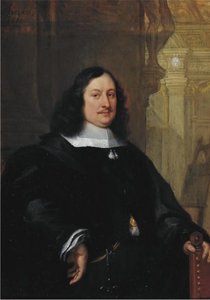
David Teniers el Joven
1610 - 1690 , Bélgica
Breves datos
- Artistas Que Influyeron:
- Peter Paul Rubens
- Pieter Bruegel el Viejo
- Estilo Artístico: Barroco
- Fecha De Muerte: 25 de abril de 1690
- Fecha De Nacimiento: 15 de diciembre de 1610
- Influenció A Artistas: ['Antoine Watteau']
- Lugar De Nacimiento: Amberes, Bélgica
- Nacionalidad: Flamenco
- Nombre Completo: David Teniers el Joven
- Obras Notables:
- Dos borrachos
- Escena de aldea
- Escena de cocina
- Kermesse flamenca

